Those who witnessed the heyday of the USSR in the 1970s–1980s surely remember what city buses of that era looked like. PAZs, LiAZs, LAZs, KAvZs, and, of course, Ikaruses were common on the streets. Most of these vehicles featured high ground clearance, familiar steps, louvered doors, and one more distinctive detail: the driver had a separate entrance to the cabin.
However, starting from the mid-1980s, many city buses began to be produced without a separate door next to the driver's seat. It was assumed that the driver would enter the cabin through the passenger compartment. At the same time, the design of some vehicles, especially LiAZs and PAZs with front-mounted engines, was initially poorly suited for such a solution.
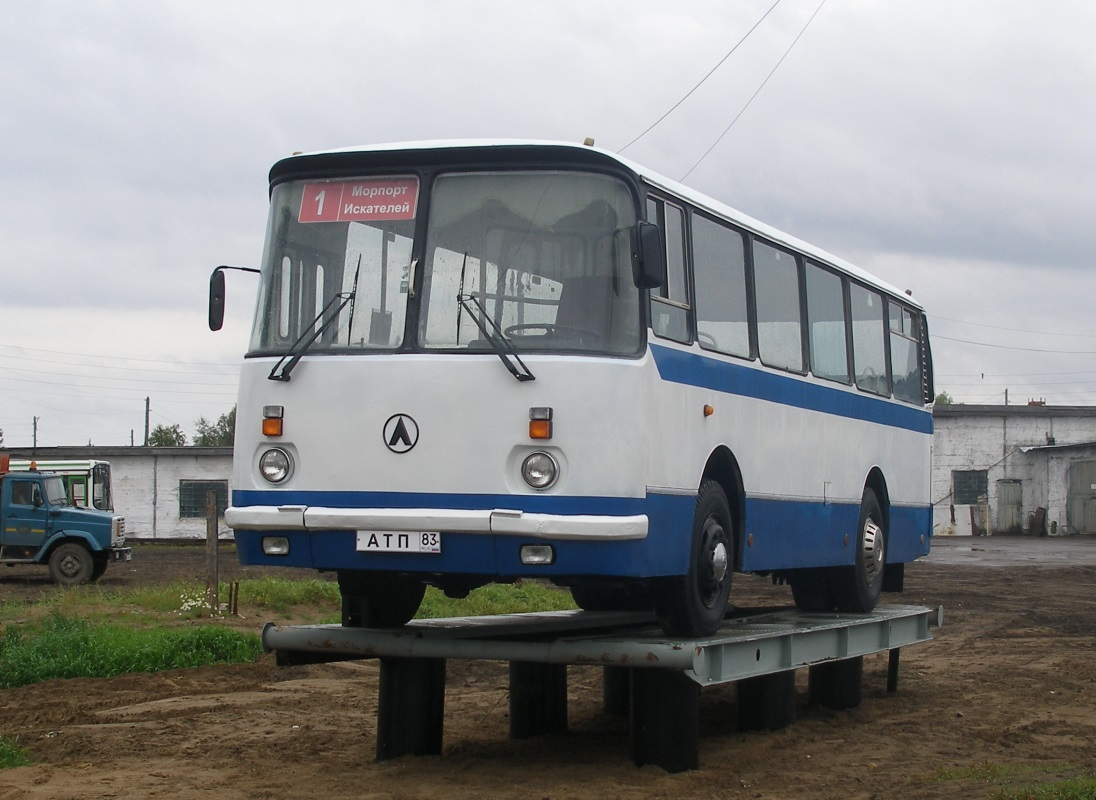
For example, the LiAZ-677 retained its side driver's door almost until the very end of the model's production – its manufacturing completely ceased only in 1994. However, LAZ buses were among the first to lose the separate driver's entrance.
So why did they start abandoning a design that had seemed completely normal for so long? There is no definitive answer, but several theories exist.
1. Design Cost Savings
The most common theory links the disappearance of the driver's door to simple cost savings. A separate entrance requires an additional structure: a steel frame made of profiles must be provided in the bus body, and the door leaf itself is also not cheap.
This results in a quite logical scheme:
- a separate section of the power frame is needed for the door;
- an additional door leaf and its fastening elements are required;
- all this increases material consumption and production costs.
However, there is an important caveat: there is no documentary confirmation of this particular theory. Therefore, economy cannot be considered a proven reason.
At the same time, the abandonment of driver's doors was not exclusively a Soviet practice. Separate entrances for drivers were almost never common in foreign school buses. And regular city route buses in other countries began to abandon the driver's door around the same 1980s as in the USSR.
It turns out that the trend was broader and not limited to the Soviet automotive industry.
2. The Reason Could Be Technical
There is another explanation directly related to the body structure. A door cutout in the side of the bus inevitably affects the rigidity of the front part of the body. Especially since a separate driver's entrance appeared back when buses were largely based on trucks.
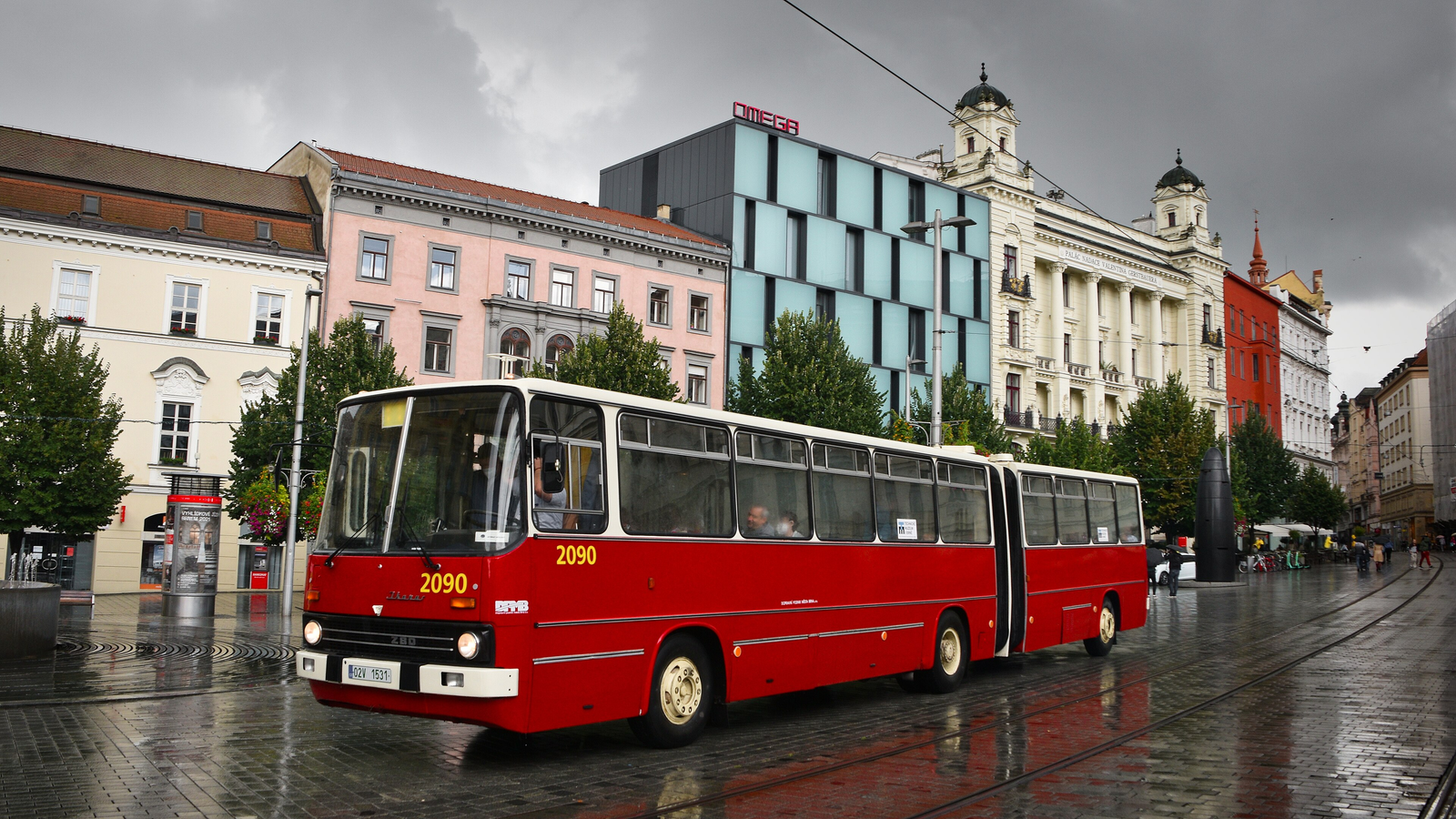
Over time, design requirements changed, and operation could reveal weak points. Cracks in the profile, related to the weakening of the frame, could appear in the area where the door frame was attached.
Therefore, the abandonment of a separate door might not only have been due to a desire to save metal. Structural problems and the need to increase the strength of the front part of the bus could well have been one of the reasons.
Separately, the issue of safety arises. If the driver's area has a weakened frame, this in itself becomes a problem. Stricter safety requirements for public transport could also have pushed manufacturers to change the design.
At the same time, the importance of the driver's door for safety cannot be completely dismissed. It is not just a convenient way to get into the cabin. Under certain circumstances, it serves as an additional emergency exit.
But for this, the design must comply with safety requirements. The door must be equipped with easily detachable hinges or other mechanisms that allow the leaf to be quickly removed without special tools.
And here the same economic question arises. A full-fledged safe design is expensive, so under certain conditions, it might have been easier for the enterprise to abandon a separate entrance altogether.
3. The Version Linked to Transport Organization
There is also a more mundane explanation, often recalled by people who remember buses with a separate driver's door. According to this version, the reason was changes in the organization of public transport.
Since the late 1950s, the USSR gradually moved away from the familiar scheme with a conductor in the cabin. Starting in 1958, fare boxes and ticket punchers were massively introduced, and fare payment was selectively controlled by special inspectors. By the 1960s–1970s, such a system became common practice in most cities across the country.
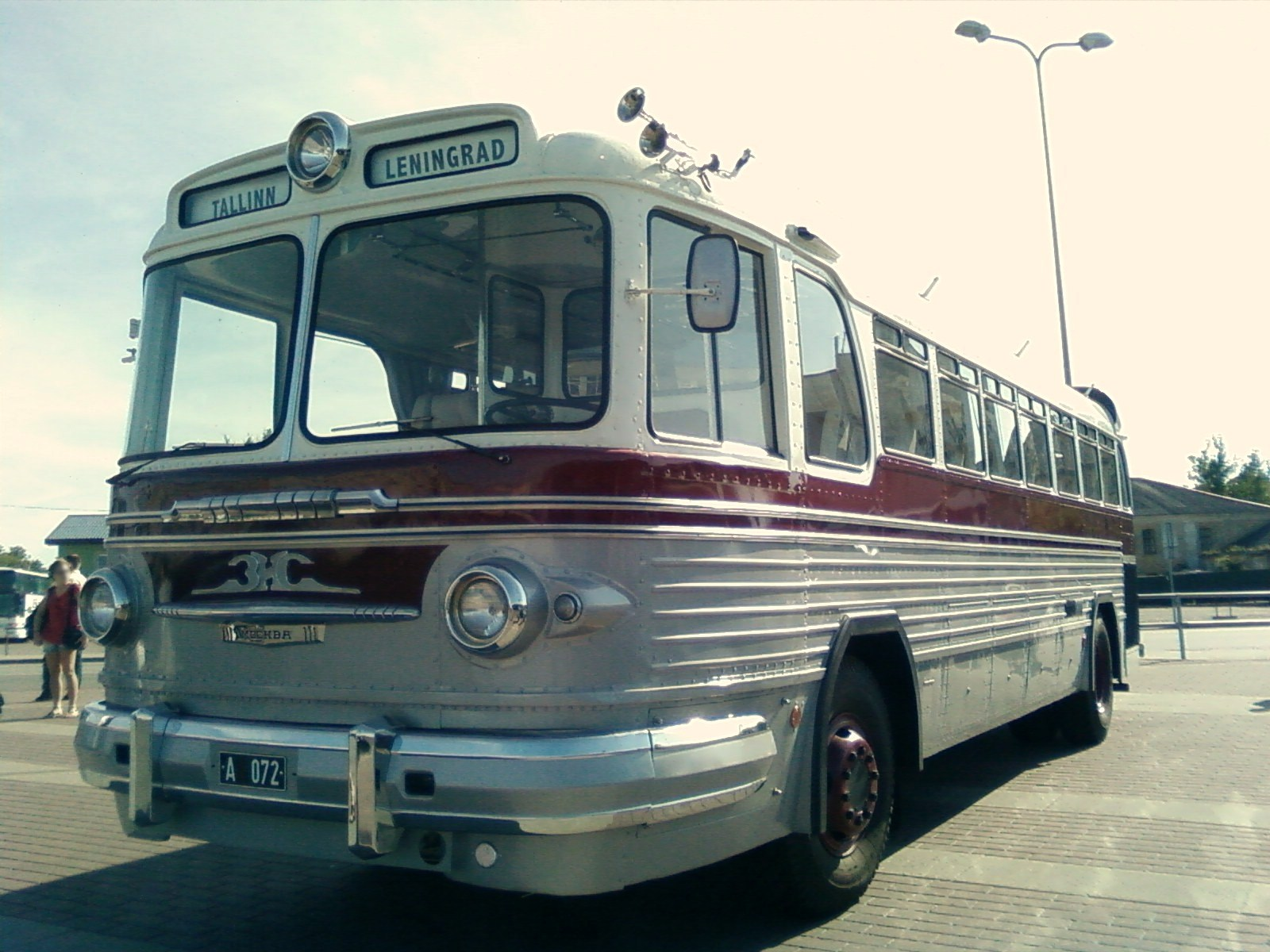
Under these conditions, the driver had to be able to access the passenger compartment directly. Therefore, a separate side door gradually ceased to be necessary: instead, the driver could exit the cabin through the general compartment.
However, from the perspective of the driver's duties, the situation is not so clear-cut. The person behind the wheel is responsible not only for driving the bus but also for actions in case of an emergency. If necessary, they have to participate in maintaining order, take measures to organize passenger evacuation, and provide medical assistance.
Therefore, direct access for the driver to the cabin has quite practical significance.
Today, exiting the driver's area directly into the passenger compartment has practically become one of the standard solutions. This is especially noticeable on low-floor buses. There, the driver often participates in boarding and alighting of passengers with reduced mobility, including people using wheelchairs.
Ultimately, the disappearance of a separate driver's door cannot be confidently explained by any single reason. Possible factors mentioned include material savings, body design features, safety requirements, and changes in the organization of public transport.
Read more articles:
- Why "gull wings" did not become widespread
- Turbo lag: why the engine doesn't accelerate immediately
- Why cars used to have dual wheels