On the street, at a car show, or any event, a supercar with "gullwing doors" is almost impossible to miss. The brand doesn't play a special role here: the design itself is so unusual that it almost guarantees the car will be an object of increased attention. Nevertheless, manufacturers somehow are not in a hurry to transfer such a scheme to ordinary cars. Such doors still remain the prerogative of expensive and exclusive models.
And it's not just about the price of the cars themselves. The history of "gullwing doors" shows that such a design brings with it a whole set of technical and everyday problems.
1. Doors first appeared out of desperation
Today, "gullwing doors" are perceived as a spectacular design element, but initially, they were created not for advertising or showmanship. The original reason was much more prosaic: engineers simply could not place ordinary doors on the car.
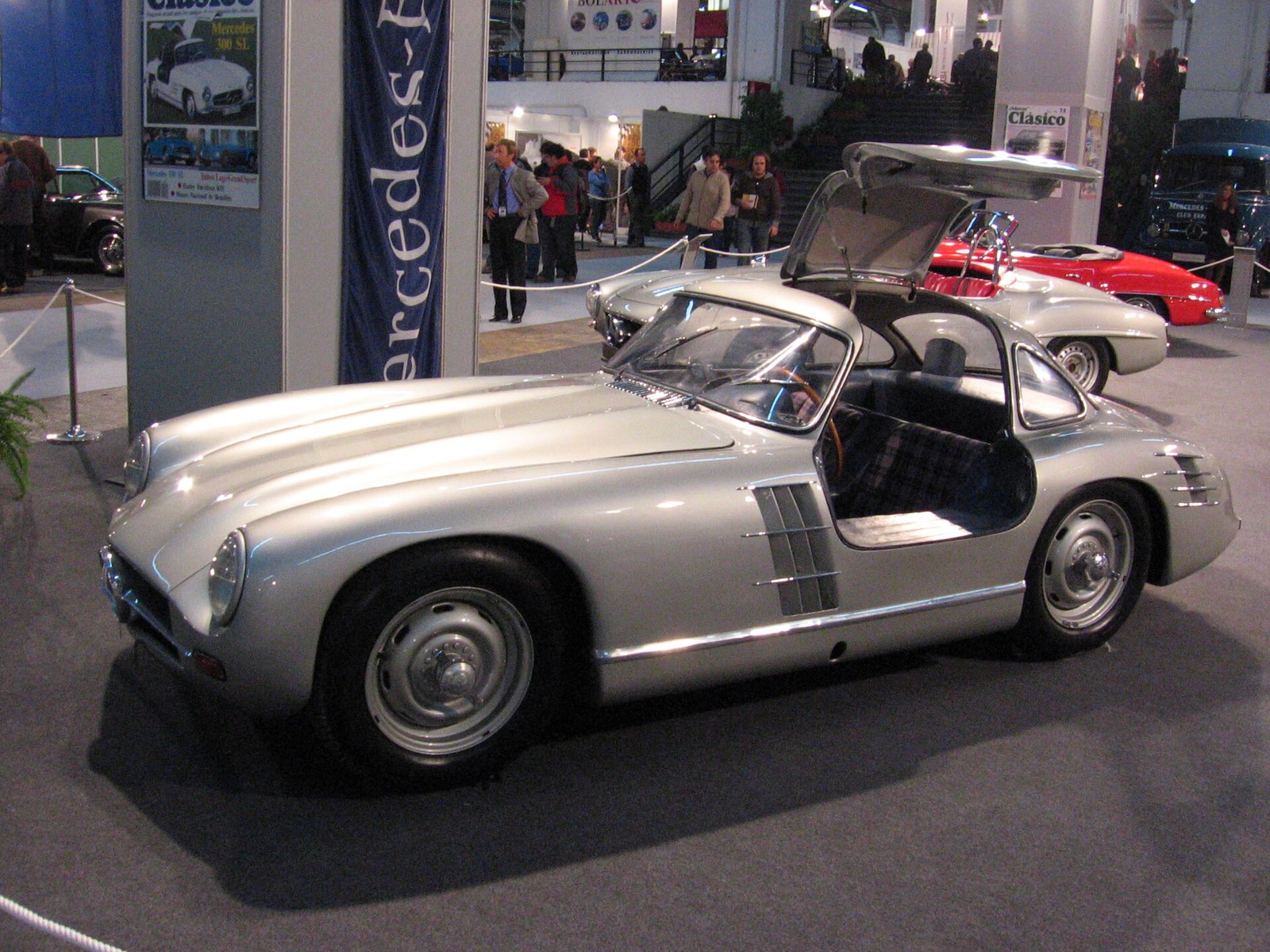
It was about the racing Mercedes-Benz W194 300 SL. During its development, designers sought to simultaneously reduce the car's weight, increase strength, and improve aerodynamics. For this, a space frame of thin steel tubes was specially created, around which the body was formed.
This frame became the main problem. There was practically no suitable place left in the design for standard hinged doors. The beams running under the sills were so high that the pilot had to lift their legs high when getting in. Getting out of the car was also not easy.
The sills turned out to be very wide and reached almost to the driver's waist. Therefore, it was impossible to install an ordinary door that would open sideways.
As a result, engineers found an unusual solution, and the judges actually pushed them to the final decision. They did not agree to allow the car to race in a version where a simple hatch was used instead of a door.
Thus, doors that opened upwards appeared. Their design was very peculiar: a part of the panel was cut out from each side of the roof, and a central crossbar was left between them, on which the hinges were attached. The raised door simultaneously opened the upper part of the side and a section of the roof.
For the pilot and navigator, this meant a rather unusual boarding procedure:
- first, it was necessary to lift the door upwards;
- then the driver actually climbed into the cabin from above through the resulting semi-hatch.
Later, the racing car received a civilian version. The door design was refined, and what was originally a forced engineering solution became one of the model's main features.
2. A spectacular door can turn into a trap
Over time, "gullwing doors" became so popular with the public that they began to be perceived as a characteristic attribute of expensive sports cars. However, attempts to transfer such a design to more affordable cars did not receive mass development. One of the reasons was the high cost of technologies required to ensure safety.
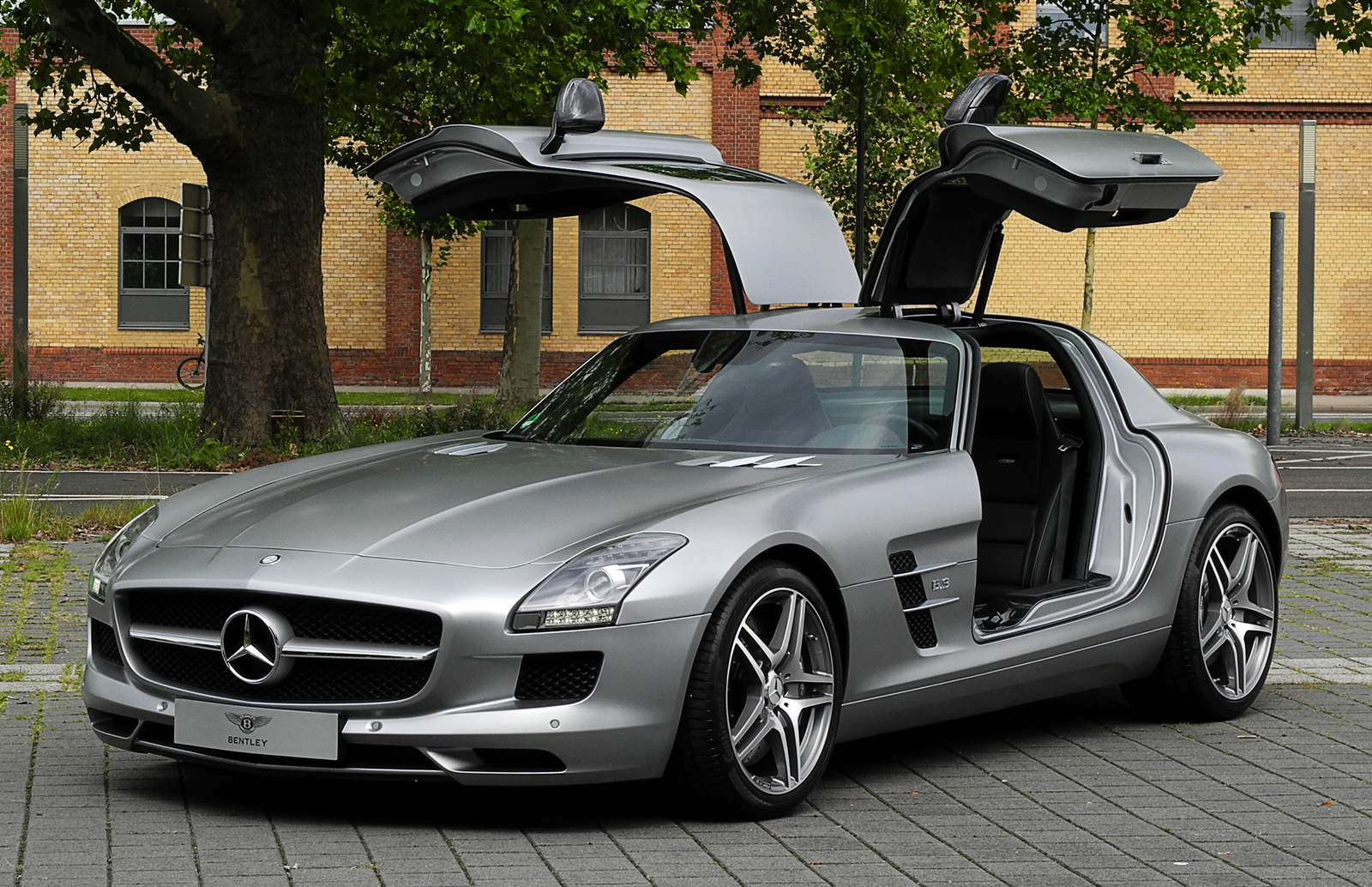
The main problem manifests itself in the event of a serious accident with the car overturning. If the car ends up upside down, the usual way to open the doors becomes unavailable. As a result, the driver and passengers may find themselves trapped inside and unable to get out on their own. Rescuers may need hydraulic cutters to free people.
In expensive cars, this problem is solved with complex and expensive systems. In the Mercedes-Benz SLS AMG, for example, pyrotechnic cartridges connected to rollover sensors were installed in the door hinge design. If the car ends up upside down, the system activates and blows out the hinges. After that, people inside can push out the door and get out of the cabin.
But safety is far from the only reason for the high cost of the design. The door itself is heavy, so powerful electric motors and torsion bars are required to lift it.
In addition, such mechanics require regular maintenance and are expensive to repair. If the structure wears out and its mechanism weakens, a heavy door can unexpectedly drop and crush a nearby passenger.
Thus, for normal operation, a whole complex of solutions must be used:
- pyrotechnic cartridges and rollover sensors for emergency release;
- powerful electric motors and torsion bars for lifting a heavy door;
- regular maintenance of the complex mechanism;
- expensive repairs when individual components wear out.
All this poorly combines with the idea of an affordable mass-produced car.
3. Other problems arise in everyday life
Even if we leave aside the cost and complexity of the design, "gullwing doors" still have a serious drawback - they are inconvenient in normal operation.
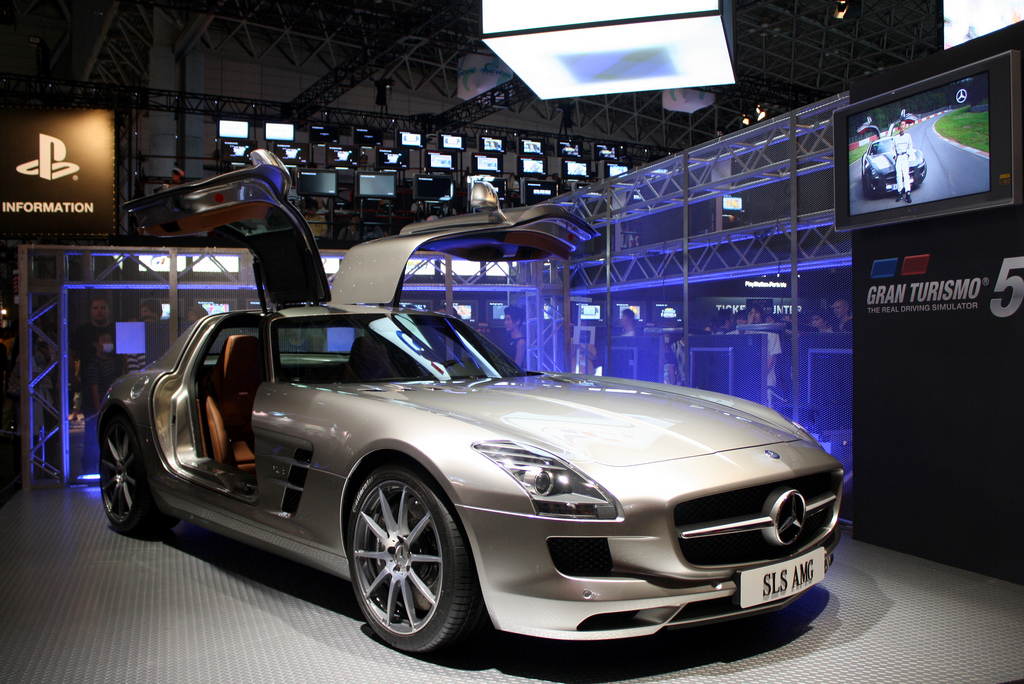
The first problem appears even before the car leaves the garage. Such doors require a lot of free space above the car. In a standard garage, the ceiling is usually not high enough, and there may not be enough space around the car for the doors to open fully.
Therefore, the owner will need a large garage, and its construction or reconstruction will be more expensive than usual. In underground parking lots, the situation is also not simple: with insufficient space, there is a risk of hitting concrete structures with the raised door.
In winter, another nuisance appears. If snow has accumulated on the roof, after opening the doors, it can fall directly into the cabin - onto the seats and interior trim.
There is also a seasonal problem with sealing. The seals wear out over time, after which rain and meltwater begin to penetrate inside. During heavy rainfall, this can lead to a real flood in the cabin.
4. You have to pay for spectacular design
The very principle of opening doors upwards forces designers to make serious compromises. Special attention must be paid to the rigidity of the roof, because large cutouts necessary for the door mechanism appear in it.
To strengthen the structure, very expensive carbon fiber must be used. Ordinary heavy metal is much less suitable for this task, and the use of expensive materials inevitably affects the final cost of the car.
There are also difficulties directly when getting in and out. Such a door is not convenient for everyone. For example, an elderly person may find it difficult to close it independently: the hand has to reach quite far to reach the desired point.
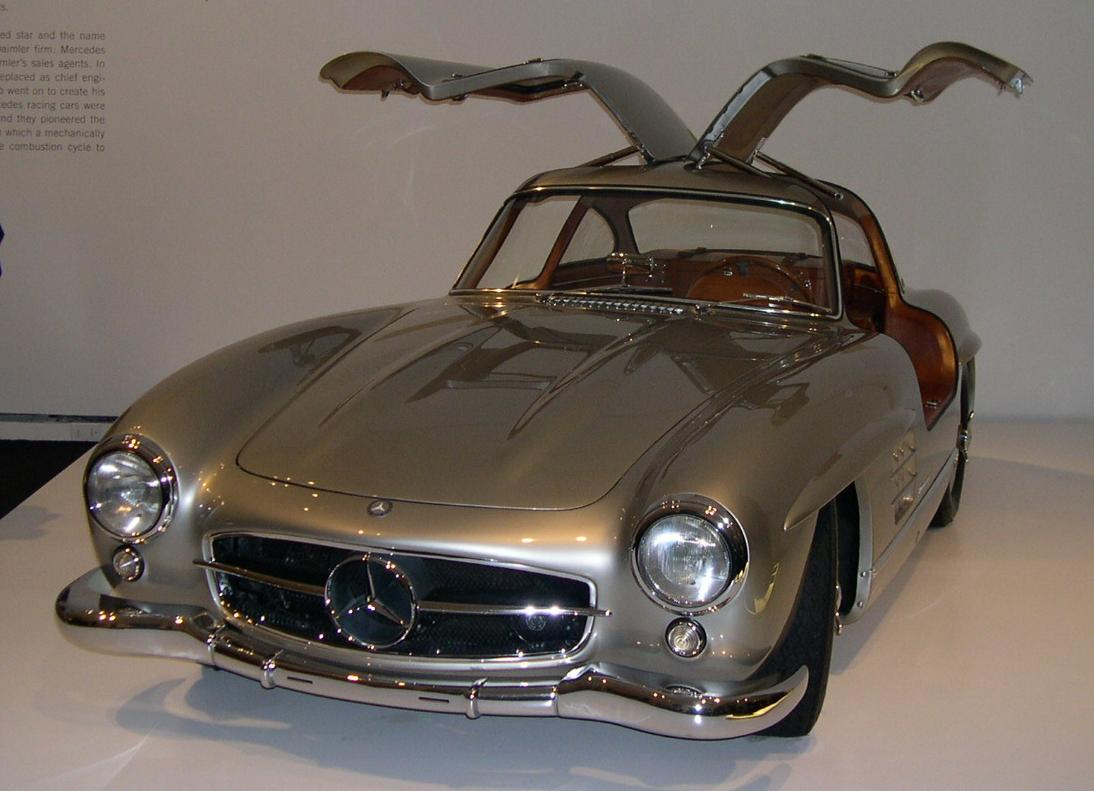
As a result, a spectacular design that looks great at an exhibition is far from as attractive as an everyday solution. Most buyers will primarily pay attention to completely different qualities:
- convenience of daily operation;
- practicality;
- lower probability of breakdowns;
- ease of maintenance.
"Gullwing doors" combine poorly with these requirements. They are more complex, heavier, and more demanding on operating conditions than ordinary doors. Therefore, manufacturers do not seek to turn them into a mass solution.
Nevertheless, it was this unusual design that became one of the reasons why the Mercedes-Benz 300 SL is now among the most expensive classic cars in the world. The doors, which once appeared as a forced measure for a racing car, eventually became its recognizable feature and played a significant role in the historical value of the model.
Read more materials:
- Turbo lag: why the engine doesn't accelerate immediately
- Why cars used to have dual wheels
- How a German jerrycan saved millions of liters of fuel