The gear lever of the blue van with a white roof was not where one usually expected to find it in trucks. It came directly from the steering column – almost like in a "Volga". This kept the cabin floor flat and clear, and three people could easily fit in the front row. The radiator grille, meanwhile, proudly displayed a plate with a French name.
This is what Czech Avia vans looked like, which were initially produced under a French license, and then gradually received more and more locally produced parts. These vehicles also found use in the USSR, quickly gaining a reputation as convenient transport for tasks where the large GAZ-53 was overkill.
Why Czechoslovakia needed a French vehicle
The problem was size. Czechoslovak enterprises needed a truck with a payload capacity of up to 3 tons, but there were no suitable models in the Škoda and Praga programs. In the socialist bloc, the choice was also limited: in this class, only the East German Robur remained.
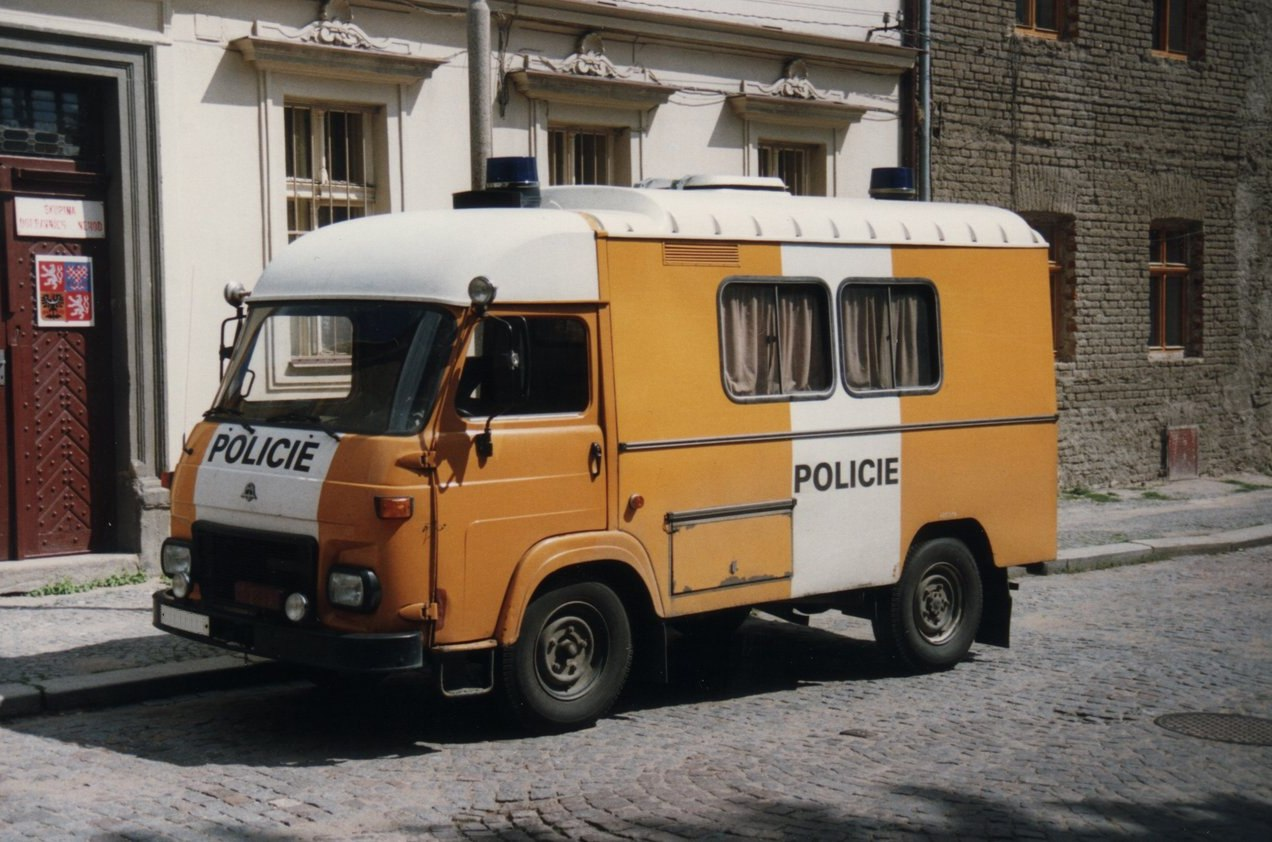
There was no one to develop a new vehicle from scratch, so the Czechoslovak industry decided to use an existing design. Three manufacturers were considered as potential partners:
- West German Hanomag;
- British Ford;
- French Saviem, part of Renault.
Ultimately, an agreement was signed with the French. The basis for production was two families of vehicles: the 1.5-ton Super Goelette and the 3-ton Super Galion. After production began in Czechoslovakia, they were designated Avia A15 and Avia A30.
The first 60 vehicles were assembled by the factory in Letňany near Prague in 1968. In the initial vehicles, almost everything was French. But gradually, the Czech component began to increase. The reason was quite practical: imported parts had to be paid for in foreign currency, and there were problems with it in the country.
What the Avia was like inside
The cabin's design differed significantly from familiar Soviet trucks. The diesel engine was located under the cabin, closer to its rear. It protruded through a low casing, positioned precisely between the two front seats. If a third seat was needed, an additional seat, ordered separately, was installed on top of this casing.
Visibility was provided by a single windshield without a central pillar and three windows in the rear of the cabin.
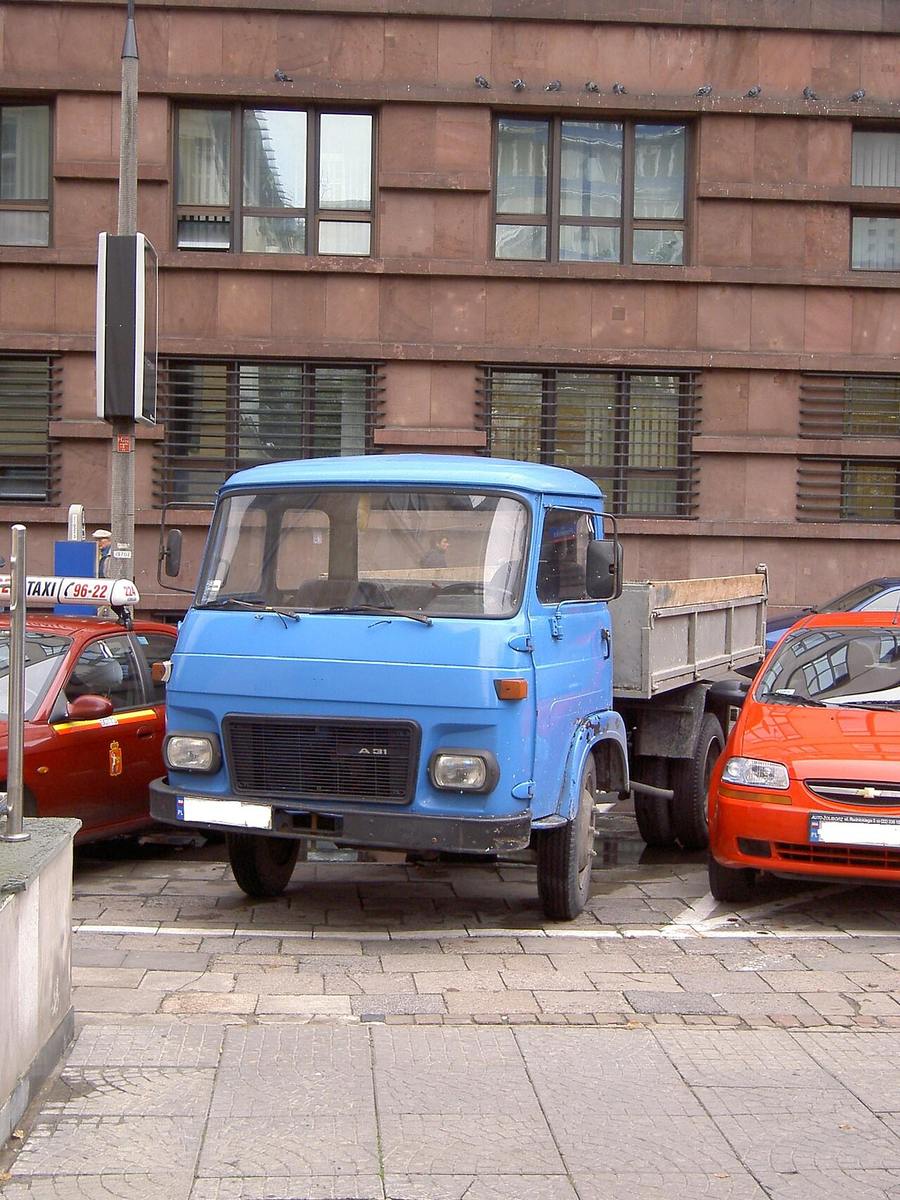
The van also featured quite convenient solutions for cargo work. The upper part of the cargo compartment was made of plastic, so it was bright enough inside during the day even without turning on the lights. On the right side, there was a wide sliding door, and the rear wall almost entirely opened with two flaps.
Compared to the Avia, the similarly sized ErAZ-762 looked significantly less successful. It was built on passenger car components, and the engine was located in the front of the cabin. The engine cover took up space from the driver, the gear lever could hit the leg when shifting, and the high and narrow windshield provided poorer visibility of the road.
Moreover, the front part of the ErAZ was overloaded. As a result, the front axle wore out significantly faster than other structural elements.
Where Avia's lightness came from
One of the advantages of the Czech van was its suspension design. The front part of the Avia relied on a wishbone design with springs, similar in principle to passenger cars. The A21 van also used a similar spring suspension on the rear axle.
The wheels were 16 inches in size. The empty van weighed 2380 kg. For comparison, the curb weight of the GAZ-53 exceeded 3 tons, and its wheels were already 20 inches.
The difference in controls was no less noticeable. The Avia's braking system had a power booster, so the pedal did not require great physical effort from the driver. The gearbox was synchronized.
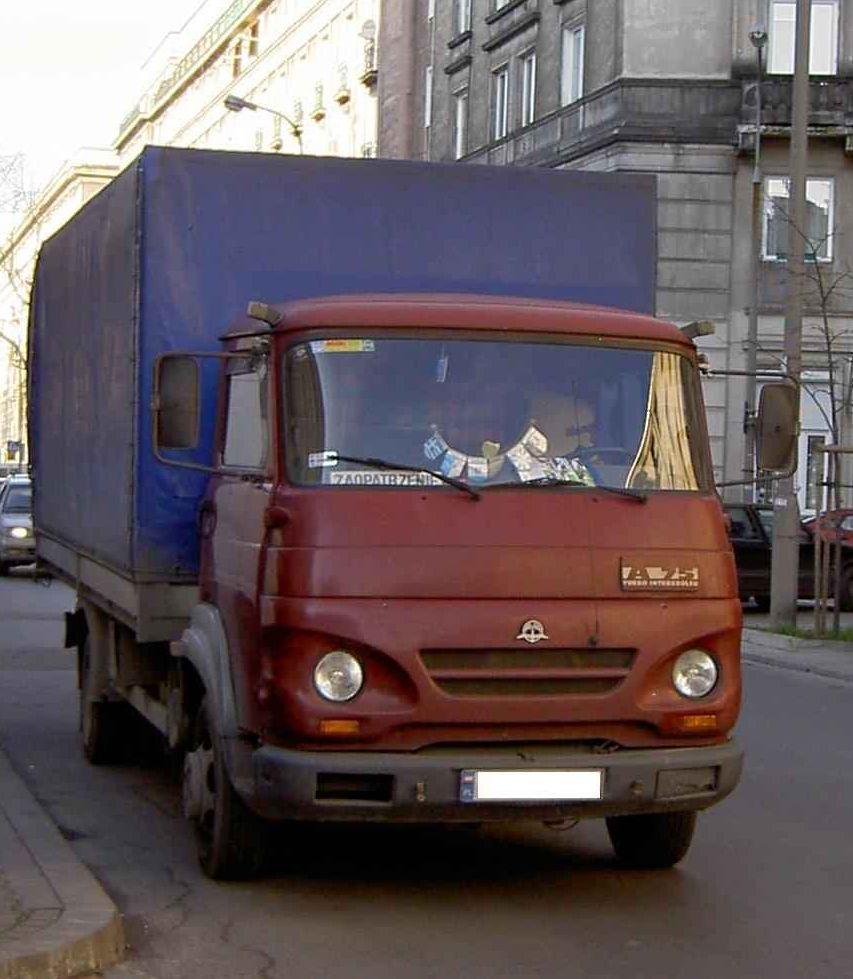
In the GAZ-53, synchronizers only worked on third and fourth gears. In later models, they were removed altogether, so the driver had to shift with double-clutching and rev-matching.
Fuel consumption also favored the Czech vehicle. The Avia required approximately 12–14 liters per 100 km. The GAZ-53's gasoline V8 consumed about 20 liters per hundred without a serious load, and its appetite increased by about one and a half times when working with cargo.
Therefore, owners of Czech vans often agreed on one thing: the Avia was easy to drive, and it seemed to not need any power steering.
In Czechoslovakia, they also made fun of the vehicle
Despite all its advantages, the Avia was not particularly fast. Even late modifications only reached a maximum speed of 86 km/h. In its homeland, people joked about this: if an Avia is leading a convoy, there's no one left in the country to overtake it.
The situation with steering was somewhat different. There was indeed no power steering, so turning the wheel in place was difficult. But for that time, this was not considered exceptional – such a feature was characteristic of many cars.
Power steering appeared on the Avia only in 1993, simultaneously with the transition to turbocharged engine versions.
In the Soviet Union, the Czech van looked particularly advantageous compared to local trucks. Next to the GAZ-52 and GAZ-53, it was perceived as a significantly lighter and more convenient vehicle. On Soviet trucks, the steering wheel sometimes had to be turned with two hands in place, and when reversing, the driver could open the door and lean out to better control the situation.
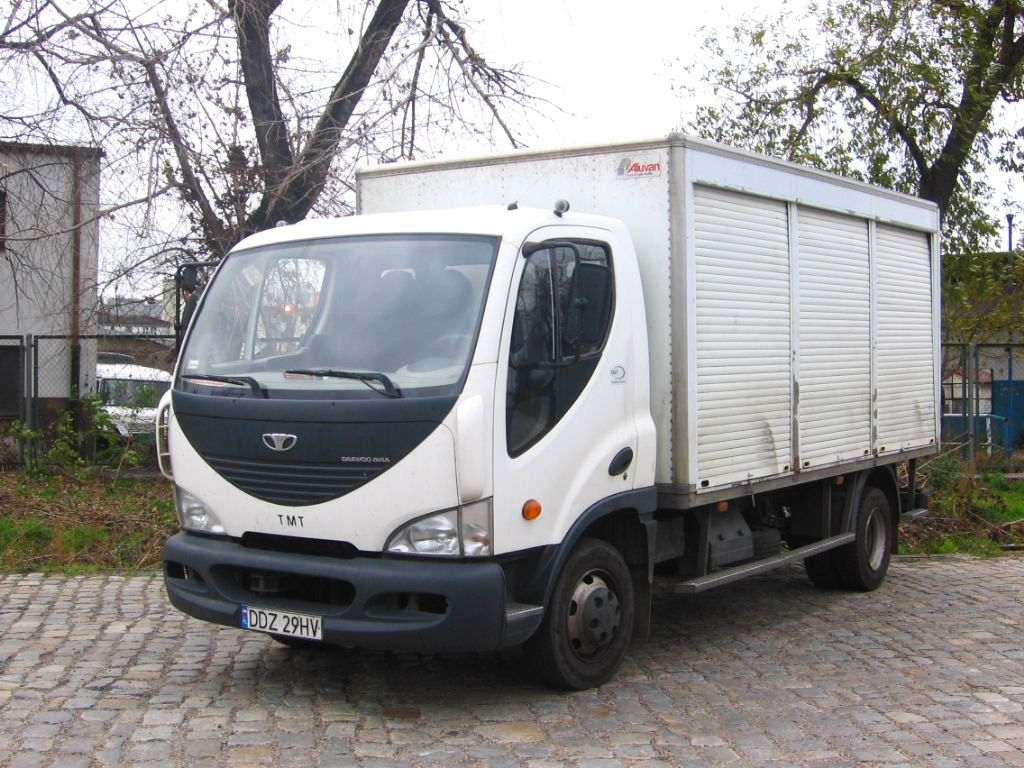
Therefore, where Czech vans were already operating, there were usually more people wanting to drive an Avia than there were vehicles themselves.
Why the Soviet Union needed Avia
Deliveries of Avia to the USSR began in the mid-1970s. There was effectively a free niche for it there. ErAZ, Nysa, and Żuk could no longer cope with the necessary volume of transportation, while the GAZ-53 was too large for such tasks.
In large cities, Czech vans were used for a variety of transport needs. In particular, they delivered breakfasts and lunches prepared at children's nutrition centers to school cafeterias. Avias also worked in hospital garages and were used to deliver products to stores.
However, the design, intended for different climatic conditions, had a drawback that quickly became apparent in the USSR. The standard heater did not cope with its task very well. It had to be modified or an additional heater installed, as the vehicle was clearly not originally designed for harsh Soviet winters.
Another feature was related to the engine layout. The cabin did not tilt, so to access the engine, the casing had to be removed directly from the inside. Reaching the far parts of the engine was not easy.
What changed after the license expired
The license agreement with the French side ended in 1977. Soon after, the Saviem plate disappeared from the radiator grille.
At the same time, the Avia's design changed insignificantly. The vehicle retained its original basis but received a number of improvements:
- brakes became more efficient;
- payload capacity increased from 1.5 to 1.75 tons;
- the four-speed gearbox was replaced with a five-speed one.
The best year for production was when the factory produced 19,000 vehicles.
A truly significant modernization took place only in 1993. At that time, a turbocharger was installed on the engine, the gear lever was moved from the steering column to the floor, and the steering finally received power assistance.
By that time, however, the market situation had already changed, and the enterprise no longer had its main buyer. Production of the last vehicles of the A series ended in 2000.
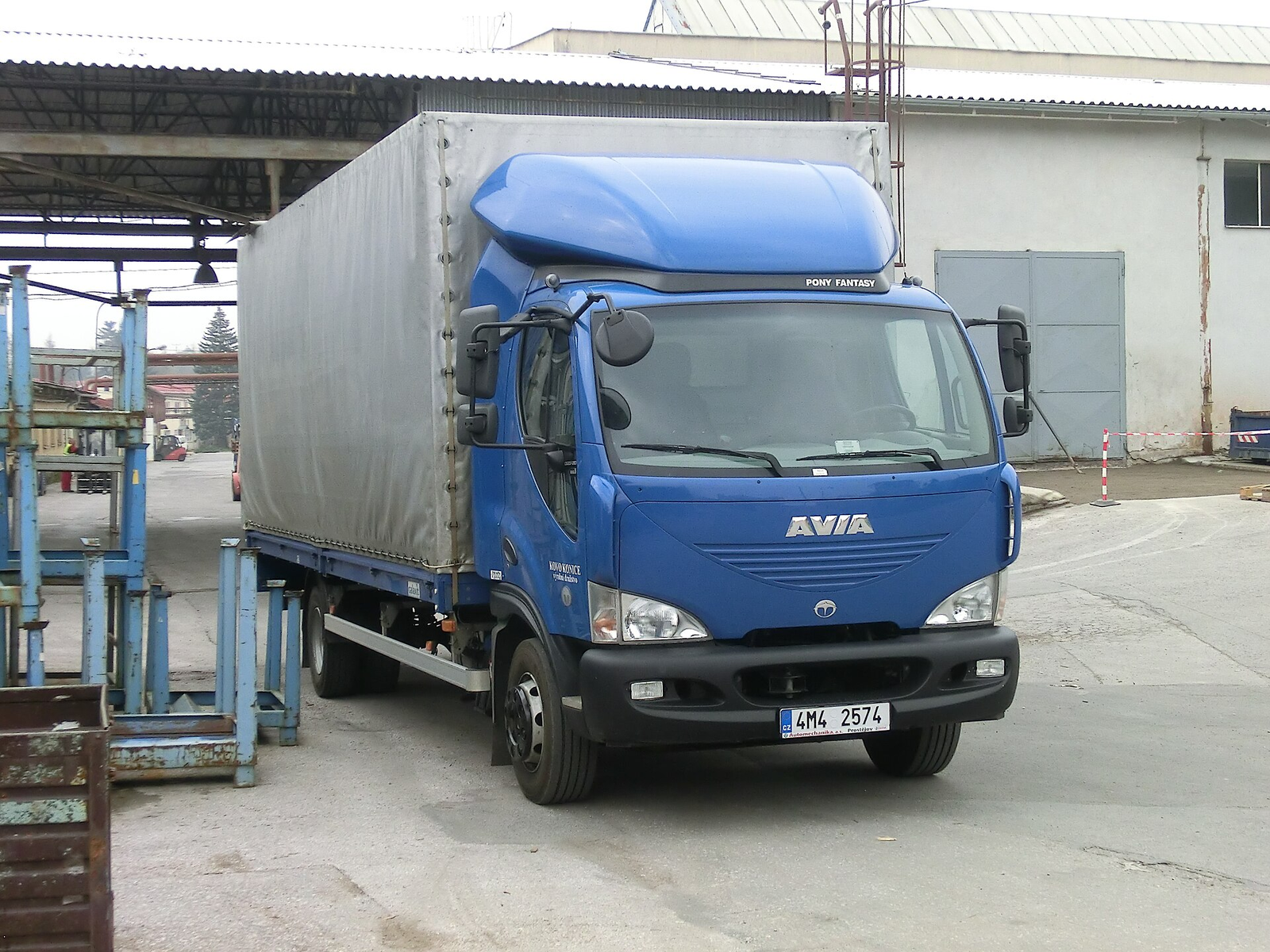
In total, almost 250,000 vehicles of this family were produced. About 80,000 of them went to the Soviet Union.
Thus, the history of Avia began with a foreign French design, which Czechoslovakia needed due to the lack of its own light truck. Then the vehicle gradually acquired Czech components, survived the end of the license agreement, and eventually became well-known to Soviet drivers. And the unusual gear lever on the steering column, the flat cabin floor, and the ability to seat three people in the front became some of the details by which this vehicle was especially easy to distinguish from familiar Soviet trucks.
Read more materials:
- Why the Lada Vesta is cheaper in Belarus than in Russia
- Why Soviet buses lost their driver's door
- Why "gull wings" did not become mass-produced