Buying a used premium car is a way to get wood trim, good sound insulation, and a powerful engine without having to pay for a new BMW X5 or Lexus RX. But along with the attractive price of used luxury, the buyer also gets potentially expensive problems.
Therefore, when choosing a high-mileage car, it makes sense to look not only at the condition of a particular vehicle but also at the brand's durability statistics. The iSeeCars study allows us to compare three popular premium brands – Lexus, BMW, and Mercedes-Benz – and assess their chances of exceeding 250,000 miles, which is approximately 402,000 kilometers.

And here, the gap between manufacturers turned out to be very large.
Lexus confidently outperforms German competitors
According to the iSeeCars study, Lexus proved to be the most durable premium brand. The probability of its models reaching 250,000 miles or more is 14.4%.
For a brand that has focused on reliability for decades, the result seems quite natural. It's enough to recall the old first-generation LS sedans, many of which are still in very good condition. It's no coincidence that the later Lexus LS430 is considered one of the most reliable full-size premium sedans. The average for all luxury brands is significantly lower – only 3.4%.
Against this background, the results of the two German competitors look much more modest. Mercedes-Benz ranks sixth with a 2.6% probability of reaching 250,000 miles. BMW was even lower – in ninth place, and the probability of its models exceeding the same mark was only 0.5%.
Thus, Lexus has:
- a 5.5 times higher rate than Mercedes-Benz;
- almost 29 times higher probability of reaching 250,000 miles than BMW.
Therefore, for a used premium car buyer, the statistics quite unambiguously point towards Lexus.
Why German premium might be more expensive
BMW and Mercedes-Benz themselves are by no means poorly built cars. German manufacturers traditionally use complex technical solutions to achieve high performance and a wide range of features.
But such engineering has a downside: the more complex the car, the more potential components can require repair with age.
The problem becomes especially noticeable after several years of operation. According to the analysis of car repair costs for vehicles aged six to ten years, the average expenses for BMW amounted to $9,300. For Lexus, the similar figure was $5,600.
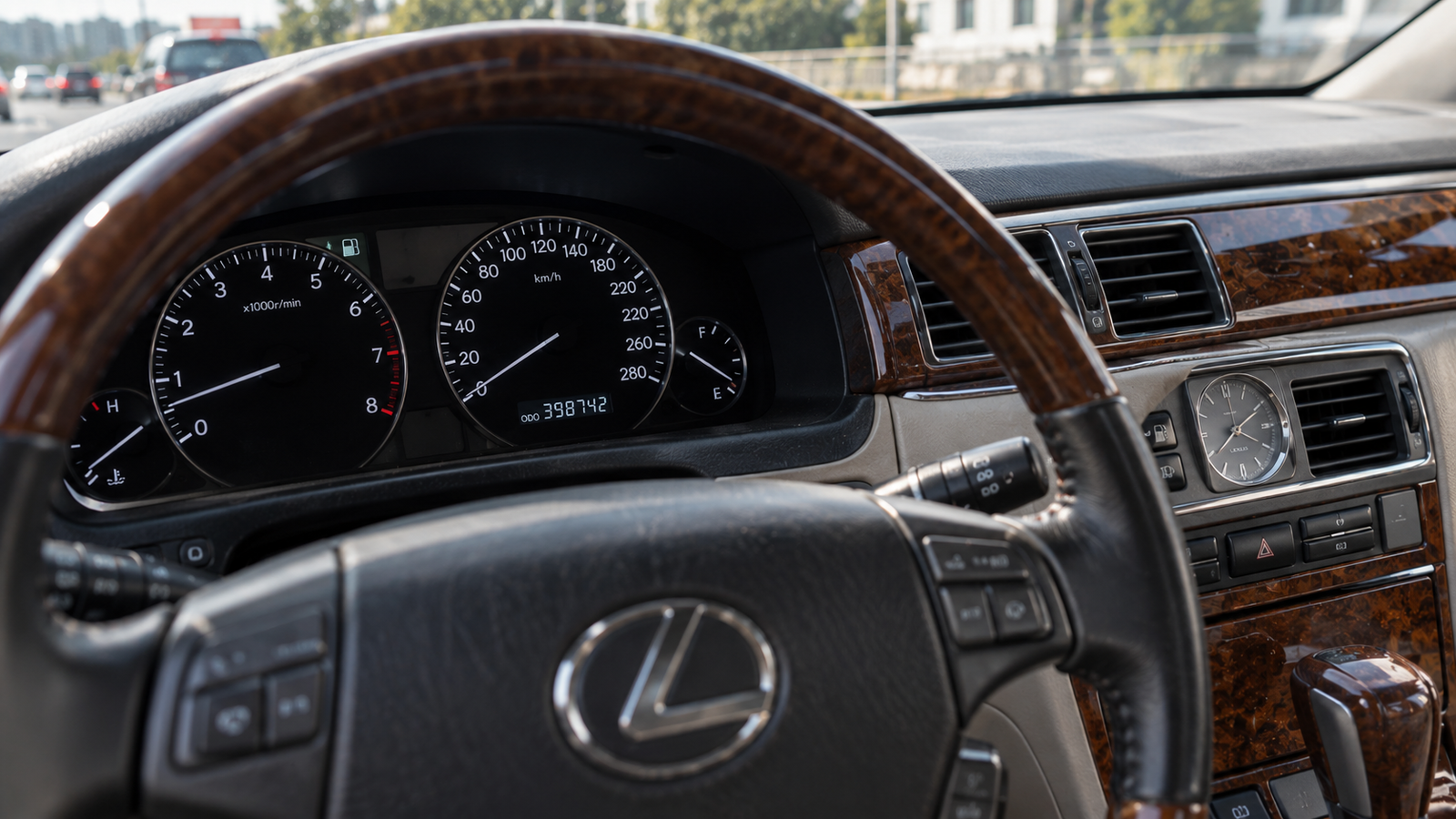
For an owner of an old premium car, the difference is fundamental. With high depreciation of the car, one serious repair can constitute a significant portion of its market value.
That is why when buying a used luxury car, you cannot look only at the initial price. A cheap BMW or Mercedes can subsequently require significantly higher maintenance costs.
High mileage doesn't make Lexus immortal
However, statistics do not mean that every Lexus will automatically drive 250,000 miles, and a BMW or Mercedes will necessarily break down earlier.
A specific car depends on how it was maintained, under what conditions it was operated, and how timely malfunctions were eliminated. Even the most successful design does not negate the need for regular maintenance.
Therefore, the results of the study should be perceived more as a guideline when choosing a brand, rather than a guarantee of a specific car's lifespan.
This is especially important for the premium segment: the high initial complexity of the car does not disappear with age, and the cost of troubleshooting can be disproportionate to the price of a used car.
How durability was calculated
The iSeeCars study is based on a huge amount of data – over 395 million cars. Researchers calculated average odometer readings for cars of each age, and then, using their own mathematical model, estimated the probability of reaching various mileages.
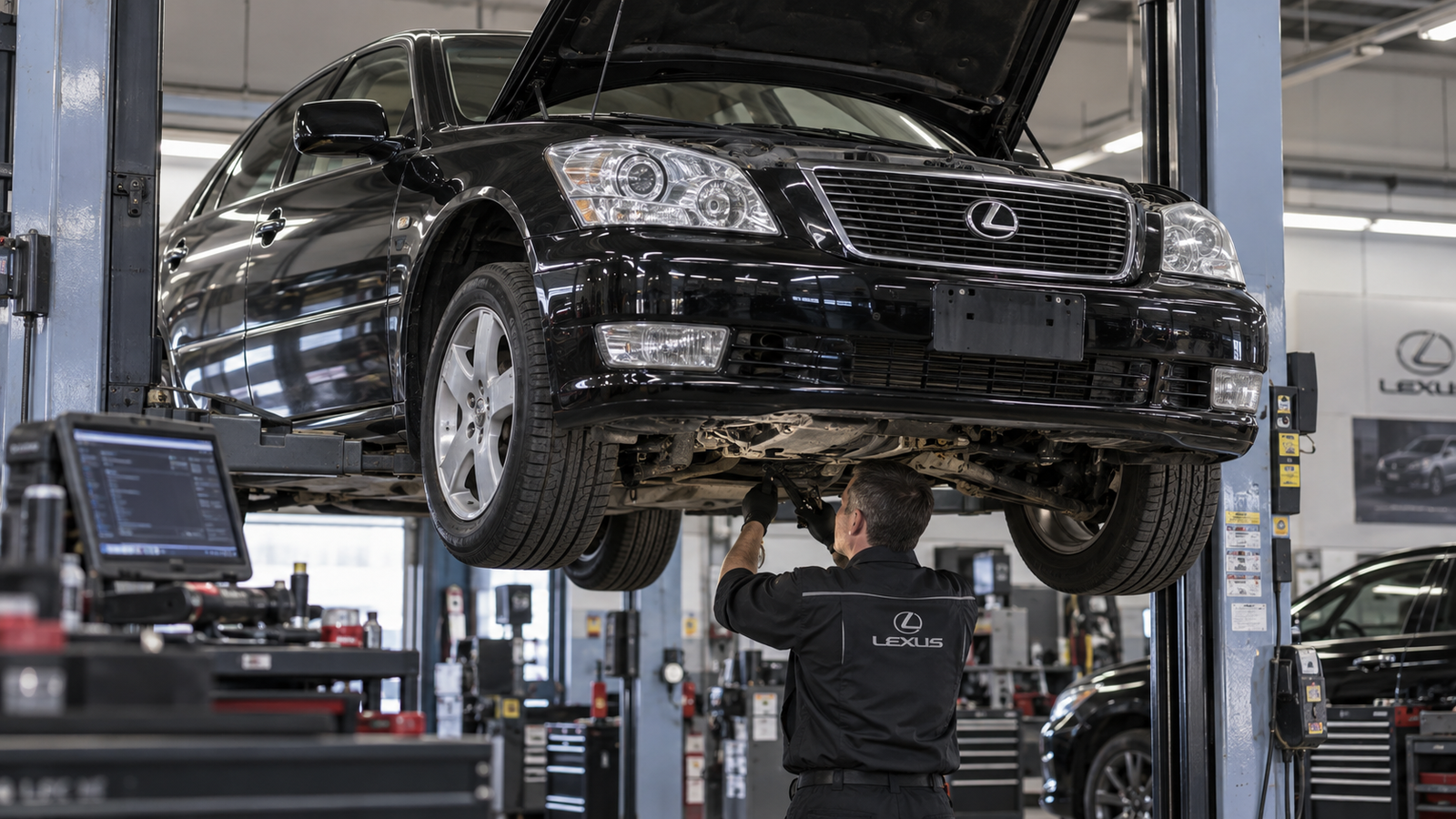
To determine the most durable brands, specialists first calculated the probability of reaching the 250,000-mile mark for specific models and generations. Then, the indicators were averaged across the entire lineup of each brand, taking into account the prevalence of specific models on the roads.
Heavy vans and other vehicles for which there was insufficient data were excluded from the analysis.
Thus, the final result reflects not the opinion of owners or the subjective assessment of experts, but the statistical probability of achieving very high mileage across the entire model range.
Japanese premium vs. German
The iSeeCars results fit into a broader picture. In the study of premium brand durability, Japanese cars, including Lexus and Acura, significantly more often reach 250,000 miles than their German competitors.
Moreover, Lexus was the leader not only among the three brands considered here. In the latest Consumer Reports predicted reliability ratings, it also took first place among premium brands.
This does not mean that BMW or Mercedes-Benz cannot be operated for huge mileages. Such cars are capable of covering 250,000 miles or more. But usually, for this, the owner has to pay more attention to them, and potential repair costs turn out to be higher.
What to choose in the used car market
If a buyer has a limited budget and is choosing between Lexus, BMW, and Mercedes-Benz, statistics provide a fairly clear hint.
Lexus has a significantly higher probability of lasting up to 250,000 miles and simultaneously demonstrates lower average repair costs at ages six to ten years. BMW, on the contrary, shows the weakest result among this trio.
However, the main factor remains the specific car. A well-maintained BMW with a transparent service history can be a much more reasonable purchase than a neglected Lexus with a huge number of hidden problems.
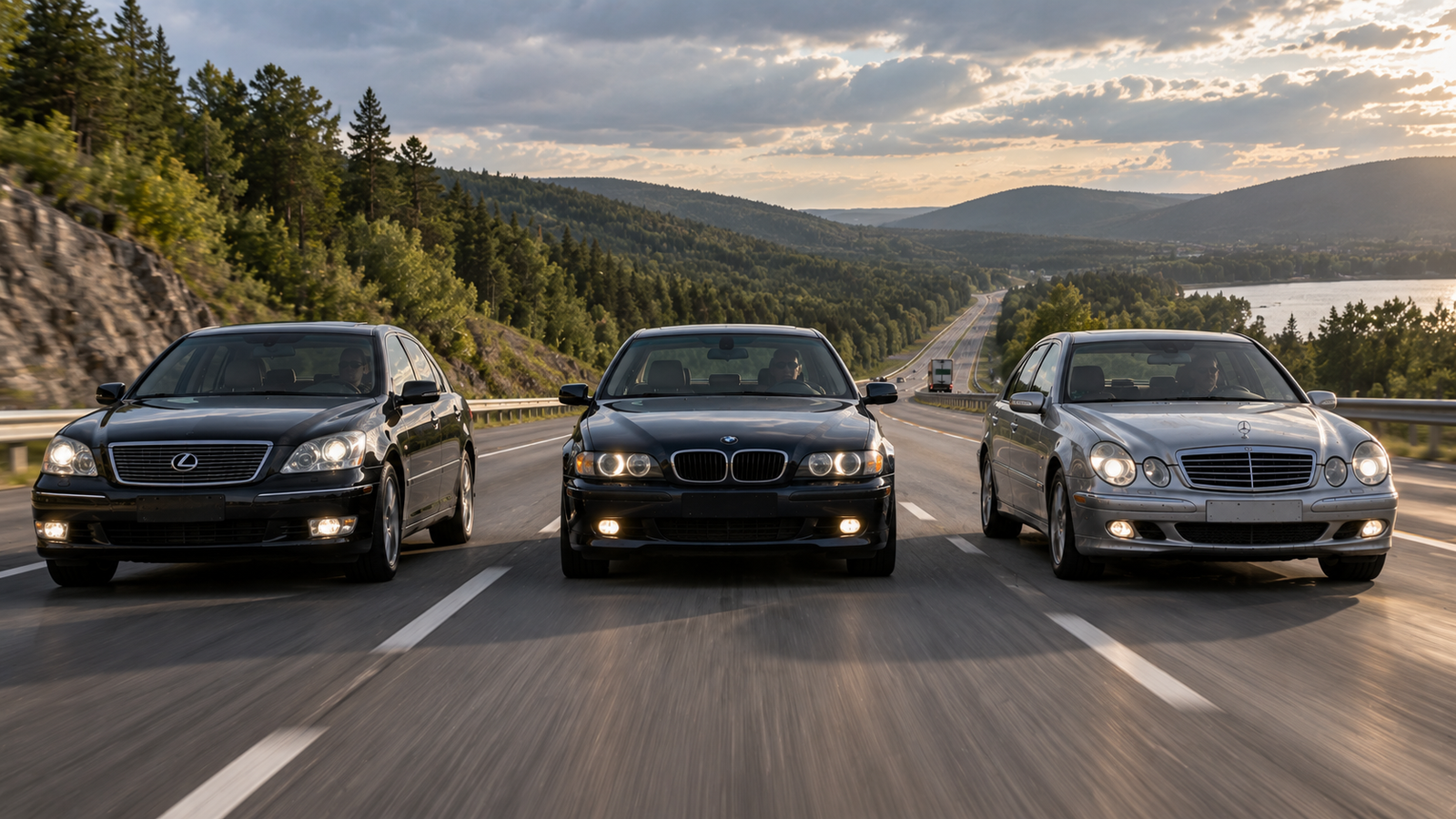
But if it's about choosing a brand and the buyer wants to minimize long-term risks, the iSeeCars statistics make the conclusion quite obvious: among the three popular premium brands, Lexus has the strongest durability margin.
For a used luxury car, this is especially important. Depreciation allows you to buy a premium car relatively inexpensively, but age does not negate the cost of complex components. Therefore, the car's ability to continue operating after 250,000 miles becomes not just a beautiful number, but a very practical selection criterion.
Read more materials:
- Why Toyota's e-CVT is not like a regular variator
- Supreme Court explained controversial overtaking rules
- Why the Russian 7-speed automatic did not go into production
Комментарии