The VAZ-2115 is well-known to Russian motorists. The model, popularly nicknamed “Pyatnashka” (the fifteen), was produced at AutoVAZ from the early 2000s and featured a characteristic spoiler on the trunk lid. For many owners, this part was primarily a design element, but during the body's design, it also had a very specific technical purpose.
The VAZ-2115 was a restyled version of the VAZ-21099 Sputnik sedan. Production of the VAZ-21099 at AutoVAZ began in December 1990, and later the model's production was also organized at the ZAZ plant. In Tolyatti, car production continued until 2004, while at the Ukrainian enterprise, the model was produced until 2011.
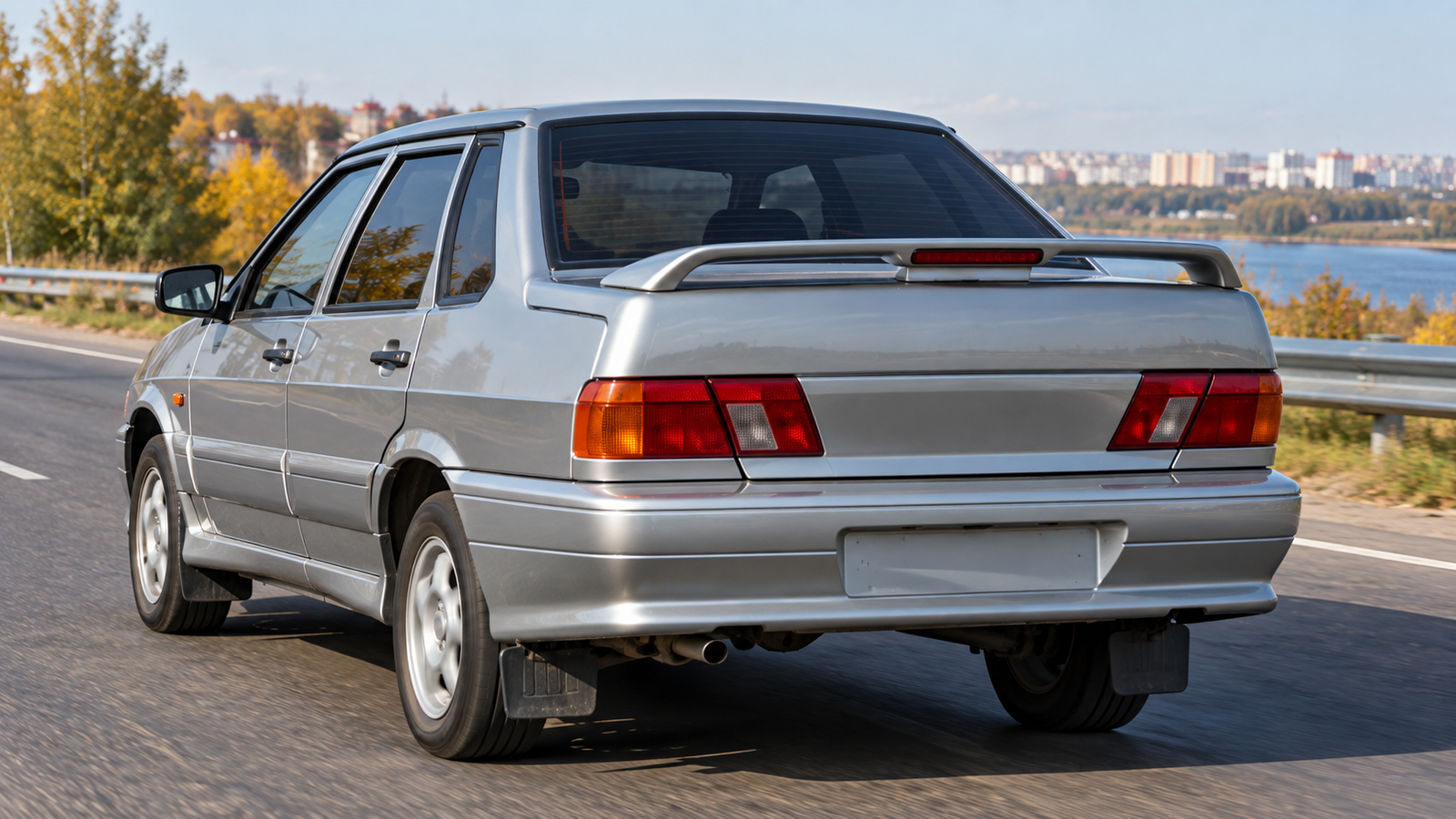
Full-scale serial production of the VAZ-2115 started in 2001 and ended in December 2012. A total of 752,957 cars were assembled during this period. The model belonged to the family of front-wheel-drive cars created on the Sputnik platform.
However, sedans of this family were less popular than hatchbacks. The VAZ-2109 enjoyed higher demand, and a similar situation occurred with the VAZ-2115.
Spoiler or Wing
When designing the VAZ-2115 body, designers provided for a spoiler on the trunk lid. Outwardly, it may indeed resemble an element of a sports car, but calling it a wing is technically incorrect.
Spoilers and wings solve different aerodynamic problems:
- a spoiler is primarily designed to change and organize the airflow around the body;
- a wing creates additional aerodynamic downforce due to the pressure difference of the air above and below the element.
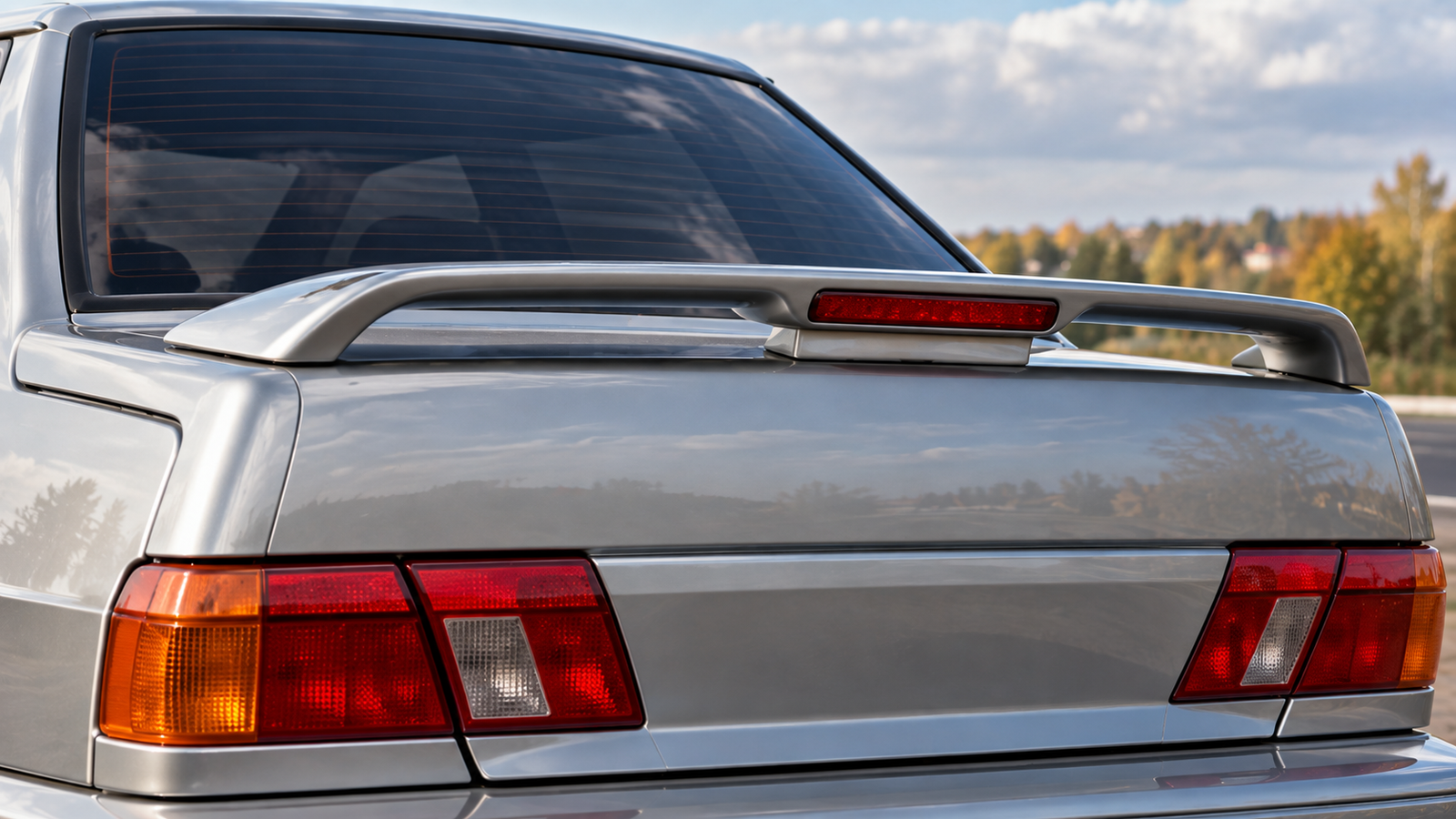
Wings are especially in demand in motorsport, where at high speeds it is important to increase the car's grip on the road surface. The design and location of the standard VAZ-2115 element are not intended for such a task.
Therefore, the “Pyatnashka” spoiler should be considered precisely as an aerodynamic body element, and not as a reduced version of a racing wing.
1. Reducing Rear Window Contamination
One of the spoiler's tasks is related to the aerodynamics of the rear part of the body. Despite its sedan layout, the VAZ-2115 has a rather sloping rear. Because of this, the airflow passing over the roof changes direction after its end and forms an area of turbulence and rarefaction behind the car.
Dust, road dirt, and water droplets can accumulate in this zone, eventually settling on the rear window. This becomes especially noticeable when driving on wet or dirty roads.
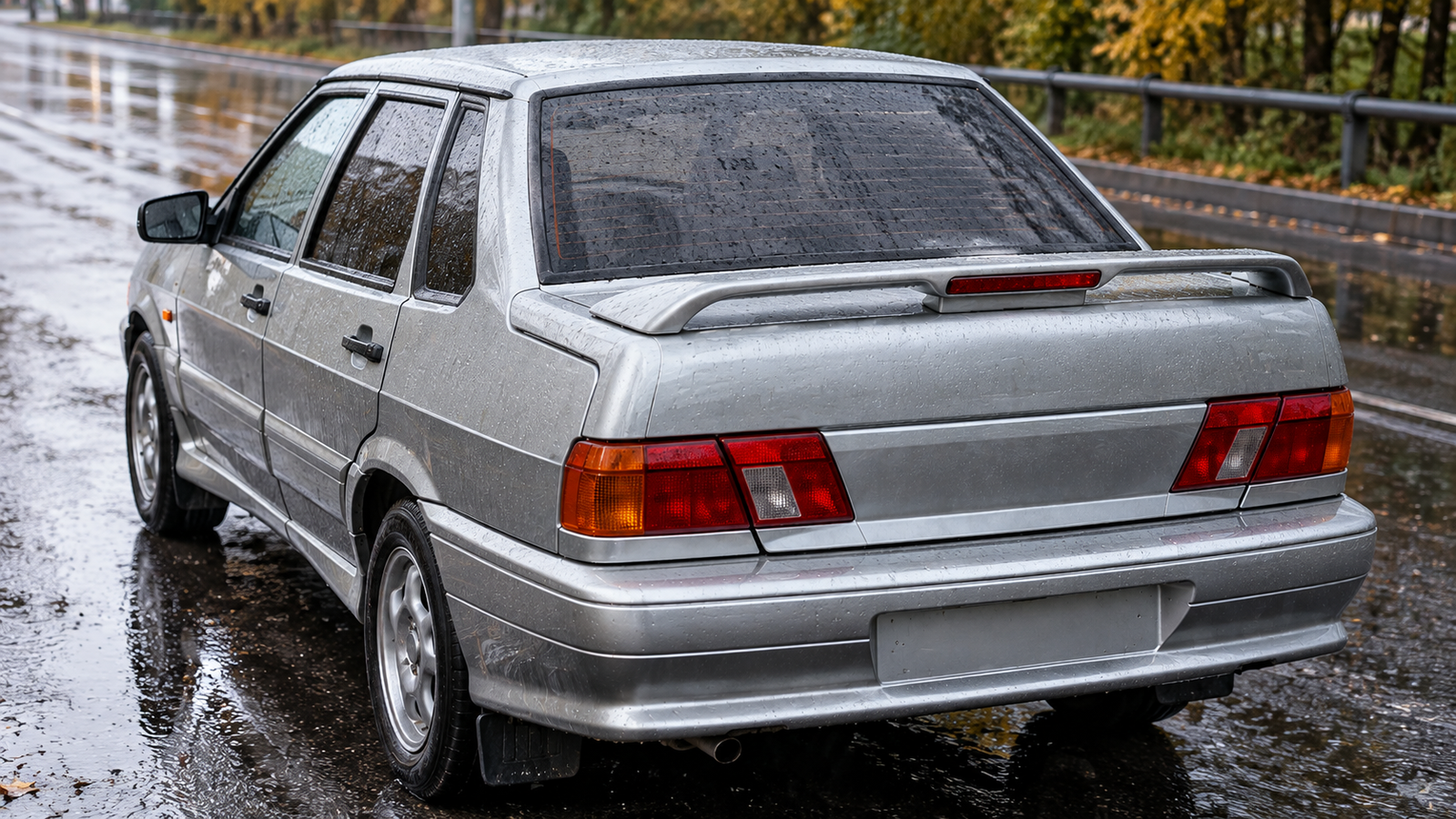
The spoiler changes the direction of the airflow around the edge of the trunk. Due to this, the conditions for airflow around the rear of the car change, and window contamination can be reduced.
This is why the part has not only decorative significance. Its shape and position are related to how the airflow leaves the car body.
2. Aerodynamic Correction
The second function is also related to the movement of air around the car. Without an additional aerodynamic element, the flow coming off the roof forms a turbulent area behind the rear of the body. The spoiler allows changing the nature of this flow and making it more organized.
For an ordinary driver, the difference is practically imperceptible: a change in aerodynamic characteristics by a few percent cannot be felt by sensations behind the wheel. However, when developing a car, even small changes in body shape matter.
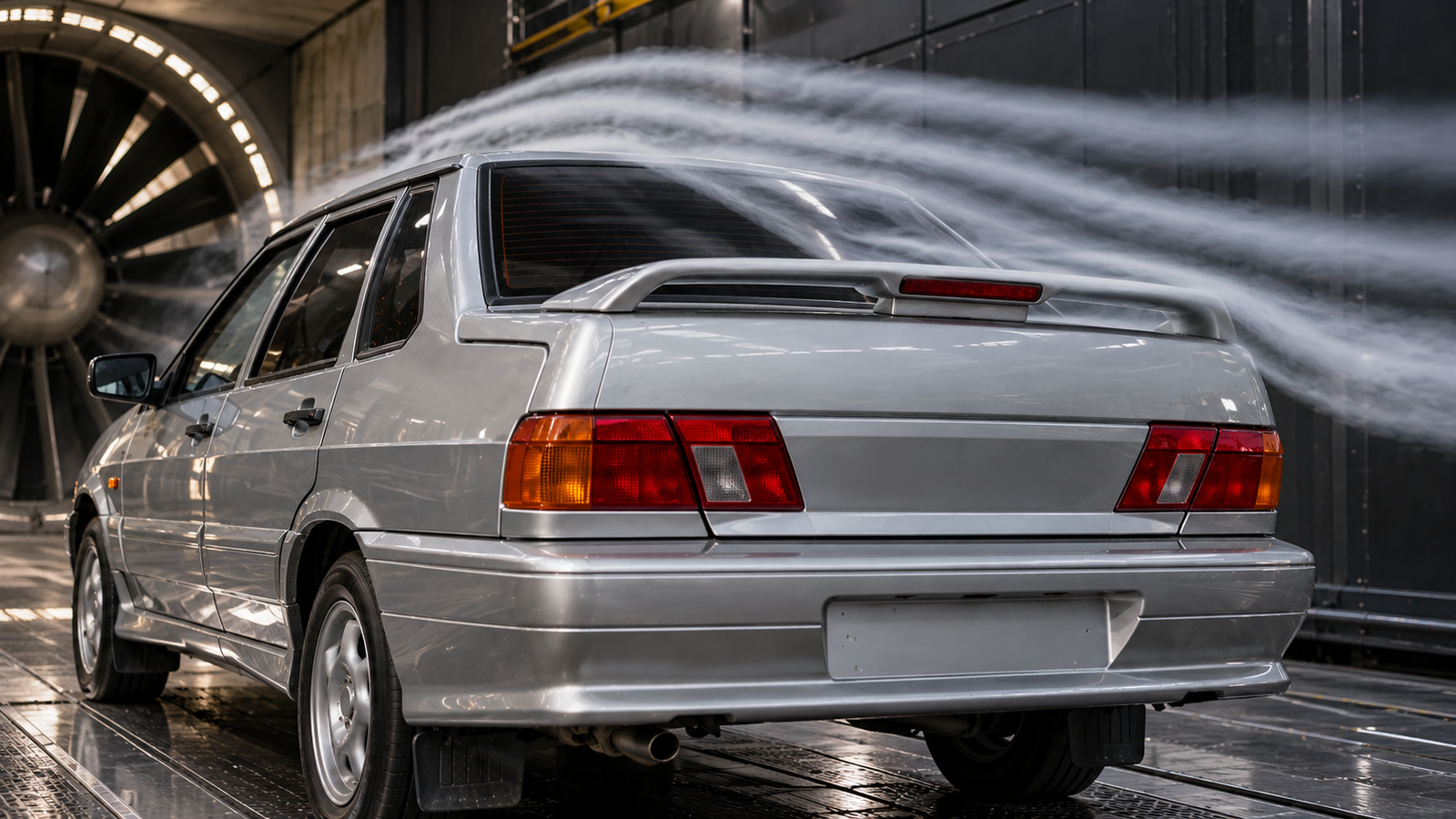
According to the data provided, the aerodynamic improvement of the VAZ-2115 with a spoiler is estimated at approximately 1.5–2%. This refers specifically to the engineering optimization of airflow, and not to the creation of noticeable downforce.
At the same time, the aerodynamic effect depends not only on the spoiler itself but also on the overall body shape, driving speed, and operating conditions.
3. Additional Brake Light
Another function is not related to aerodynamics but to safety. The VAZ-2115 spoiler has an additional brake light installed, which makes the car's braking more noticeable for following traffic participants.
This is especially relevant in heavy city traffic, at night, and when visibility is poor. The additional light source is located higher than the main taillights, so it can enter the field of vision of the driver of the following car earlier.
Thus, the spoiler design combines several different tasks:
- changing the airflow behind the body;
- reducing the tendency of the rear window to get dirty;
- housing an additional brake light.
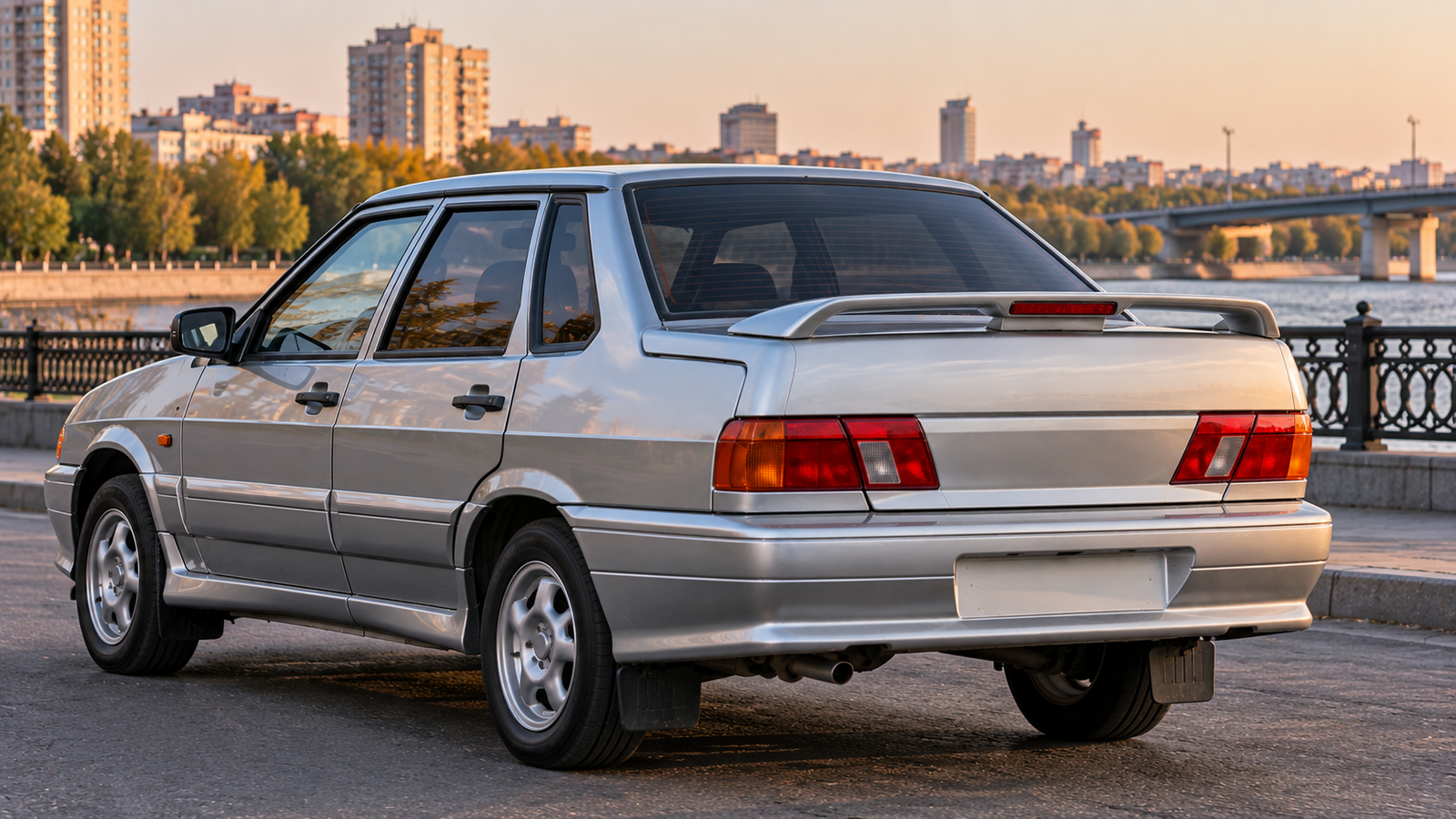
At the same time, the aesthetic role of the part cannot be completely excluded. For the VAZ-2115, the spoiler became one of the most recognizable features of its appearance. In the 2000s, such elements were associated with a sporty style, so over time, the part began to be perceived by owners not only as part of the car's design but also as a characteristic element of its image.
As a result, the standard VAZ-2115 spoiler turned out to be significantly more functional than it might seem at first glance. It is not designed to create racing downforce, but it affects the body's aerodynamics, the airflow around the rear window, and simultaneously serves as a mount for an additional brake light.
Read more articles:
- 5 things to put in your car before winter
- What to check in your spare tire before the first puncture
- Why the V10 disappeared from modern production cars
Comments