Tesla has announced the imminent completion of its first lithium iron phosphate (LFP) battery production plant in the United States. The new facility is located in Sparks, Nevada, and will be part of the Gigafactory Nevada complex expansion. Until now, the company has fully imported such components, mainly from China, for Megapack energy storage systems.
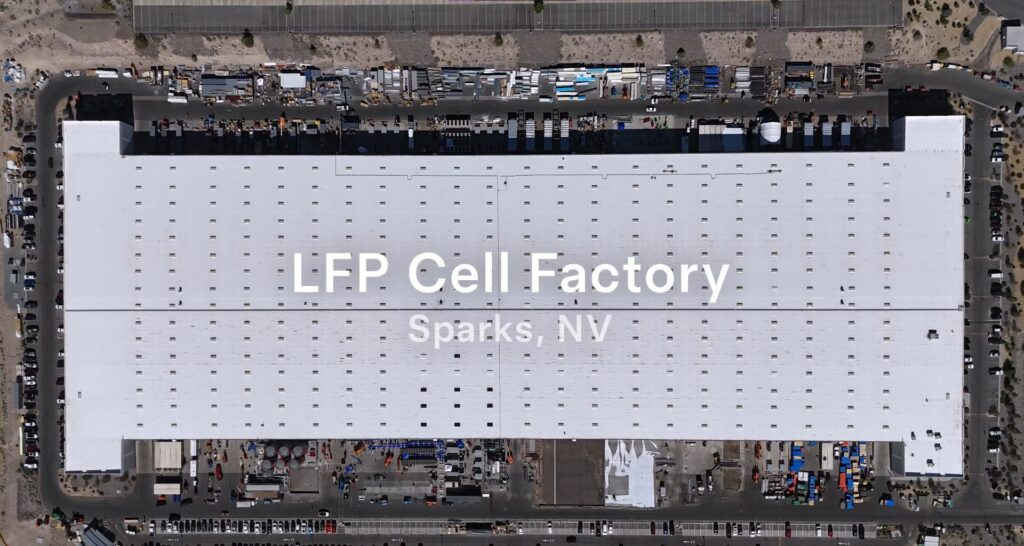
With the launch of its own production, Tesla will not only reduce its dependence on foreign supplies but will also be able to receive tax incentives under the local production support program - including the 45X credit related to electric vehicles. Previously, the company was forced to discontinue sales of models with LFP batteries in the US because they did not fall under federal subsidies. The new plant could change the situation and bring more affordable electric vehicle options back to the market.
In addition to economic benefits, localizing production reduces geopolitical risks in the supply chain. Moreover, Tesla's patents indicate the possibility of creating LFP cells cheaper than Chinese-made counterparts. This will give the company an additional advantage in the American market and strengthen its position in the energy systems segment.
In 2024, Tesla invested approximately $10 billion in expanding its production capacity in the United States. The LFP battery plant will be another step towards strengthening its industrial presence within the country and increasing technological independence.
Комментарии