The escalation of the conflict in the Middle East is beginning to affect the global automotive industry. Rising oil prices, problems with maritime transport, and uncertainty in the markets are already forcing automakers to revise their forecasts.
The rise in oil prices leads to increased costs for the automotive industry. The costs of production, as well as the transportation of components and finished cars, are increasing. This increases the pressure on manufacturers' profits, which are already limited in a number of market segments.
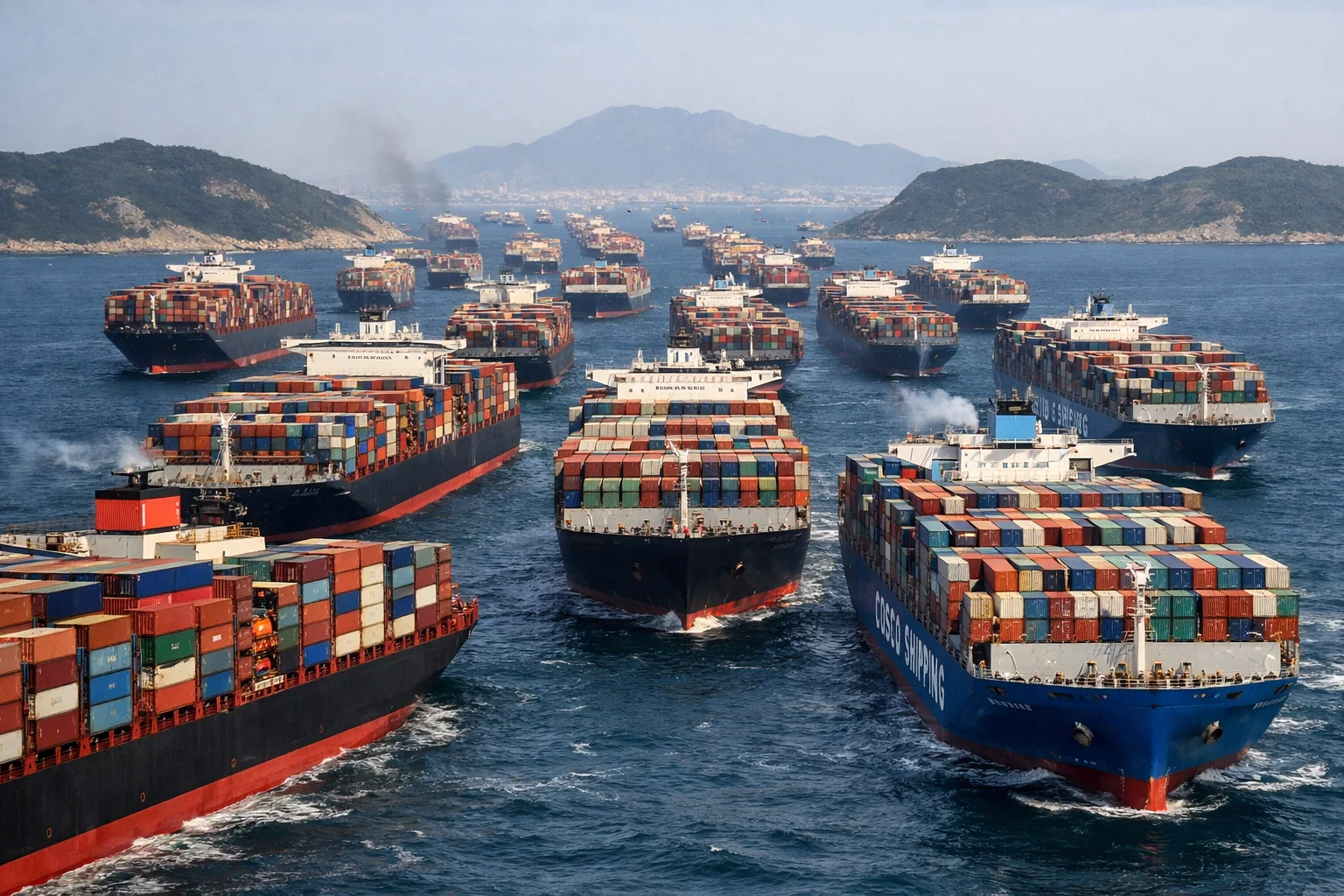
Additional risks are associated with maritime transport. Due to security threats in the region, carriers are facing delays, rising insurance rates, and slower logistics. This is especially sensitive for automakers from Asia, as a significant portion of supplies to the Middle East pass through these routes.
Japanese, Korean, Chinese, and Indian companies actively export cars to Saudi Arabia, the United Arab Emirates, and other countries in the region. Even short-term disruptions in transport routes can lead to delivery delays and increased logistics costs.
Against the backdrop of uncertainty, some companies are already adjusting production plans. For example, Toyota has decided to reduce the production of cars intended for the Middle East markets by tens of thousands of units in the coming months.
Such changes quickly affect the entire supply chain. Component manufacturers operate in conditions of limited stocks and a tight schedule, so any fluctuations in demand can lead to an excess of parts or, conversely, a shortage of them.
The economic consequences may also affect buyers. The increase in the cost of fuel and transportation increases the cost of cars. In an environment of high inflation and expensive lending, even a small increase in prices can reduce the demand for new cars.
Read more materials:
- There is a growing shortage of road workers in Russia
- The price of the new Omoda C5 for Russia has been announced
- The models of Chinese cars that are stolen most often have been revealed
Комментарии