Subaru has developed a new version of the Subaru BRZ coupe with a turbocharged engine and all-wheel drive system. However, the model was created exclusively as a rally car and is not intended for public roads.
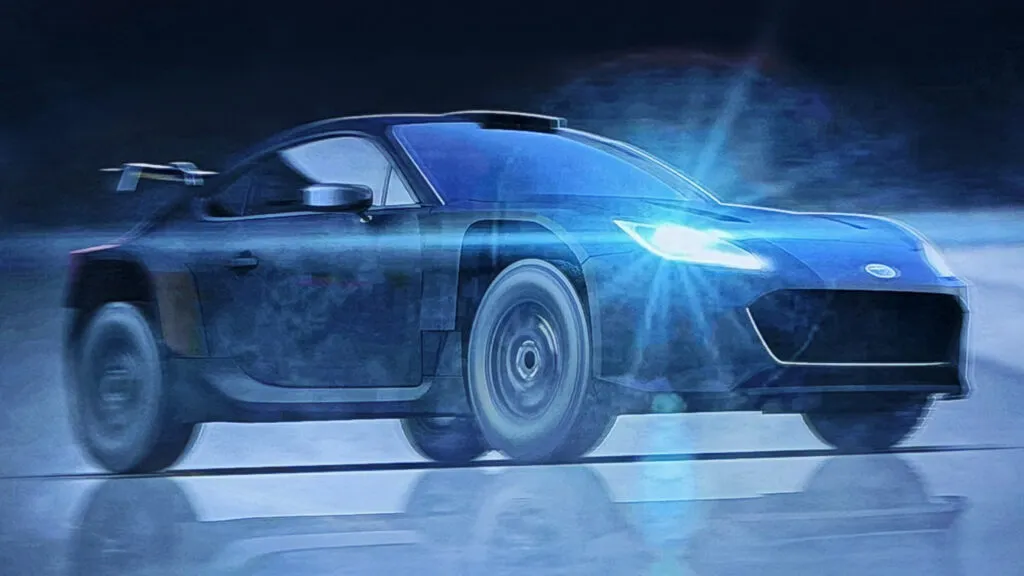
The premiere took place at the Mobility Resort Motegi track as part of the opening of the Super Taikyu series. The project was one of the first for the new Sports Vehicle Planning Office division, which will begin operations on April 1.
The Subaru BRZ rally car received increased ground clearance, widened wheel arches, and a fixed rear wing. The model is also equipped with a new front bumper, an enlarged radiator grille, a hood air intake, and a modified rear end.
Technical specifications have not yet been disclosed. At the same time, the use of a turbocharged engine and all-wheel drive has been confirmed. The production Subaru BRZ remains rear-wheel drive, so the new scheme is likely borrowed from models based on the Subaru WRX.
The car is expected to debut in the All Japan Rally Championship in the middle of the season. Japanese racer Toshihiro Arai will be behind the wheel.
Subaru has not announced plans to release a road version. At the same time, Toyota has previously demonstrated similar projects, including a concept with all-wheel drive and a turbo engine based on the GR 86.
Read more materials:
- The auto parts market wants to be taken under special control
- MAZ is testing new technology in the Far East
- Hybrids are rapidly gaining popularity in Russia
Comments