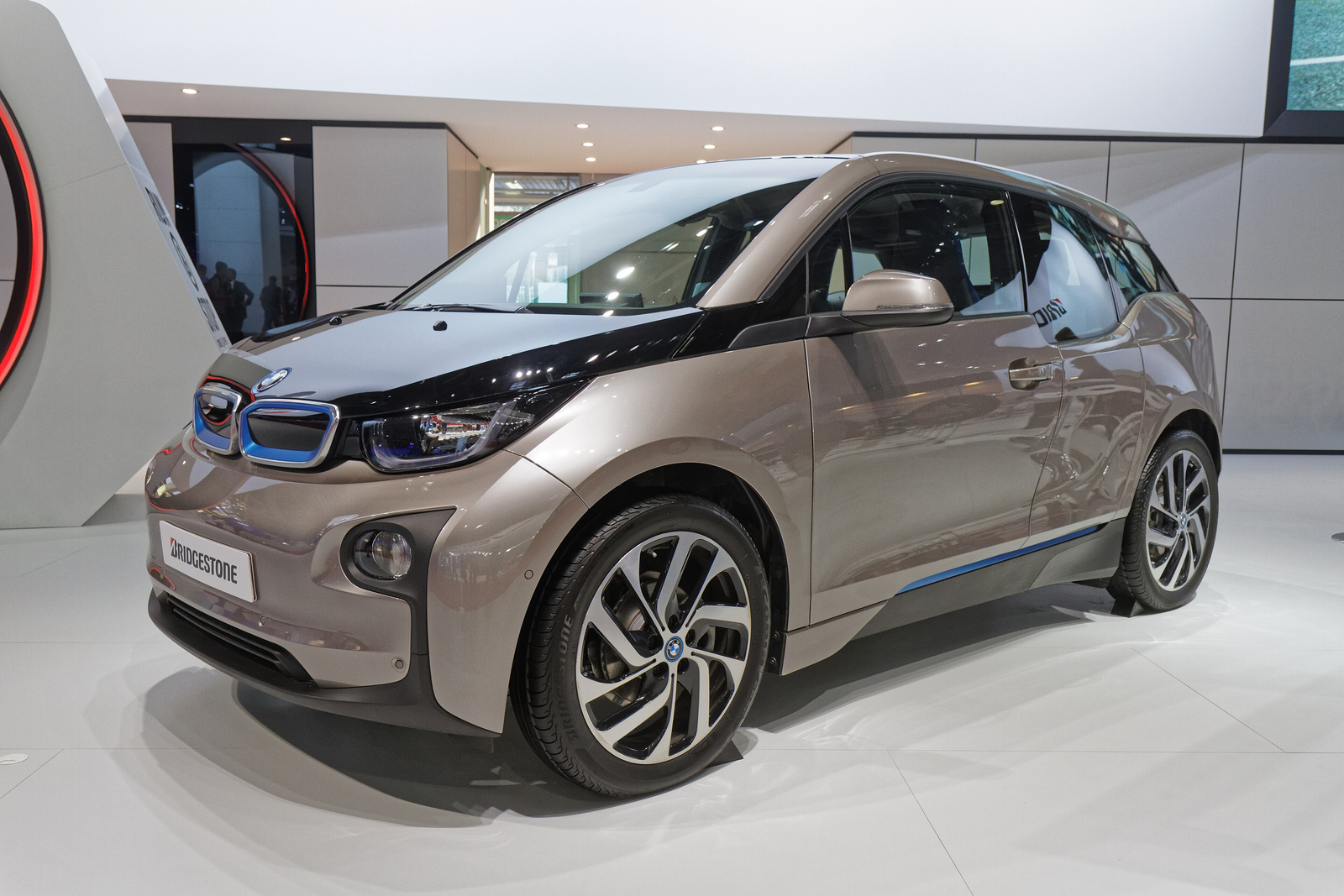
BMW has delivered its two-millionth fully electric vehicle to a customer since the launch of the first i3 in 2013. The milestone car was an i5 M60 xDrive, assembled at the Dingolfing plant and handed over to a buyer in Spain. In total, including plug-in hybrids, the BMW Group has already sold approximately 3.5 million electrified vehicles.
However, growth rates currently vary significantly by region. In the second quarter, sales of fully electric BMWs in Europe increased by 38%, to 81,445 vehicles. For the first half of the year, the share of BEVs in European BMW sales reached approximately 28%.
The new BMW iX3 on the Neue Klasse platform was the main growth driver. Since the model's release, European buyers have placed almost 100,000 orders, and the iX3 accounts for approximately one in three orders for a fully electric BMW in Europe. Within the X3 family, the share of the electric version has already reached approximately 50%.
The situation in the US is noticeably more complex. BMW sales in the country as a whole grew by 11.9% in the second quarter, but demand for the group's fully electric and plug-in hybrid vehicles decreased by 18.1%. The growth in sales of ICE vehicles offset the decline in electrified models.
This paints a telling picture: the same BMW is simultaneously experiencing rapid growth in electric vehicles in Europe and a decline in demand for them in North America. Moreover, the difference did not arise from a change in the model range — it largely reflects differences in market conditions themselves.
BMW's position is additionally noteworthy because the company has not abandoned ICE vehicles and hybrids. In the first half of the year, fully electric cars still accounted for a smaller portion of the group's global sales. This approach allows BMW to compensate for weak demand for electric vehicles with conventional versions, while not abandoning accelerated electrification where customers accept it.