BMW confirms its status as a technological leader by introducing the new Neue Klasse modular platform, created specifically for electric vehicles. It combines efficiency, adaptability, and a deep understanding of customer needs, allowing the company to create products that perfectly combine BMW's proprietary technologies and the developments of regional partners.
According to company representatives, it is the ability to detect market trends early and quickly implement innovations that makes BMW one of the most stable players in the era of global transformation of the automotive industry.
Electrification in Action
The results of the first nine months of 2025 confirm that the bet on electric vehicles was made on time. Sales of fully electric models grew by 10% year-on-year, reaching 18% of BMW's total sales. Plug-in hybrids showed even greater growth - almost 28%, which allowed the total share of electrified vehicles to be brought to 26.2%.
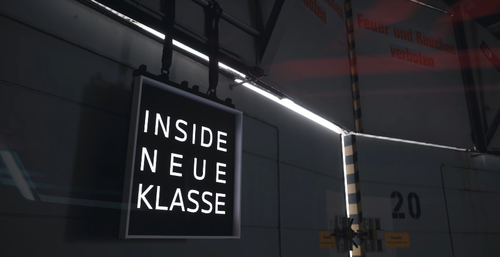
The progress is particularly evident in Europe: electric cars accounted for more than a quarter of sales here, and if hybrids are taken into account, the figure is as high as 41%. The European market will be the first to see the new BMW iX3 model, built on the Neue Klasse platform. Its launch is scheduled for 2026.
Focus on Decarbonization and Confidence in the 2025 Goals
This dynamic allows the company to confidently declare that it will fulfill its climate obligations to reduce CO₂ emissions in Europe this year. BMW representatives emphasize that this is the result of a long-term strategy, not temporary measures. The concern does not rely on benefits or workarounds, achieving its goals solely through technological progress.
Flexible Regulation Instead of Strict Deadlines
BMW is confident that the success of a technologically neutral approach is the best argument in favor of revising the European Union's plans to completely abandon internal combustion engines by 2035. The company's management warns that rigidly imposing one technology could lead to a contraction of the entire industry, job losses, and increased geopolitical dependencies.
The manufacturer believes that a comprehensive approach is needed for real climate protection - taking into account the full carbon footprint of the car, the entire value chain, and the potential of climate-neutral fuels. This path will allow taking into account the differences between markets and the level of infrastructure development, while maintaining the industrial balance of Europe.
Criticism of the EU's "Greening of Fleets" Directive
The company is skeptical about the EU's "Greening of Fleets" draft directive. According to BMW experts, the document does not reflect the real situation: many countries still have problems with charging infrastructure, as well as a lack of hydrogen refueling stations.
In addition, strict targets for commercial fleets and the exclusion of alternative technologies create artificial market distortions that do not correspond to real consumer preferences. BMW believes that EU policy should remain technologically neutral in order to support innovation, not limit it.
Freedom for Innovation - The Path to a Sustainable Future
The company is convinced that automakers should have the freedom to choose technological solutions based on customer requests and market conditions. This will allow them to effectively invest in the development of new drive systems, production facilities and infrastructure, while maintaining the competitiveness of the European automotive industry.
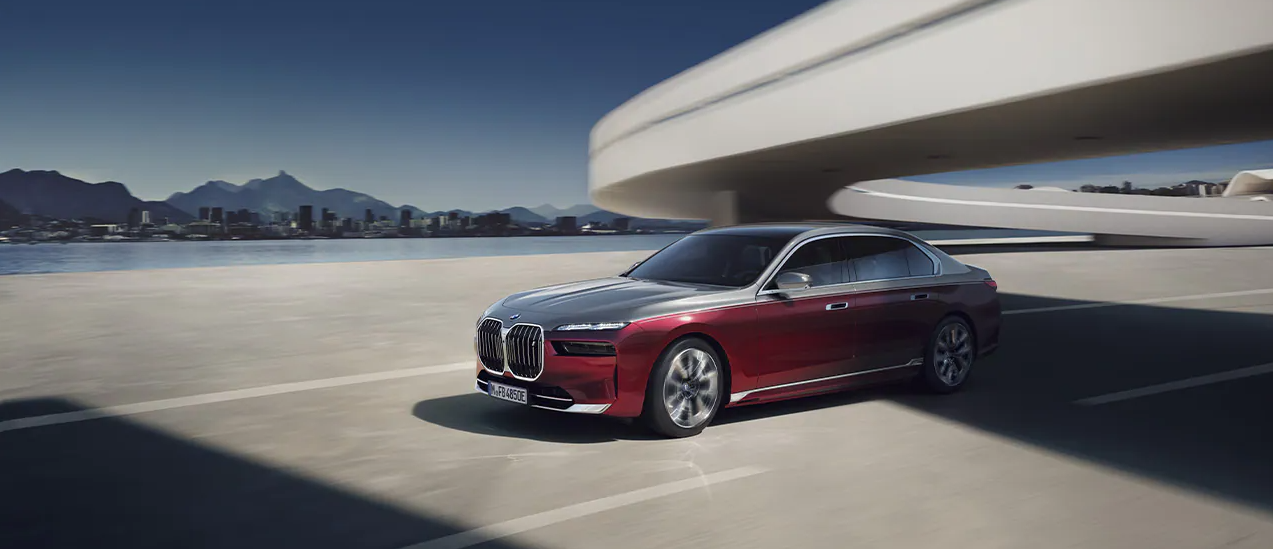
Neue Klasse is becoming not just a new platform - it is a symbol of BMW's transition to an era of sustainable, technologically flexible automotive engineering, where efficiency, innovation and environmental responsibility go hand in hand.
Read more materials on the topic:
- Premium cars will replenish the budget by a record 5 billion rubles
- The first electric car of Belarusian assembly: will Geely EX5 be able to push out Chinese imports
- Zeekr X: a Chinese crossover that makes you think
Комментарии