Acquiring a foreign car in 2025 has turned into a real quest with many obstacles - from sophisticated fraudulent schemes to unpredictable customs delays. In this article, our editorial team will try to help you understand the main risks and avoid costly mistakes.

Russian car enthusiasts still look with longing at European and Asian car markets, where the choice is wider, and prices are often more attractive. At first glance, the mechanics of buying seem elementary: choose a car, pay, wait for delivery - enjoy driving. However, this idealistic picture is mercilessly shattered by reality.
Each stage of an international car deal is fraught with traps that can turn the dream of a new car into a financial catastrophe. Even the most tempting offers can turn out to be a well-planned scam or a legal dead end, the way out of which will cost you nerves, time, and money.
1. A Treasure Trove of Fraudulent Schemes: From Virtual Sales to Leasing Traps
The first place in the ranking of risks is confidently held by various fraudulent schemes. A particularly sophisticated method is the so-called "leasing trap." The mechanism is simple and therefore effective: unscrupulous dealers lease a car to a foreign company, and then sell it to unsuspecting buyers using skillfully forged documents. After several months of non-payment, the leasing company declares the car wanted, and it ends up in Interpol databases. As a result, Russian law enforcement agencies arrest the car, and the bona fide buyer is left without transport and without the money spent.

No less common is the scheme with "phantom intermediaries." These masters of illusion show potential clients photos of cars from European parking lots, collect substantial prepayments, and plunge into an endless series of promises and excuses. The ending of the story is variable: from a partial refund "minus expenses incurred" to the complete disappearance of the company with all your money.
Modern swindlers show real ingenuity: they borrow video reviews of real cars from YouTube and use them in their ads, creating the illusion of a "freshly imported car from Europe," although in reality the car has long been sold to another buyer or does not exist at all.
2. Payment Maze: When Money Goes Nowhere
Complex payment schemes through a chain of intermediaries in different countries make the buyer particularly vulnerable. A typical situation: you transfer money to a foreign intermediary who is supposed to buy the car from a dealer, but for some reason this does not happen. Getting your money back becomes an almost impossible task, especially if the chain involves companies from different countries with different jurisdictions. Litigation in such cases can drag on for years without a guarantee of a positive outcome.

The situation is complicated by the fact that many foreign companies do not accept direct payments from Russia, requiring the use of intermediaries or complex payment chains, which further complicates control over the movement of funds and subsequent challenging of transactions.
3. Dangers of "Preferential" Customs Clearance
Trying to save on customs duties by registering a car through citizens of the EAEU countries often turns into a complete loss of investment. If such a "beneficiary" suddenly loses their status, changes their decision, or simply disappears before the completion of customs clearance, the buyer finds themselves in a legal vacuum: the car cannot be registered in their name, and it is impossible to get the money back without lengthy litigation.
Moreover, such schemes are increasingly coming under the close attention of customs authorities, which leads to additional checks and delays in registration. In the worst case, this may qualify as an attempt to evade customs payments with all the ensuing legal consequences.
4. Tax Puzzles: When VAT Becomes a Problem
Customs services in Germany, Poland, and the Baltic countries have significantly tightened control over the export of cars for which VAT (approximately 19% of the cost) has been refunded. Now they require an extended package of documents, meticulously track the route of the car, and conduct additional checks. The registration process can take weeks or even months.
In case of refusal to export the car, you have to go through a complex re-export procedure, which restarts the whole process. At the same time, there is no guarantee of successful completion: the car may "get stuck" at the border for an indefinite period, and the buyer will be forced to pay for storage and other related expenses without the possibility of using the car.
5. Transport Risks: When Savings Lead to Losses
The desire to save on car delivery can result in serious financial losses. Unscrupulous carriers often do not include full insurance in their services, which customers only find out after discovering damage. There are numerous cases when expensive optical elements or exclusive decorative details disappeared from premium cars during reloading from a temporary storage warehouse.
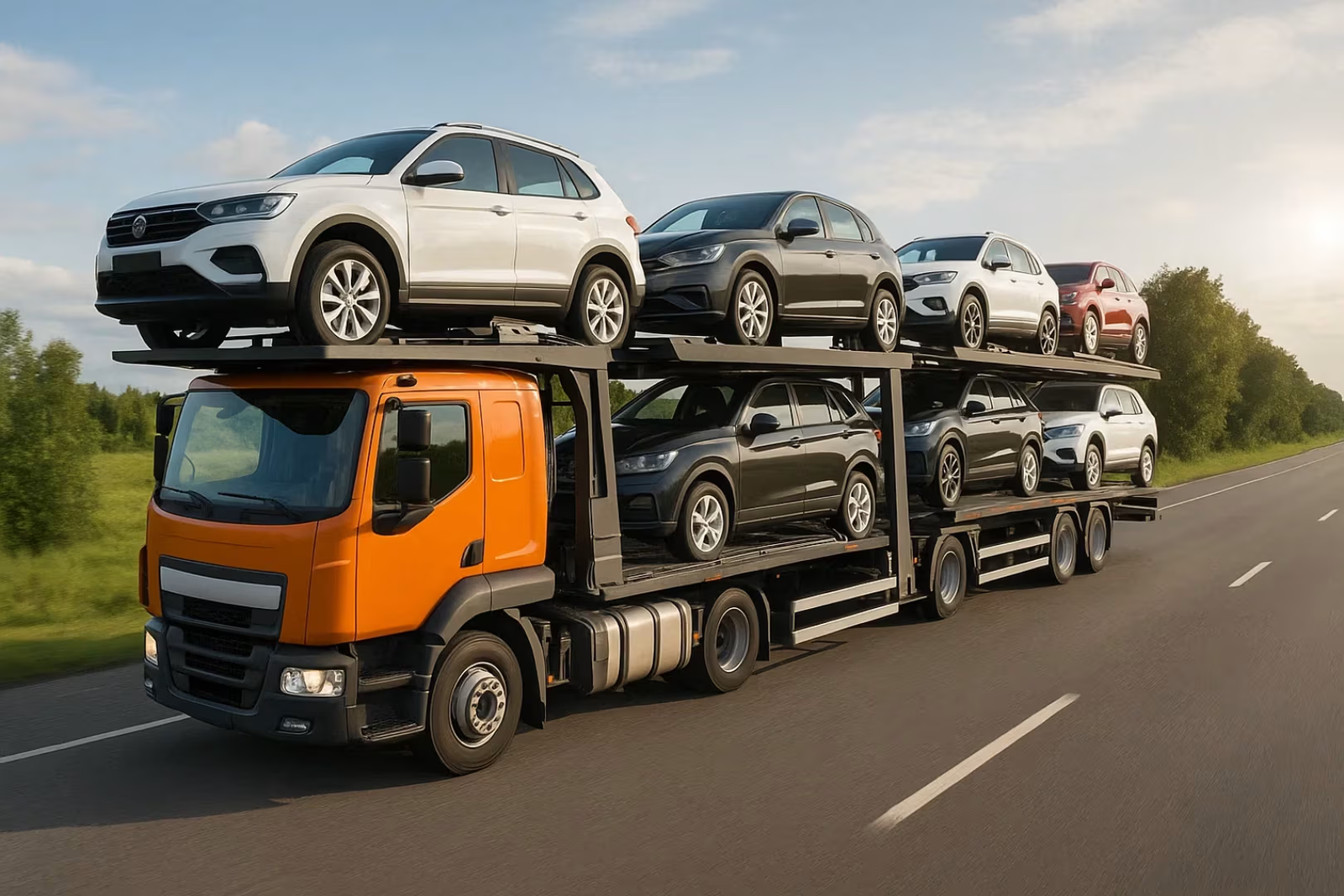
Practice shows that even expensive cars are sometimes transported in the same container with household appliances or spare parts to save space. Sometimes foreign objects are placed directly in the cabin, which leads to scratches, stains on the upholstery, and other damage that significantly reduces the value of the car.
6. Customs Delays: When Other People's Mistakes Become Your Problem
If a transport company transports several cars in one container, problems with documents for at least one of them can lead to a delay of the entire cargo. In such situations, the customs clearance process can take weeks or months.
Although in most cases the car will still be given to the owner, no one will compensate for the lost time, nerves, and lost profits. Moreover, prolonged storage in a customs warehouse sometimes leads to technical problems: battery discharge, tire pressure drop, and other troubles that require additional costs.
7. Technical Surprises: When Reality Shatters Expectations
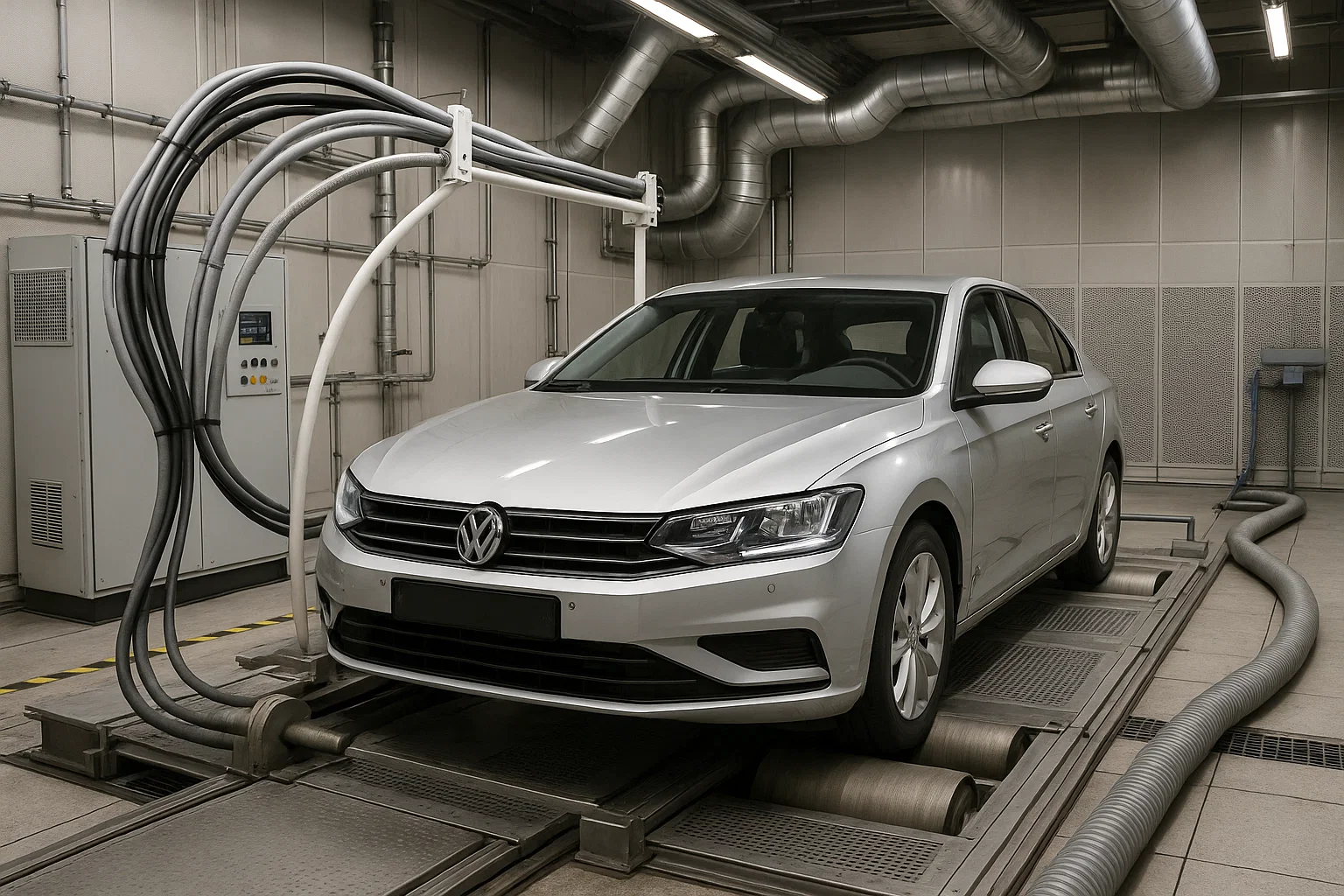
Even when buying a car from official dealers abroad, there is a significant risk of getting a vehicle with a distorted history. The mileage may be adjusted, traces of body repair carefully hidden, and data on serious accidents simply deleted from available databases.
Remote checks rarely reveal all such manipulations, especially if the seller provides a specially prepared report. Without a thorough independent diagnosis before buying, there is a high risk of acquiring a car that will soon require expensive repairs after operation.
Many Russian buyers mistakenly believe that the European car market functions exclusively according to strict rules, but reality refutes these naive ideas. Increasingly, schemes are appearing on the market specifically designed for foreign buyers who find it difficult to quickly verify the legal purity of the transaction and the technical condition of the car.
Acquiring a car abroad in modern conditions has turned into a complex multi-stage project, where cost is only one of many factors requiring attention. An impeccable reputation of the seller, transparency of all documents, and independent technical expertise have become mandatory conditions for minimizing risks.
Remember: if the offer looks suspiciously advantageous, the probability of a catch is close to 100%. In the world of international car trade, the golden rule remains unchanged: thorough verification and healthy skepticism are your best insurance against financial losses and disappointments.
Read more materials on the topic:
- Hundreds of New Skoda Kodiaqs Brought to Russia for 2.5 Million Rubles
- Russians Honestly Explained the Need to Increase the Recycling Fee
- Japanese Second-String Hero: The History of the Honda Prelude
Комментарии