Starting in 2026, Chinese manufacturers of battery packs for electric vehicles will be required to report the carbon emissions of their products, according to the Ministry of Industry and Information Technology of China (MIIT). The pilot program will begin with representative battery models, with full reporting expected in 2027. The initiative aims to create a systematic platform for monitoring, verifying, and managing the carbon footprint of batteries, providing companies with a secure space for data collection and analysis.
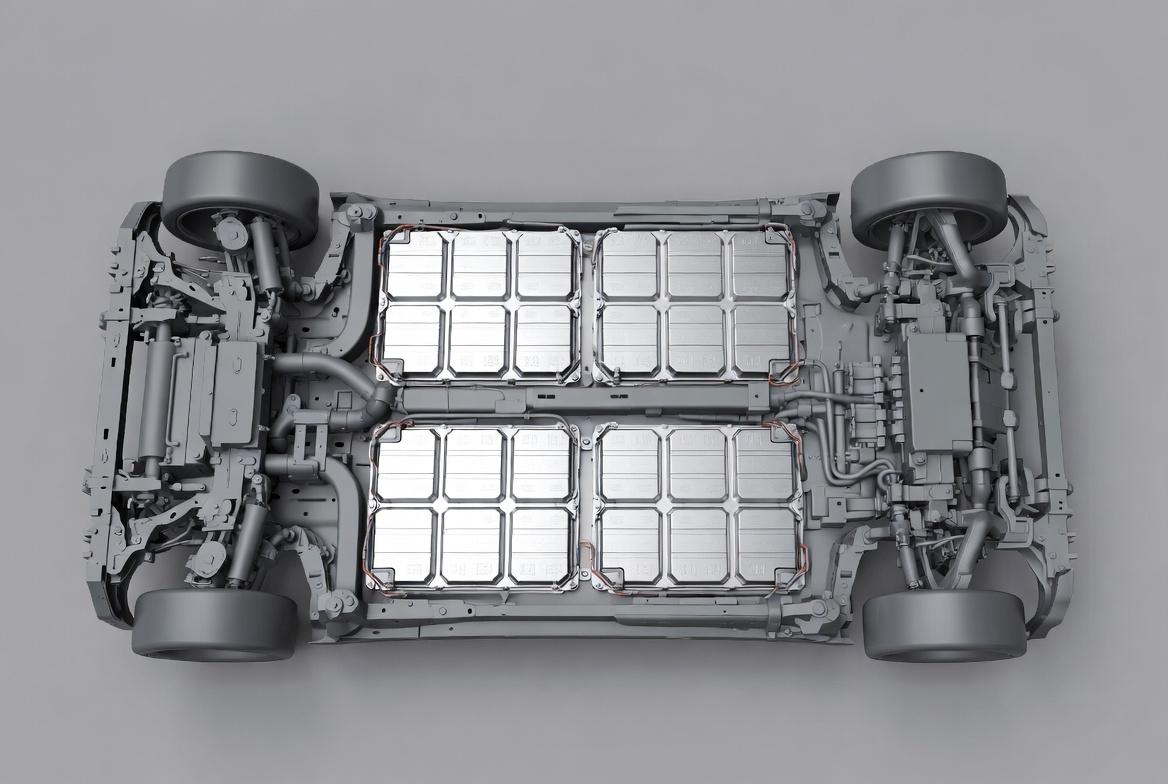
Batteries are the main source of emissions throughout the lifecycle of electric vehicles, especially high-energy lithium-ion batteries. Lithium iron phosphate batteries have a smaller carbon footprint, making standardized measurement of the battery lifecycle critical. International regulators, including the European Union, already require reporting at the individual product level, increasing the importance of accurate data for the export competitiveness of Chinese electric vehicles and the achievement of national carbon neutrality goals.
The program provides for structured carbon footprint management, including standards, a data platform, monitoring, independent verification, and assessment. Manufacturers will provide data on representative products in 2026, gradually expanding to all battery models. The report covers four stages of the lifecycle: extraction and preparation of materials, battery production, transportation, and recycling, with emissions normalized relative to the energy produced by the battery.
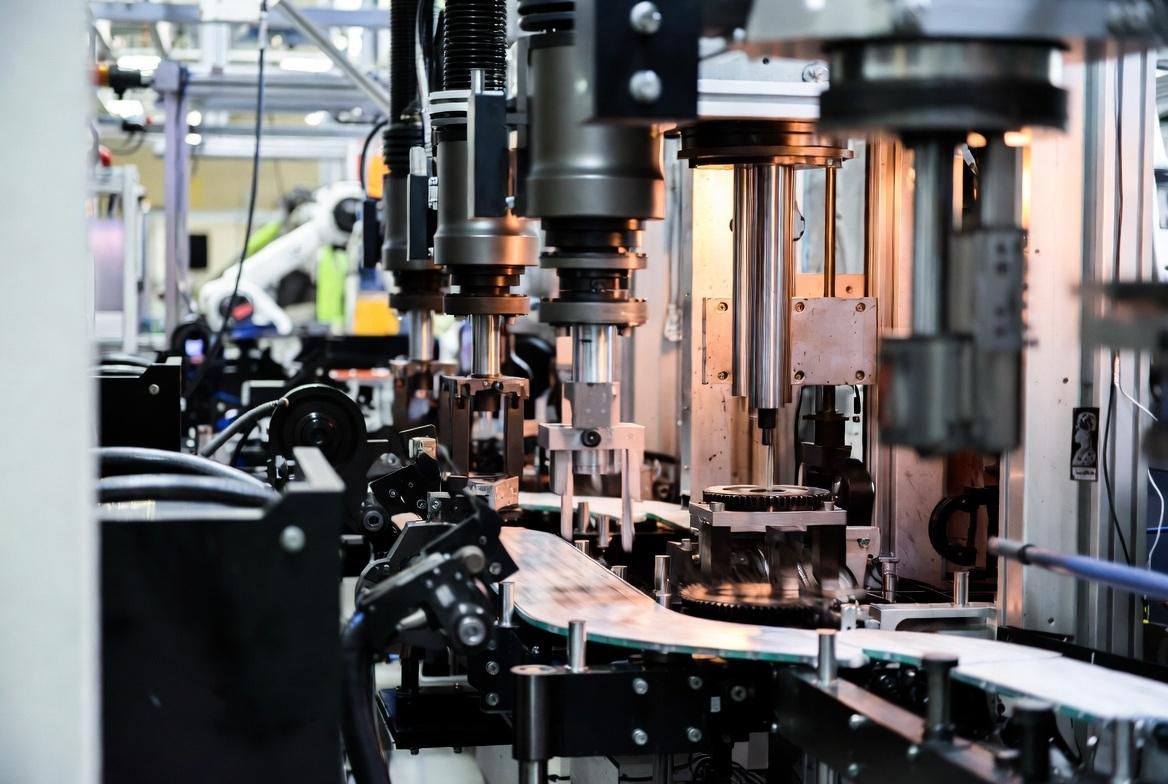
The methodology takes into account the consumption of energy and materials at each stage, as well as background emission factors for raw materials, energy sources, and components. Regional characteristics of the electricity sector and the availability of "green" certificates are integrated to accurately calculate the carbon footprint throughout China. The use of national battery cycles allows harmonizing domestic practices with international lifecycle assessment standards.
The system involves battery manufacturers, suppliers of raw materials and components, independent auditors, universities, and research institutes. Manufacturers upload data and coordinate verification with auditors, suppliers provide information on components and logistics, and experts provide methodological support and updates to the background factor database. This comprehensive approach creates a transparent and secure system capable of ensuring data reliability.
MIIT plans to use the results of the pilot project to refine standards and develop supporting policies in conjunction with other government agencies, including the State Administration for Market Regulation. The main goal is to confirm data quality, platform reliability, and system effectiveness before large-scale implementation of mandatory reporting in 2027. The program infographic demonstrates a closed loop of operation: data collection, verification, integration into the database, report generation, and analysis with feedback.
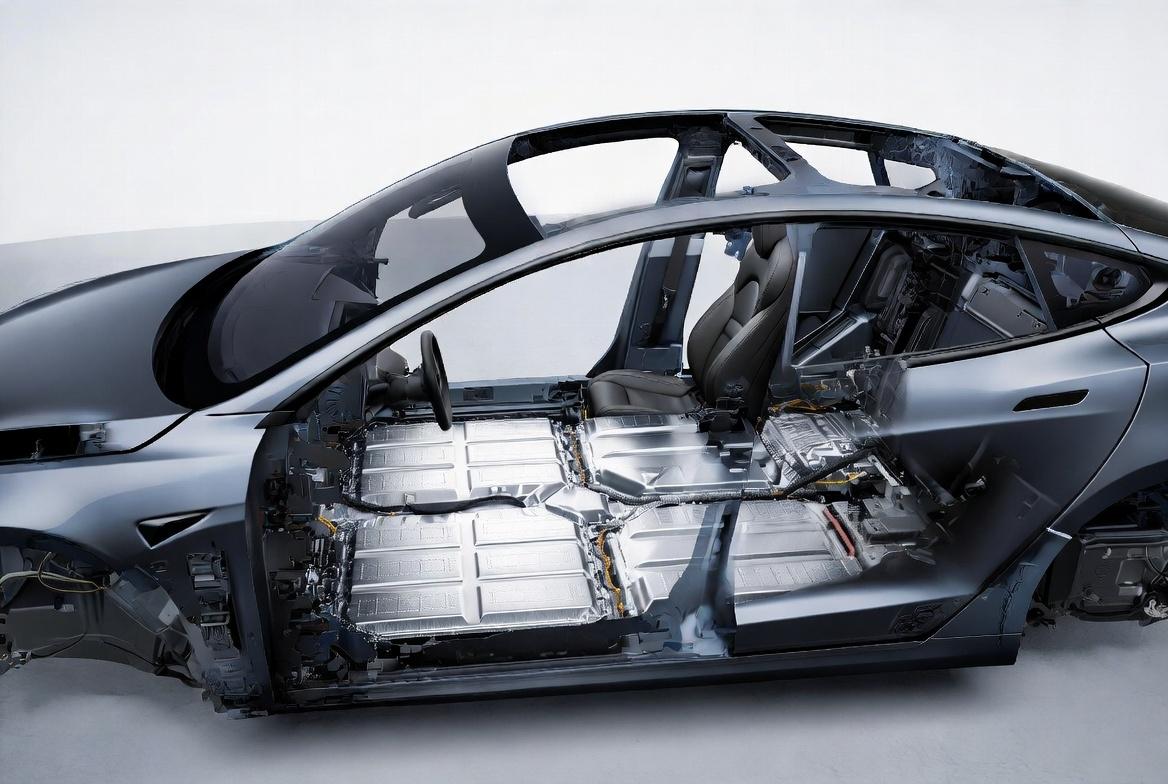
The implementation of a battery carbon footprint reporting system is expected to strengthen the sustainability of the Chinese electric vehicle supply chain, increase transparency, and ensure international recognition of emissions data.
Read more materials:
- AvtoVAZ Officially Explains Which Gasoline to Use in Lada
- Moskvich Announces Prices for the Moskvich 6 Sedan, 2026 Model Year
- Tank Raises Prices for Entire Model Range in Russia: Tank 500, 700, and 400 Become More Expensive
Comments