In the world of automotive engineering, there are engines that have become legends due to their lifespan, power, or engineering elegance. But there is also an opposite list — power units that have become a warning to the entire industry. They are united by one thing: miscalculations in design or excessive faith in technologies that are not ready for real operation. We are not talking about minor "teething problems," but about systemic errors that can turn car ownership into an endless series of repairs.
When Technologies Were Ahead of Their Time
A textbook example is the Cadillac V8-6-4. In 1981, it was the first production engine with a cylinder deactivation system. The idea of fuel economy looked revolutionary, but the electronics of the early 1980s were not ready to control complex hydraulics. Drivers faced jerks, chaotic switching between modes, and sudden loss of power. The technology, which has become the norm today, then suffered a serious reputational blow.
Even more painful was the failure of the Oldsmobile V8 Diesel, created by General Motors in the midst of the fuel crisis. In fact, the gasoline V8 was hastily adapted for diesel fuel. Insufficient structural strength led to frequent breakdowns as early as 50 thousand kilometers of mileage. This case undermined the confidence of American buyers in diesel cars for years.
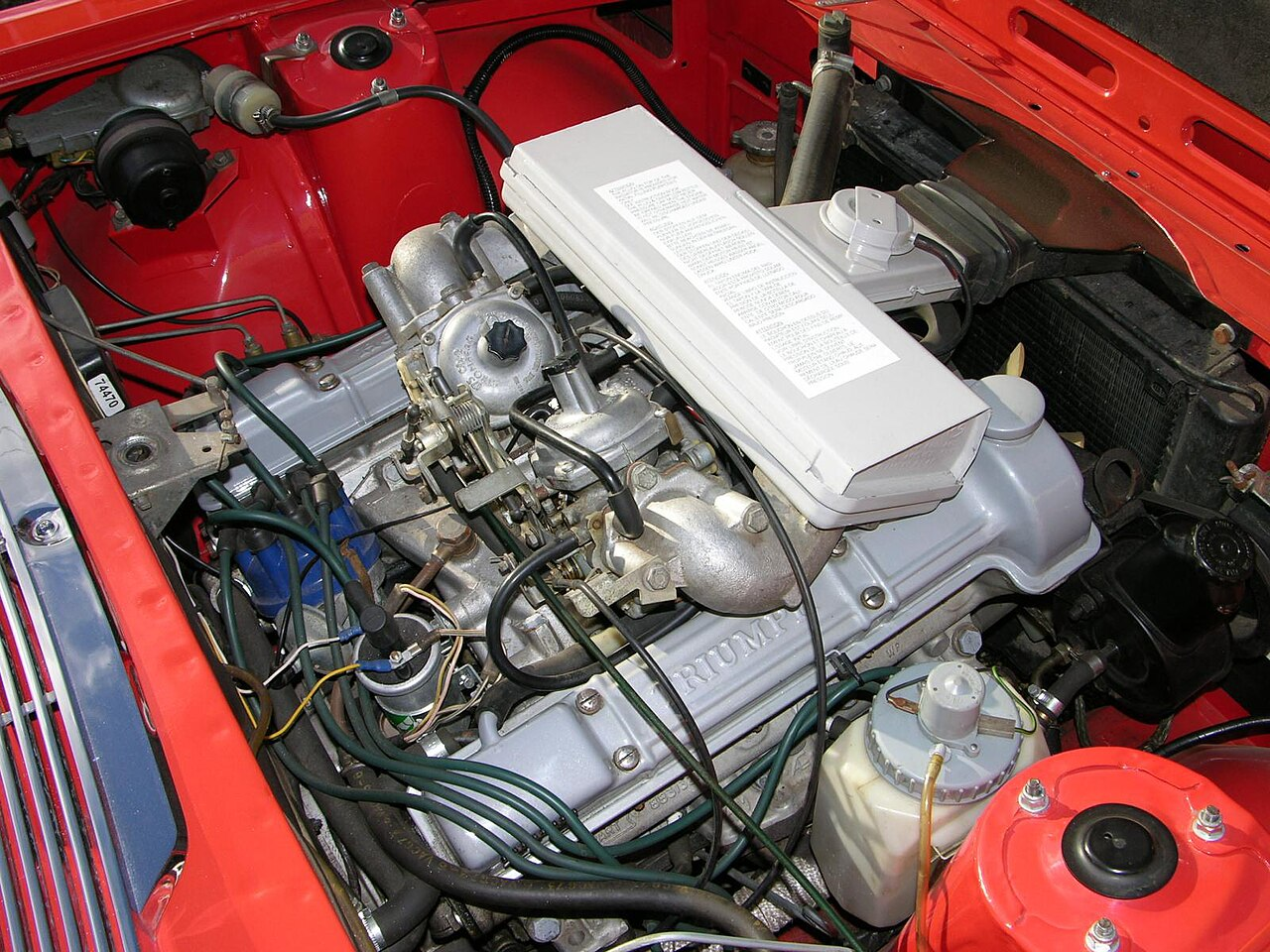
British manufacturers also made their mark. The Triumph Stag V8's inherent problem was the cooling system: overheating led to deformation of the aluminum heads and regular replacement of gaskets. And the complex and capricious Jaguar V12 combined overheating, laborious maintenance, and unstable electrical systems. Owners often spent more time in the service center than behind the wheel.
The Era of "Oil Consumption" and Scoring
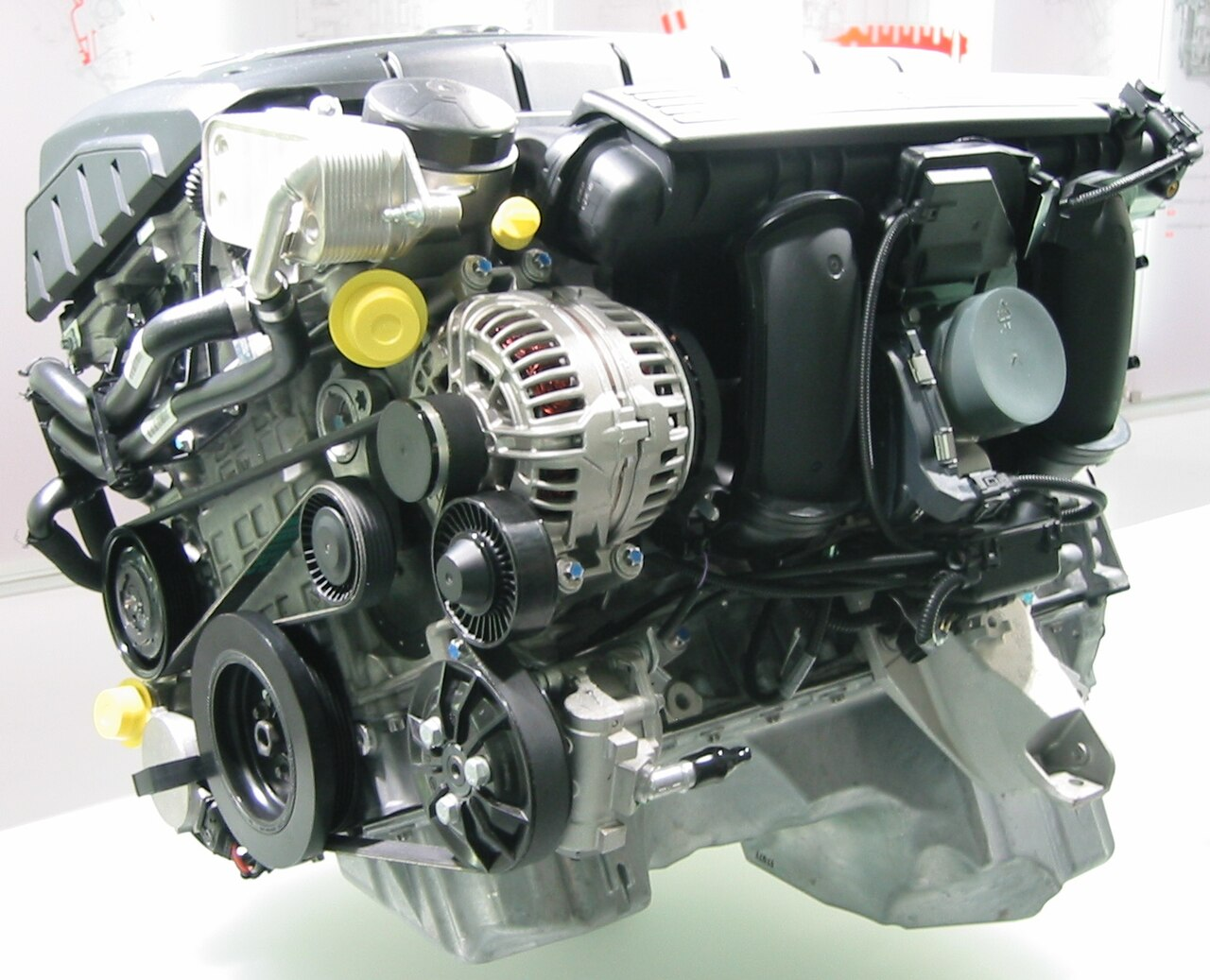
Modern engines have introduced a new problem — pathological oil consumption. The high-tech inline "six" BMW N52 could consume up to a liter of oil per thousand kilometers. The reason was the coking of oil scraper rings. The situation was aggravated by the absence of the usual oil level dipstick — control was carried out electronically.
Even more resonant was the case with the Volkswagen EA888 Gen 2. Defects in the piston group and cylinder coating led to accelerated wear and the formation of scoring. Oil appetite was combined with expensive overhauls, which became a widespread phenomenon.
The problem did not bypass the Japanese auto industry either. The Toyota 1ZZ-FE engine, installed on popular models, suffered from an unsuccessful ring design, which caused increased oil consumption and premature failure of catalytic converters.
Korean manufacturers also suffered serious reputational losses. The Hyundai Theta II family was under attack due to cylinder scoring and destruction of connecting rod bearings. Large-scale recall campaigns cost companies billions of dollars.
Timing Chains and Overheating as a Verdict
In the 2000s, owners of Volkswagen models faced problems with the chain drive of the timing mechanism on Volkswagen EA111 series engines. An unreliable tensioner provoked chain stretching as early as 50–70 thousand kilometers of mileage. A jump almost always ended with damage to the valves.
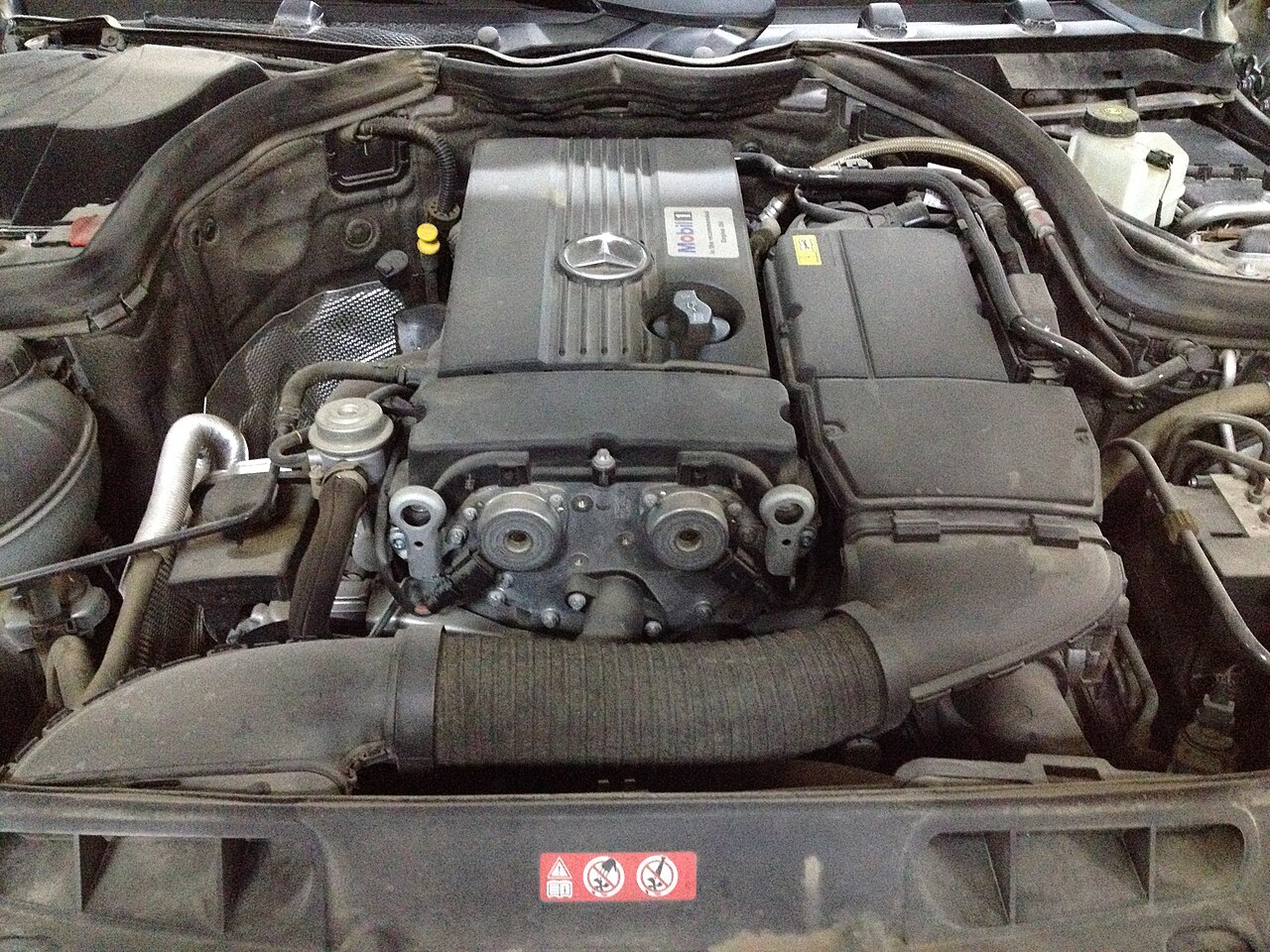
Mercedes-Benz also did not avoid miscalculations: the Mercedes-Benz M271 engine had a limited timing chain life. Its wear threatened expensive repairs to the phase shifters and the risk of breakage.
The engineering boldness of BMW turned into problems in the case of the BMW N63. The turbochargers were placed in the collapse of the cylinder block, which ensured compactness, but caused extreme heating. Overheating led to rapid aging of seals, problems with the lubrication system, and significant oil consumption.
Exotics with Character
The Mazda 13B Renesis rotary engine, installed on sports models, required impeccable maintenance and regular oil changes. Its lifespan was often limited, and a major overhaul was complex and expensive.
An unusual experiment was the Volkswagen W8, developed for the Volkswagen Passat B5 business sedan. The compact layout made maintenance extremely laborious. High fuel consumption and complexity of repair did not allow the engine to stay in production for long.
The stories of these units show that innovation without sufficient development, saving on materials, or excessive complexity of design can lead to large-scale problems. For manufacturers, such errors result in financial losses and a blow to reputation. For buyers — expensive repairs and disappointment.
However, it is through such failures that the industry gains invaluable experience. Each unsuccessful engine becomes a lesson that forms more reliable and technological solutions for the future.
Read more materials:
- Three pedals are back in the game: what Subaru has planned
- New standard questioned popular steering wheels
- Stellantis quietly revised its bet on electric vehicles