The European car market has traditionally differed from the Russian one. Large crossovers and SUVs have never been in mass demand here: buyers have opted for compact hatchbacks, convenient for dense urban environments. Strict environmental requirements also play a significant role, which is why cars for EU countries are more often equipped with small-displacement engines, hybrid systems, or fully electric power units. Nevertheless, in the current realities, certain points of contact can be found between the European and Russian markets.
At the end of 2025, the European car market demonstrated moderate growth — plus 2.5% compared to the same period last year. At the same time, cars with traditional internal combustion engines are gradually giving way to hybrid and electric versions. Another pronounced trend is the multiple increase in sales of Chinese brands.
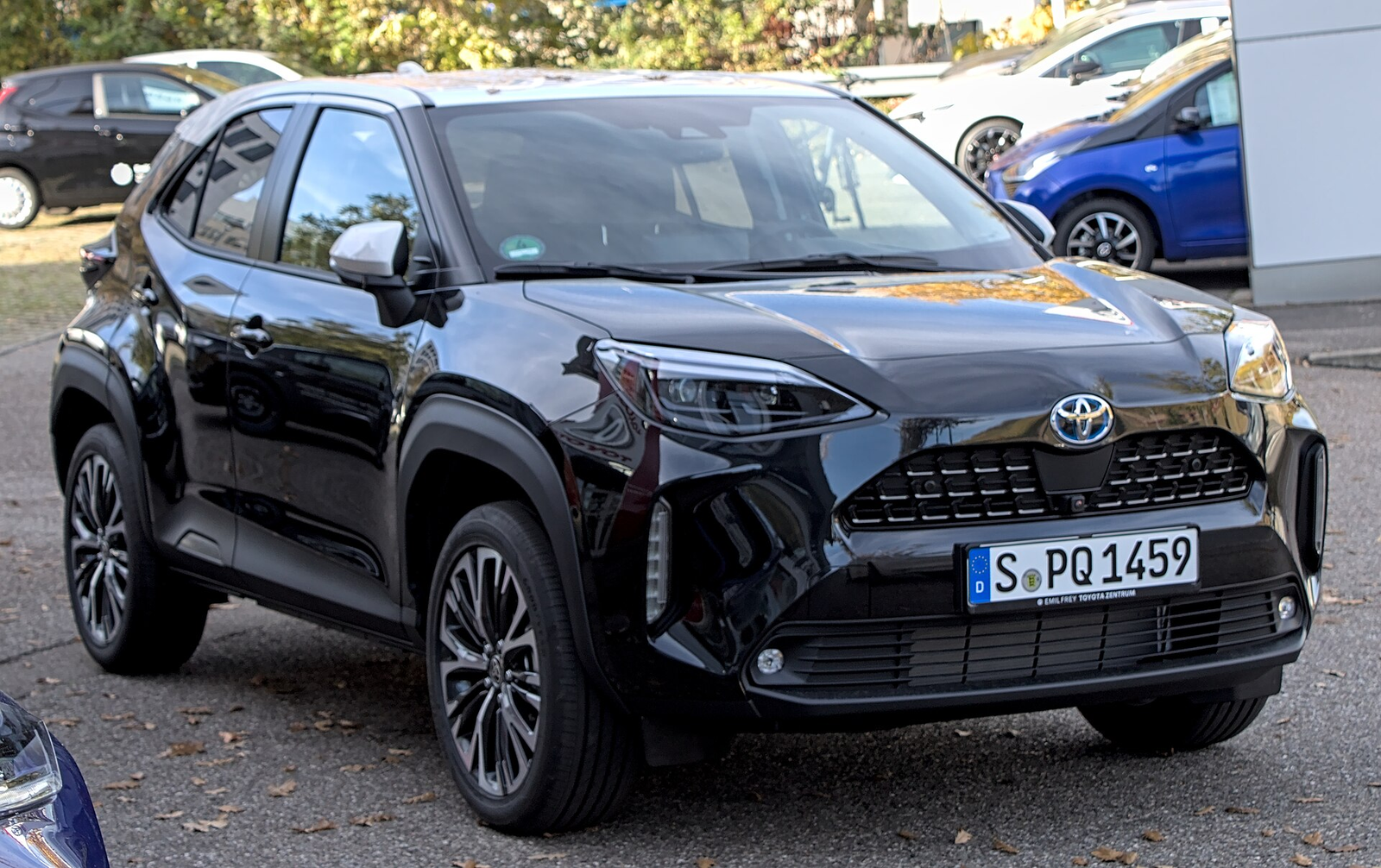
The Toyota Yaris Cross took fifth place in terms of sales volume. This compact Japanese hatchback with increased ground clearance is especially in demand in countries with less than perfect road surfaces. The model cannot be classified as one of the technological flagships, but it is characterized by reliability, high liquidity in the secondary market, and ease of operation — factors that remain key for the European consumer.
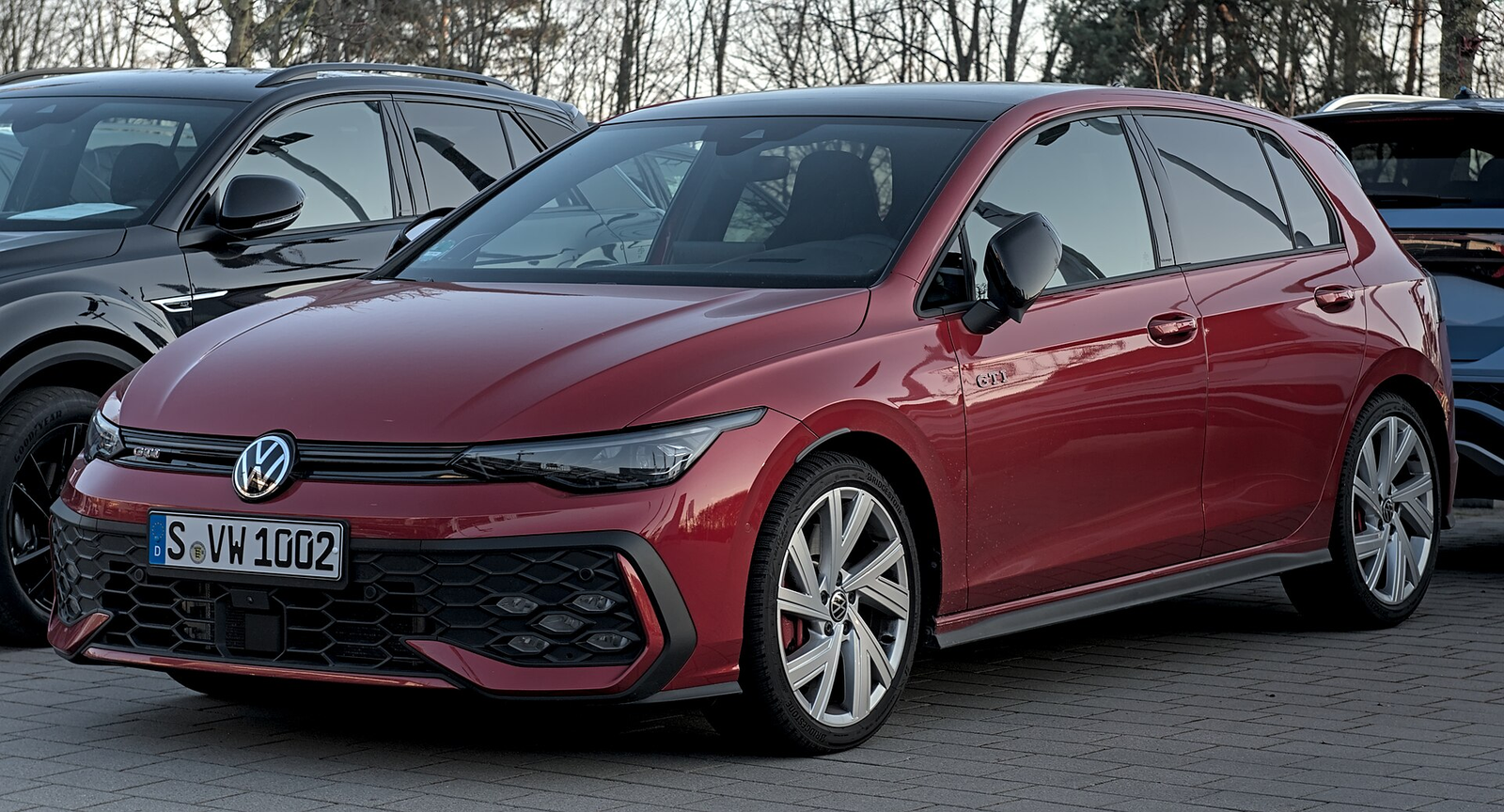
The Volkswagen Golf took fourth place. The hatchback has long been considered an absolute bestseller in Europe, but is now gradually losing ground. At the same time, it is the Golf that shows parallels with the Russian market: the model is actively supplied through parallel import channels and is among the most popular cars among unofficial supplies.
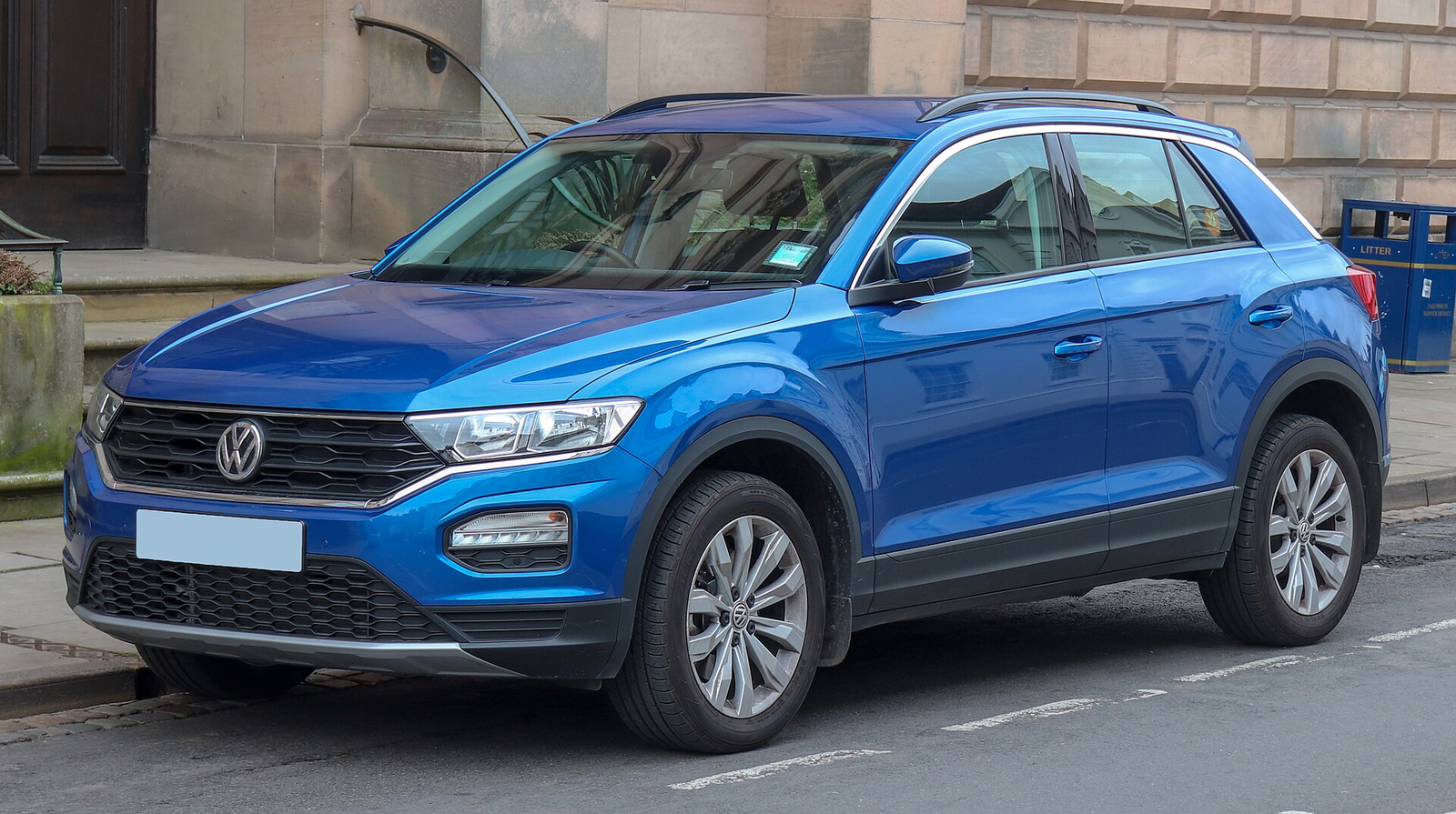
A higher position in the ranking was taken by the Volkswagen T-Roc. The compact crossover managed to overtake the Golf and established itself as a leader within the brand. The T-Roc is also supplied to Russia through parallel imports, mainly from China. In terms of technical architecture, it is largely similar to the VW Golf, but the increased ground clearance has made the model more popular.
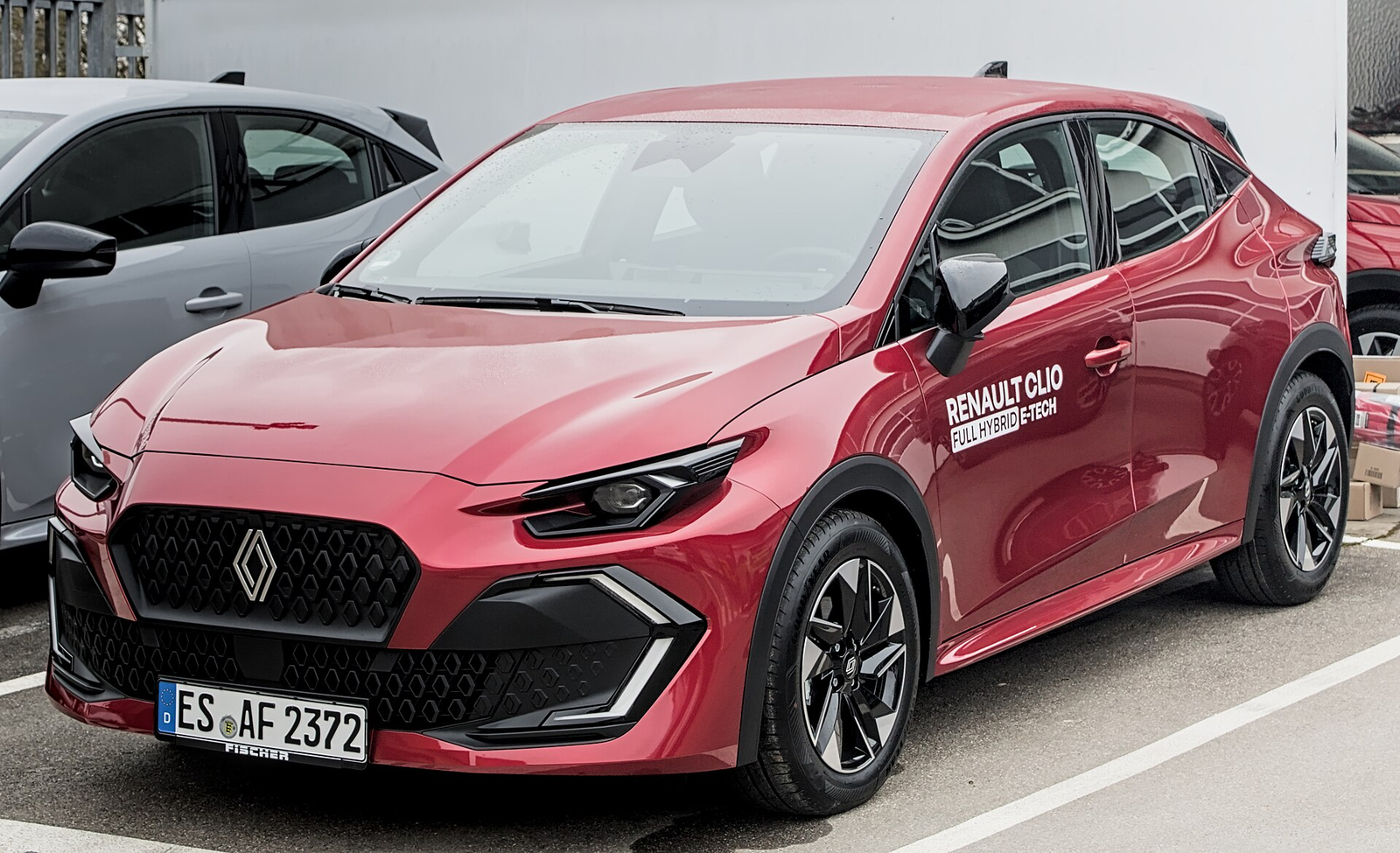
In second place was not the most obvious participant in the list — the Renault Clio. The hatchback successfully combined an expressive design and a hybrid power plant, which has proven itself well in European operating conditions. At a relatively affordable price, the Clio is comparable to more expensive competitors in terms of a number of characteristics.
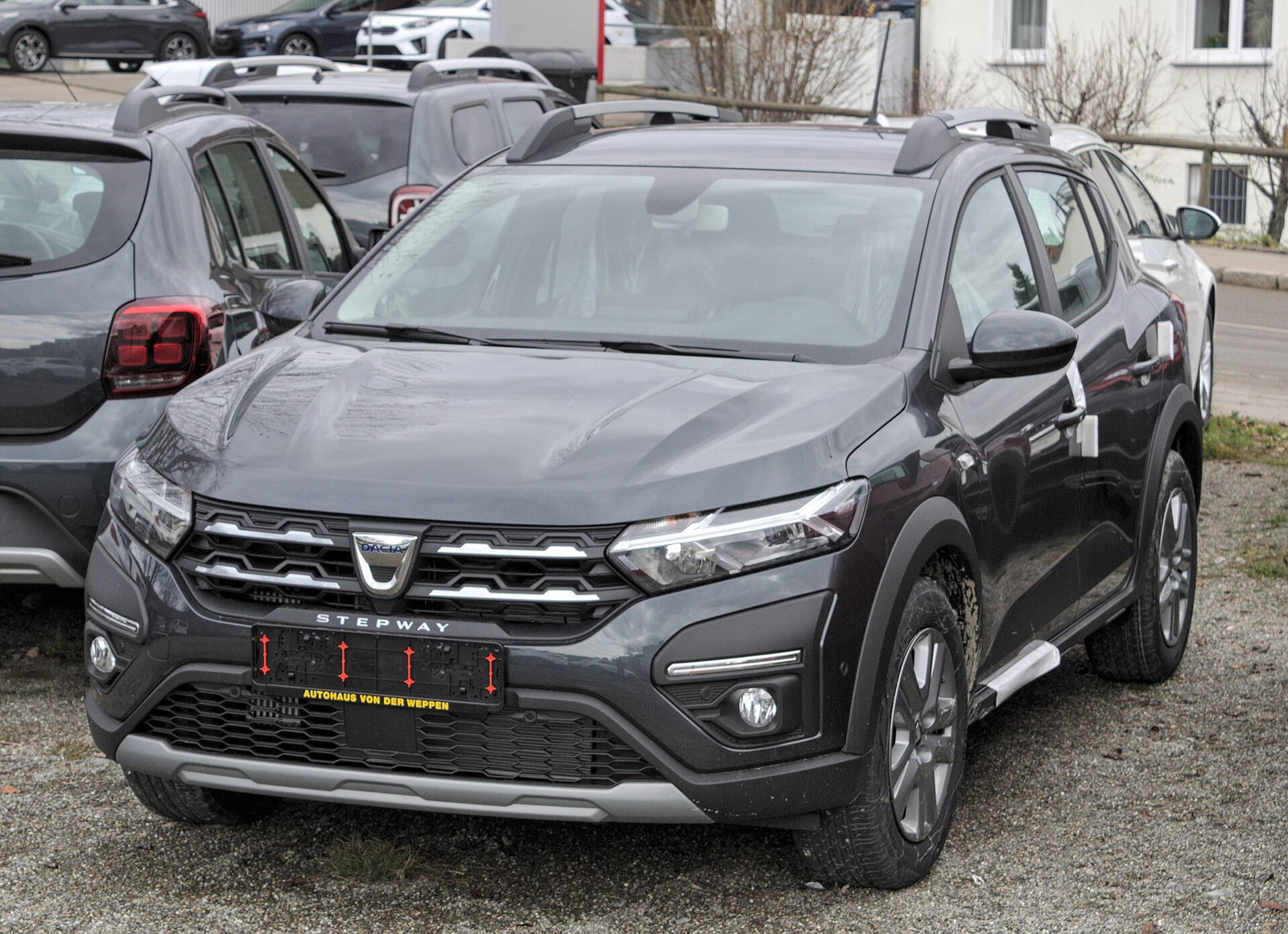
The leader of the European market was the Dacia Sandero. In fact, this is the third generation of the model, well known to Russian motorists under the Renault brand. The Sandero has been holding the lead for a long time thanks to a successful combination of cost and consumer qualities. There is also a direct analogy with the Russian market: the new Lada Iskra is the third generation of the Logan with domestic engines. Despite the large-scale import substitution that followed the termination of cooperation with Renault, the basic concept remained. Moreover, on some body elements of the Iskra, you can find stampings with the logo of the French brand, which emphasizes the constructive relationship of the models.
The dynamics of Chinese manufacturers deserve special attention. While their representatives are far from the top 5 in terms of absolute volumes, the growth rate is impressive: in 2025, sales of cars from China in Europe increased by 99% compared to 2024. The most notable player was the MG brand, owned by SAIC Motor. It is noteworthy that in the near future, models of this brand are planned to be assembled and sold in Russia under the Moskvich brand.
The European market in 2025 demonstrates a combination of traditions and new trends: steady demand for compact models, a gradual departure from classic internal combustion engines, the strengthening of hybrids and electric vehicles, as well as the rapid expansion of the presence of Chinese manufacturers. And although the specifics of Europe remain unique, individual processes are increasingly reflected in Russian realities as well.
Read more materials:
- How Chinese cars are capturing the domestic market
- The history of TagAZ: from Hyundai to bankruptcy
- Modern disposable engines: myth or reality?
Комментарии