Modern drifting, like most professional racing disciplines, began outside the law. The first runs took place on Japan's winding country roads — the so-called "touge," which literally means "mountain pass." It was there that the most devoted enthusiasts gathered, known as "rolling zoku." They were the ones who organized competitions on the serpentines.
At first, controlled skidding was not considered a mandatory element. However, drivers studying video recordings of rally stages noticed that on narrow and difficult sections, corners were taken fastest in controlled sliding. Thus, rally drivers' technique gradually made its way onto the touge.
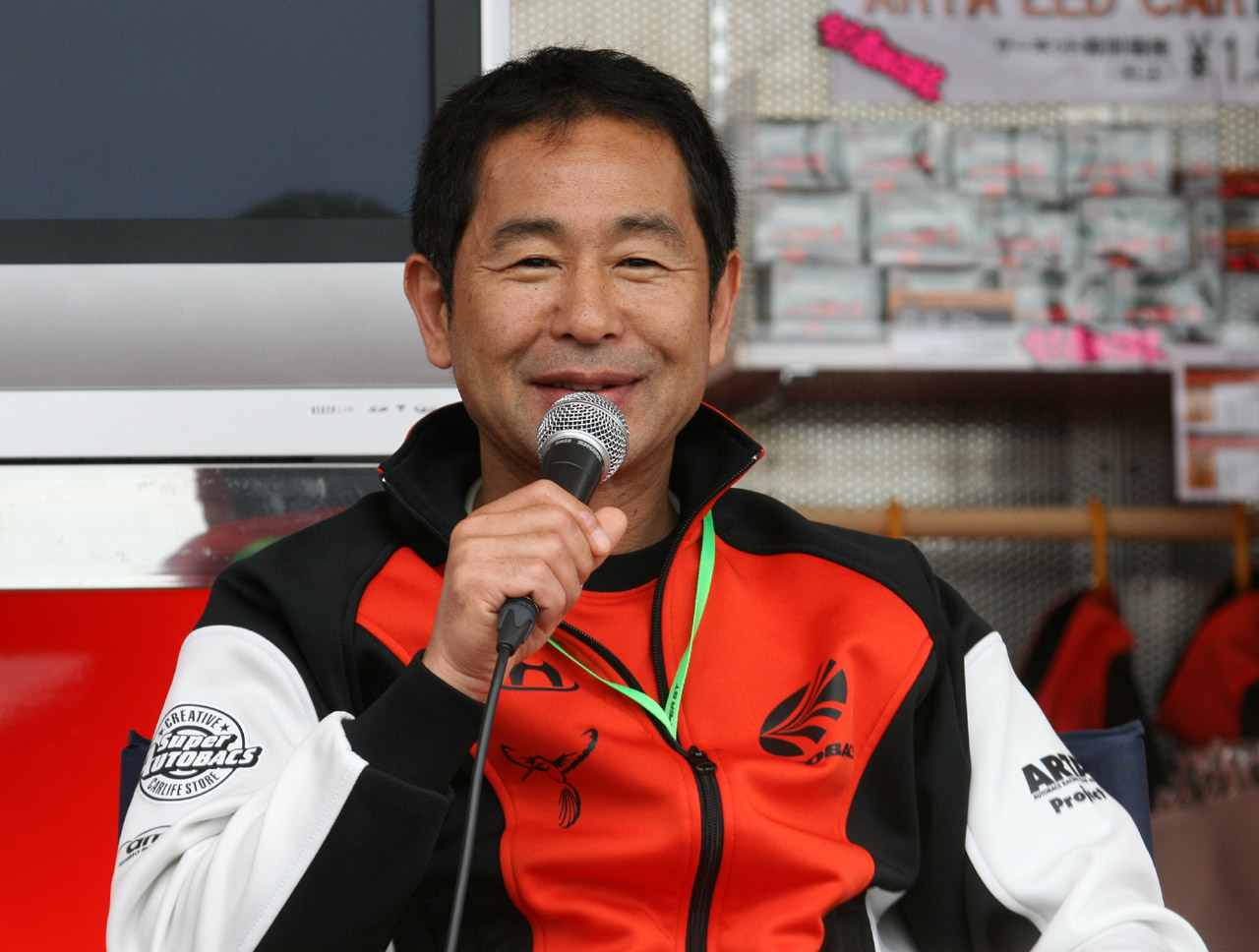
Races on mountain roads were divided into two formats: climbing the serpentine — up hill (hill climb) — and descending, down hill. Because of the limited track width, overtaking was almost impossible, so the competition took the form of a chase. The leader's task was to increase the initial gap by the finish, while the pursuer aimed to reduce it. If the road width allowed two cars to be placed side by side at the start, classic rules were used.
Some of the rolling zoku began actively using rally driving techniques — taking corners without losing momentum and at high speed. A car turned sideways not only maintained the pace but also made it harder for the opponent to attempt an overtake.
It was on the touge that drifting was born as an independent phenomenon. With the introduction of rally techniques, drivers noticed that both control over the car and lap times improved, while the runs themselves became more intense.
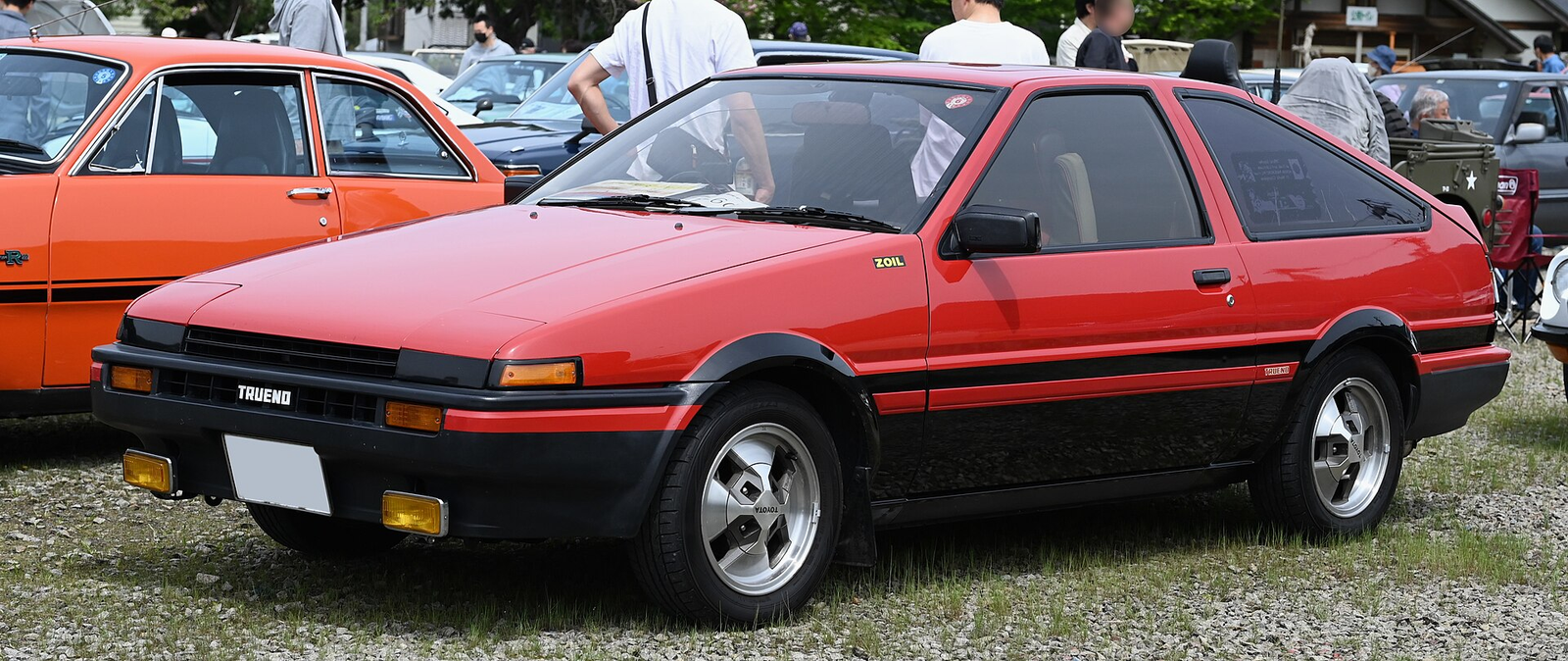
In the 1980s, drifting gained widespread popularity in Japan, which led to the creation of the first official competitions. In 1988, the Japan D1 Grand Prix organization appeared, becoming the first official drifting championship. D1 Grand Prix turned into a platform where Japan's strongest drivers demonstrated their skill and fought for the championship title.
Over time, the discipline moved beyond Japan and spread worldwide. In different countries, their own tournaments and championships began to take shape. One of the best-known developments was the launch of the American Formula Drift series in 2004, which attracts leading drivers from around the world and is considered one of the most prestigious series in motorsport.
In Russia, the first drifting competitions took place in 2005 in Vladivostok. A wide audience became familiar with this discipline in 2006 after the release of the film "The Fast and the Furious: Tokyo Drift." As early as 2007, the "Formula Drifta" series launched in the Moscow Region, lasting four years but never becoming commercially successful.
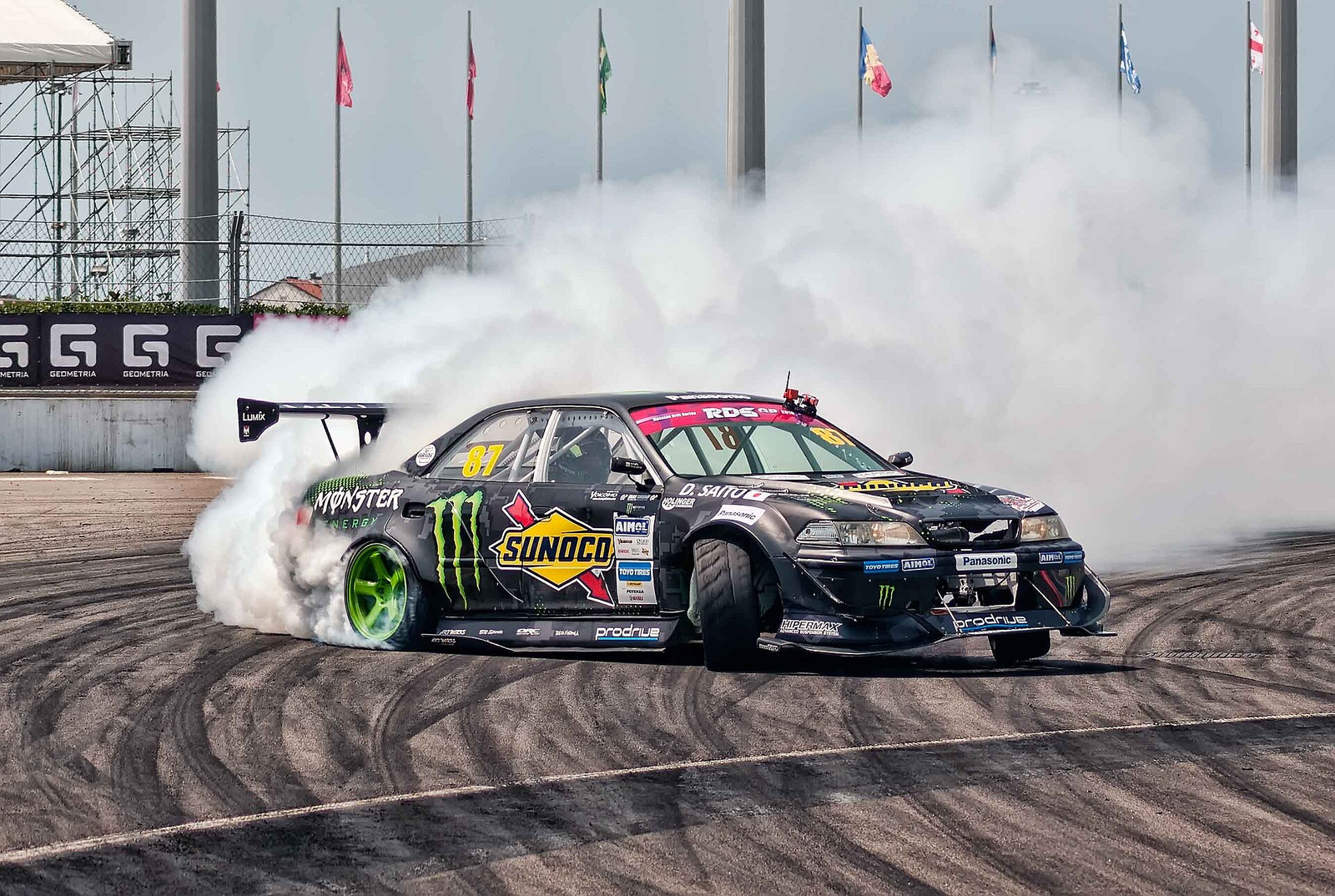
However, this proved achievable for RDS — the Russian Drift Series, founded in 2009. Today, RDS organizes the country's largest drifting competitions, ranks among the world's top three series, and succeeded in having the discipline included in the All-Russian Register of Sports, thereby securing drifting's official status.
Competitive drifting requires serious spending. On average, during a single round, drivers use from two to five sets of tires — depending on the duration and intensity of the runs, as well as their own budget and strategy. Specialized tires have a particular rubber compound and construction that provide the necessary balance of grip and controlled sliding.
The absolute record for the longest drift among cars was set by a BMW M5 sedan. In 2018, BMW Performance Driving School instructor Johann Schwartz kept the car in a drift for eight hours, covering just over 374 kilometers in that time.
In Japan, drifting has also found an unusual commercial embodiment — the drift taxi format. Passengers can ride with professional drivers in specially prepared cars, experiencing the adrenaline of controlled skidding.
There is also a separate discipline — RC Drift (radio controlled), which is drifting with electric radio-controlled models. The cars there are ten-times-smaller copies of real automobiles. The format fully replicates the "adult" sport: track, judges, spectators, mechanics, and drivers. The only difference is the absence of clouds of smoke from under the wheels and a much more affordable cost: a competition-ready model will cost from 15,000 to 100,000 rubles.
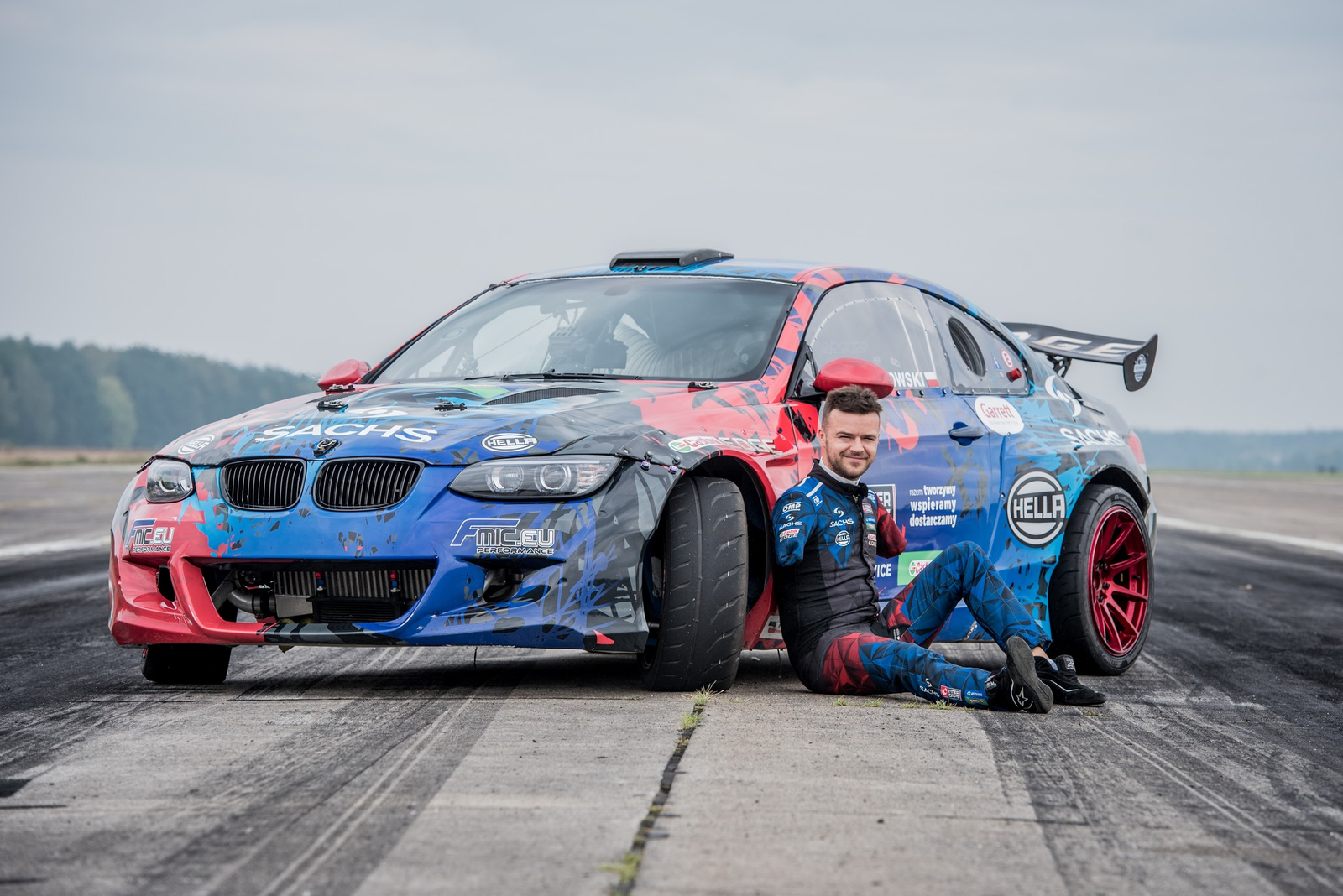
On March 30, 2022, Bartosz Ostałowski, behind the wheel of a BMW M3, set a Guinness World Record for the fastest drift in a car controlled exclusively with the feet — without using the hands. Beginning the drift at a speed of 277 km/h, he held the car in a measured zone 50 meters long, recording an average speed of 231 km/h.
Thus, drifting has come a long way from illegal races on mountain passes to an officially recognized sporting discipline and world records, while preserving its spectacle and extreme character.
Read more articles:
- Modern disposable engines: myth or reality?
- 4WS: Japanese classic and European renaissance
- Why round headlights remained the standard for so long
Comments