Like it or not, cars with a start-stop system will become more and more common. Some drivers see it as an annoying element of modern cars, while others see it as a technology that saves fuel and reduces emissions. However, the spread of this function is not so much related to the preferences of motorists as to the requirements of environmental standards and the desire of manufacturers to reduce fuel consumption. That is why it makes sense to understand how the start-stop system works and which statements about it are true.
How it all began
Although it seems to many that start-stop is a relatively new invention, its history began decades ago. Back in 1974, Toyota introduced a similar system on the Crown model. It automatically turned off the engine after one and a half seconds of the car stopping. According to the manufacturer, this solution reduced fuel consumption by approximately 10 percent.
A few years later, German engineers from Volkswagen began their own experiments. In the early 1980s, as part of the Formel E project, they developed modes for automatically turning off and starting the engine at idle. In fact, this was one of the first full-fledged implementations of the start-stop system. By the mid-1980s, such solutions were no longer unique and gradually began to appear in other automakers.
Nevertheless, the technology only became truly widespread in the 21st century. The development of electronics, as well as the spread of mild hybrid systems, made it possible to introduce it into cars of various classes. Along with the growth in popularity, fierce disputes arose between supporters and opponents of this function.
How the system works
There is usually no need to describe the operation of the start-stop in detail — most drivers have at least a rough idea of its principle. Algorithms may differ depending on the manufacturer, but the result is generally the same. When the car stops, the engine is temporarily turned off, and when necessary, it automatically starts again.
It is important to understand that the presence of a manual transmission does not mean the absence of this function. Start-stop is installed on cars with various types of transmissions and drives.
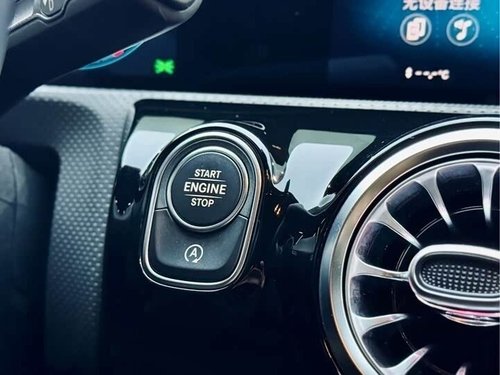
In most cars, the system is activated by default. Usually, it can be temporarily disabled by a button on the dashboard — it is indicated by the letter A enclosed in a circular arrow. However, the function is activated again the next time the engine is started.
The main idea of the technology is to reduce fuel consumption and emissions when the car is stationary, for example, at a traffic light. At the same time, the system only works under certain conditions. If the air temperature is too low or, conversely, too high, and the heater or air conditioner is operating at increased power, the engine may be stopped only for a moment and then started again immediately. This prevents excessive load on the battery.
Even under favorable conditions, the engine rarely remains off for more than 90–100 seconds. In addition, the system is activated only after the engine has reached operating temperature. If the engine or oil temperature drops sharply, the function is temporarily disabled.
Does start-stop wear out the engine
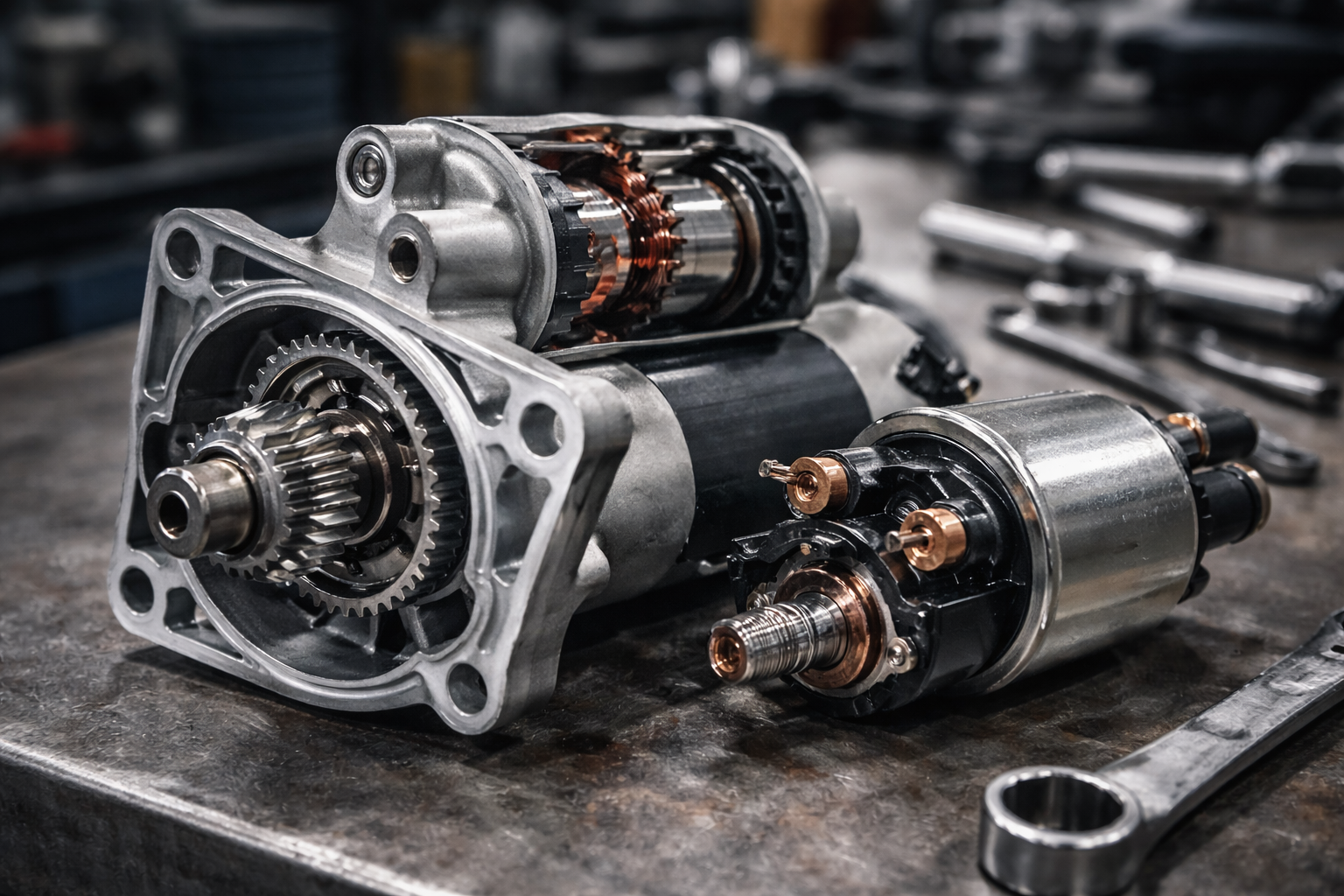
One of the most common fears is that frequent stops and starts of the engine allegedly sharply accelerate the wear of units. Indeed, with each start, the load on the starter, battery and other elements of the system increases. However, that is why modern cars have received seriously upgraded components.
If the starters of cars of the 1990s were designed for approximately 50 thousand start cycles, then modern devices can withstand approximately ten times more. The increased resource is provided by reinforced solenoids, more durable brushes and bearings, as well as modernized wiring.
Engineers paid special attention to the main bearings of the crankshaft. In a running engine, the surfaces of the shaft and bearing are separated by a thin oil film. But when the engine stops, the shaft drops onto the bearing, and the metal surfaces come into contact. When restarting, there is a brief moment when the lubricant has not yet arrived in full, which causes severe friction. This contact is considered one of the main sources of engine wear.
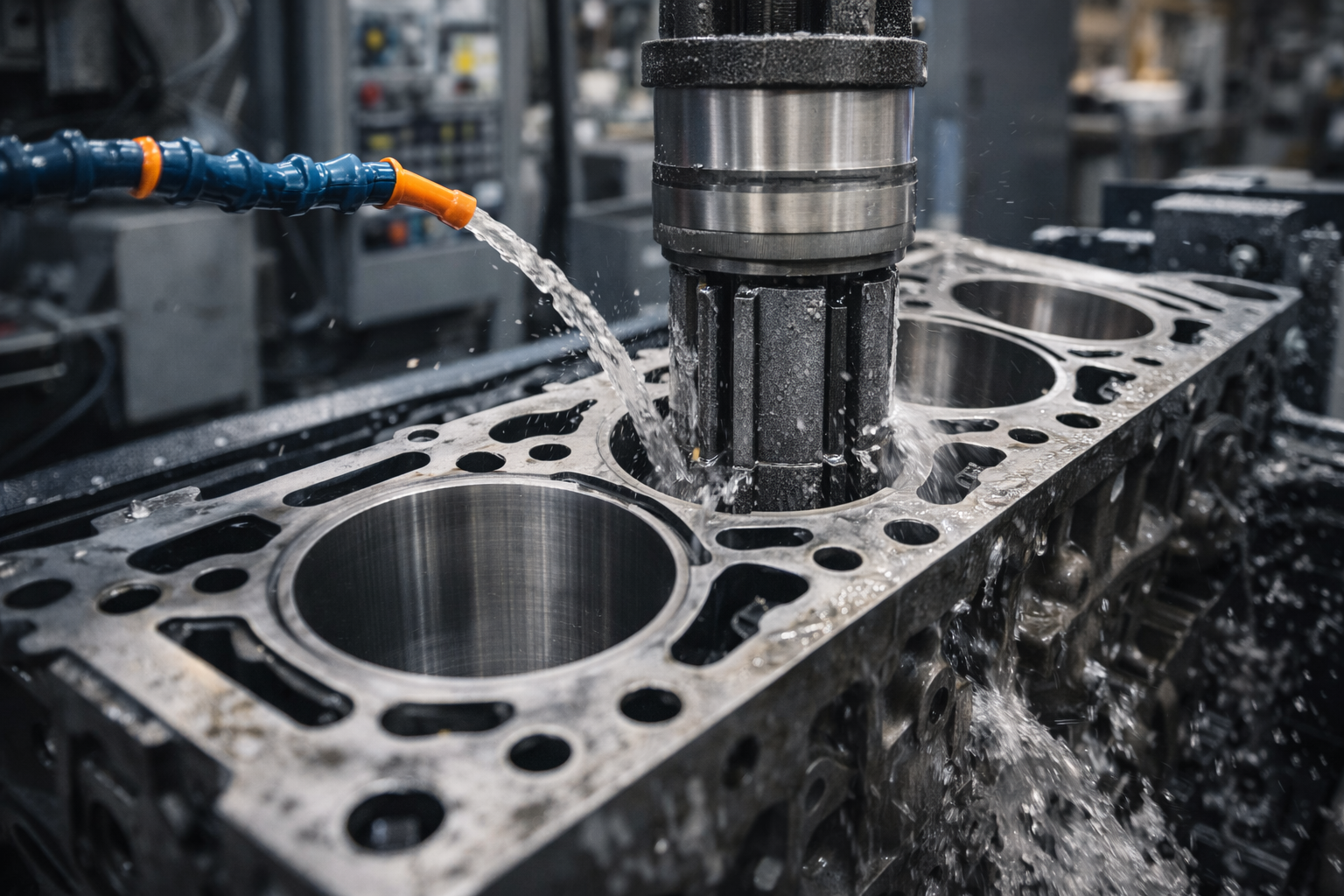
Frequent stops and starts do increase the number of such contacts. However, ordinary bearings would not be used in such conditions. Special materials and coatings are used in cars with start-stop. For example, bearings with a polymer coating containing iron oxide particles are widespread. They have an extremely low coefficient of friction — approximately 50–60 percent lower than traditional counterparts. Thanks to this, their service life is comparable to the service life of the engine.
Why oil and battery are important
Lubricants also play an important role in the operation of the system. Low-viscosity, low-friction engine oils help engine parts to better withstand the additional loads that occur during frequent starts.
Modern oils contain a complex package of additives — a kind of chemical cocktail, the task of which is to reduce friction and strengthen the oil film. Research in this area has been actively conducted since the end of the last century. Some modern compounds are able to reduce friction between pistons and cylinders by 60–70 percent. This reduces the heating of parts, reduces power loss, reduces fuel consumption and slows down wear.
An additional contribution is made by nanomaterials, which are able to attach to friction surfaces and improve their sliding.
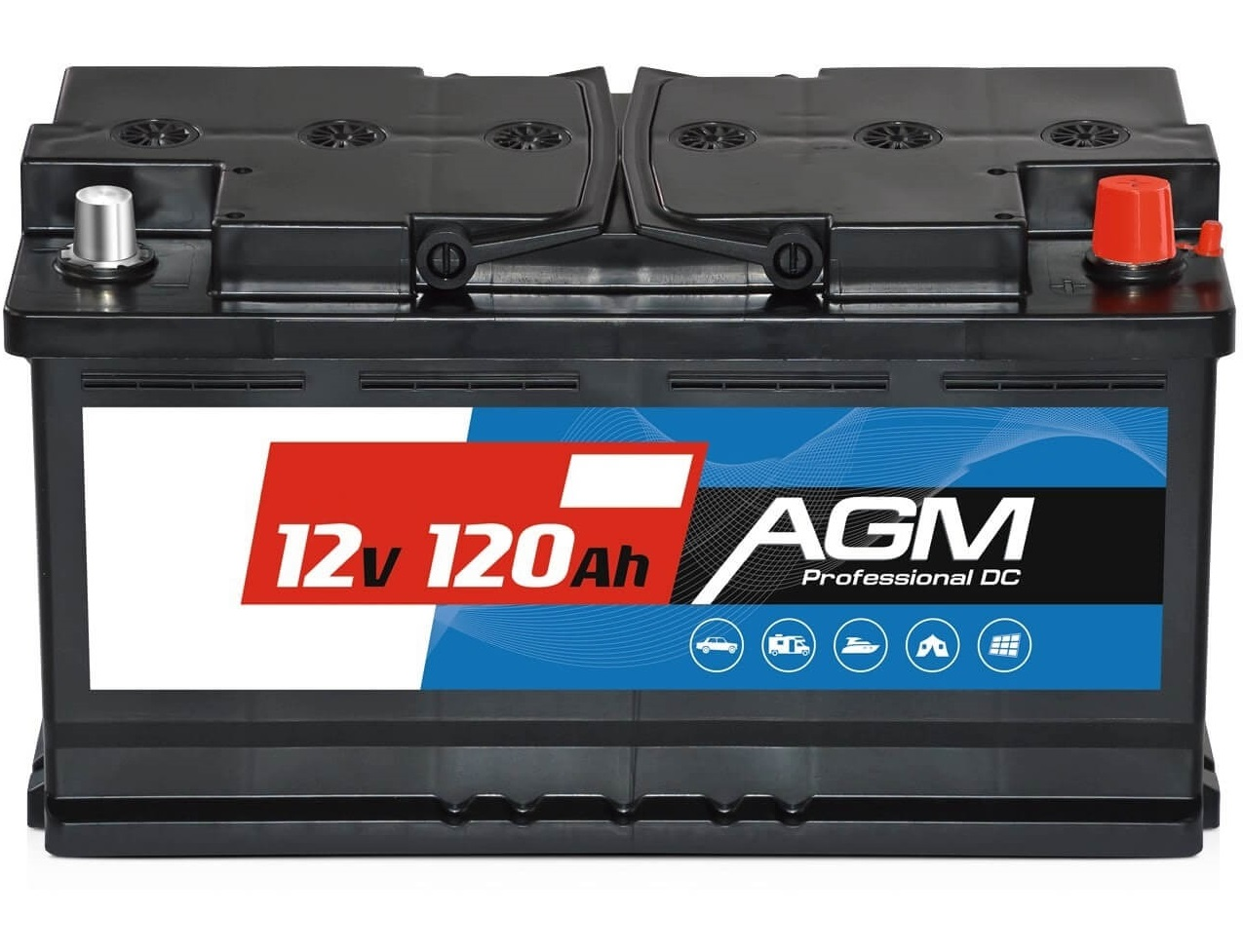
Batteries are equally important. Frequent engine starts increase the load on the battery, so more stable technologies are used in cars with start-stop — for example, AGM and EFB. Some designs even use an additional battery responsible for starting the engine. Along with this, reinforced wiring and other elements designed for new operating conditions are used.
Therefore, the statement that start-stop inevitably leads to catastrophic engine wear is not entirely true. Errors in design or production sometimes occur, but in general the level of wear does not change critically.
Fuel economy and real inconveniences
Another popular myth claims that the system does not reduce fuel consumption, but rather increases it due to constant engine starts. In practice, it all depends on the operating conditions of the car.
Much is determined by driving style, route and traffic density. Most manufacturers do not display accurate data on fuel economy on the screen, so owners rarely try to calculate it themselves. Claims of a 10–15% reduction in consumption often sound too optimistic.
Nevertheless, savings do exist, because the engine simply does not work at certain moments. If the car is regularly stuck in traffic jams, the effect becomes more noticeable. With long stops, the benefit increases. But when driving on the highway, the system is practically useless.
There is also another side to it — ease of use. Some drivers complain about the delay when restarting the engine. On certain models, especially from some Chinese manufacturers, the car may react with a delay of several seconds, which causes dissatisfaction among other road users. Such problems are usually related to unsuccessful system operation algorithms.

A similar situation was observed among major automakers in the early years of start-stop implementation. However, the software was gradually refined. In modern cars, the engine often starts so quickly that the driver barely notices the moment it stops. Sometimes the system even reacts to a slight movement of the steering wheel.
What disadvantages remain
The main disadvantages of the system are related to the use of more complex and expensive components. For example, the owner will have to take into account the higher cost of batteries. Batteries with AGM or EFB technologies are more expensive than conventional lead-acid counterparts. At the same time, standard batteries in cars with "start-stop" quickly fail.
In addition, the importance of timely maintenance increases. Regulatory intervals, materials used, and the amount of work must be strictly observed. Such a system does not tolerate compromises in the form of cheap substitutes for parts and fluids.
This is especially true for engine oil. Using inexpensive analogues or excessively rare lubricant changes can cause much more damage to the engine than the start-stop system itself.
As a result, start-stop is a well-thought-out technology that is unlikely to save significant amounts of fuel, but is not as harmful as sometimes claimed. Those who categorically dislike it can usually simply turn it off — in many cars, this can even be done on a permanent basis.
Read more materials:
- 7 reasons for the smell of exhaust gases in the car
- Aisin, ZF and Getrag: who makes the best gearboxes
- Dodge B300 Balboa 1973: a compact motorhome with the character of the 70s
Комментарии