When it comes to cars from Japan, they are usually cited as examples of quality, reliability, and engineering culture. Soviet cars, against this background, more often become objects of irony. However, in the history of the domestic automotive industry, there is a rare case when a car from the USSR not only interested Japanese specialists but earned their sincere respect.
We are talking about the legendary "Niva" – an SUV that attracted the attention of Japanese engineers during the heyday of the automotive industry in the Land of the Rising Sun, when Toyota, Honda, and Nissan were already confidently established in the global market.
Japan's First Encounter with the "Niva"
Information about the new Soviet SUV quickly interested Japanese specialists. The reason was quite clear: the car combined permanent all-wheel drive and independent front suspension – a solution that virtually did not exist in the model ranges of Japanese manufacturers at that time.
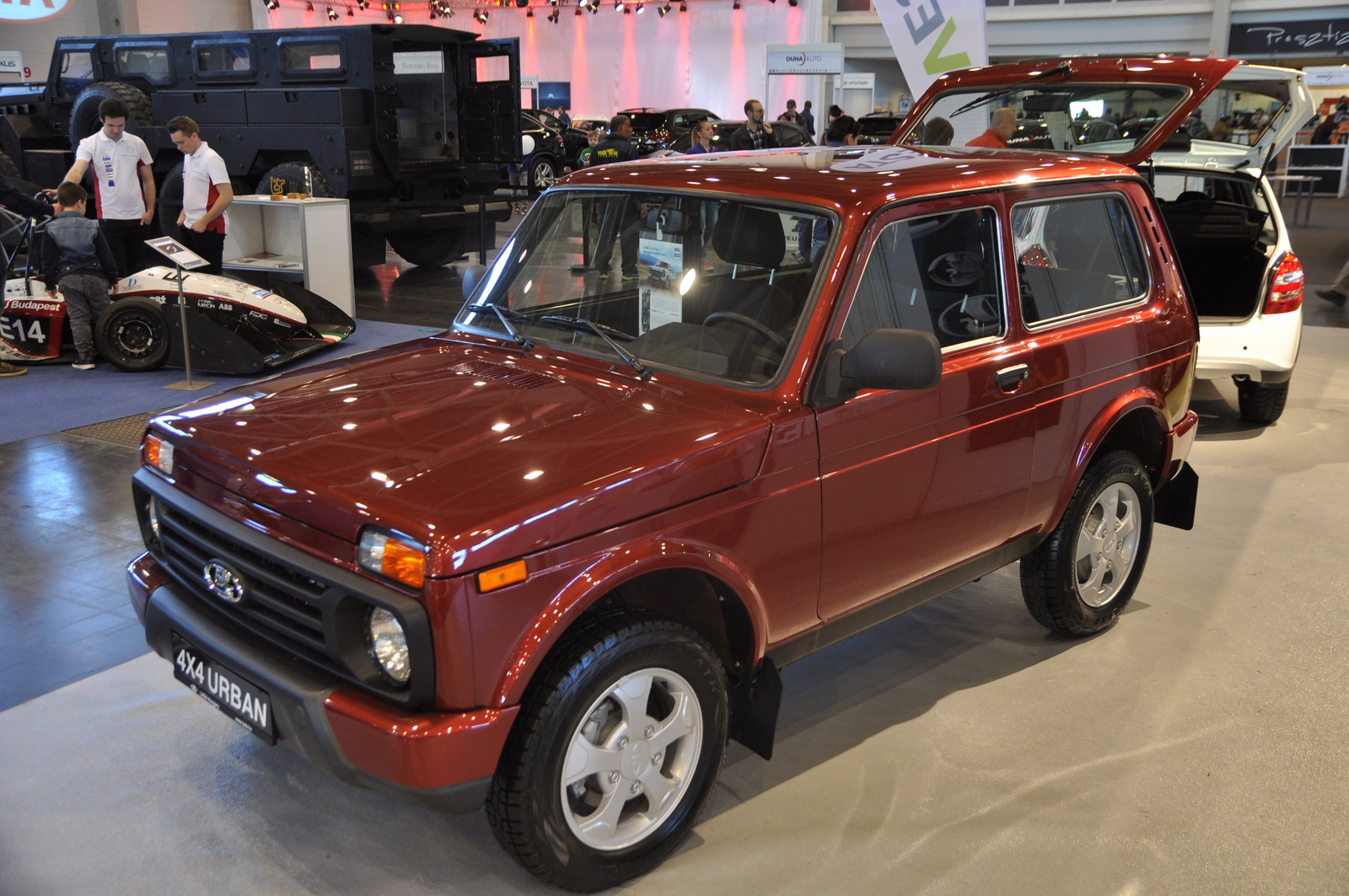
Even the already produced Suzuki Jimny belonged to a completely different category of technology. It was a compact utility SUV, primarily focused on practicality, not on the comfort of everyday use.
To introduce the public to the new product from the USSR, a special exhibition was organized in the Harumi area on an artificial island in Tokyo Bay. The "Niva" was brought there and presented to journalists and visitors.
The reaction was quite unexpected. The Japanese positively evaluated several features of the car at once:
- exterior design;
- interior comfort;
- overall level of execution;
- build quality.
The last point caused particular surprise. Previously, "Belarus" tractors were attempted to be supplied to the Japanese market, but this experience was unsuccessful: the number of quality complaints filled several pages. Therefore, a well-assembled passenger car from the USSR was a real surprise for many.
The Only Soviet Car in the Japanese Market
After a successful introduction, a decision was made to supply the SUV to Japan. AvtoVAZ signed the corresponding order, and the "Niva" became the first and virtually only Soviet car officially sold in a country where manufacturers like Toyota and Honda operate.
Right-hand drive versions were produced for the local market. Their deliveries continued until the late 1980s.
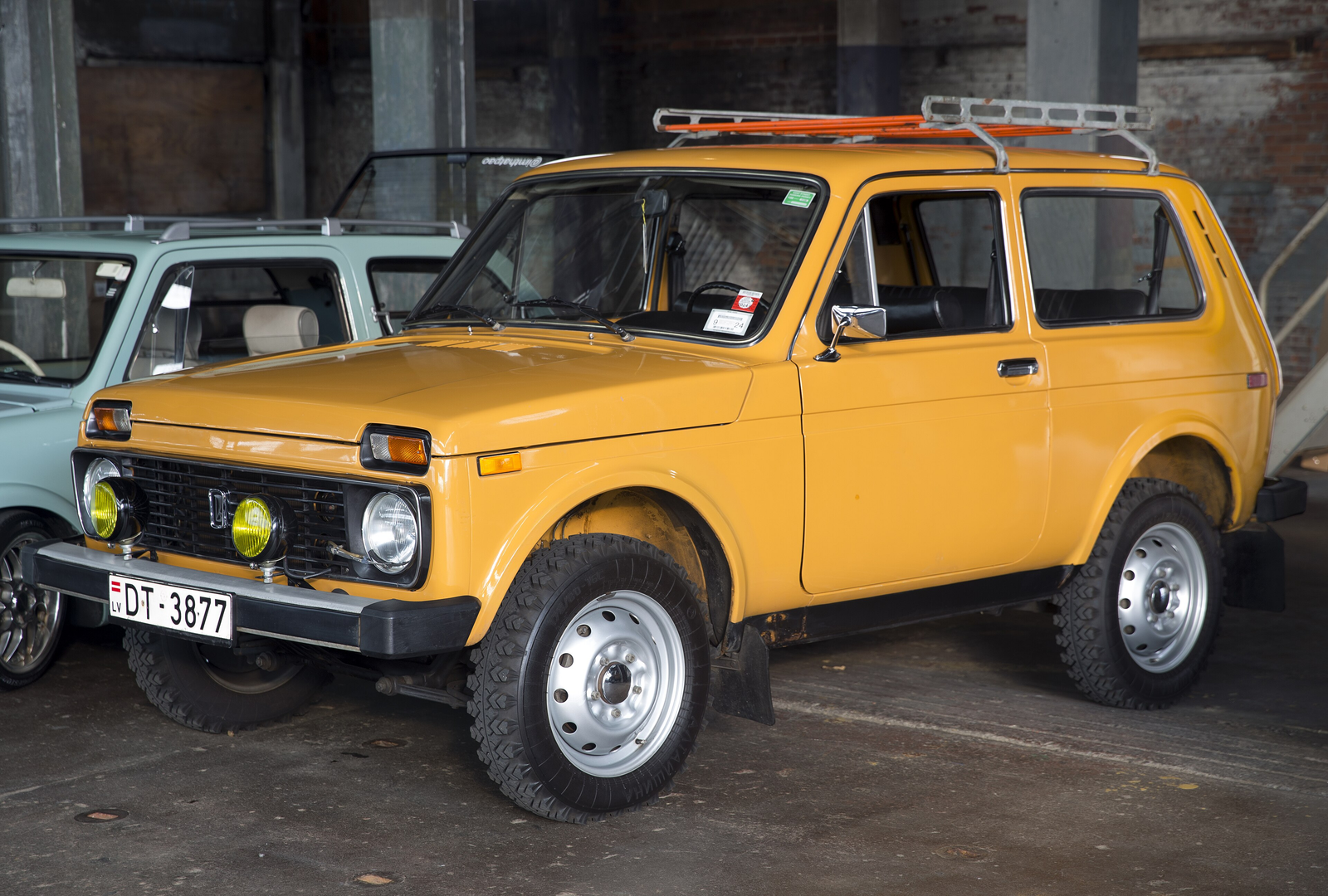
Despite high competition, the car managed to find its own buyers. For some, it was an interesting SUV; for others, it was a rare exotic, noticeably different from familiar Japanese technology.
The Story Behind the Appearance of Suzuki Vitara
However, the interest of the Japanese was not limited to buying cars. Engineers had the opportunity to carefully study the design of the Soviet SUV.
At the turn of the 1970s and 1980s, the concept of a compact off-road vehicle with the comfort level of a passenger car remained extremely unusual. That is why specialists paid increased attention to the "Niva".
Shortly before the debut of the Suzuki Vitara, representatives of Suzuki visited the Volga Automobile Plant. They brought an advertising brochure of the future model in English and handed it to Pyotr Prusov – one of the creators of the "Niva".
Prusov later recalled that after familiarizing himself with the materials, he jokingly remarked to the guests that they should pay for using his ideas. The Japanese took his words with a smile.
After dinner, the engineer was translated the dedication left on the booklet. According to one version of the memoirs, it said: "To the co-author of Suzuki Vitara from Suzuki company." Other retellings feature the phrase "Godfather of this car." Regardless of the specific text, the story became one of the most famous episodes connecting the "Niva" and the future Vitara.
Prusov himself repeatedly emphasized that he considered the similarity of concepts not accidental and called the Japanese model a borrowing of ideas from the Soviet SUV.
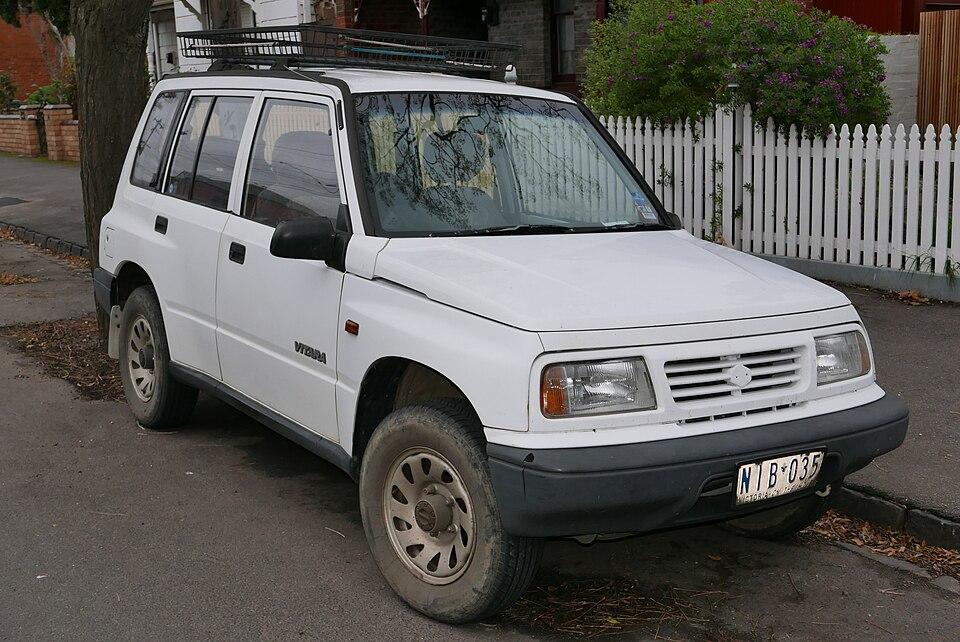
At the same time, the cars were not completely identical. Structural differences existed between them. However, the key idea of a compact all-wheel drive vehicle combining off-road capabilities and passenger car comfort indeed appeared in the "Niva" much earlier.
Conquering Mount Fuji
One of the most famous episodes of the "Niva's" Japanese biography was its ascent of Mount Fuji.
The highest peak in the country has special significance for the Japanese, so the possibility of ascending it by car was perceived as something unusual. When the Soviet SUV managed to climb Fuji on its own, it caused great interest and lively discussion.
However, later the model achieved an even more impressive feat – driving to the Everest base camp. Against this background, the Japanese record already seemed less sensational.
What Japanese Journalists Wrote About the "Niva"
Even decades after the start of sales, interest in the car in Japan did not disappear.
Famous automotive journalist Fumio Ogawa dedicated a large article to the model in the Asahi Shimbun newspaper. In his article, he called the "Niva" both "charming" and "advanced," and also noted that he personally operated this car back in the 1980s.
According to the journalist's recollections, the car gave the impression of technology as if it had arrived from another era. He mentioned the noisy engine and a relatively modest level of comfort, but separately noted the attractive design and compact dimensions.
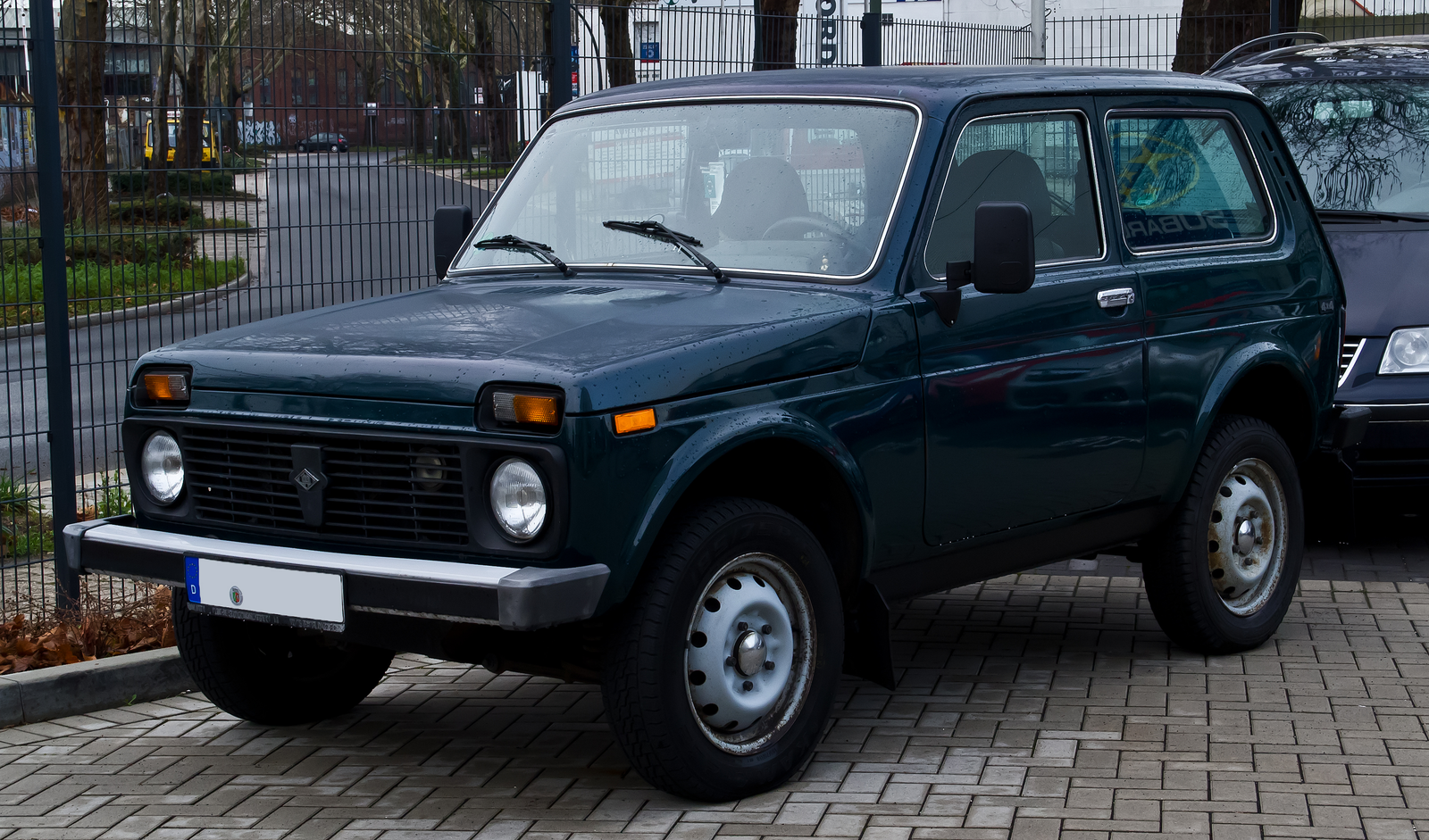
His observation that in the Tokyo area where he lives, young people can periodically be seen still driving a "Niva" was particularly noteworthy. According to Ogawa, many are attracted by the car's simplicity and the absence of complex electronics – a quality that is perceived as very unusual in high-tech Japan.
Japanese Interest in Other Soviet Cars
The attention of local journalists was attracted not only by the "Niva." The UAZ, better known as the "bukhanka" (loaf), also gained some fame in Japan.
One Japanese author included this car among the three most unusual cars in the world. The publication noted its distinctive appearance, peculiar handling, and outstanding off-road capability.
Despite the fact that such cars cost significantly more in Japan than in their homeland, owners were not in a hurry to part with them.
A Look at the Japanese Automotive Industry from the USSR
Contacts between the automotive industries of the two countries were not limited to equipment supplies. AvtoVAZ executives visited Toyota, Honda, and Nissan enterprises, familiarizing themselves with production organization.
After one such trip, plant director Viktor Polyakov told employees about his impressions. According to him, Toyota produced approximately three times more cars than the Togliatti enterprise, while the number of personnel was almost half.
The Honda factories also made a strong impression, where even forge workers worked in white overalls.
However, what was seen did not lead to noticeable changes in practice. After the director's speech, the team listened to his story, but no significant changes occurred in the enterprise's work.
"Niva" and Japanese Car Dealerships
Years later, interest in the model remained so strong that Russian companies continued to bring the "Niva" to exhibitions in Tokyo.
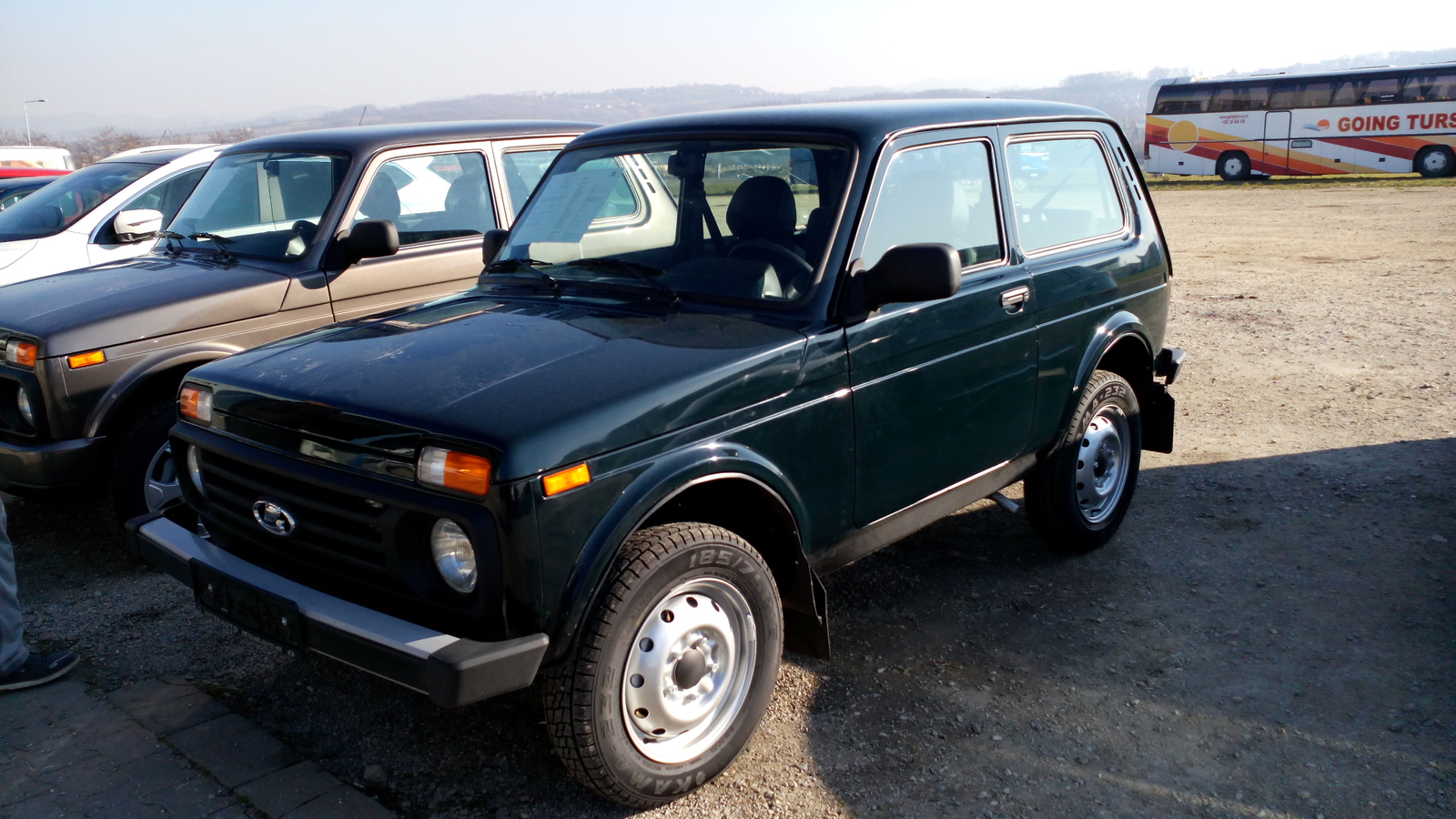
Among the visitors, several main groups of buyers could be distinguished:
- people who previously lived in Russia and experienced nostalgia;
- motorists who sought to stand out from the crowd;
- young fans of unusual technology who perceived the Soviet SUV as an exotic.
By that time, the car's reputation was further strengthened by its operational achievements. In particular, it was known that one of the "Nivas" worked for more than twelve years at an Antarctic station without major repairs.
It was the combination of simplicity, reliability, unusual design, and rich history that allowed the Soviet SUV to occupy a special place in the memory of many Japanese motorists. For a country accustomed to creating its own automotive legends, this was a very rare case.
Read more materials:
- GAZ-TK: an unusual three-axle vehicle for the army and intelligence
- The most unusual quarry transport that did not go into production: NAMI-0143-SXZ
- The car of the future created in the USSR in the 1980s: AZLK-21414 "Istra"