Translated with AI from the Russian original.
Many car owners are confident that two identical cars with identical engines should consume almost the same amount of fuel. However, in practice, even cars of the same model, year of manufacture, and trim level often show noticeably different figures.
The reason is that the passport fuel consumption is determined under standardized laboratory conditions. During real-world operation, a large number of factors simultaneously influence it, ranging from the technical condition of the engine to the driving route.
Manufacturing Tolerances Are Still Valid
Even two engines assembled at the same plant on the same day are not absolutely identical.
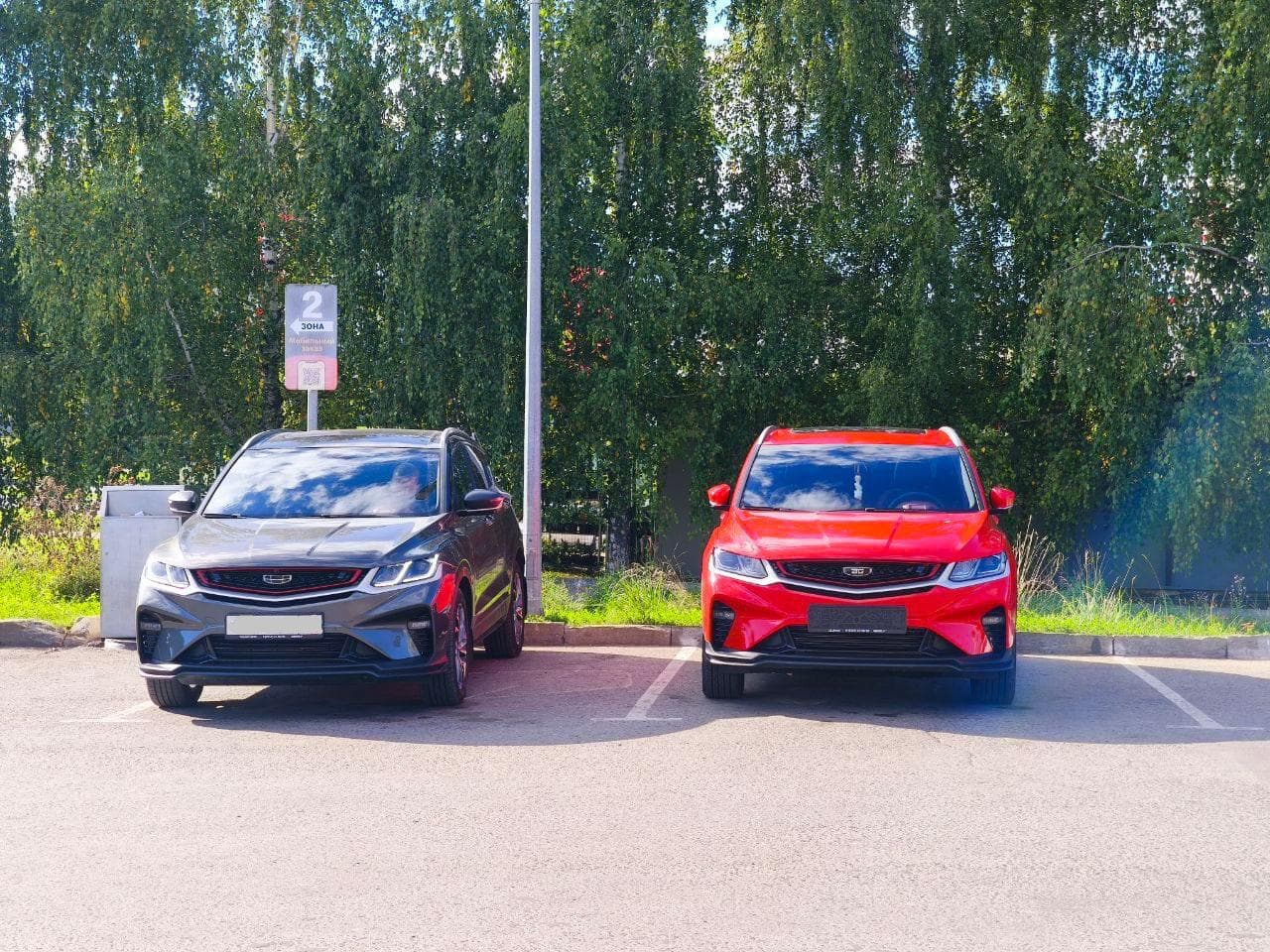
The manufacturer allows for small deviations in the characteristics of various components, including:
- injectors;
- cylinder compression;
- engine management system sensors.
Usually, such a spread is small and practically does not affect fuel consumption.
However, with a significant deviation in the performance of individual injectors, the electronic control unit can adjust the air-fuel mixture, which can increase fuel consumption.
Electronics Constantly Adapt
Modern engine management systems gradually accumulate information about the operation of a specific car.
The ECU adjusts injection parameters, taking into account:
- throttle body condition;
- oxygen sensor efficiency;
- catalytic converter operation;
- natural engine wear.
Therefore, two outwardly identical cars with different mileage may have different fuel delivery adjustments, which also affects fuel efficiency.
Not Only the Engine Affects It
Elements not directly related to the powertrain play a significant role.
Even relatively small deviations can increase fuel consumption.
The most common reasons are:
- insufficient tire pressure;
- misaligned wheel angles;
- clogged air filter;
- additional roof rack;
- deterioration of car aerodynamics.
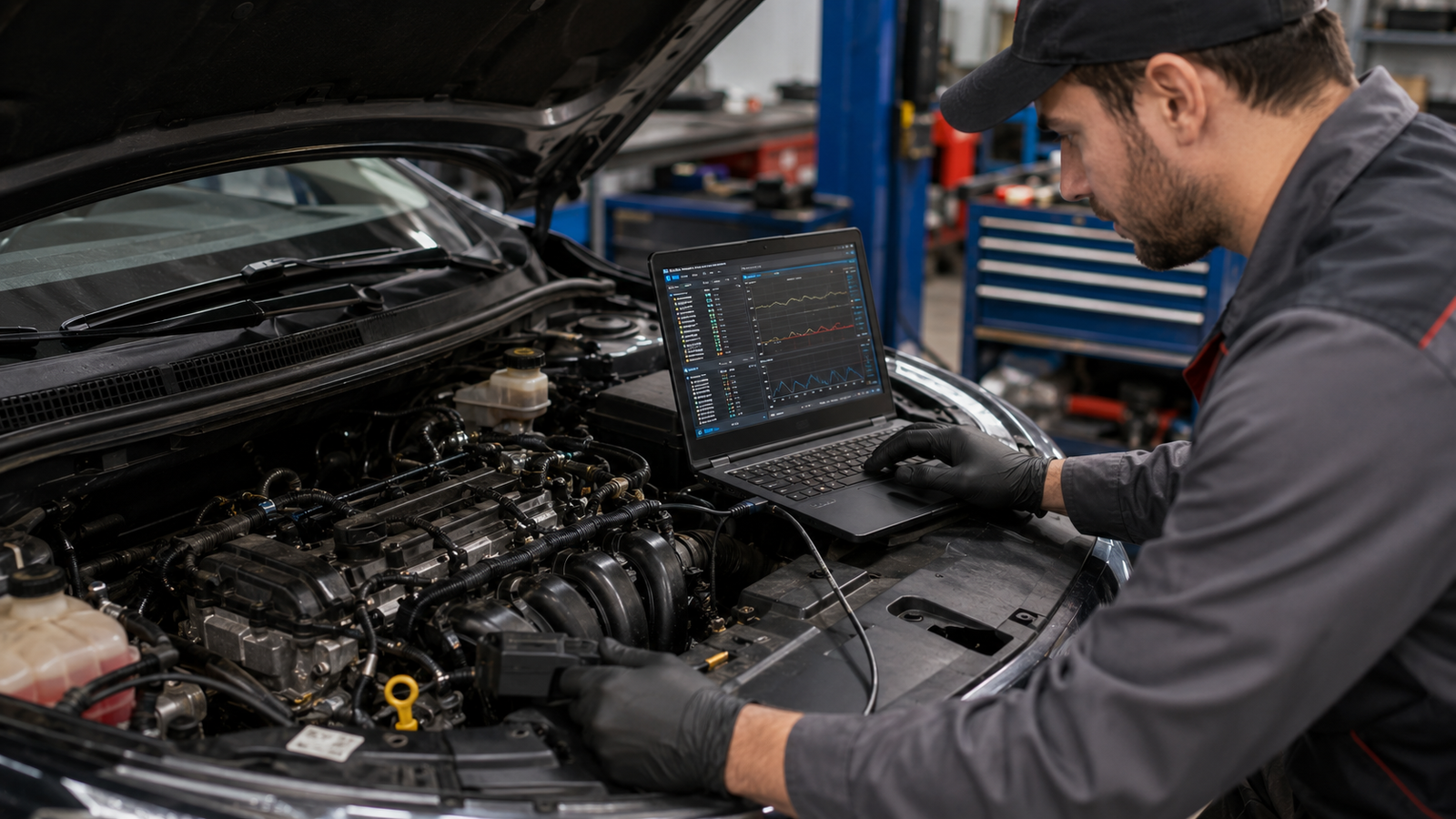
Each of these factors individually may seem insignificant, but together they can lead to a noticeable increase in consumption.
Driving Style Changes More Than It Seems
One of the main factors remains the driving style.
Smooth acceleration, steady driving, and timely gear changes allow the engine to operate in the most economical mode.
Conversely, frequent intense accelerations, sudden braking, and driving with an unheated engine inevitably increase fuel consumption.
Additional load is also created by the car's energy consumers.
These include:
- air conditioner;
- climate control system;
- heaters;
- other electrical consumers.
Their influence depends on operating conditions and engine operating mode.
Engine Wear Gradually Increases Consumption
As mileage increases, the influence of natural wear increases.
Increased fuel consumption can be caused by:
- reduced compression;
- deterioration of the piston group;
- worn spark plugs;
- malfunctions in the valve mechanism.
If individual cylinders start to work less efficiently, part of the fuel burns incompletely, and the engine gradually loses power.
To maintain the usual dynamics, the driver presses the accelerator pedal harder, which further increases consumption.
In engines with mechanical valve adjustment, increased thermal clearances can cause overconsumption if they are not checked in time.
A New Engine Also Consumes More
Increased fuel consumption is not always associated with malfunctions.
During the break-in period of a new engine, the parts of the cylinder-piston group gradually wear in against each other.
Therefore, in the first few thousand kilometers, fuel consumption may be slightly higher than after the break-in period is completed.
Fuel Quality Also Matters
Fuel remains an equally important factor.
Different gas stations use different additive packages, and fuel quality can vary even with the same declared octane number.
This affects the combustion process of the mixture and the efficiency of the engine.
If one car is constantly refueled at a proven gas station, and the second regularly changes its refueling location, a difference in consumption is quite possible.
Cars for Different Markets
In recent years, a large number of cars imported through parallel import have appeared on the Russian market.
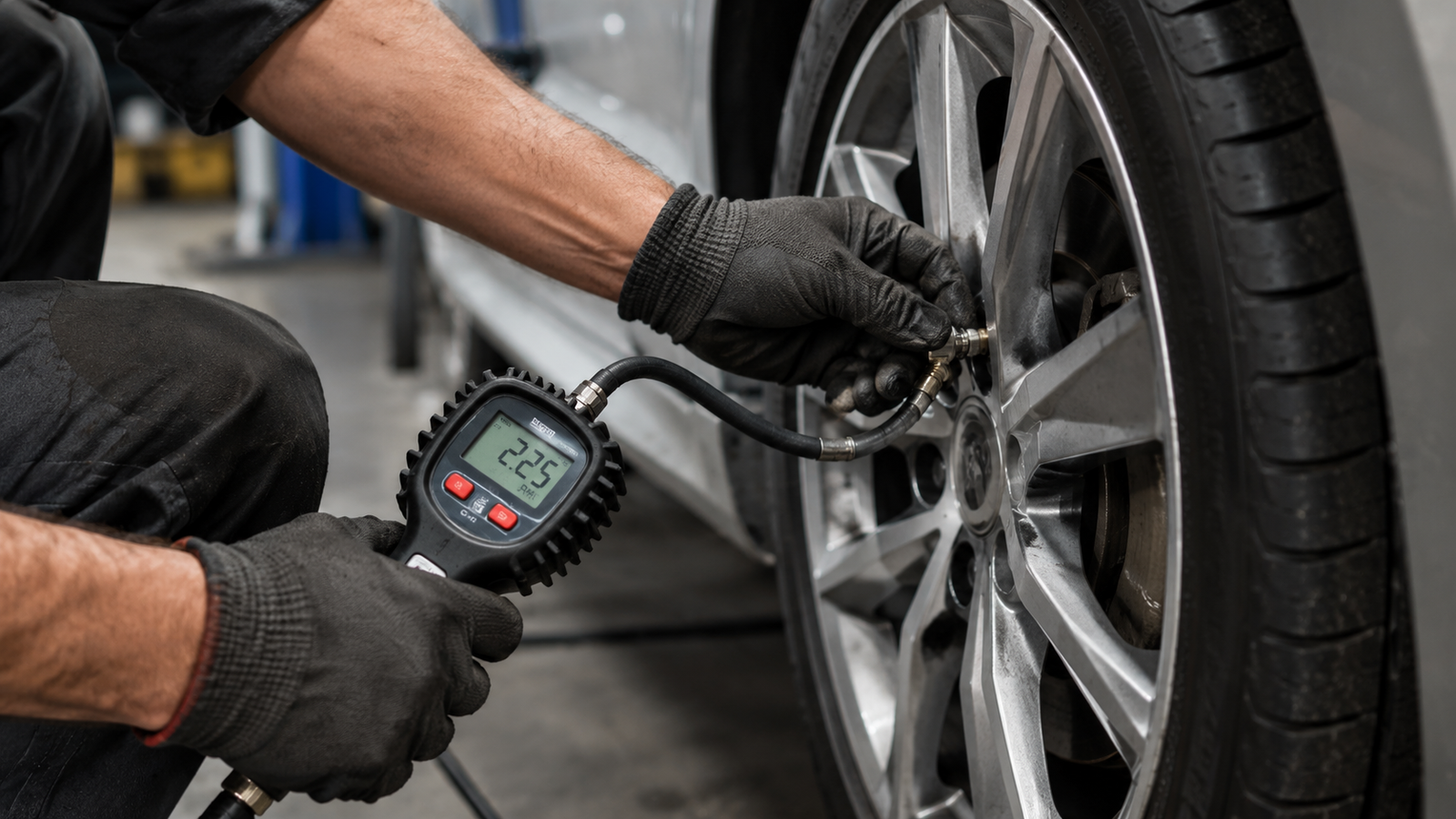
Despite their external similarity to officially supplied models, they may have different engine software calibrations.
Such settings are often designed for different fuel quality and operating characteristics of a specific market, which can also affect consumption.
When Overconsumption Is Considered Normal
Completely identical fuel consumption for two cars should not be expected.
A small deviation is usually explained by:
- driving style;
- route;
- ambient air temperature;
- road conditions;
- car condition.
If the difference is approximately 5–8%, it usually falls within the limits of natural operational differences.
However, if consumption has increased by approximately 15–20% or more, especially without changes in operating conditions, it is advisable to check the car.
What Signs Require Diagnostics
Several symptoms can be a reason to contact a service center:
- increased fuel consumption;
- unstable idle speed;
- dips during acceleration;
- smell of unburnt fuel;
- illuminated Check Engine light;
- black carbon deposits on spark plugs.
Such a combination of signs may indicate malfunctions in the intake system, injectors, sensors, or other engine control elements.
What to Check First
Before expensive repairs, specialists recommend starting with the simplest checks.
Usually, it is sufficient to consistently evaluate:
- tire pressure;
- wheel alignment angles;
- air filter condition;
- computer diagnostics of the electronic control unit;
- injector operation;
- cylinder compression.
This approach allows identifying most causes of increased fuel consumption without unnecessary costs.
Don't Delay Finding the Cause
Increased consumption rarely becomes the only manifestation of a malfunction.
If the problem is ignored, over time, power loss, unstable engine operation, and other more serious consequences may appear.
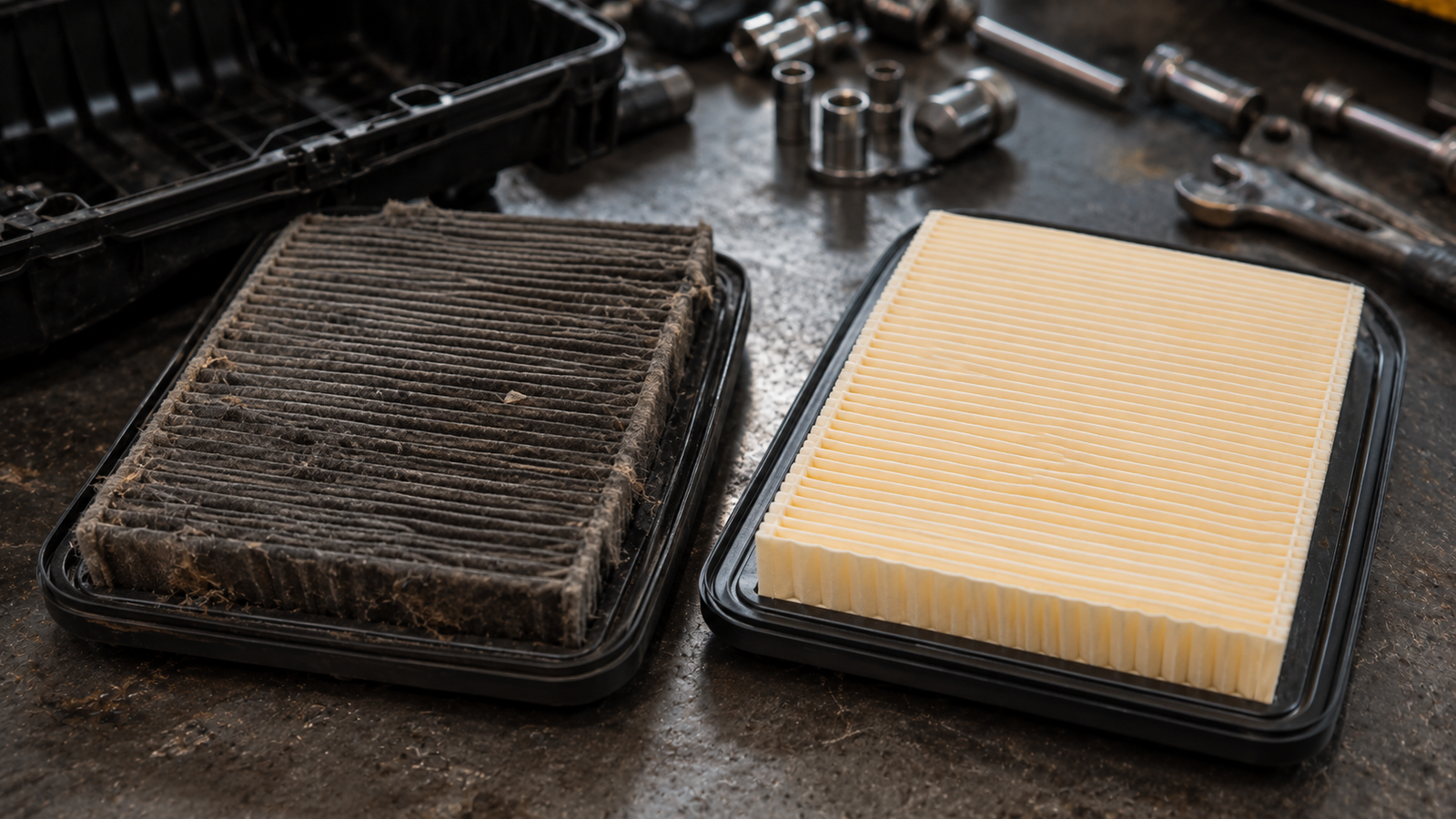
Therefore, with a noticeable increase in fuel consumption, it is much more profitable to carry out diagnostics in a timely manner than to subsequently eliminate the consequences of prolonged engine operation with malfunctions.
Even two formally identical cars can show different fuel efficiency. The final result is influenced by manufacturing tolerances, individual settings of the electronic control unit, the technical condition of the car, fuel quality, and operating characteristics. As long as the differences remain small, there is usually no cause for concern. But if overconsumption becomes stable and significantly exceeds the usual values, it is not worth delaying diagnostics.
Read more materials:
- Three wheels instead of four: the history of Toyota i-Road
- Is imported gasoline better than Russian?
- Ecologists began measuring exhaust emissions amid fuel problems in Russia