Among all serial models of AvtoVAZ, the VAZ-2107 became one of the main symbols of domestic automotive engineering. Despite the emergence of more modern front-wheel-drive cars, the classic sedan remained on the assembly line for over three decades and ended its history only in 2012.
During this time, the car managed to become one of the most mass-produced in the enterprise's history.
How the "Seven" Appeared
Serial production of the VAZ-2107 started on March 11, 1982.
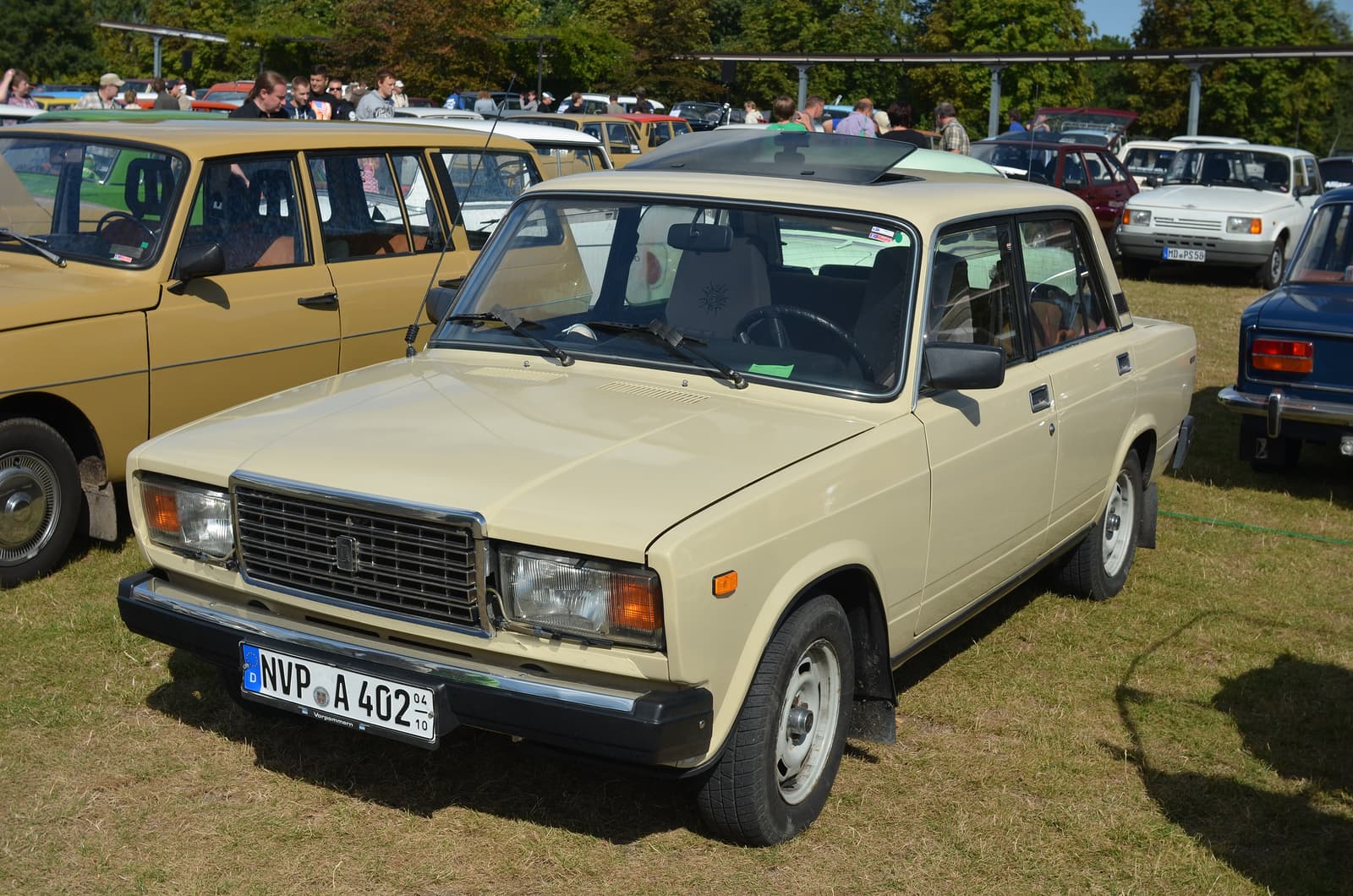
The model was created as a development of the already produced VAZ-2105.
The main differences were in the design and equipment details.
The car received:
- a new radiator grille;
- a modified dashboard;
- a tachometer instead of some control instruments;
- richer equipment for its time.
The technical basis remained practically unchanged.
Like other representatives of the classic family, the car was based on the Fiat 124 design, which became the starting point for the first "Zhiguli".
Why Production Continued for So Long
By the time front-wheel-drive models appeared, it seemed that the days of the classic family were numbered.
However, reality turned out to be different.
Production of the VAZ-2110 ended in Tolyatti in 2009, while the production of the VAZ-2107 continued for several more years.
After production was moved to Izhevsk, the car remained on the assembly line until April 17, 2012.
The main reason for such longevity was sustained demand.
Buyers were attracted by:
- low cost;
- simplicity of design;
- availability of spare parts;
- the possibility of repair in almost any conditions.
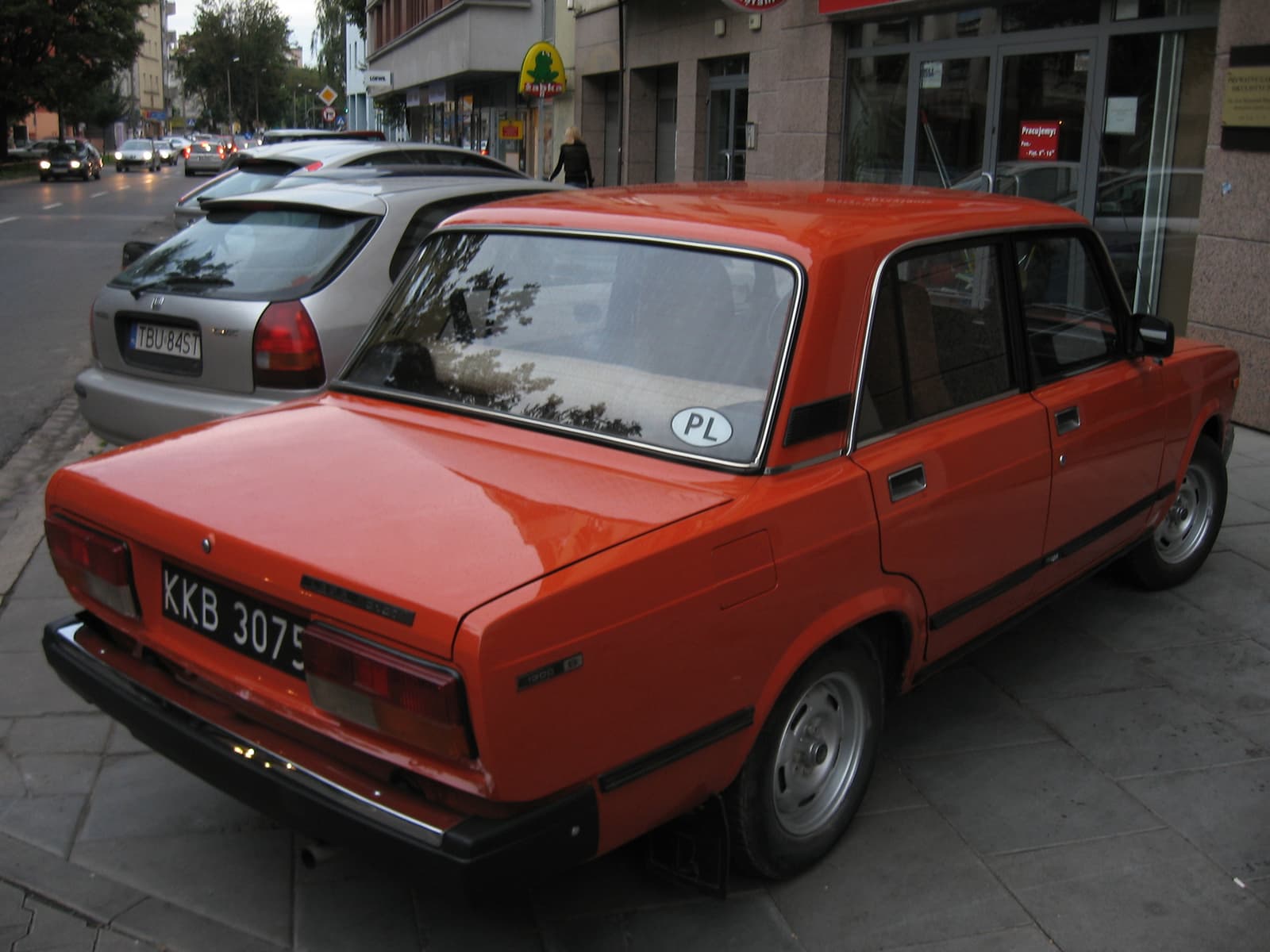
For many owners, these qualities were more important than modern technical solutions.
Exports Brought Foreign Currency Revenue to the Plant
Almost immediately after the start of production, the car went to foreign markets.
Exports were an important part of the enterprise's work, as they ensured the receipt of foreign currency revenue.
In some markets, the model was sold under different names.
The most famous were:
- Lada Riva — in Great Britain, Australia, and some other English-speaking countries;
- Lada Nova — in some European markets.
Despite different names, the cars were almost identical in design, limited to adaptation to the requirements of a specific country.
Why the "Classic" Could Not Be Replaced Quickly
The main power unit of the classic family was created back in the 1960s.
Over the decades, the engine was repeatedly modernized, but it never became a fundamentally new design.
As environmental requirements became stricter, modernization became more complex and expensive.
The economic difficulties of the 1990s and early 2000s did not allow the enterprise to quickly develop a completely new generation of budget rear-wheel-drive cars.
Therefore, AvtoVAZ continued to produce a model that remained in demand among buyers.
Production Continued Even Outside Russia
After production ended in Tolyatti, production continued at several sites.
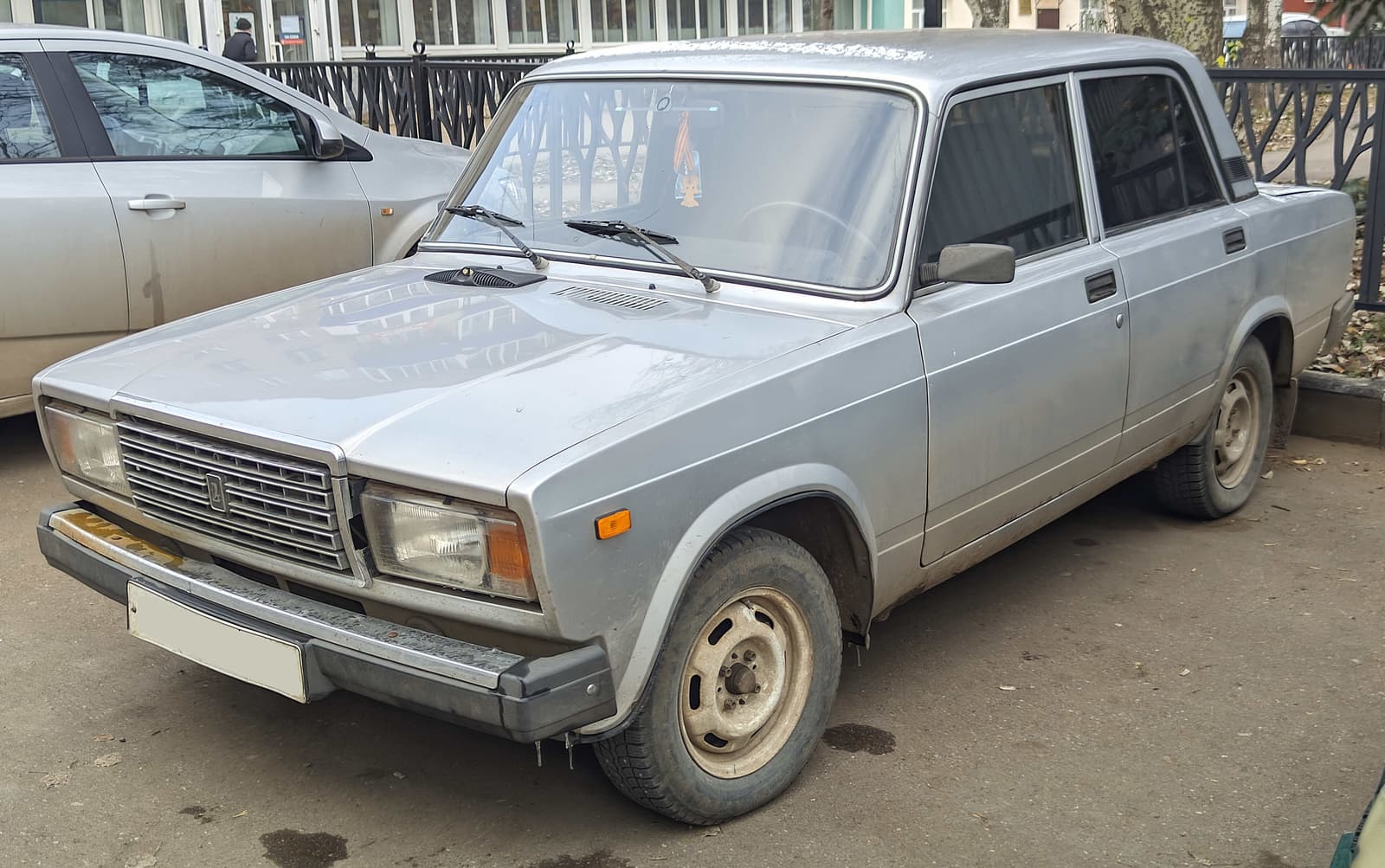
Until April 2012, cars were assembled in Izhevsk.
In addition, from 2006, an enterprise in Egypt operated under an AvtoVAZ license.
The plant, located near Cairo, carried out a full cycle of car assembly from supplied components.
Production there continued until approximately early 2014.
The Car That Became Part of Everyday Life
Over the years of production, the VAZ-2107 became not just a mass model, but one of the most recognizable domestic cars.
It could be found:
- on city streets;
- in rural areas;
- in taxi services;
- in government organizations;
- in domestic films and TV series.
For many motorists, the "seven" was their first car or a car inherited from their parents.
During its production at plants in Tolyatti, Izhevsk, and Egypt, about 3.1 million VAZ-2107 family cars were produced.
No other AvtoVAZ model could remain on the assembly line for so long with practically no radical design changes.
The secret of its success turned out to be quite simple: an affordable price, maintainability, ease of service, and a familiar design made the VAZ-2107 a car that outlived several generations of its own successors and forever entered the history of the Russian automotive industry.
Read more materials:
- Why round holes are drilled in new asphalt
- Why cars are imported into Russia in parts and what a "constructor" is
- The history of GAZ-2308 "Ataman": an ambitious project that was ahead of its time
Комментарии