Sales of the Volkswagen Lavida XR sedan have started in Russia, available through parallel imports. This car has become an alternative to budget models such as the Volkswagen Polo, and offers a competitive price. The new product is available on the market from 1.45 million rubles, which is cheaper than the basic version of the Lada Vesta, which costs from 1.46 million rubles, and reaches 1.97 million rubles in the maximum configuration.
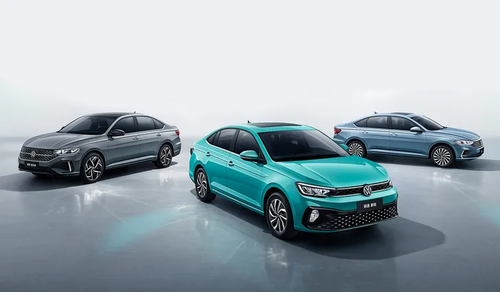
The Volkswagen Lavida XR is equipped with a 1.5-liter MPI gasoline engine with 112 hp, operating on the Otto cycle, paired with a six-speed automatic transmission. This technical solution is reminiscent of the engines previously used in Skoda and Volkswagen models for the Russian market. The car is offered in different regions: in Sevastopol and Simferopol the price starts from 1.75 million rubles, in Blagoveshchensk - from 1.76 million rubles, and in Tyumen - from 1.93 million rubles.
In the Outstanding configuration, the sedan received a fabric interior, air conditioning, a multifunctional steering wheel, a digital instrument panel and a media system with a large touch screen that supports Apple CarPlay and Android Auto. There is also an electronic parking brake with AutoHold function, LED daytime running lights and 15-inch alloy wheels.
Комментарии