In the first quarter of 2026, Tesla produced 50,000 more cars than it sold — the largest gap in the company's history. According to reports, Elon Musk's factory produced 408,386 cars, while delivering 358,023 to customers. Unsold cars remain in warehouses and parking lots.
Despite a 6% year-over-year increase in sales, the results did not meet analysts' expectations. The electric vehicle market in the US is slowing down, especially after the cancellation of the $7,500 federal subsidy.
The reduction in incentives has affected the affordability of electric vehicles. At the same time, demand is limited: studies show that only a small proportion of buyers consider EVs as their next purchase.
The situation reflects a general trend. Factories are cutting back on electric vehicle programs and postponing new models. The industry is shifting to more restrained growth after a period of active subsidization.
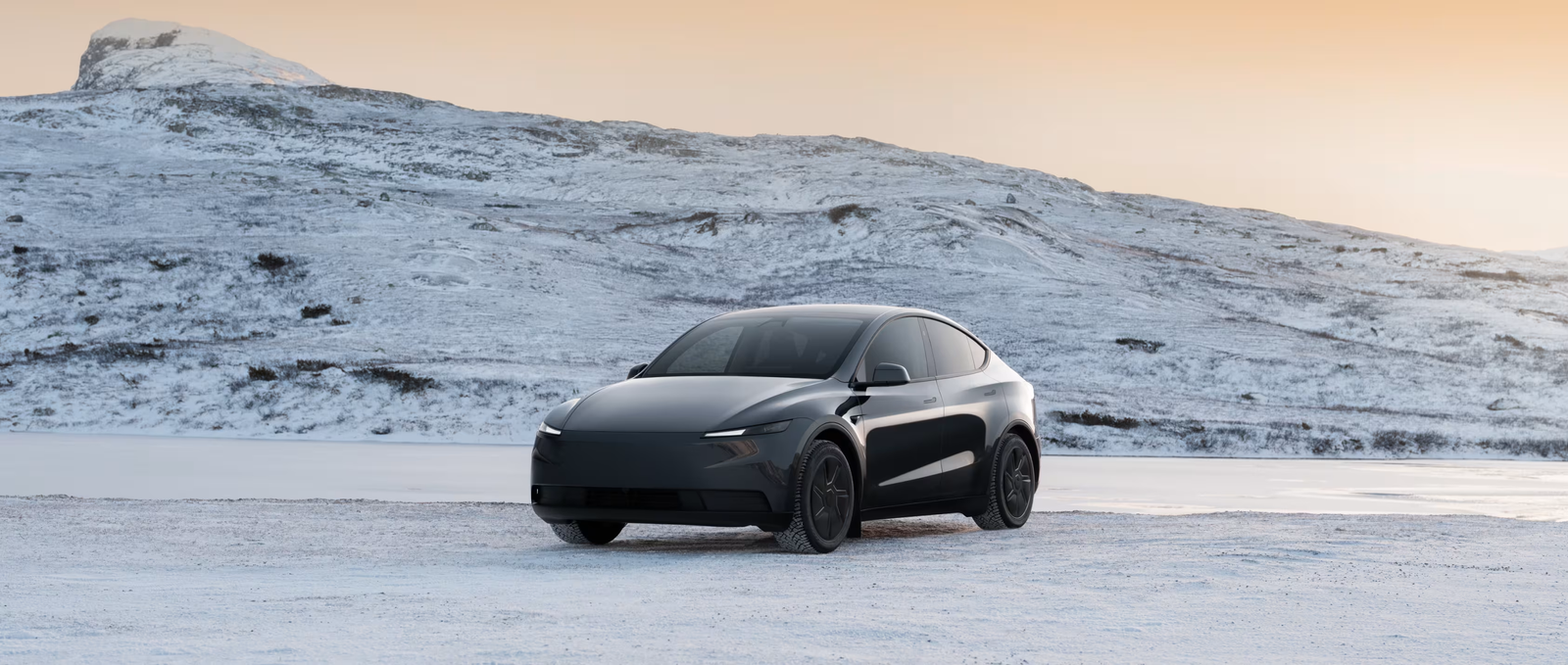
An additional factor is Tesla's aging model line and dependence on the Model 3 and Model Y. The company continues to invest in autonomous technologies, but the current task is to sell the accumulated cars.
Read more materials:
- Legendary Nissan GT-R returns in a hybrid version
- This Mercedes-AMG can drift — even as an "electric car"
- Toyota launches Land Cruiser FJ sales in Thailand