"Save money and you've earned money," we think as we pull up to the next gas station. On one side of the road is a familiar brand with familiar prices, on the other is a modest sign promising the same AI-95, but five rubles cheaper. It seems like a small victory over rising prices. Fill up, start the engine, and drive away. But this instant benefit may hide a real technical trap, the consequences of which will not appear immediately.
"Cheap gas" is not just a colloquial expression, but a real phenomenon faced by thousands of car owners across the country. And its price is not only rubles, but also kilometers of lost engine life.
What exactly is meant by "cheap fuel"?
Let's clarify right away: we are not talking about discounts in large chains like Lukoil or Gazprom Neft. We are talking about gas stations with unknown names, often without a brand, where a liter costs noticeably less than at neighboring stations. You rarely see a cashier in a branded uniform or fresh certificates at the pump, but the price tag is attractive.
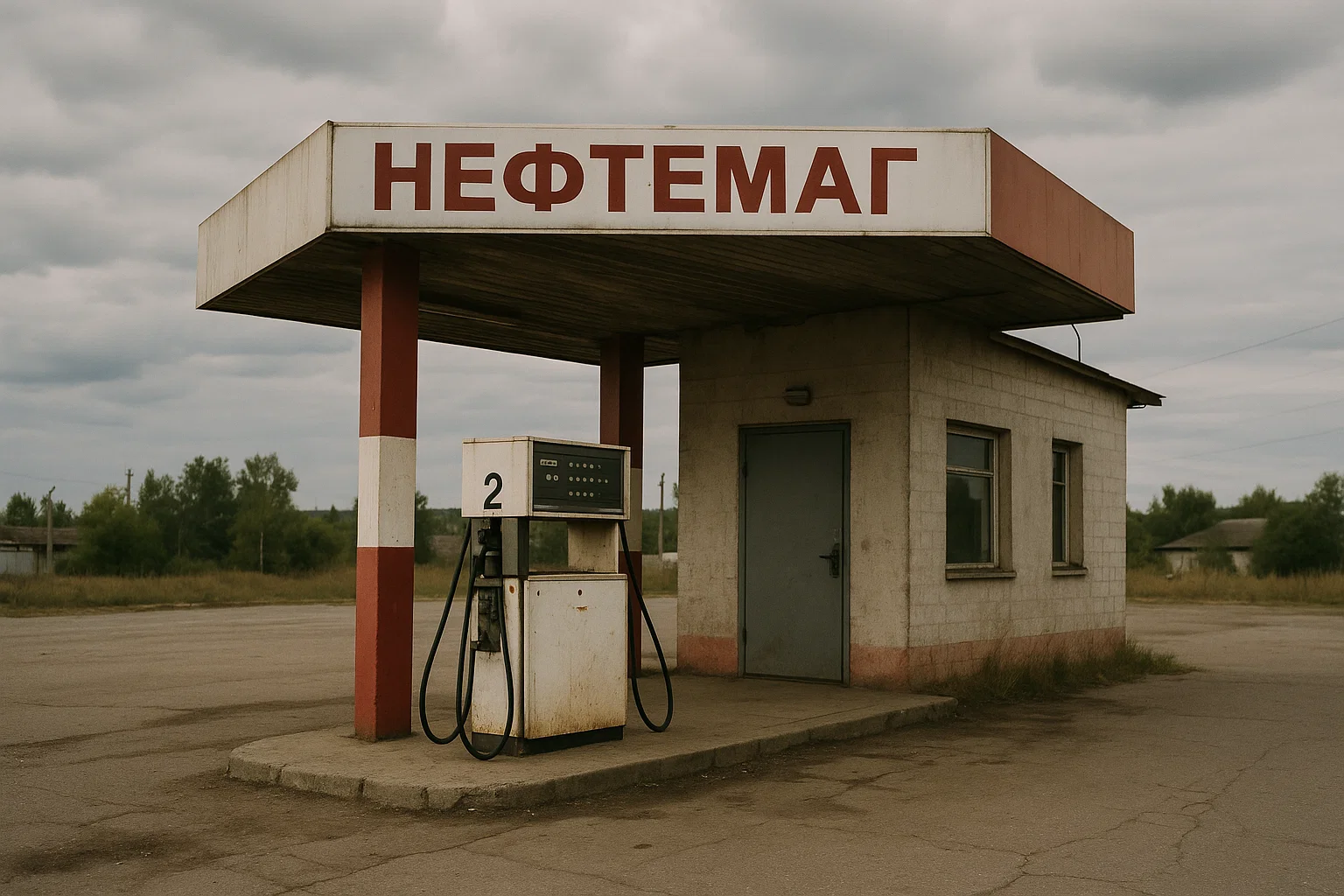
Many drivers sincerely believe that gasoline is the same everywhere: "it all comes from the same refinery!" But the reality is different. At unnamed gas stations, fuel may be stored in old tanks, diluted with technical fluids or water. And the consequences of such "discount fuel" sometimes become devastating.
What are the dangers of cheap fuel: a technical analysis
Almost all such cases have similar causes. The main threats are:
- Water and impurities. Even a small amount of moisture causes corrosion, destroys the fuel system, clogs injectors, and disables the pump.
- Low octane number. This means that the fuel detonates ahead of time. The result is overheating, vibration, and sometimes damage to pistons or valves.
- Sediment and dirt. When using low-quality gasoline, deposits form that clog filters and fuel lines. Symptoms include loss of power, fluctuating revs, and increased consumption.
- Dubious additives. To "reach" the desired octane number, artisanal gasoline is often mixed with alcohols, sulfur, acetone, or aromatic hydrocarbons. All this corrodes gaskets and destroys the internal surfaces of cylinders.
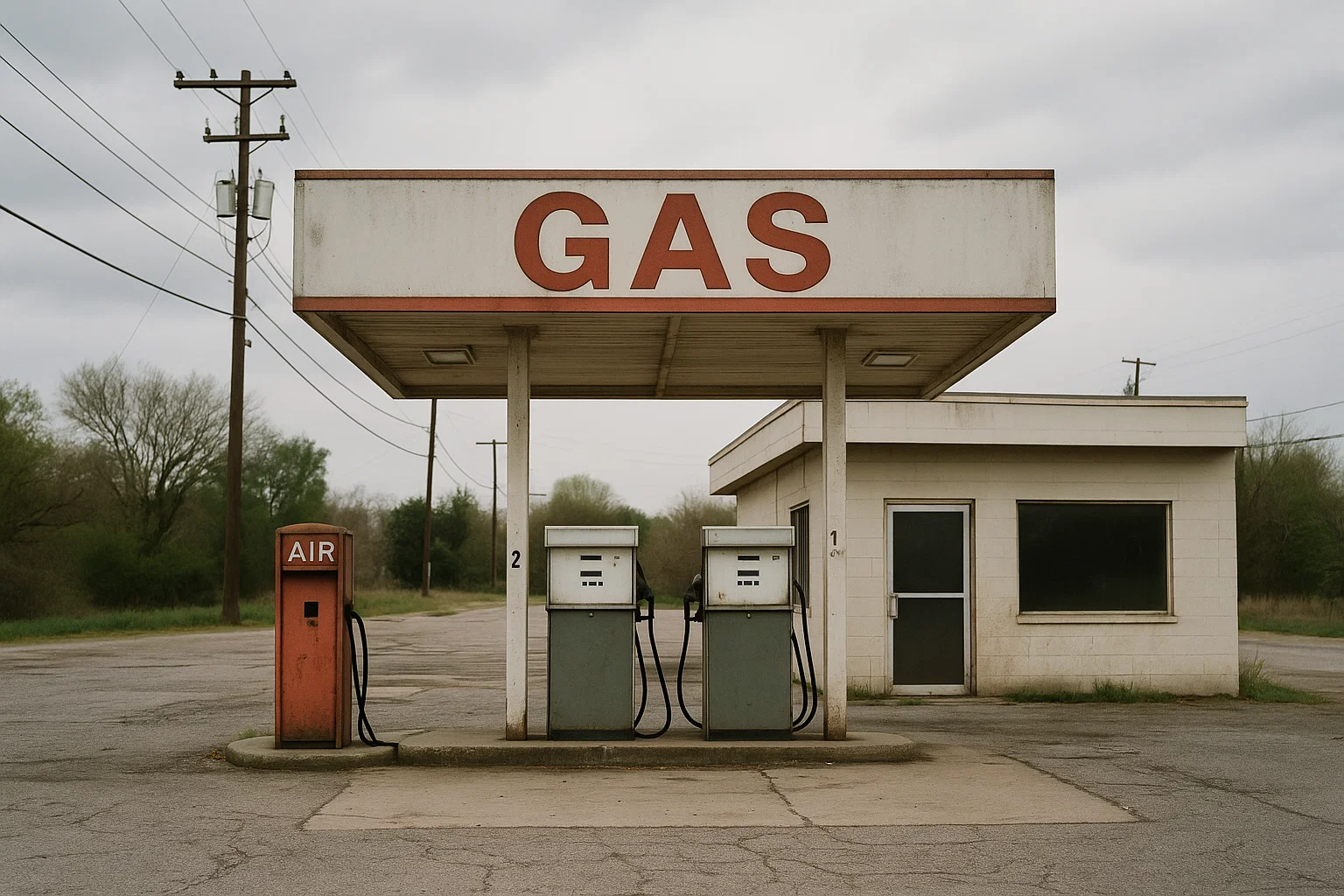
Sometimes a car runs on such "fuel" for months - until it suddenly starts to stall or smoke. And proving that a particular gas station is to blame is almost impossible: neither the laboratory nor the dealer will confirm the connection if there is no official sample.
What experts and statistics say
According to the Russian Union of Motor Insurers, approximately 20% of requests to service centers under warranty are related to the consequences of poor-quality fuel. At the same time, in most cases, the driver is not even aware of the problem - until it results in serious repairs.
Auto experts are unanimous: saving on gasoline does not justify the risk. Network companies are regularly checked by independent laboratories, control the octane number, purity and composition of the fuel. There are no such checks at small gas stations - and it is there that forgeries or storage violations are most often found.
On automotive forums, you can find hundreds of stories about how "saved" 300 rubles turned into replacing a fuel pump or overhauling an engine.
Is it worth the risk?
If you calculate all the costs, it becomes obvious: saving on fuel is illusory. Even with a difference of 4–5 rubles per liter, the benefit per month is several hundred rubles. And the cost of repairs is tens of thousands.
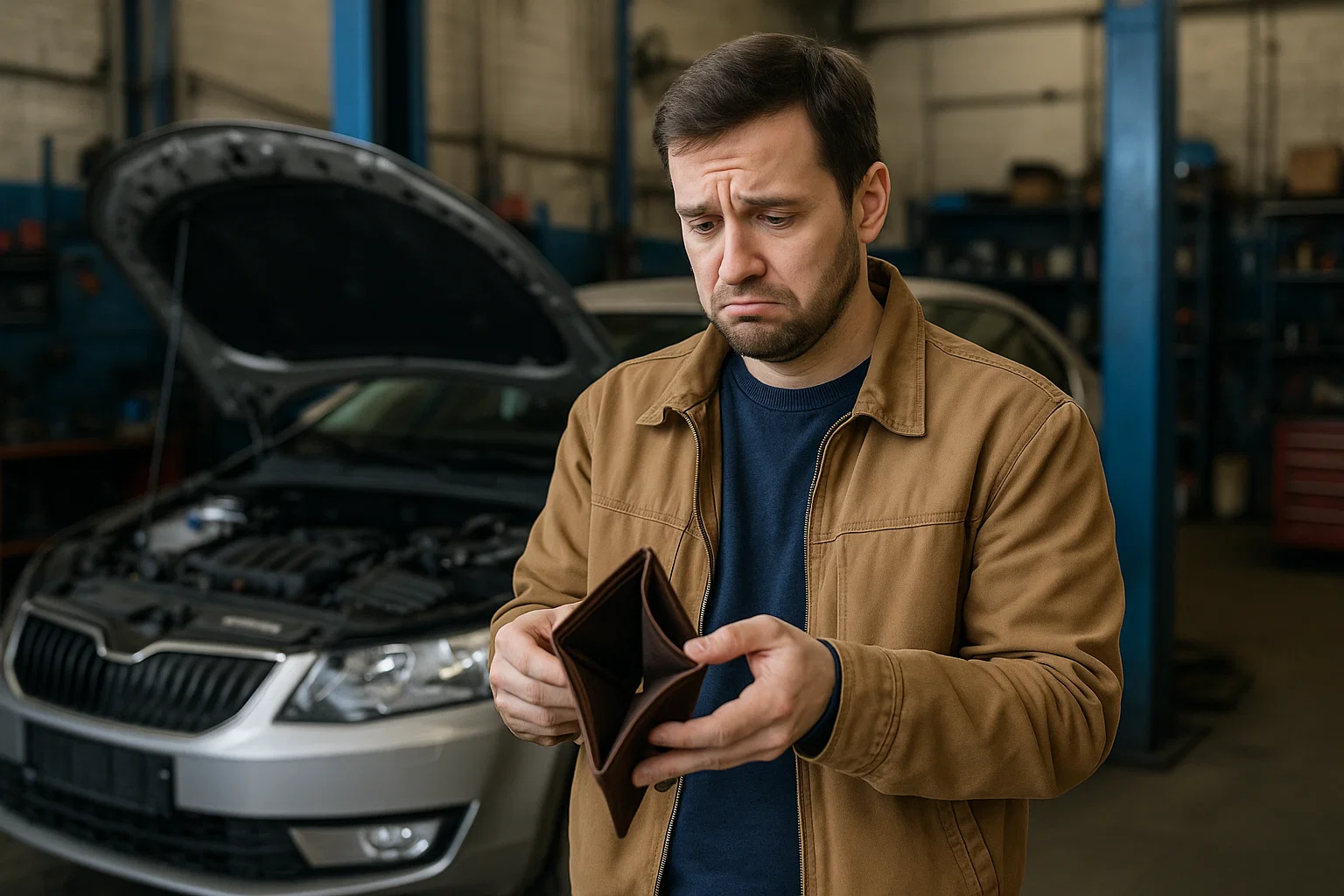
In addition, bad fuel reduces engine life, worsens dynamics, and affects the final cost of the car when sold.
What to do if you've already filled up with "the wrong stuff"?
- Don't wait for symptoms. Get diagnosed immediately, especially if you notice jerks, the smell of gasoline, or a flashing "check engine" light.
- Flush the system. The mechanic will clean the injectors, replace the filter, and check the condition of the pump.
- Keep receipts. If fuel is purchased on the road, keep proof. In rare cases, you can get compensation.
- In the future, you should only choose gas stations that have a good reputation. Even if this requires additional costs, it is better than facing the need to repair the engine in the future.
The desire to save money is understandable to every driver, especially when a liter of gasoline approaches a psychological mark. But the experience of many car owners shows that cheap gasoline is not a benefit, but a deferred repair.
As they say, free cheese is not only in a mousetrap, but also right in your gas tank. And there it costs much more.
Read more related articles:
- Top 5 most reliable two-liter turbo engines from Europe
- The most reliable engines of the last 20 years have been named
- Typical breakdowns of cheap Chinese crossovers have been named
Comments