After the departure of renowned manufacturers, the Russian tire market was filled with Chinese brands, and today buyers are offered "almost European quality, but four times cheaper." Reviews do indeed assure that the savings are significant, but a more complex picture lies behind this wave of enthusiasm. There are now dozens of Chinese manufacturers, and the situation is shaped simultaneously by marketing, production features, the structure of OEM supplies, and real data from tire shops and tests.
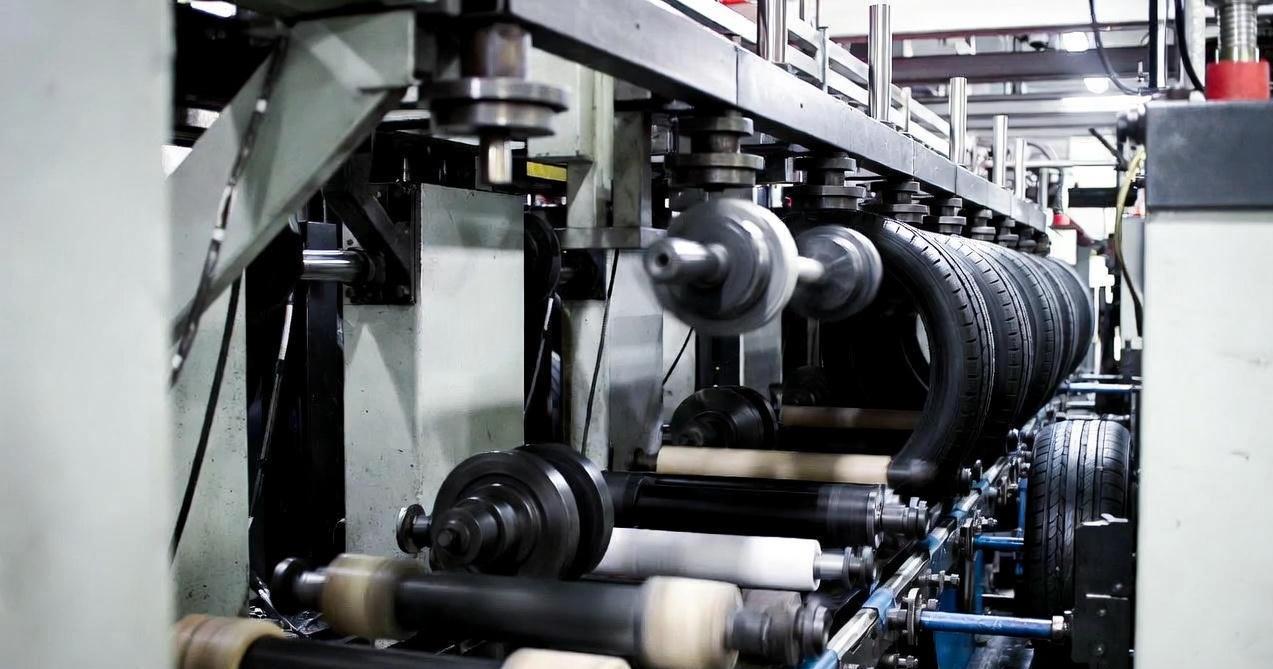
Chinese tires are conventionally divided into three groups. The first is factory tires, which are used to equip new cars, including European and Korean brands assembled in China. The second is the "old guard": Maxxis and Triangle, which have been present in Russia for a long time. The third is a stream of new brands, from Goodride and RoadX to ChaoYang, Doublestar, and Landsail. In China, tires for different markets are made differently: with equal quality standards, the formulations of the compounds will differ. Chinese operation is tougher on sidewalls, so they are reinforced, the composition is changed, sacrificing economy and handling on wet surfaces. Hence the difference in characteristics between Chinese and European versions of tires of the same brand.
The OEM segment includes Giti, Atlas, and ChaoYang - they equip most Chinese crossovers. Tires of these brands almost always end up in the middle of the ratings in tests: average handling, low efficiency on wet asphalt, high noise, but strong sidewalls. Websites are full of ads for the sale of new sets removed from cars immediately after purchase - owners change them to more predictable options.
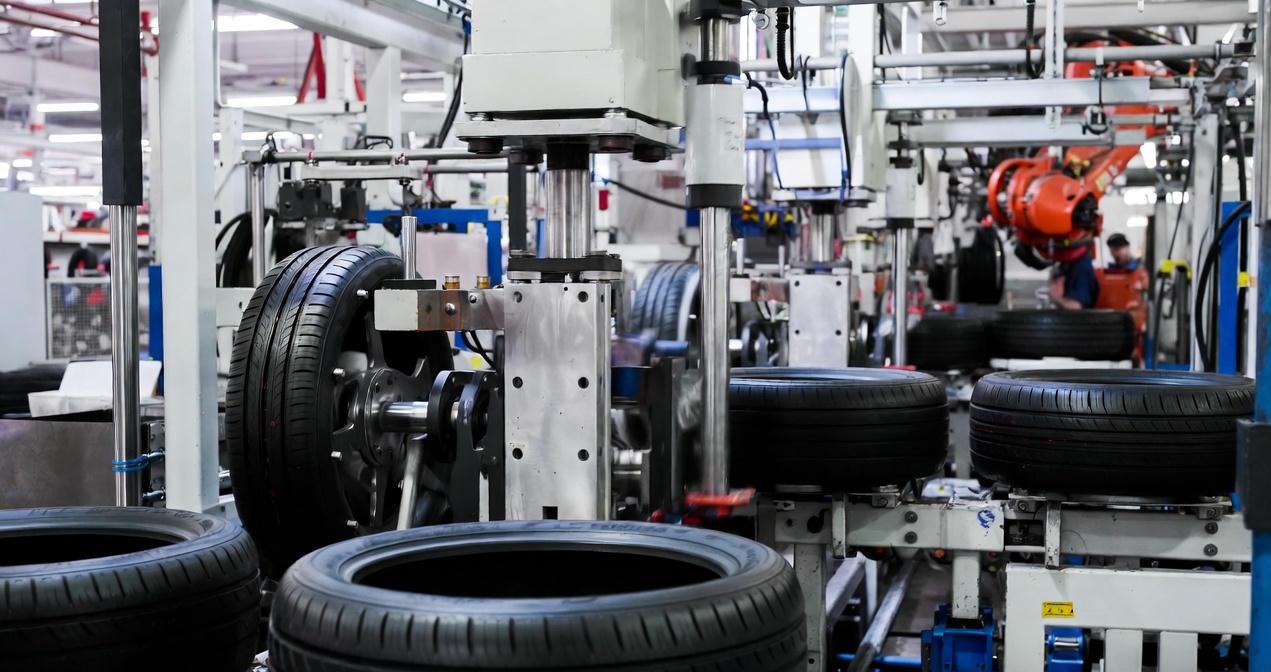
Triangle and Maxxis, long considered the "first wave of Chinese," show mixed results. Triangle is consistently weak in European tests: summer models lose to leaders by 15-20%, winter models are better on snow, but very weak on ice and wet asphalt. Tire shops confirm the typical problem for the brand: vibrations after 100 km/h even with perfect balancing. Maxxis, on the contrary, confidently maintains the status of a "solid middle peasant": both summer and winter models show stable results, and the off-road line AT-811 Razr and AT-980E are universally praised for comfort and durability.
The situation is heterogeneous for the huge group of "newcomers" - Goodride, Westlake, Sailun, RoadX, Blackhawk, Doublestar, LingLong. In tests, most of these tires occupy the bottom lines: a long braking distance on snow and wet surfaces, weak lateral stability. However, in real operation, owners rate them higher: "normal for the money," "quite comfortable," "not noisy." Tires from the Zhongce, Sailun, and LingLong groups are especially popular - many models show acceptable behavior on snow and deep puddles, but require caution on wet asphalt and at high speeds.
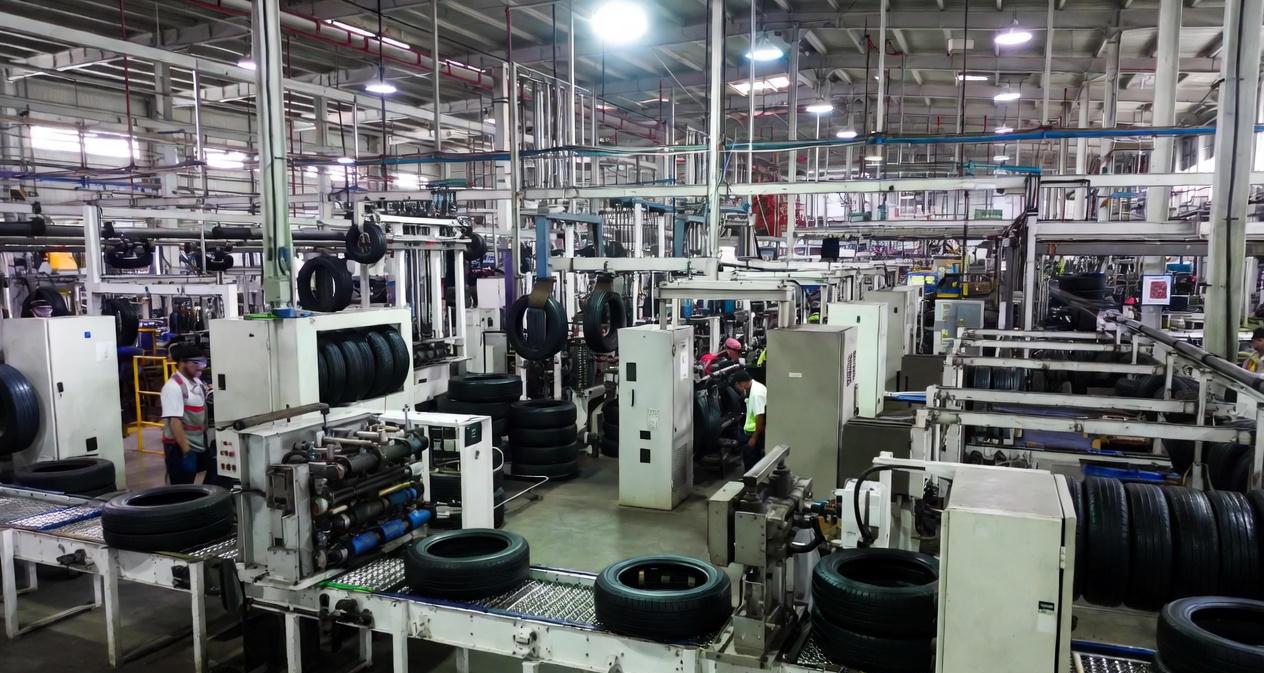
The Russian market has become a testing ground for all these models: Europeans practically do not test Chinese tires, and the Chinese themselves do not publish detailed reports. Therefore, all statistics are a combination of tests from several foreign publications, owner reviews, and tire shop observations. The latter say directly: everyone has defects, but cheap domestic tires suffer from it more often than Chinese ones. At the same time, any serious difference in the behavior of the car usually manifests itself only at high speed, in sharp maneuvers, or on ice - in normal modes, most modern tires behave approximately the same.
As a result, the picture looks like this: Chinese tires have taken over the market due to price, variety of sizes, and lack of alternatives. Counterfeiting has almost disappeared thanks to labeling, and the risk of buying an outright "stick" is minimal. But it is important to understand the limitations: Chinese tires reduce the ultimate capabilities of the car, increase noise, vibration, and lengthen the braking distance on wet surfaces. For those who often drive fast, aggressively, or on ice, savings can backfire. But for urban mode and moderate speeds, most proven Chinese brands really allow you to drive safely, especially considering the price difference between Michelin and a conditional LingLong of 200-250 thousand rubles per set of large sizes.
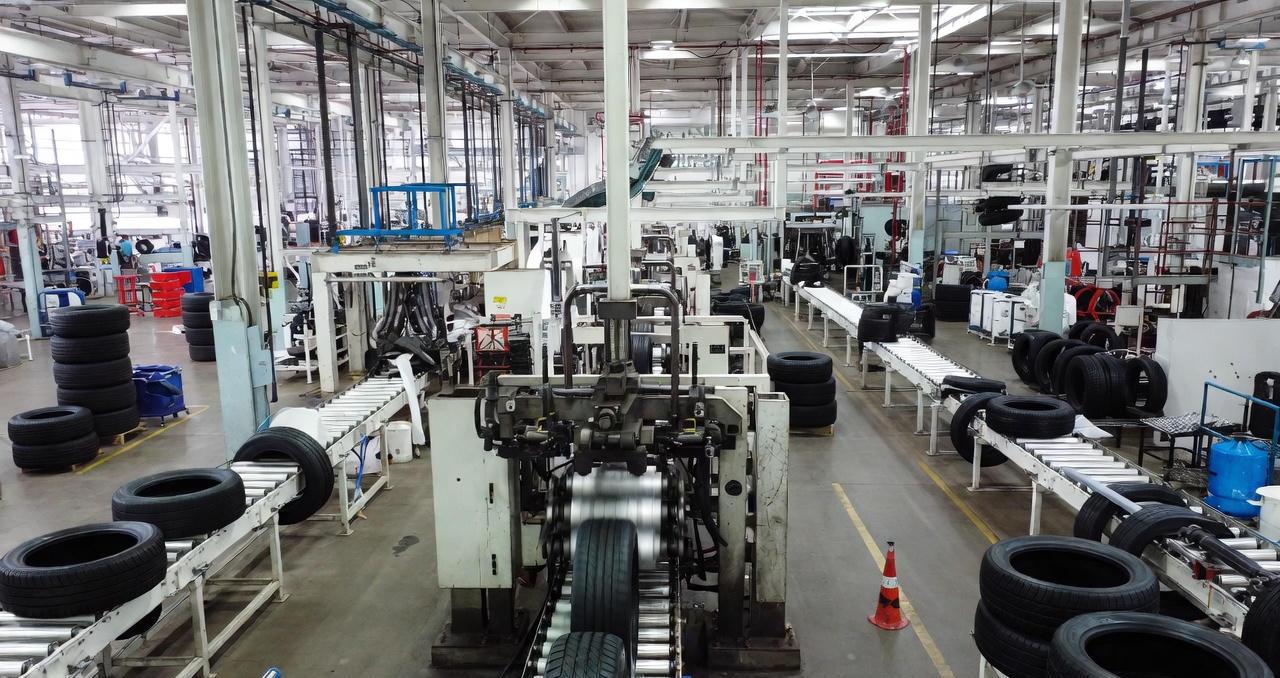
The conclusion is simple: there are no perfect tires, but Chinese brands have ceased to be exotic and are already forming a separate culture of choice. If the budget is limited and the driving mode is calm, this is a working option. If maximum performance is needed, premium tires are still out of competition, and the overpayment here is justified exactly as much as safety costs in an unpredictable moment.
Read also materials:
- AvtoVAZ officially explained what kind of gasoline should be poured into Lada
- "Moskvich" announced prices for the "Moskvich 6" sedan of the 2026 model year
- Tank raised prices for the entire model range in Russia: Tank 500, 700 and 400 have become more expensive