BMW has abandoned live labor in some operations of the battery assembly shop at the Leipzig plant. Humanoid robots, which the company calls "Physical AI," will assemble components and high-voltage batteries. The project is being implemented jointly with Hexagon, which introduced the Aeon robot in June last year.
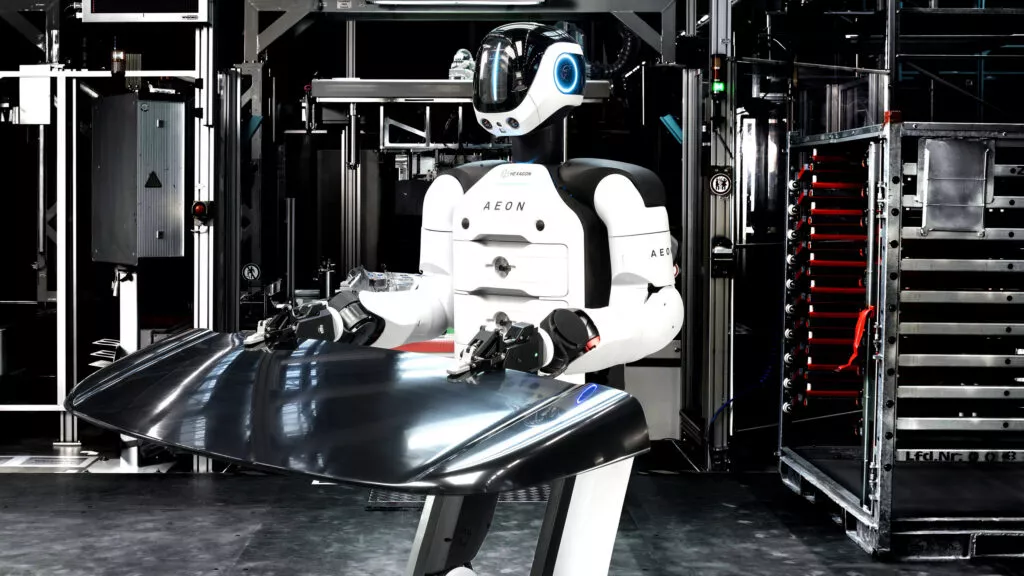
Preliminary tests at the Leipzig site were conducted in December 2025. A full-fledged pilot phase will start in the summer of 2026. We are talking about introducing robots into the processes of assembling components and battery modules.
This is not BMW's first experience with humanoid technology. Previously, the Figure 02 robot from Figure AI worked at the Spartanburg plant in South Carolina for ten months. He worked 10-hour shifts five days a week and participated in the production of more than 30,000 X3 crossovers. During this period, the robot performed over 90,000 operations to precisely position and install sheet metal parts for welding.
The company emphasizes that the introduction of "Physical AI" is aimed at freeing employees from monotonous, heavy and potentially dangerous tasks. At the same time, the use of robots increases the competitiveness of production.
Similar projects are being implemented by other automakers. Mercedes-Benz is testing the Apollo robot in Berlin. Hyundai Motor Company plans to expand the use of such solutions in the United States by 2028. Tesla is developing its own Optimus robot.
Read more materials:
- AvtoVAZ made a statement about prices for Lada
- Category "B" rights may become "all-terrain"
- Mazda called electrification incompatible with the MX-5
Комментарии