Modern mass automotive production increasingly demonstrates a striking similarity in technical components. Most civilian models today use an inline "four" of a relatively small volume, supplemented by turbocharging, a direct or combined injection system, and variable valve timing mechanisms. Unification has become the norm. However, there are cars in history whose engines categorically did not fit into the standard framework. It is about these cars that we will talk about.
Mercedes-AMG One
It makes sense to start with a car whose power unit came directly from Formula 1. In words, everything looks simple: a Formula engine is taken and installed in a road car. In practice, this is a complex and extremely expensive engineering task.
Formula engines, with a small displacement, develop colossal power, spin up to 19–20 thousand rpm, are designed for a constant flow of cooling air, and are practically not adapted to the urban mode. Their idle speed reaches 5000 rpm, and the resource is minimal — the task of such an unit is to provide maximum output.
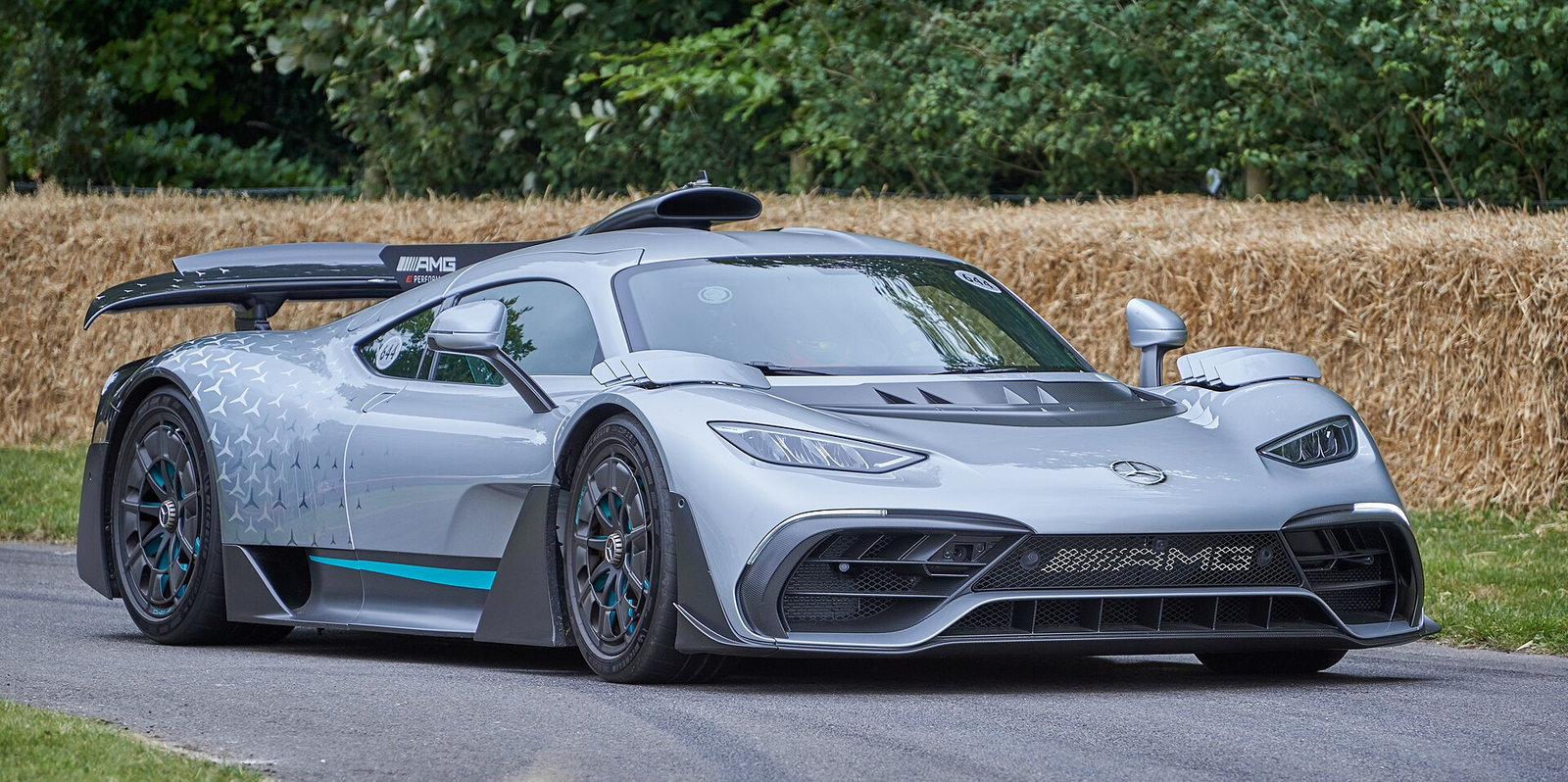
Therefore, in ordinary cases, the "kinship" of racing and road engines often turns out to be marketing. However, in the case of the AMG One, it is the Formula 1.6-liter engine that is used, adapted for civilian operation. The revs were reduced, a catalytic converter warm-up system was added, and other changes were made, but the cylinder block remained, as did the hybrid system with energy recovery. Moreover, it is required to bleed the pressure in the fuel tank before refueling. Even after modifications, the engine life in road conditions remains very modest — less than 50 thousand kilometers before overhaul.
Mazda Repu
In 1974, Mazda introduced a pickup truck with a rotary engine, the name of which was deciphered as Rotary Engine Pick Up. The idea of combining a utilitarian truck with a Wankel engine looked bold, but dubious.
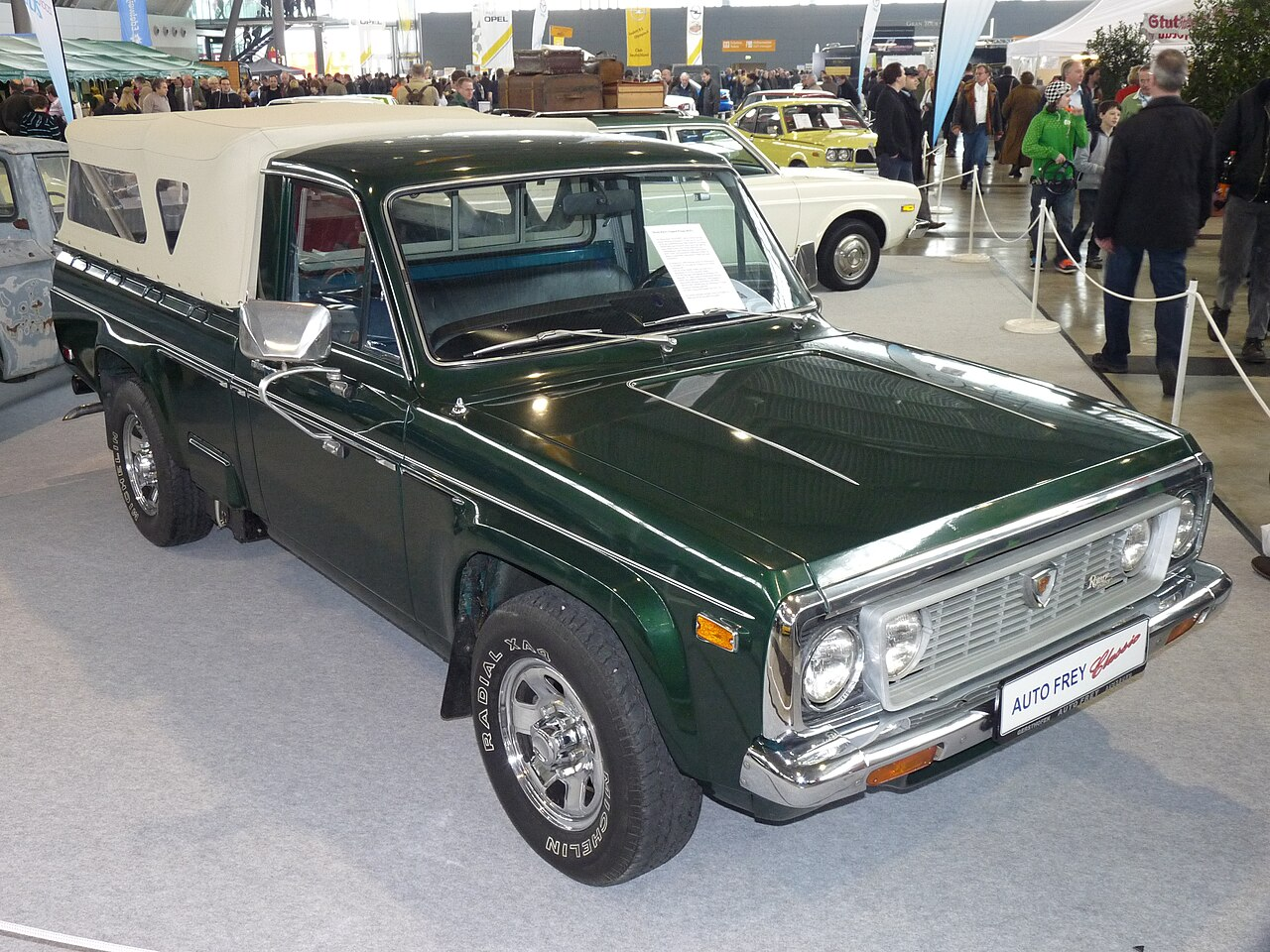
The only obvious advantage of the rotary engine was the smaller number of parts compared to a classic piston ICE. This is where the advantages actually ended. The pickup needs torque at low revs to carry cargo, while the rotor develops power mainly at high revs. The unit was not economical, and the resource left much to be desired. Despite the favorable moment — the mid-1970s, when the build quality of American manufacturers decreased (on average, up to 25 defects per new car) — the Repu sold poorly. From a practical point of view, the model turned out to be unsuccessful, although from a historical point of view, it is certainly curious.
Citroën 2CV Sahara
The all-wheel drive version of the iconic French Citroën 2CV featured a truly non-trivial design. Instead of developing an angular gearbox and a driveshaft, the engineers went the other way: they added a second engine installed at the rear to the front-wheel drive.
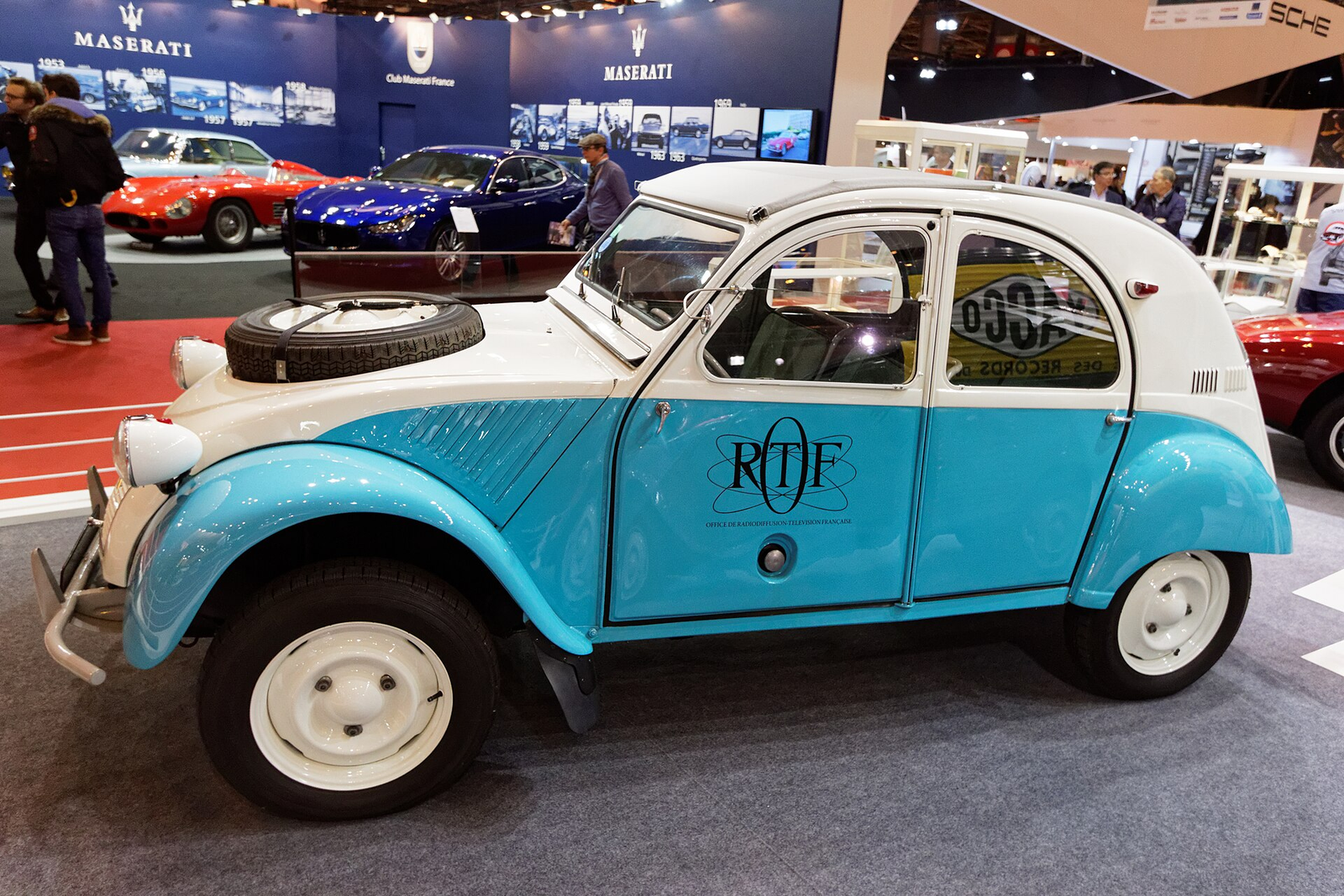
The car received two engines, two gearboxes, two fuel tanks and two ignition locks, while the throttle valves were controlled by one pedal, and the gears were shifted by one lever. In all-wheel drive mode, the total power reached 24 hp, which made it possible to overcome the 100 km/h mark. Thanks to its light weight, the car demonstrated unexpected cross-country ability. An additional advantage was the ability to continue driving in case of failure of one of the engines — on front or rear-wheel drive.
Cadillac Fleetwood Brougham with V8-6-4
In 1981, Cadillac introduced the 6.0-liter L62 engine with an electronic cylinder deactivation system. Depending on driving conditions, two or four cylinders could be deactivated.
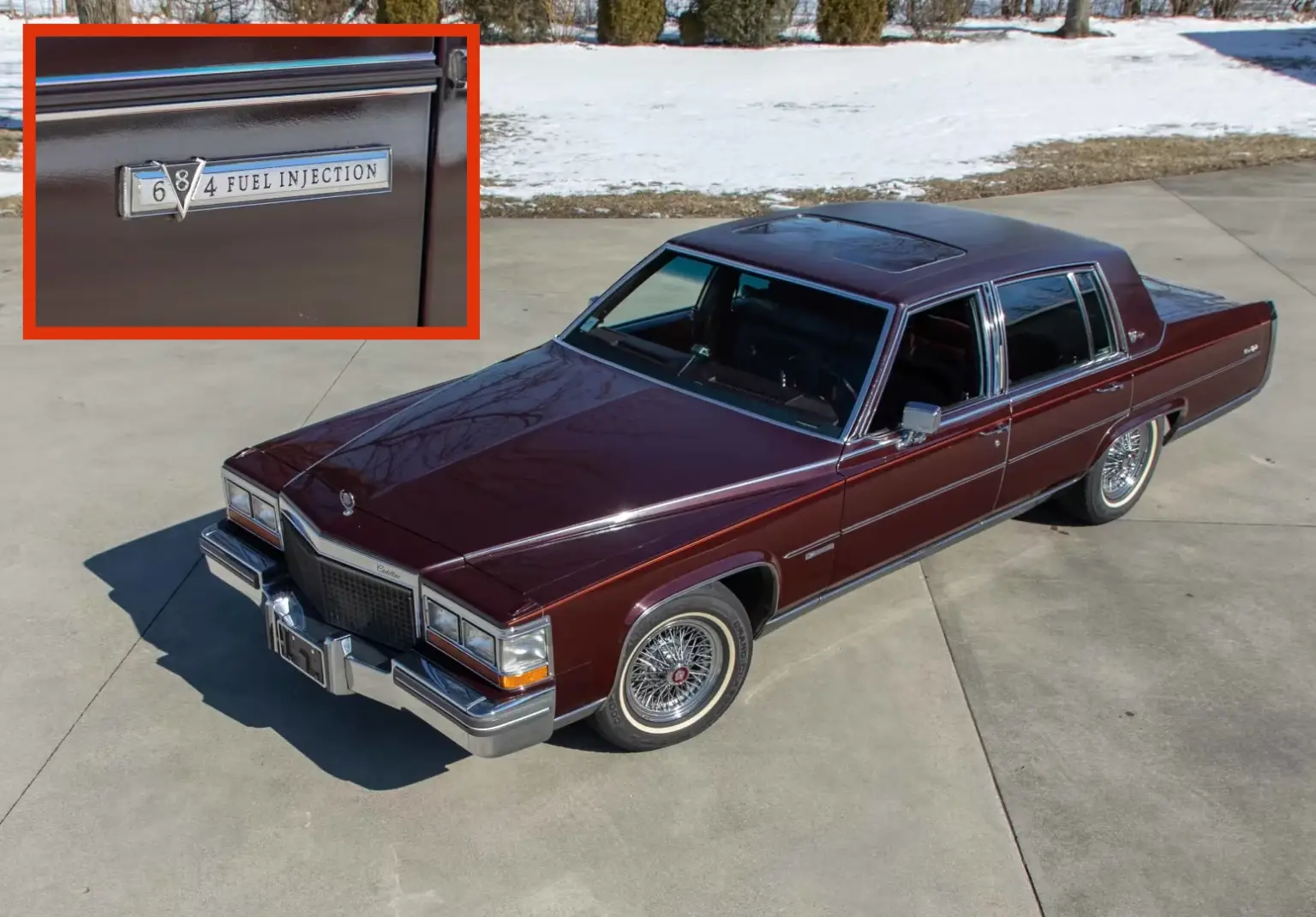
Even when all eight cylinders were working, the power was only 140 hp — the era of strict environmental standards and rising fuel prices dictated its limitations. The idea seemed reasonable: to maintain efficiency at cruising speed and have a power reserve if necessary. However, the level of technology in the early 1980s did not allow the idea to be implemented correctly. The electronic module reacted with a noticeable delay, the transitions between modes occurred untimely, which caused irritation among drivers. A year later, the engine was discontinued.
Volkswagen Passat W8
The fifth generation Passat is usually perceived as a model of restraint. However, under the hood of one of the versions was hidden an unusual atmospheric engine of the W8 configuration.
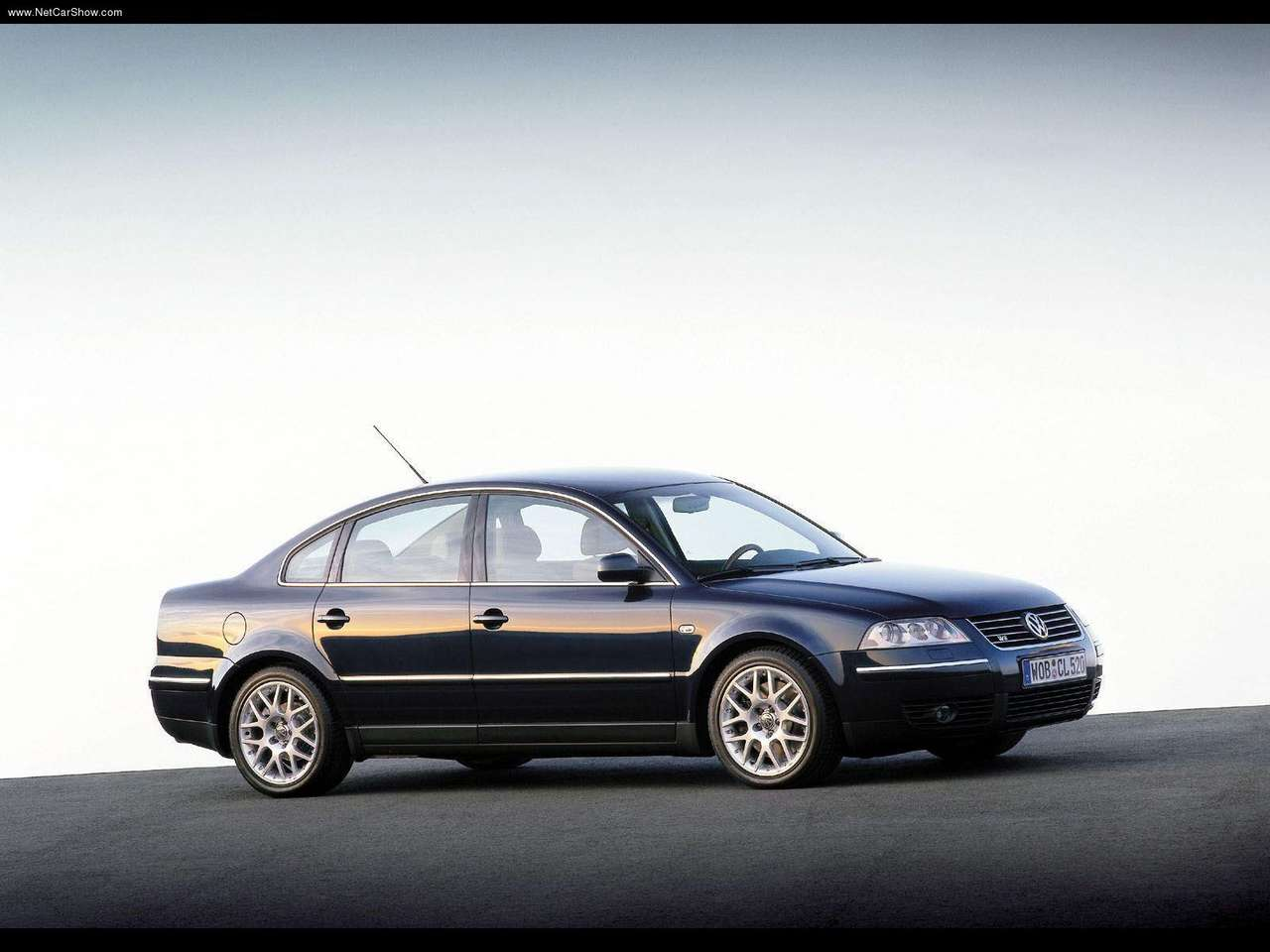
The cylinders in such an unit are located at an angle and are not coaxial, which makes the engine more compact than the classic V8. This is the only production car with a W8: more often this scheme is used with a larger number of cylinders — for example, the W16 in the Bugatti Veyron or the W12 in the Bentley.
The engine displacement was 4.0 liters, power — 275 hp, torque — 370 N·m. The unit was distinguished by smoothness and minimal vibrations. However, the high complexity of maintenance and not the most outstanding reliability negatively affected its fate.
Chrysler Turbine Car
This project became the embodiment of the idea of "retro-future". Instead of a traditional piston engine, the car was equipped with a gas turbine unit. A total of 55 cars were built, 50 of which were given to randomly selected citizens for everyday use.
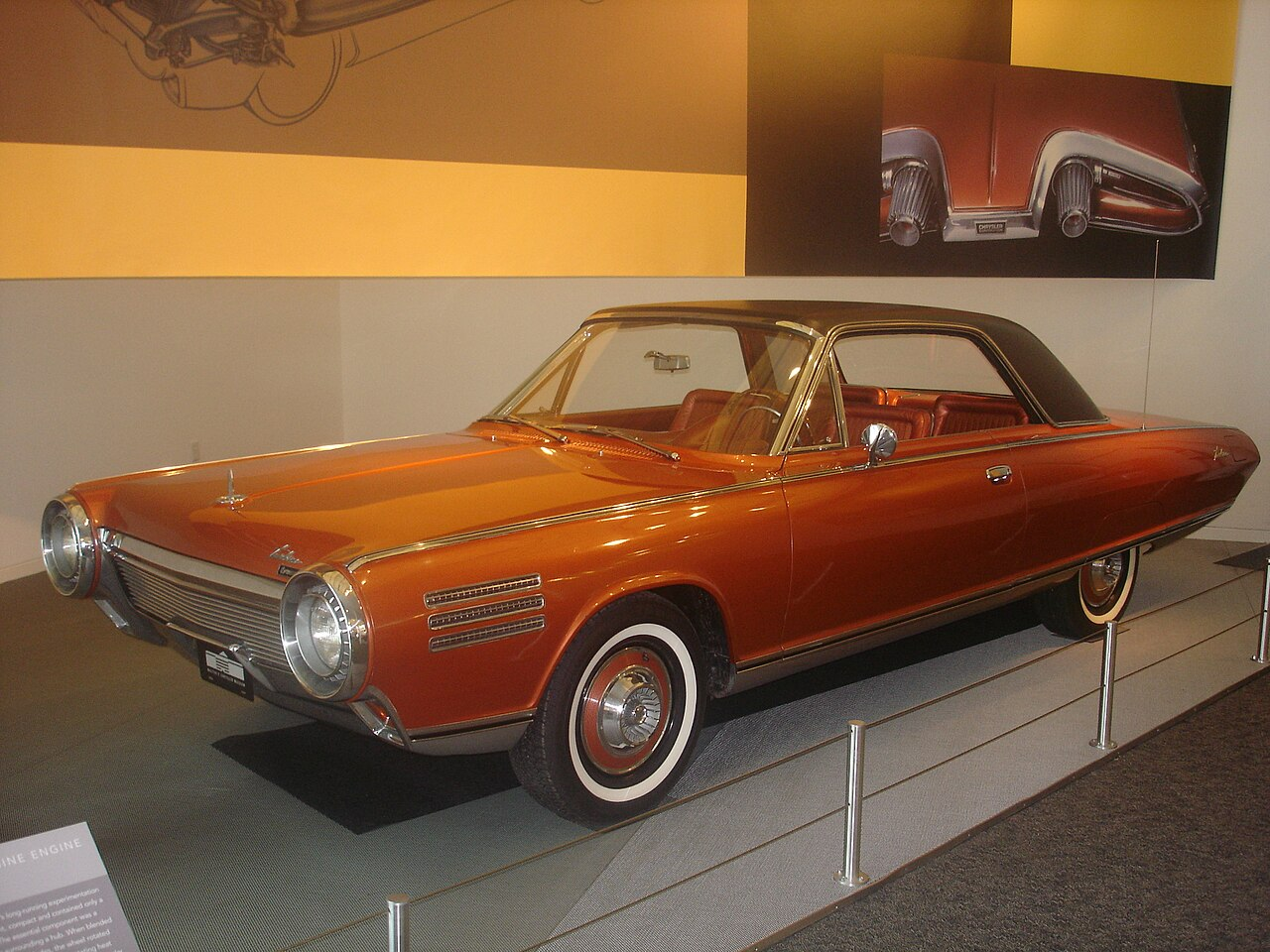
The driving comfort was at a high level: the vibrations were minimal, and the usual elements — suspension, brakes, automatic transmission — corresponded to standard passenger cars. The differences were revealed only by the characteristic hum and the "tachometer" with an idle speed of about 20 thousand rpm. Almost any fuel was suitable as fuel.
Despite successful tests, the project was not continued. The production of the engine turned out to be too expensive, and the fuel "omnivorousness" did not make much sense with cheap gasoline. In addition, the turbine generated a significantly larger volume of exhaust gases.
Tucker 48
This car still reached mass production and became a technological breakthrough for its time. Among the innovations are a rotary central headlight, disc brakes, tubeless tires and a triplex windshield.
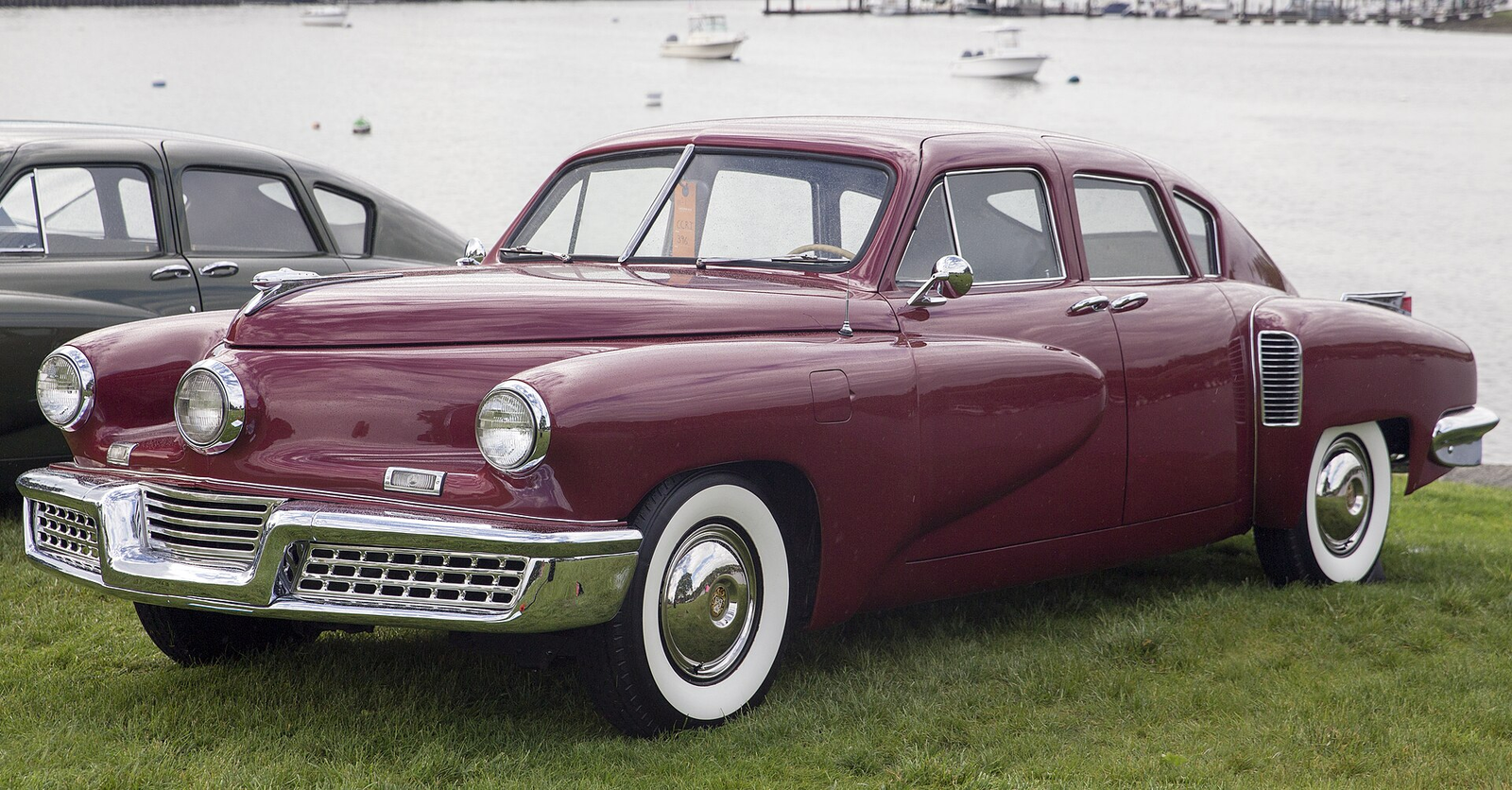
The engine was located at the rear and was a modified aircraft unit from a helicopter: a six-cylinder opposed engine with a volume of about 5.5 liters with overhead camshafts, supplemented by a liquid cooling system and a gearbox. The power was 166 hp at 3200 rpm, torque - 500 N·m at 2000 rpm. The unit provided smooth traction and had an impressive service life due to its aviation origin.
Nevertheless, production turned out to be short-lived. In two years, only 50 cars were produced, after which the project was closed. The founder of the company, Preston Tucker, proved to be more of a visionary than an effective manager, and the company could not stay afloat.
Read more materials:
- Why sports cars "shoot" when the gas is released
- 40 years of "Moskvich-2141": hope and disappointment
- Hydraulic shock: a second - and the engine is dead