Greenland is the largest island on the planet and an autonomous territory of Denmark, located off the coast of North America. About 80% of its area is covered with ice, and the road network familiar to Europe and Russia is practically absent here. This directly affects how local residents move around and what role cars play in everyday life.
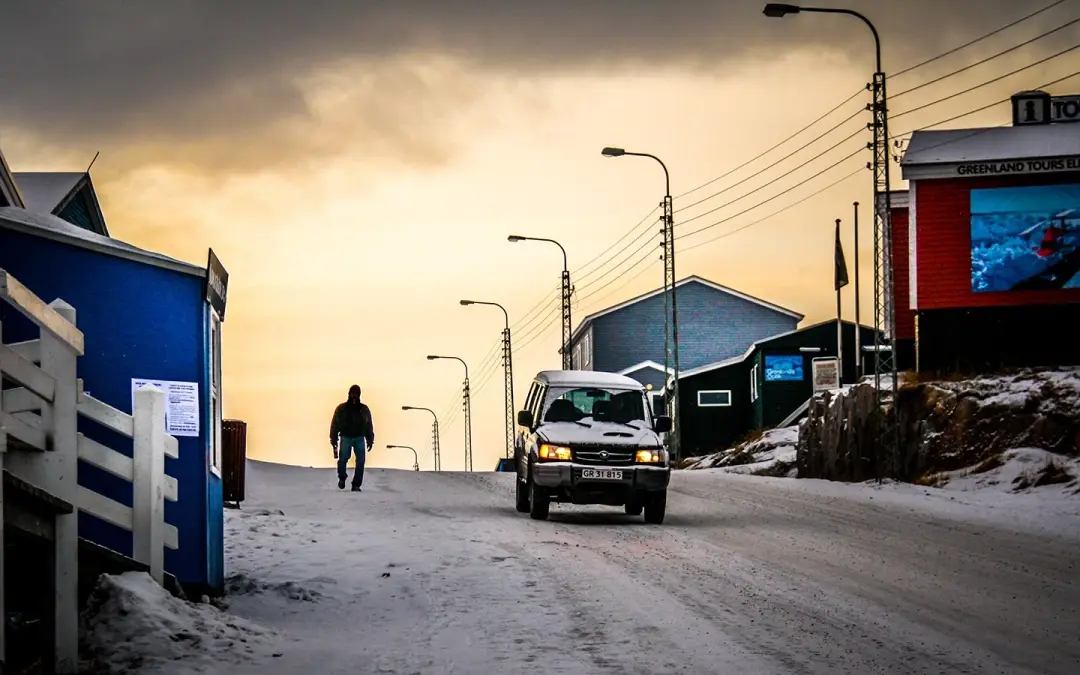
As of January 2024, the population of Greenland was 56,669 people. At the same time, the level of motorization remains one of the lowest among the Scandinavian regions - about 126 cars per thousand residents. Despite this, the vehicle fleet is gradually growing: compared to 2002, the number of registered passenger cars has more than doubled. However, even this growth does not change the overall picture - the car is far from the main mode of transport here.
The main reason is the lack of roads between cities and towns. For long-distance travel, residents use airplanes, helicopters, and sea vessels. In summer, boats and motorboats are popular, and in winter they are replaced by dog sleds and snowmobiles. The coast and fjords remain key transport arteries, and the fishing industry is almost entirely dependent on water transport.
Many Greenlanders own country houses in remote areas of the fjords. It is almost impossible to get to them by land, so the only way is by water. There are roads in the cities themselves, but the distances are short: people often move around on foot, by taxi, or by public transport. In such conditions, a personal car is often economically impractical.
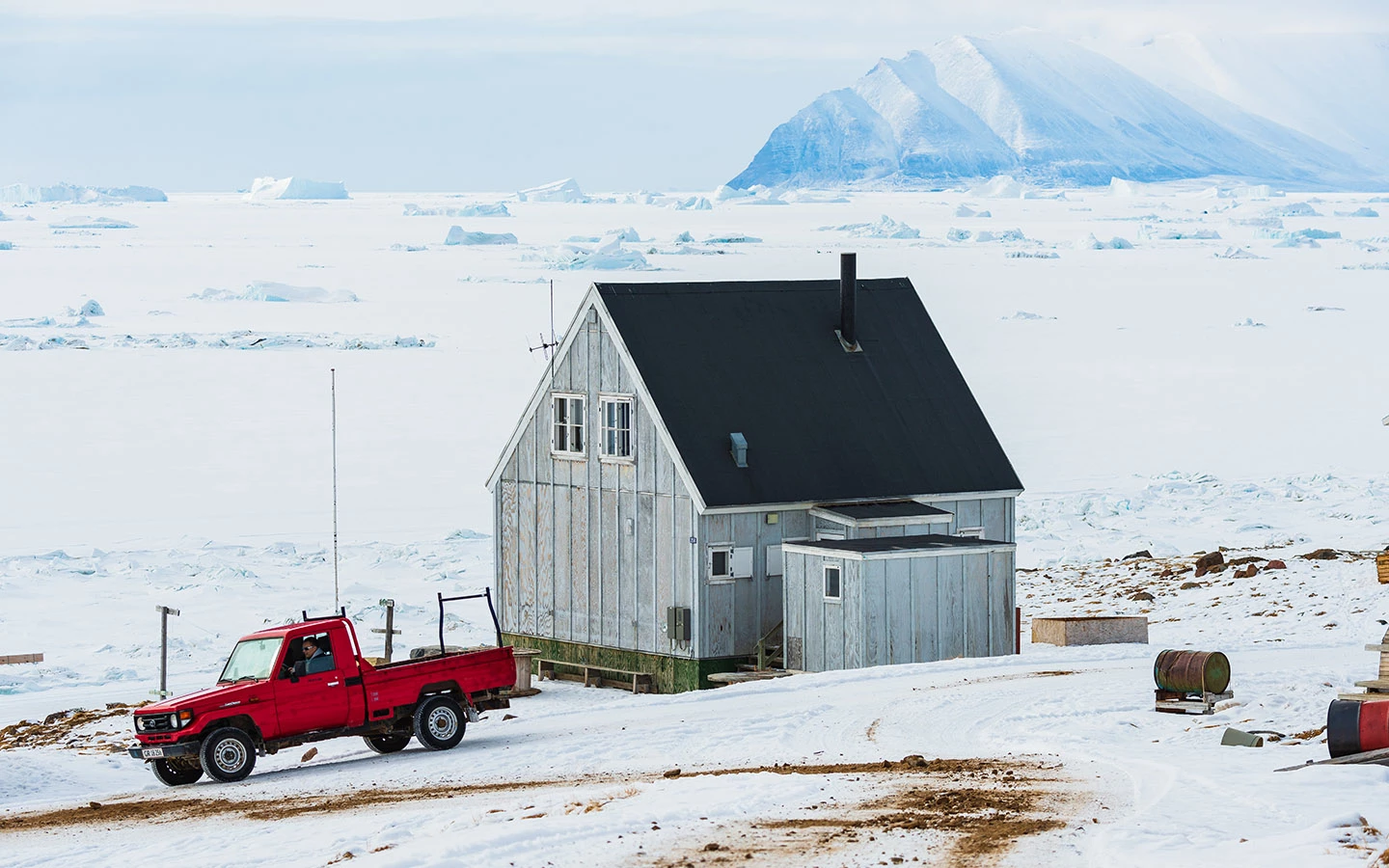
The Greenlandic car market is extremely limited. Due to the small demand, there are almost no classic dealer networks here. Most cars are imported privately, most often from Denmark, using European online platforms. At the same time, individual brands - Toyota, Volkswagen, Audi, Mercedes-Benz, and Hyundai - are represented through local distributors. The range of such companies mainly consists of SUVs and vans designed for operation in harsh climates.
Among the most common brands, travelers note Skoda, Volkswagen, Audi, and Volvo. Japanese brands, primarily Toyota and Mitsubishi, are also consistently popular. The Hilux and Outlander models are especially in demand, and Toyota itself appears more often than others in the search queries of local residents.
Statistics from a decade ago confirm the specifics of the region. At the end of 2015, only 7,534 vehicles were registered in Greenland, of which 4,033 were passenger cars. There were also 184 taxis, 74 buses, and only two motorcycles. Most of the cars were old, which is explained by the high cost: for example, a 2008 Volkswagen Passat here was estimated at more than 88 thousand Danish kroner, which is significantly more expensive than analogues in Russia.
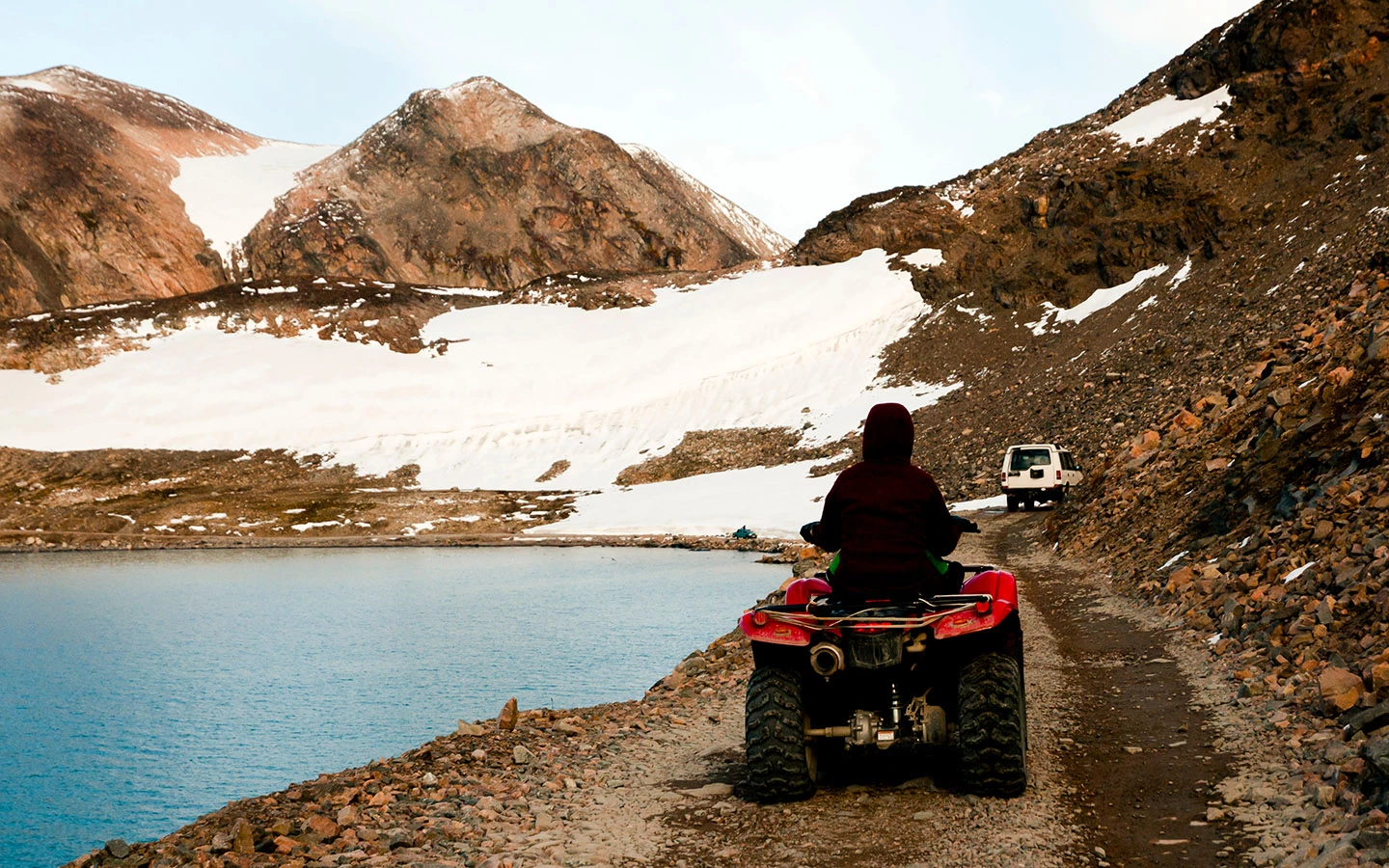
New cars, including electric vehicles, are rare in Greenland, but they do exist - in particular, the Volkswagen ID.4 and ID.Buzz. A much more common alternative remains ATVs and snowmobiles. ATVs are actively used in villages and on farms, and snowmobiles become the main means of transportation off-road in winter. Both types of equipment are subject to mandatory registration, but are not subject to import taxes, which makes them more accessible to local residents.
Read also:
- AvtoVAZ Officially Explains Which Gasoline to Use in Lada
- Moskvich Announces Prices for the Moskvich 6 Sedan of the 2026 Model Year
- Tank Raises Prices for the Entire Model Range in Russia: Tank 500, 700, and 400 Become More Expensive