Translated with AI from the Russian original.
Checking tire pressure is one of the simplest yet most important elements of safe vehicle operation. Despite the fact that many drivers still rely on the mythical "two atmospheres", modern cars require an individual approach that takes into account weight, design and tire type. Blindly following an outdated rule can lead to rapid suspension wear, uneven tread wear and increased fuel consumption.
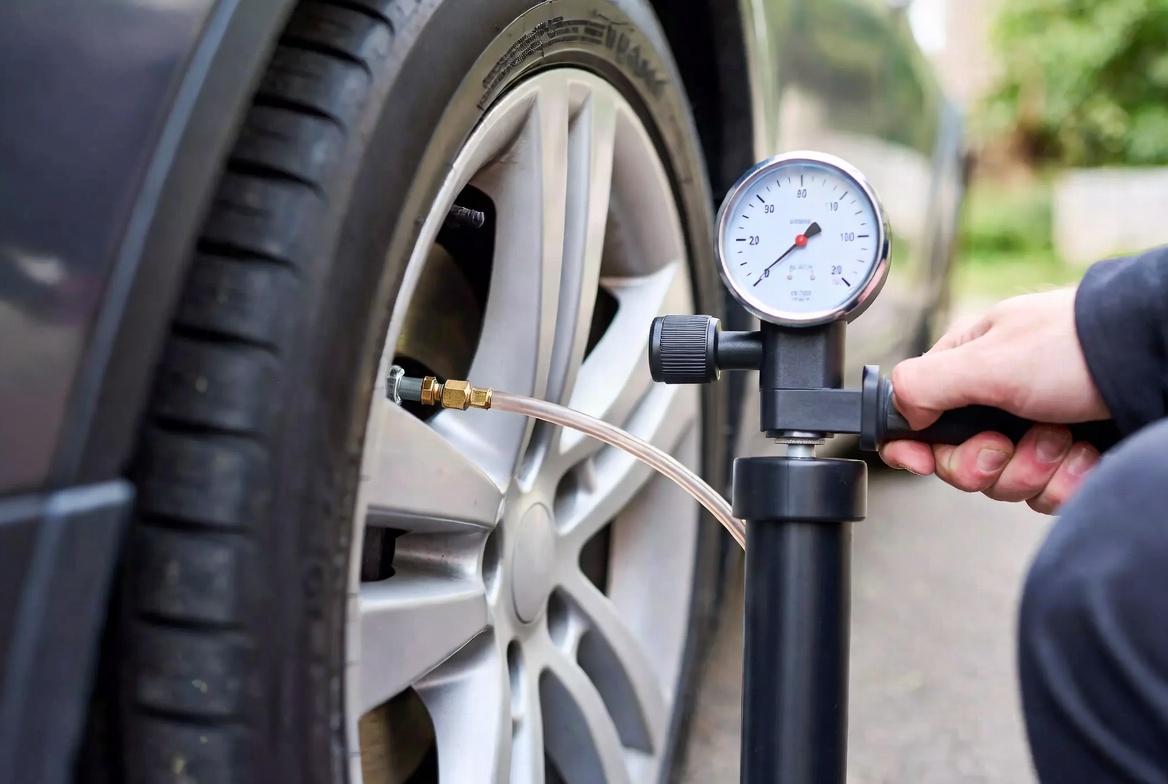
A tire is not just a rubber hoop, but a complex engineering unit that acts as the car's first shock absorber. Internal air plays a key role: when hitting bumps, it compresses, absorbs some of the energy and protects springs, shock absorbers, silent blocks and other suspension elements. With the correct pressure, the tire's contact patch with the road optimally distributes the load, providing traction during acceleration, braking and cornering. Any deviation from the norm disrupts this balance, increasing the load on the suspension and accelerating wear.
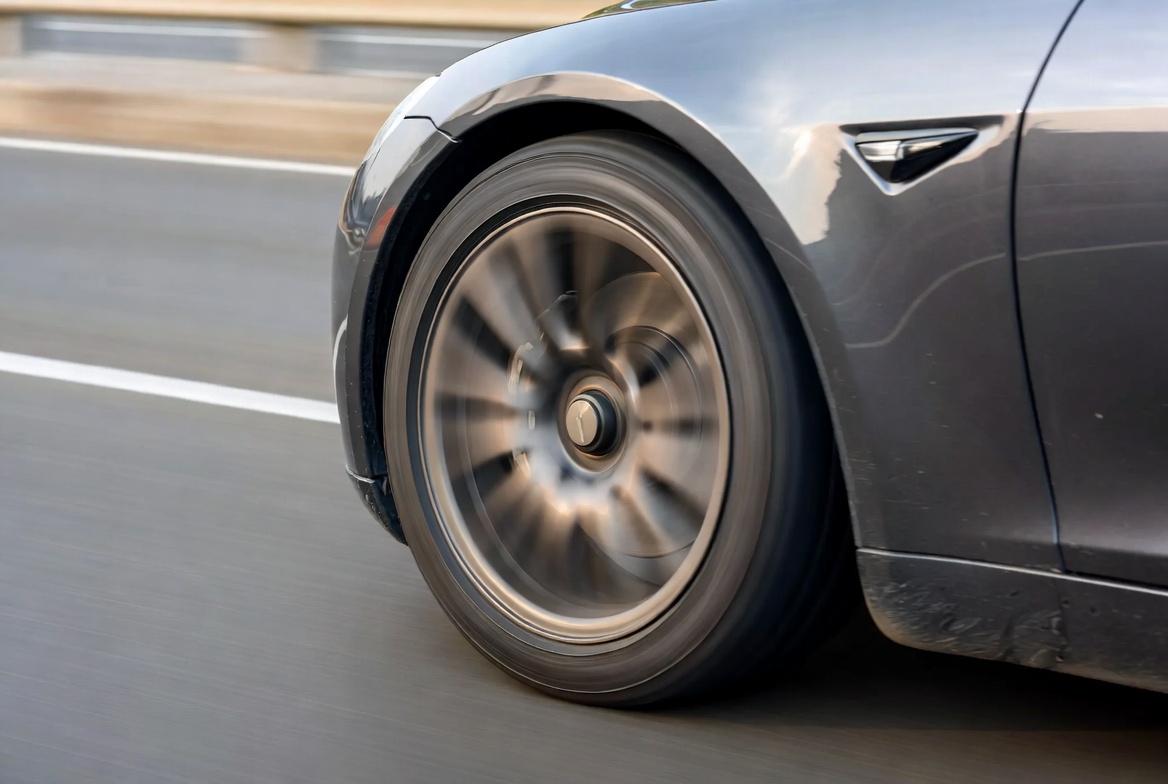
Underinflated tires are a common problem on the roads. Pressure drops naturally, and many motorists forget to check it, focusing on the myth of "two atmospheres". For modern cars, this is too little: a soft tire bends, the load shifts to the sidewalls, the tread wears unevenly, and the suspension receives additional shocks. Hub bearings, shock absorbers and silent blocks begin to wear out, rolling resistance and fuel consumption increase, and handling deteriorates - the car becomes "sluggish" and less predictable on the road.
On the other hand, excessive pressure is also dangerous. Overinflated tires become stiff, lose their shock-absorbing function, transferring all road irregularities to the body and suspension. The center of the tread wears out faster, grip deteriorates, especially on wet surfaces, handling suffers, and the ride becomes uncomfortable. Imaginary fuel economy turns into a safety risk and thousands of rubles in repair costs.
Where to find the correct pressure for your car? Only from the manufacturer. This data is located on a plate on the body - most often on the end of the driver's door, inside the fuel filler flap or on the center pillar - and in the owner's manual. The pressure for the front and rear wheels is indicated, for partial and full loading of the car, and sometimes for different tire sizes. For example, for crossovers it can be 2.3 bar at the front and 2.1 bar at the rear with normal load, and 2.5/2.8 bar with full load.
Check the pressure on cold tires, at least once a month and always before a long trip. Small deviations from the norm can significantly affect the suspension, fuel consumption and tire wear. Modern cars are designed for precise pressure parameters that take into account dynamics, weight and load distribution.
The myth of "two atmospheres" is a thing of the past. It does not take into account modern materials, tire design and suspension features of modern cars. Following this rule may not only not help, but significantly harm. A simple pressure check and compliance with the manufacturer's recommendations can extend the life of tires and suspension, save fuel and minimize the risk of accidents.
Thus, tire pressure is not a trifle, but one of the key elements of safe and economical driving. A few minutes a month to check the pressure and check with the manufacturer's plate will ensure the safety of the car, reduce repair costs and increase comfort and safety during trips. Modern cars and their tires require careful and conscious attitude, and outdated myths about two atmospheres have long been left in the past.
Read more materials on the topic:
- Russian car service market reached 1.2 trillion rubles: maintenance, repair, car washes and tire service
- Expensive special effects: Mercedes confiscated in Moscow for a smoke show
- JAC started selling the new T9 pickup with a modernized suspension