Today's visit to a car dealership is perceived as a familiar ritual: a friendly manager, offered coffee, a seven-year loan, a profitable trade-in. It's easy to get the feeling that this model has always existed. However, it is enough to turn to the Soviet past to understand that the reality was different.
How were cars purchased in the USSR? Did dealers exist in the modern sense, was it possible to get a car loan or trade in an old car for a new one? The answers are often unexpected even for those who lived in that era.
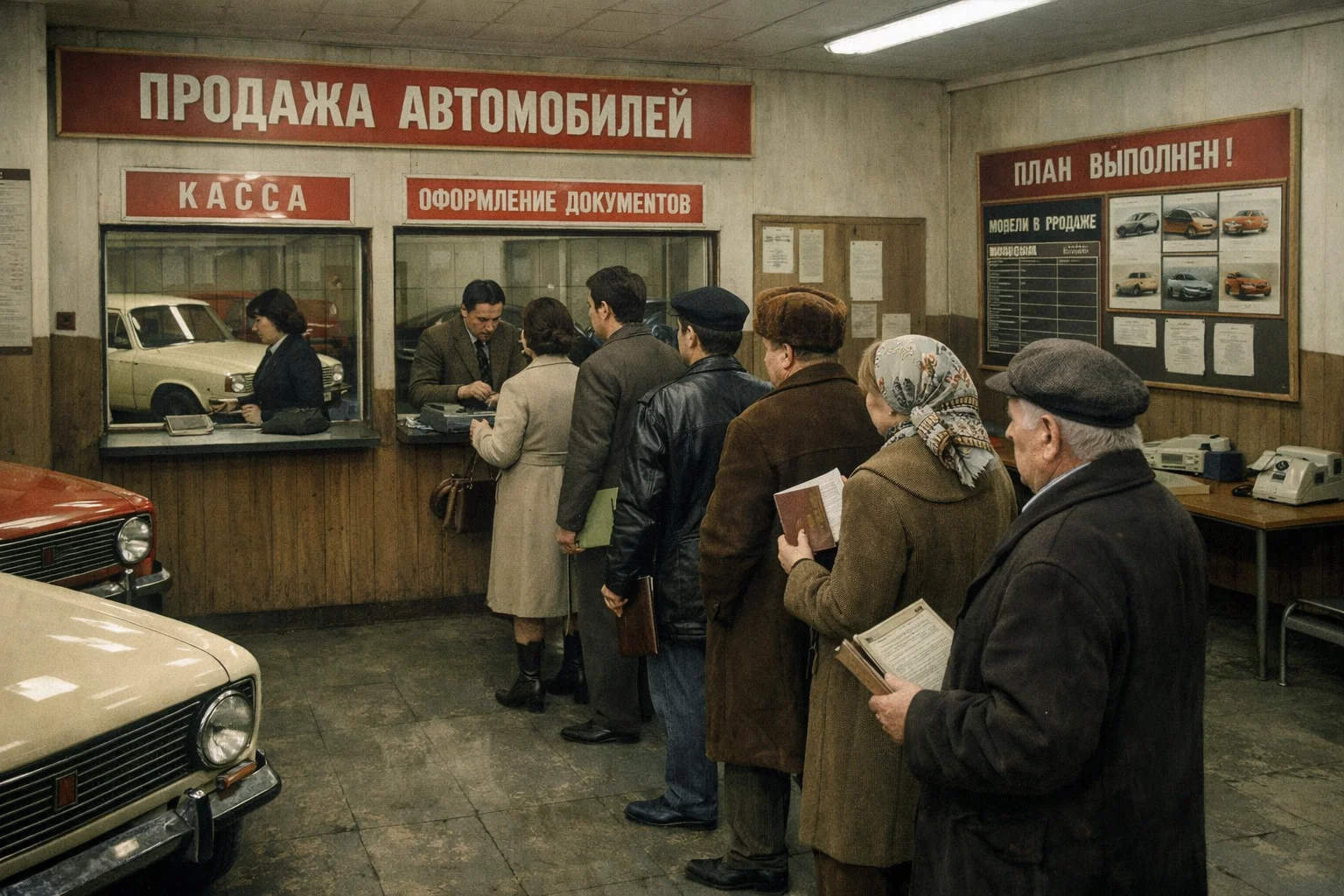
First of all, the very concept of a car dealer was absent in a planned economy. There were no private centers in the country competing for the buyer, offering promotions and varying prices. The state was engaged in the sale of cars through specialized structures of the "Avtotorg" and "Vneshposyltorg" systems. Formally, these were trade organizations, but in essence, they were distribution points.
Cars arrived there according to an approved plan, in limited quantities and at a fixed cost, which could remain unchanged for years. There was no choice of configurations, ordering an individual color, or a test drive. The buyer came not to choose, but to receive what was allocated to him.
Car factories, including AvtoVAZ, did not interact directly with citizens. The enterprise produced cars, after which they were distributed among regions, departments, and queues. In this sense, the Soviet "dealer" did not sell a car — he fulfilled the state plan, transferring the vehicle to a person with the necessary documents and permission.
A separate issue is money. Car loans in the usual form were absent in the USSR. The ideology did not encourage living in debt, especially when buying durable goods. It was assumed that it was first necessary to earn and save. Loans existed, but mainly concerned cooperative housing or household appliances and were issued on strict terms. For an ordinary citizen, buying a car on credit was practically not available.
Theoretically, it was possible to get a targeted loan through the State Bank of the USSR or a departmental mutual aid fund. However, such cases were isolated and more often related to people with special merits, status, or employment in closed structures.
The typical scheme looked different. First — years of savings. Then — standing in line, which could stretch for five, seven, or even ten years. Only when the term approached, the full cost of the car was paid. The funds often lay in a savings book for decades, gradually losing their purchasing power, but there was practically no alternative. The availability of money in itself did not give the right to immediate purchase: without a queue, they were almost useless.
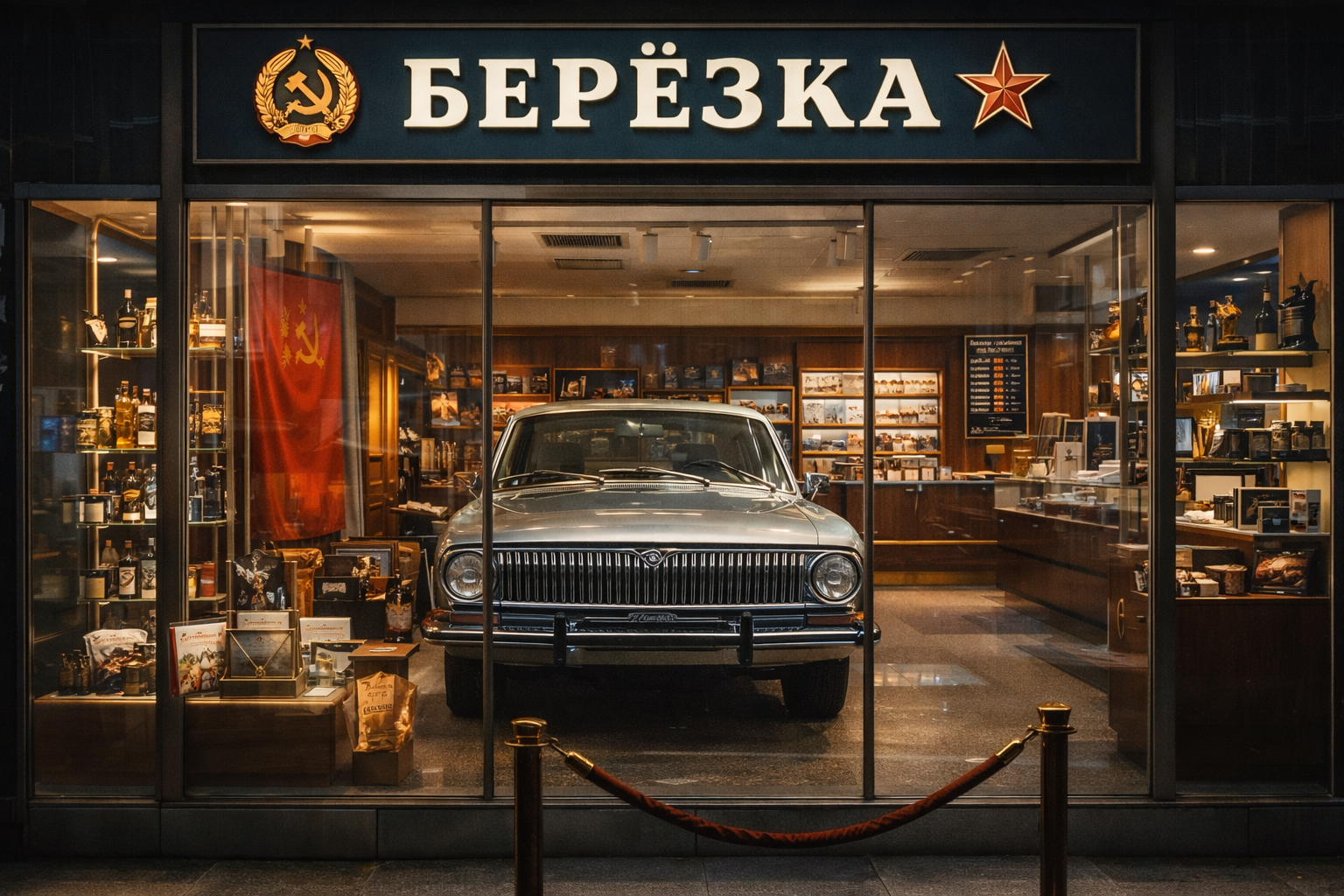
There was also a special channel of acquisition — for currency or special checks. Through the "Beryozka" stores, cars could be bought by diplomats, long-distance sailors, and other citizens who had legal foreign exchange income. Formally, it looked like bypassing the queue, but in fact, it was a closed system for a limited circle of people. For most Soviet citizens, this path remained unattainable.
As for trade-ins, the idea of handing over an old car and immediately getting a new one was practically not used in the USSR. The state did not seek to stimulate frequent renewal of the private car fleet.
Used cars were sold directly between citizens — through acquaintances or through advertisements. There was no official mechanism for crediting an old car when buying a new one. The maximum possible scenario looked like this: the owner sold his car, placed the funds in a savings book, and stood in line — often at the very end of it. The very fact of owning a car did not give advantages when buying the next one.
Moreover, having a car sometimes complicated the situation. It was considered undesirable to own two cars at the same time, so before buying a new one, the old one had to be sold and deregistered. The concepts of "customer loyalty", service history, or bonuses for brand loyalty were absent. The motorist was considered not as a client, but as a recipient of a scarce commodity.
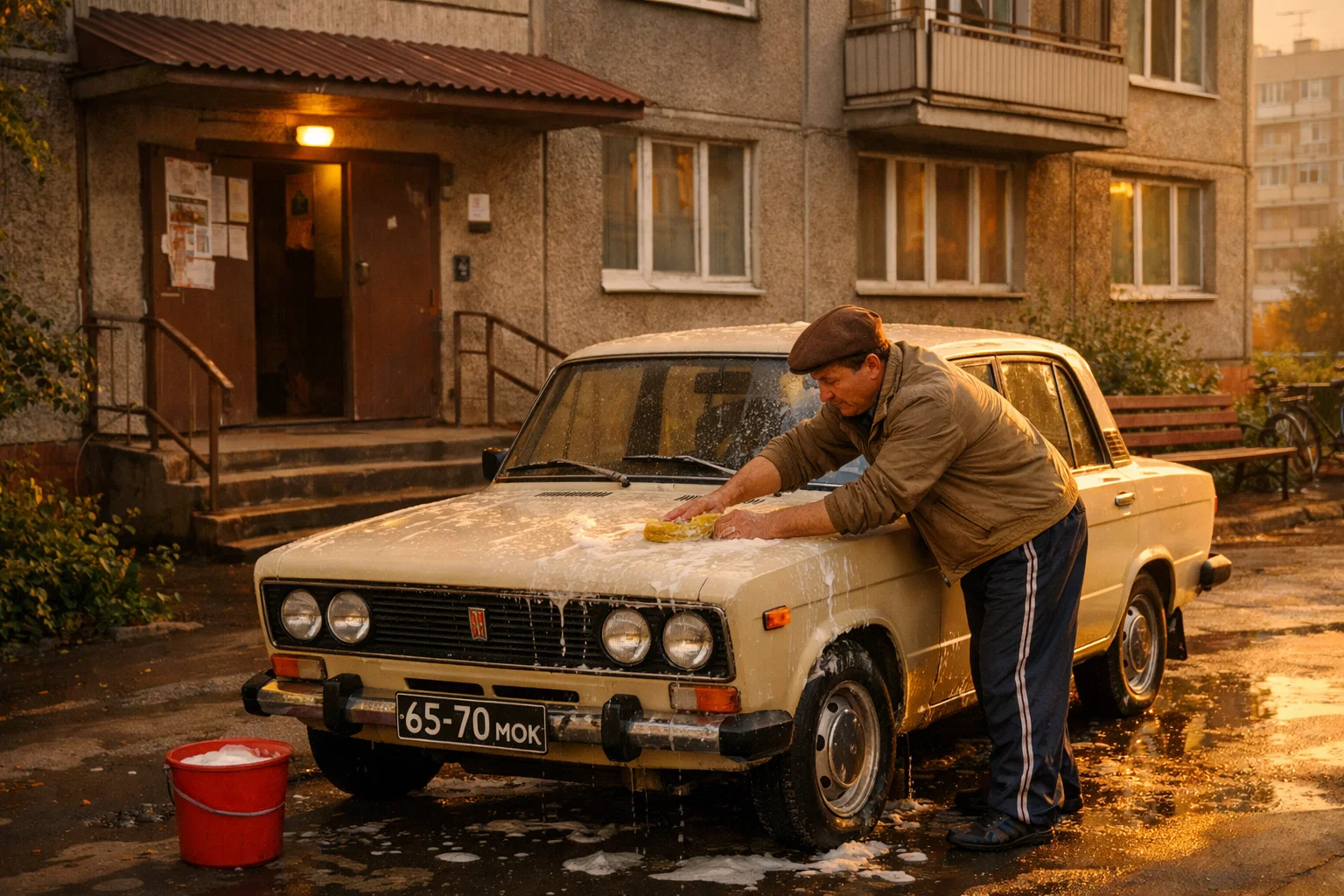
With all this, the car in the USSR had a special symbolic meaning. It was not just transport, but an indicator of status, patience, and personal effort. Owners took care of their "Zhiguli" and "Moskvich", understanding that the next purchase would be associated with a long wait and new difficulties. In conditions when it was impossible to change the car every three to four years, it was preserved and maintained as carefully as possible.
If we compare with modernity, the difference becomes obvious. There was no dealer competition in the Soviet Union — a distribution system was in place. There were no mass car loans — there were savings and waiting. There was no trade-in — there was resale and re-queueing. This model was perceived as natural, since there was simply no alternative.
Today, you can discuss interest rates on loans, additional services, or transparency of valuation in a trade-in. However, it cannot be denied that the modern market has provided the motorist with choice and time savings. In the USSR, a car required not only money, but also endurance. It had to be saved up, waited for, and received. And that is why memories of the first car among people of that generation often remain more emotional than any modern offers with a "zero down payment."
Read more materials:
- GR Supra: a beautiful end or a pause?
- Three pedals are back in the game: what is Subaru up to
- New Chinese cars are being disposed of the fastest in Russia