In the Soviet years, the company from Miass rarely found itself in the spotlight. For most citizens, the name UralAZ sounded familiar, but few could say exactly where the plant was located and what kind of cars it produced. But those who happened to serve in the army perfectly remembered the heavy all-wheel drive Ural-375 trucks — equipment capable of passing where roads existed only on the map.
We are talking about the Ural Automobile Plant, founded in 1941. Since its creation, the company has produced army and civilian trucks, as well as chassis for special equipment. In different years, Ural-355M, then the legendary Ural-375, later Ural-4320, and in the XXI century — the Ural Next line came off the assembly line. Chief designer Ivan Alekseevich Titkov initially laid down in the design of the machines solutions that were in demand decades later.
Reputation Confirmed by Practice
The plant had a sufficient production base and personnel potential not only to assemble heavy off-road trucks, but also to independently develop key units — axles, gearboxes, transmission elements. In terms of assembly level, the equipment was not inferior to foreign analogues, which was especially appreciated in the military sphere and at heavy production facilities.
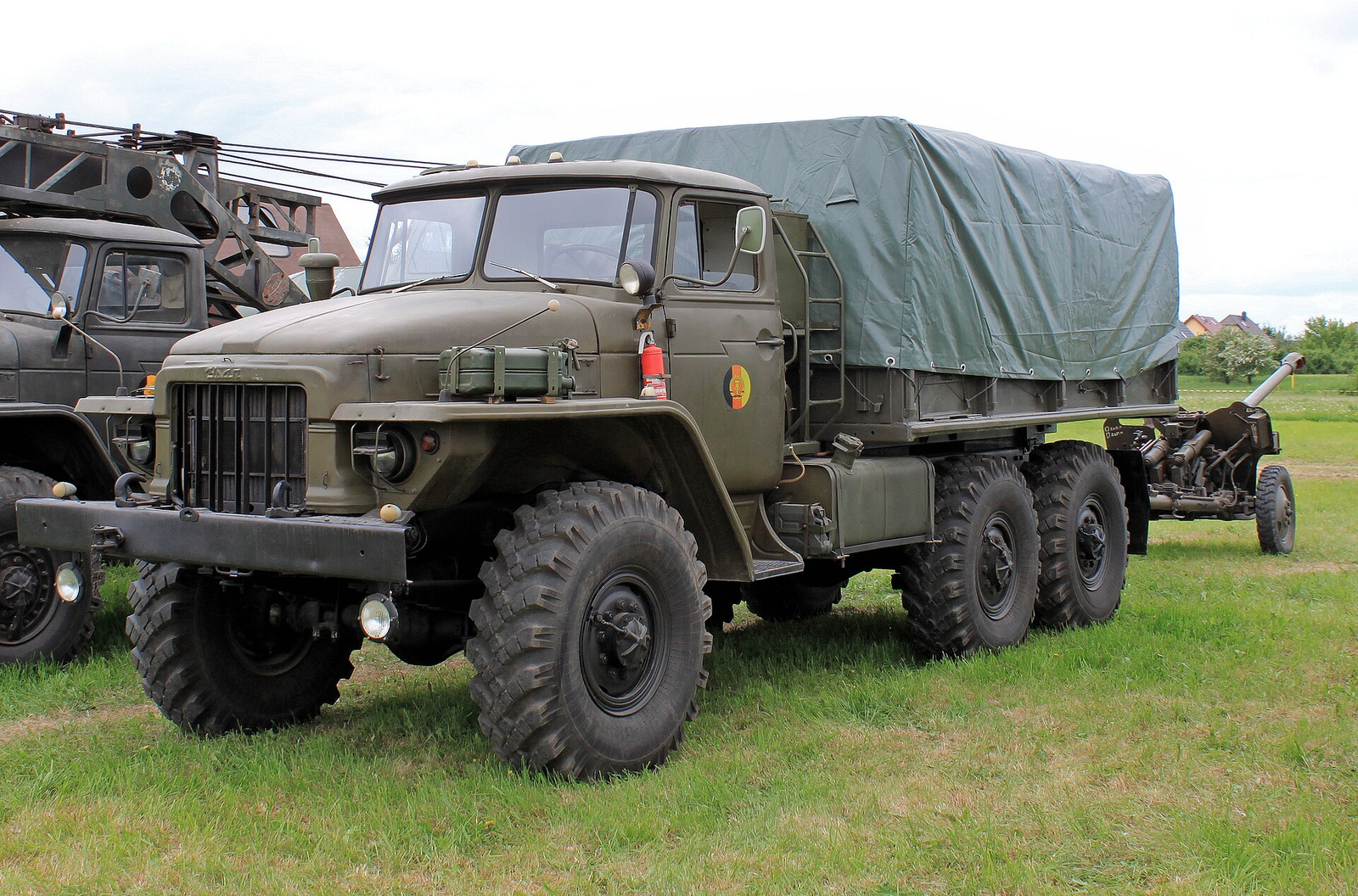
The Ural-4320 chassis was used as a platform for complex and strategically important systems of the defense complex. Significant batches were sent for export. In countries with hot climates, the Ural-375 was especially popular: in terms of endurance, it competed with Japanese and American cars, while costing significantly less.
Dozens of modifications were produced for the national economy: shift buses, fire trucks, tank trucks, drilling rigs and other specialized equipment. It is noteworthy that many Soviet-built trucks continue to work today, despite their solid age.
Test of the 1990s
After the collapse of the USSR, the company found itself in a difficult situation. Government orders decreased dramatically. In 1992, an agreement was signed with the Italian company Iveco, resulting in the creation of a joint venture «Iveco-UralAZ». Manual assembly of licensed models and chassis was organized on part of the production areas. This helped to preserve the team and maintain financial stability.
Although not the most modern versions of Iveco trucks were assembled, demand remained stable due to the quality of workmanship. After 2004, government orders partially returned, but personnel and technological problems required serious updating.
Later, the plant became part of the GAZ Group, focusing on the modernization of equipment — in particular, on the transfer of gasoline versions to diesel engines. It was assumed that this would reduce operating costs and increase the competitiveness of machines.
Why the «Urals» Did Not Disappear
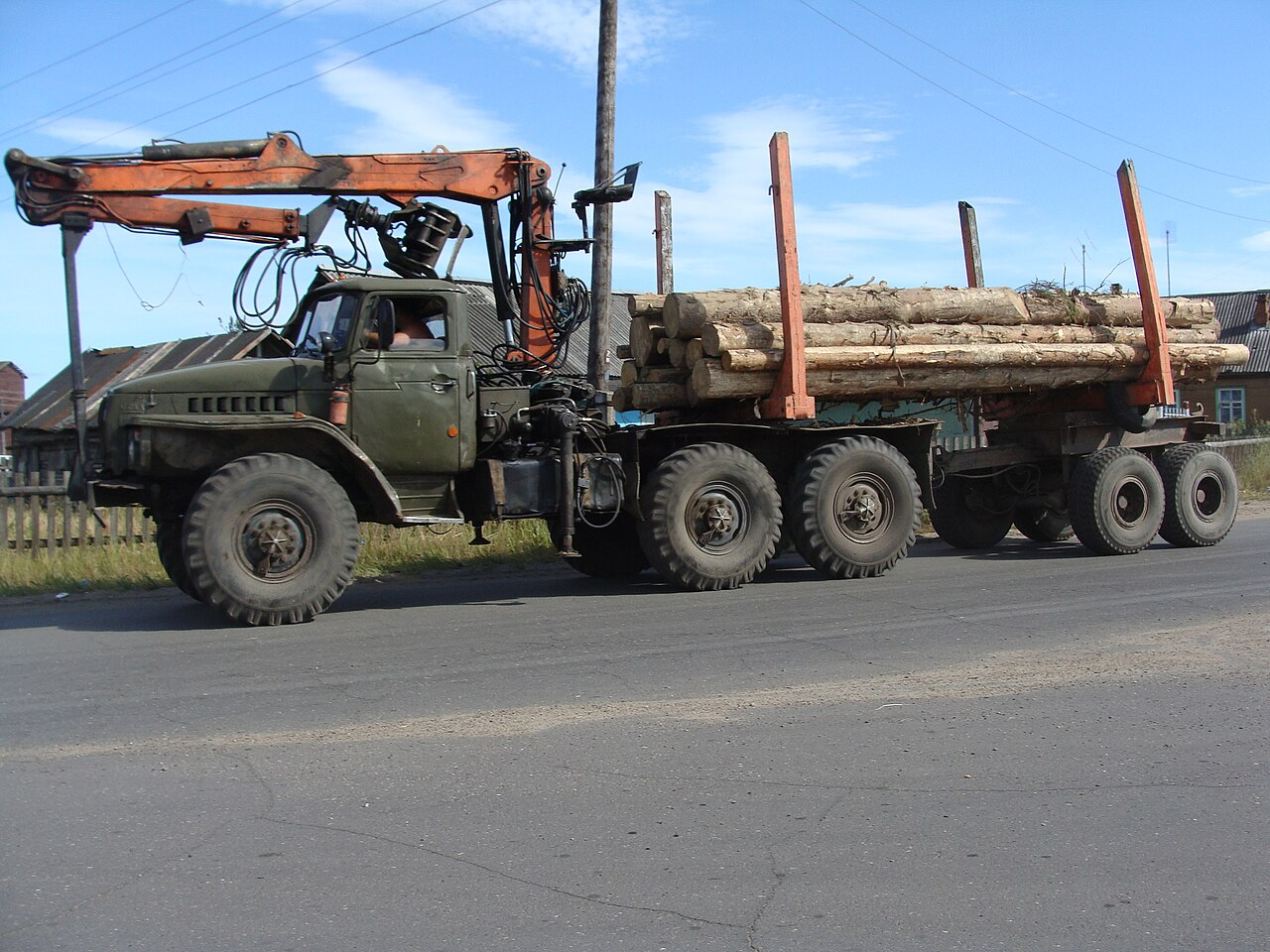
Despite the instability of orders, the equipment retained a circle of loyal consumers. In the northern regions, in the conditions of the taiga and off-road, the «Urals» continued to transport timber, fuel, building materials and people where other trucks often failed. Even more modern foreign analogues and Chinese heavy vehicles often yielded in conditions of extreme frosts.
New Stage of Development
After 2020, the company became more independent. In 2023, the management bought out the assets from the previous owner Dmitry Strezhnev, which allowed to focus on its own developments for the domestic market.
The dynamics of production became a clear indicator of changes. If 9825 trucks were produced in 2022, then in 2023 — already 14 270, of which 14 030 were sold. The growth was 45%. In 2024, the production volume was brought to 19 thousand cars per year. A new building was built for promising models, commissioning of equipment was completed.
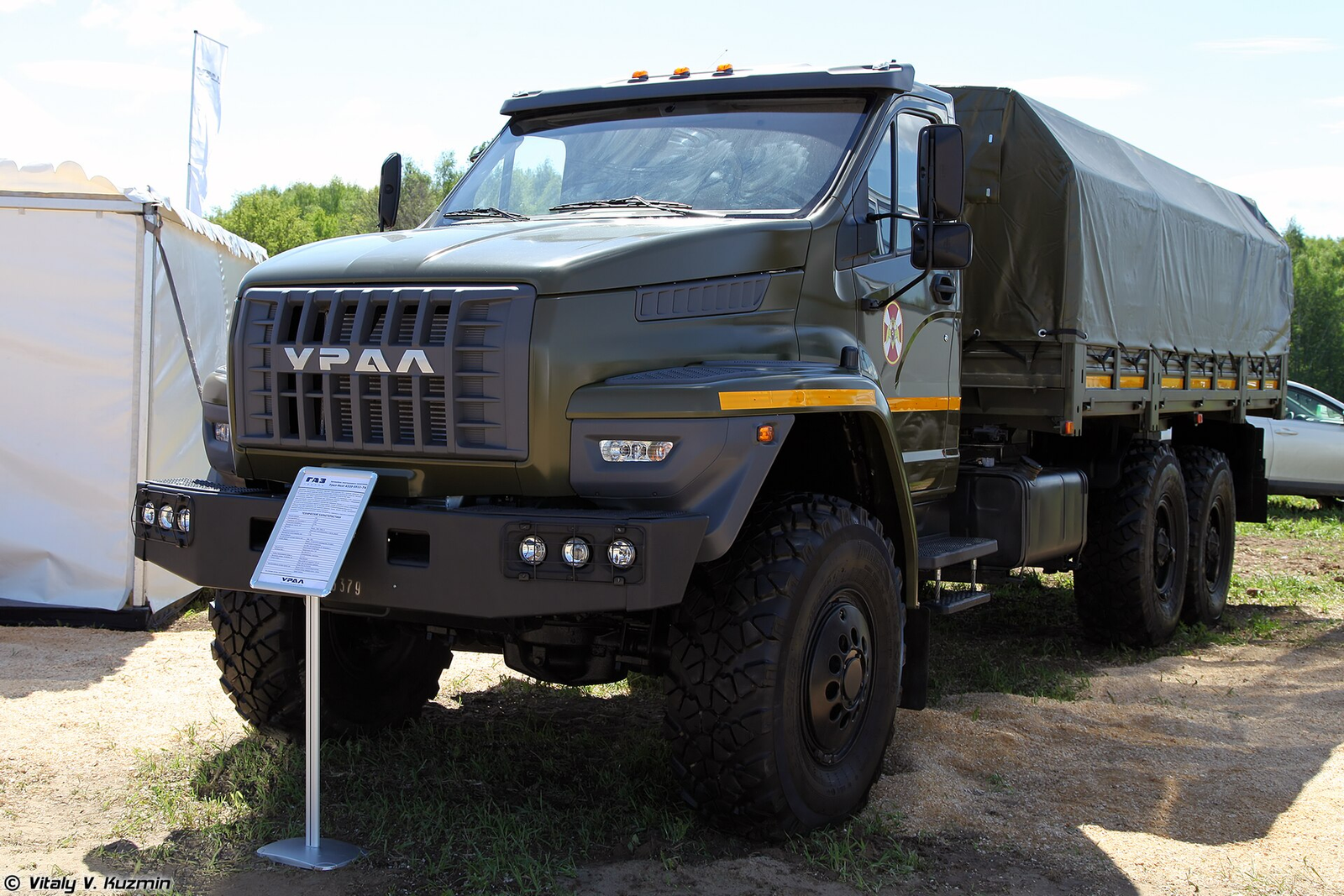
The flagship is gradually becoming Ural Next, while the classic Ural-375D and Ural-4320 continue to roll off the assembly line. Part of the equipment is supplied to state structures, the rest is acquired by oil companies, geological exploration enterprises and transport organizations operating in the northern regions.
Return of Technological Independence
One of the most difficult tasks was to restore its own production of axles and gearboxes. For some time it was assumed to attract Chinese partners, but the terms of cooperation provided for excessive control over the enterprise. As a result, the plant's specialists almost independently restored technological processes. Now the issue of scaling serial production of units is being resolved.
The history of the Ural Automobile Plant is an example of how an industrial enterprise can survive the change of eras, the loss of orders and the transformation of the market, while maintaining its key competence: the creation of reliable equipment for the most difficult operating conditions.
Read more materials:
- NAMI-076: tractor ahead of its time
- Truck with a steering wheel «behind»: ZIL-132S project
- ZIL-112S: a rare legend of motorsport