In the Russian market, the installation of a sump guard has long been considered an almost mandatory part of the pre-sale preparation of a car. Dealers actively offered it as a necessary measure to protect the engine from damage. The logic seemed simple: an additional metal sheet at the bottom means less risk of breaking the oil pan and "catching" an expensive repair.
However, in practice, everything turns out to be not so clear-cut.
What exactly do they protect?
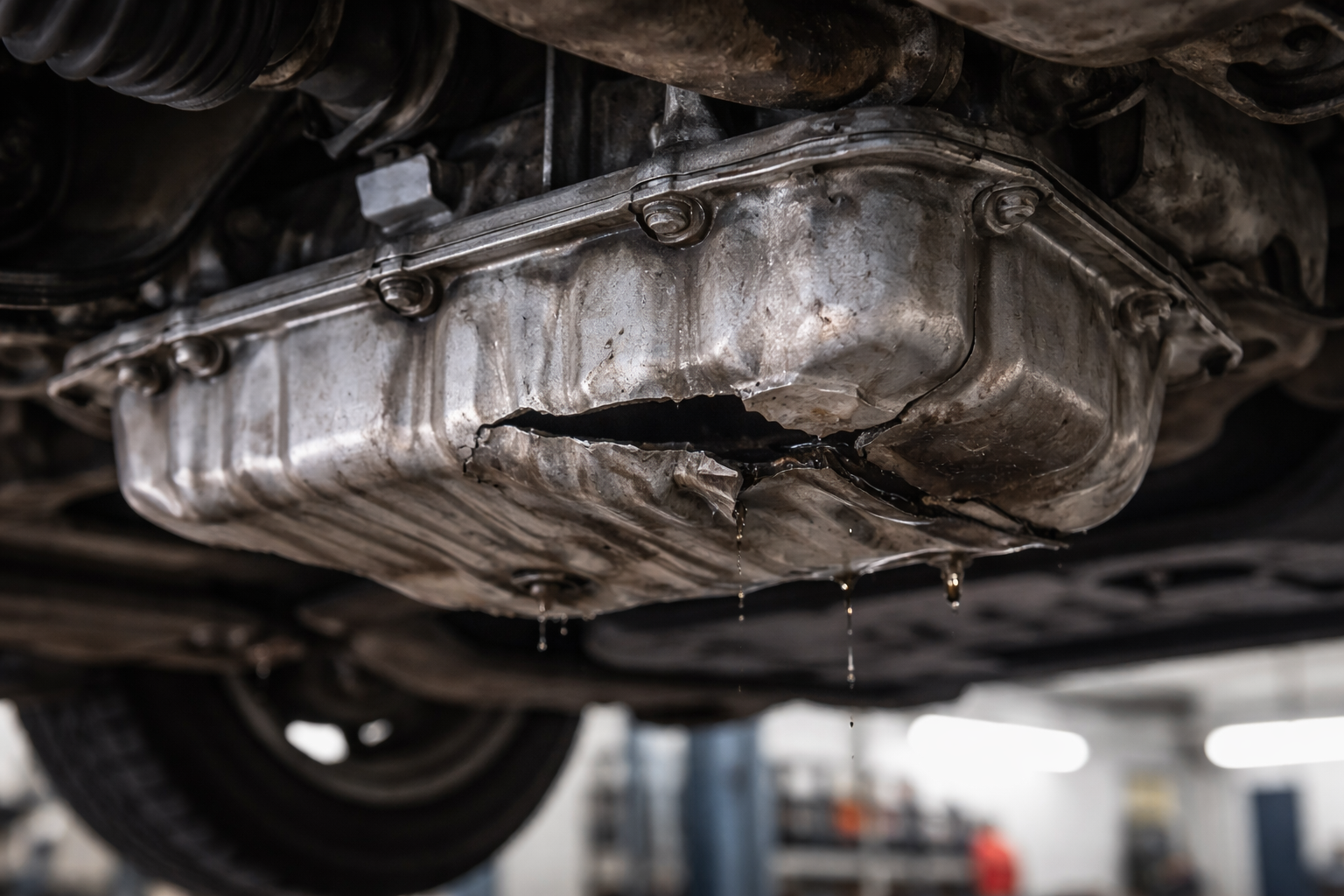
The engine crankcase is a structurally simple part. This is the lower part of the engine, covering the oil intake and oil pump. Damage to the oil pan usually leads to oil leakage. Then the scenario is predictable: oil starvation and serious engine damage.
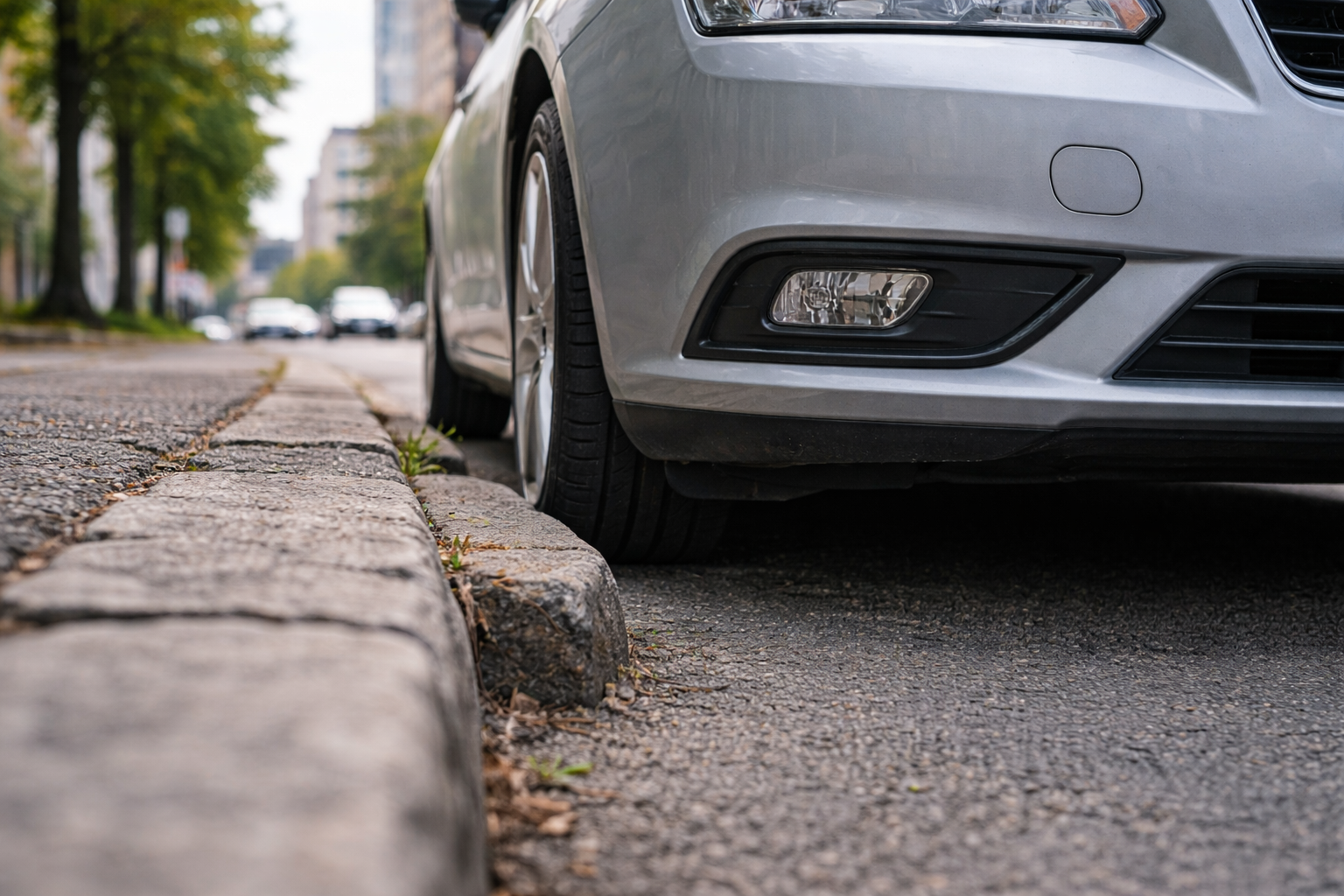
In Russian conditions, the risk really exists. Bumps, imperfect roads, parking with a run-up on the curb - all this can damage the oil pan even in the city. Moreover, today the situation is complicated by the fact that many modern cars have an oil pan made of plastic. But even the metal version does not guarantee absolute protection - it is also easy to deform it.
It is important to understand: even if the oil pan is not broken, but only "dented", this does not mean that everything is fine. The distance between the wall of the oil pan and the plastic oil damper is usually a few millimeters. When the oil pan is deformed, this element is often destroyed. The oil intake and the lower part of the oil pump housing, which are located in the same plane, are also at risk.
In other words, the material of the oil pan does not give the right to ignore obstacles.
Why doesn't the factory install metal protection?
A logical question: if the risk exists, why don't automakers install metal crankcase protection from the factory? The key reason is safety.
A modern car is designed taking into account programmable deformation zones. In a frontal collision, the power structure of the body and units must shift along a pre-calculated trajectory. The engine, together with the subframe, goes down under the bottom, the body elements crumple, absorbing the impact energy.
The impact energy is described by the dependence: the higher the speed, the more energy the car's structure needs to absorb. Any additional rigid element changes the nature of the deformation.
The metal crankcase protection adds additional rigidity to the lower part of the body. In an accident, it can disrupt the calculated scheme of displacement of units. The behavior of such a metal sheet in a real accident is not included in the factory calculations. That is why it makes no sense for the manufacturer to install a part that can affect safety.
An additional factor is weight. Metal protection can weigh up to 15–20 kg, depending on the car. This affects weight distribution and fuel consumption.
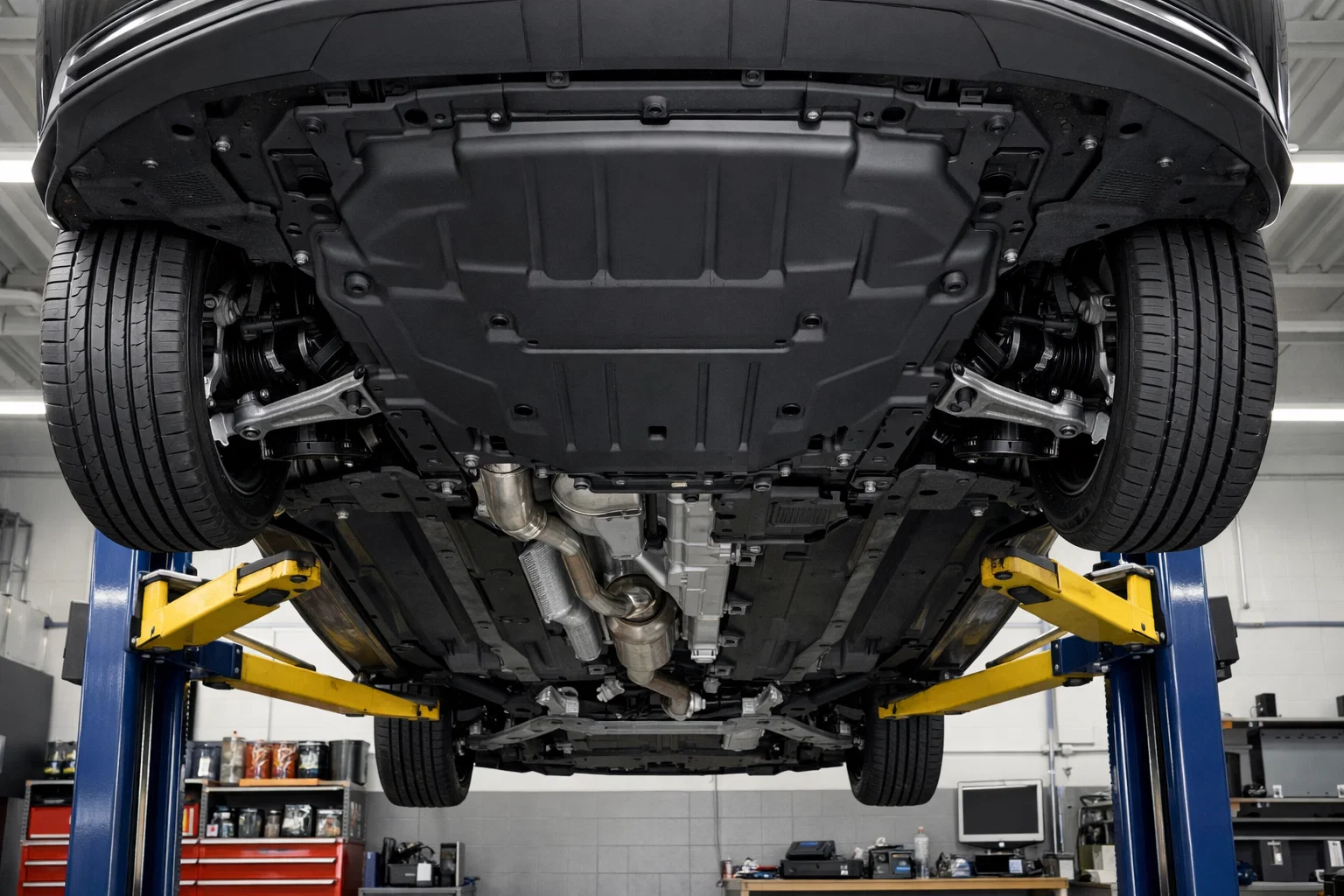
Plastic dust cover - a mandatory element
Separately, it is worth noting the standard plastic dust cover. Unlike metal protection, it is provided for by the design of the car and performs an important function.
The dust cover protects not from dust in the everyday sense. Its task is to protect the engine compartment from sand, small stones and abrasives. Without it, the pulleys of the air conditioning compressor, power steering pump, wiring, and drive belt of the units suffer. Getting abrasive into the belt tracks can lead to its premature breakage.
Operating a car without a standard dust cover can really result in costs.
When is metal protection justified?
Practice shows that in urban conditions with good roads and developed infrastructure, additional metal protection is often not required. If dirt roads are rare, curbs are low, and operation is mainly in an asphalt environment, the real need for heavy protection is minimal.
The situation is different with frequent trips off-road, on gravel roads, construction sites or in regions with difficult road conditions. There, the risk of mechanical damage is much higher.
Metal crankcase protection is not a universal solution. It can be useful in difficult road conditions, but in normal urban operation it is more often an element of additional "tuning", and not a mandatory measure.
Factories do not install it for reasons of safety, certification and structural calculations.
But the standard plastic dust cover is a really necessary element that should not be abandoned.
Read more materials:
- Right and left: the history of the road split
- Up to 600 thousand rubles: a worthy alternative to Lada Granta
- Number 01: how the Geely auto giant began