To be honest, most people choose a car based on numbers. Power, acceleration, fuel consumption — all of this is easy to compare, convenient to discuss, and pleasant to show off to others. Photos in catalogs, reviews on YouTube, specification tables — it creates the feeling that the decision has almost been made.
But many people sit in the interior just "for show." And often — too late.
The real understanding comes after weeks of use. When it turns out that it's inconvenient to reach for the seat adjustments, the armrest is too low, and the multimedia system requires you to take your eyes off the road even for simple actions.
And it is at this moment that it becomes clear: ergonomics is not a trifle.
The Invisible Factor That Determines Everything
Ergonomics is not about appearance and not about the number of options. It's about how naturally the car "adjusts" to the driver.

A good interior is when, after a few months, you perform the basic actions automatically: adjust the climate, switch the music, without taking your eyes off the road. When after a long trip you get out of the car without feeling tired.
As long as everything works correctly, you don't notice it. But if the system fails, the discomfort becomes a constant companion.
When the Car Is "Not for You"
Many have encountered a situation where the car seems to be good in all respects, but feels uncomfortable in everyday life.
The reason is simple: the driver is forced to adapt to the car, and not vice versa. Incorrect fit, poor back support, overloaded multimedia interface — all this turns every trip into a small test.
And such "trifles" quickly accumulate.
The Basis of Comfort — a Comfortable Seat
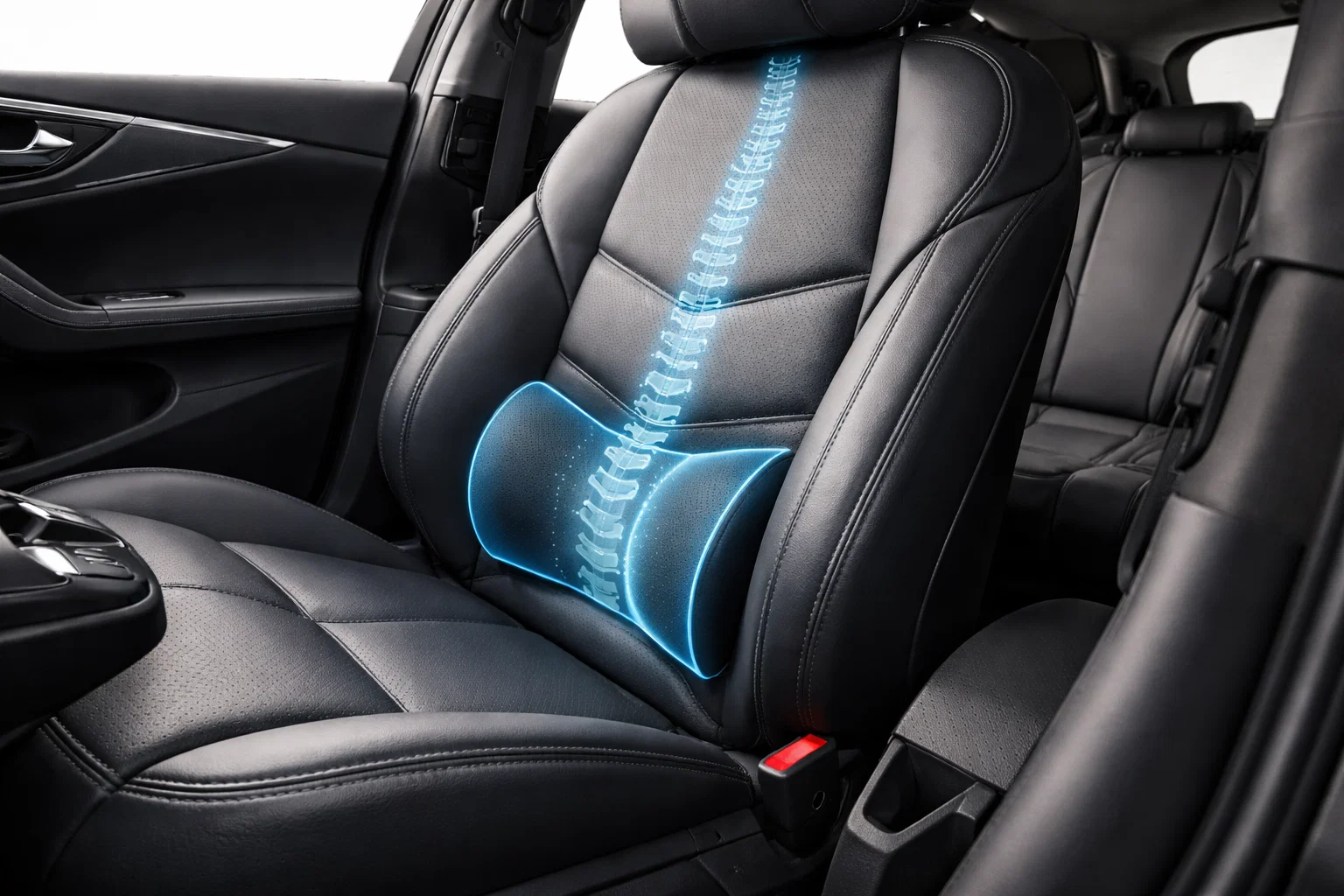
Ergonomics starts with the seat. And it's not about the upholstery material or the presence of heating.
The key is body support:
- proper lumbar support
- comfortable back shape
- adjustment for leg length and tilt angle
A good seat allows you to adjust the fit once and forget about it. This is critical on a long trip: the difference between a comfortable and a bad seat is felt after a couple of hours.
Controls: Intuitiveness Is More Important Than Design
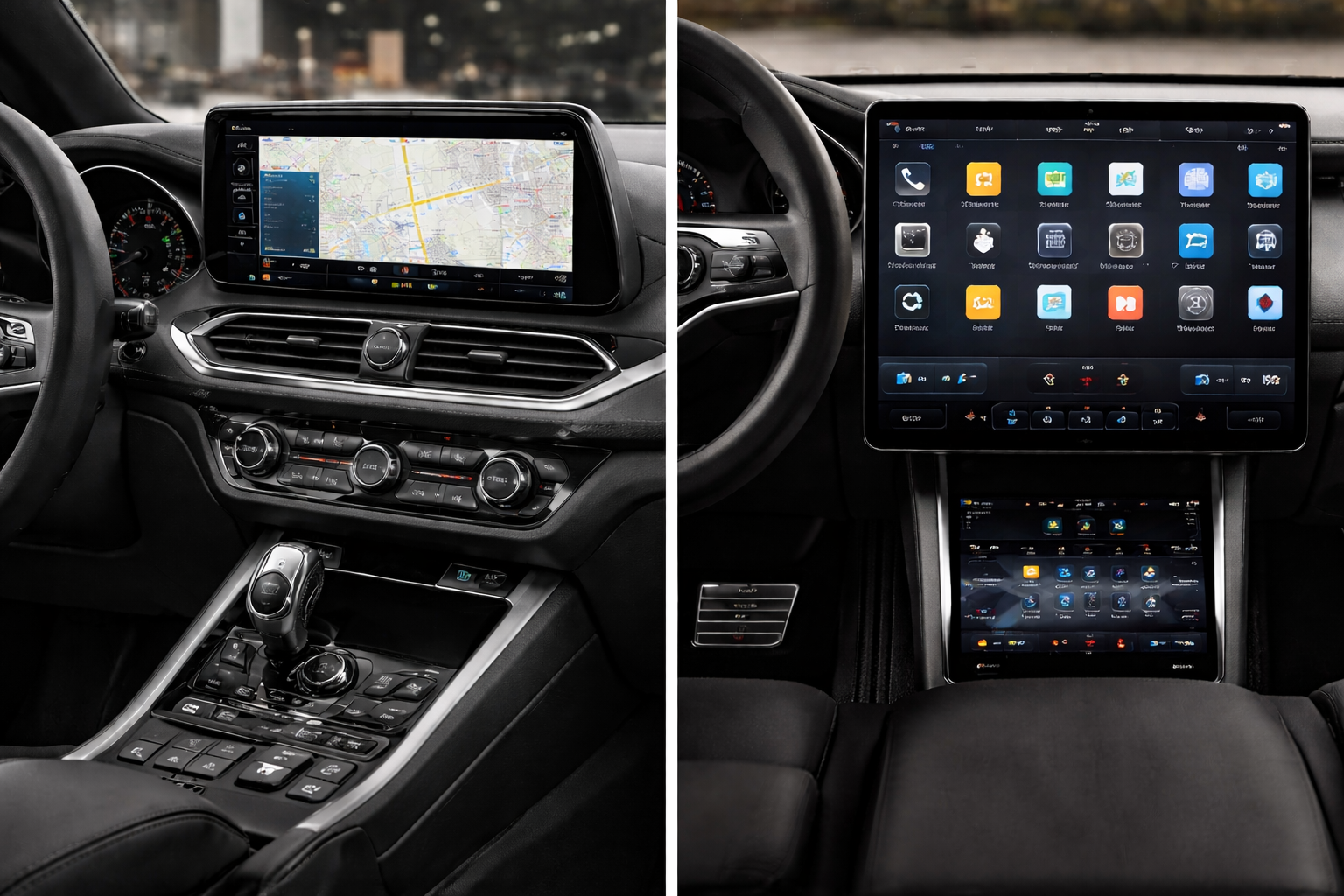
The second important element is the location and logic of control.
Buttons, switches, levers — everything should be clear without much effort. Ideally, the driver should be able to find the desired function by touch.
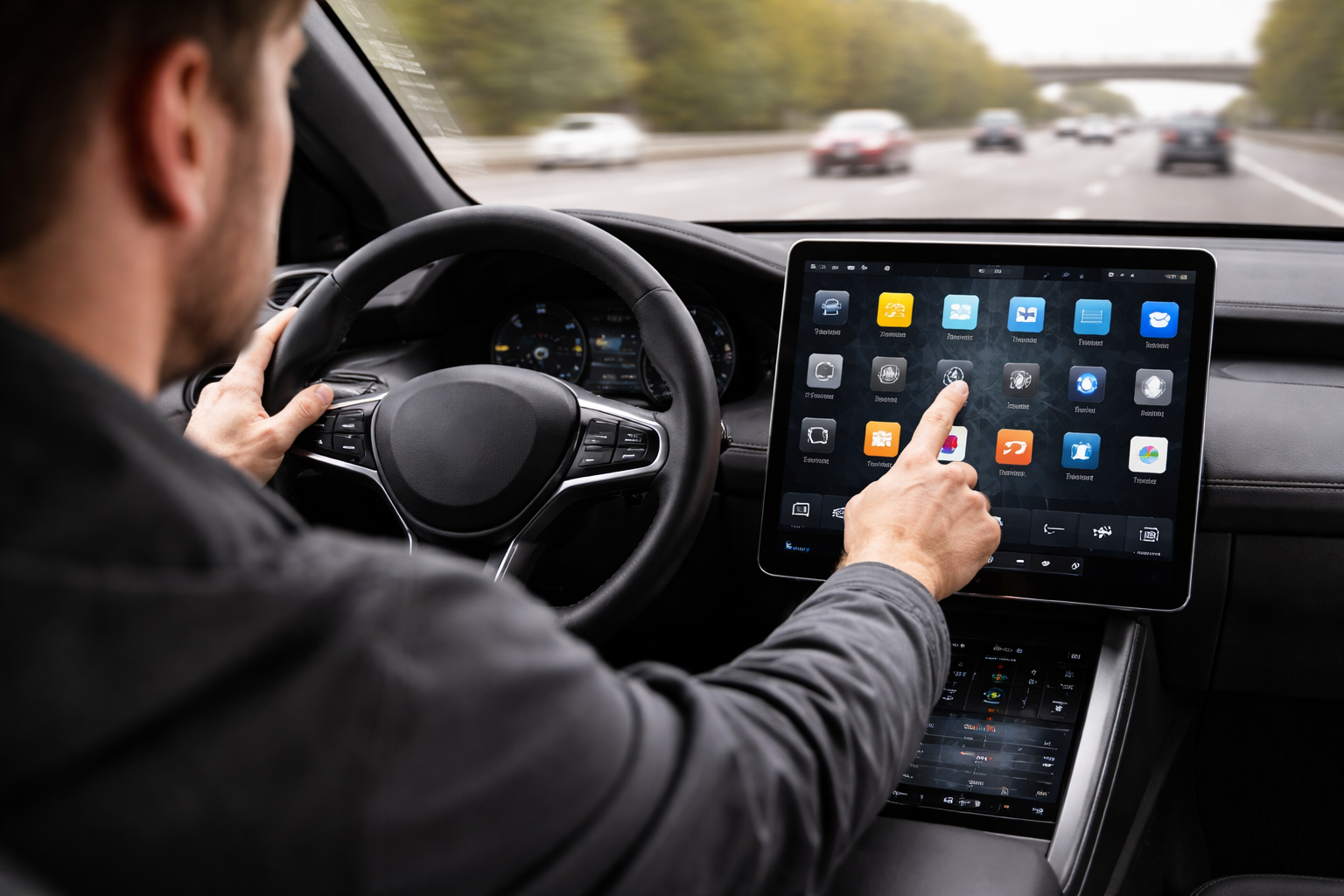
Modern touch screens look impressive, but often lose to physical buttons. Especially when driving or in the cold season, when the driver is wearing gloves.
A good test is to try to find the desired function without looking. If it works, the ergonomics are well thought out.
Space and Practicality
Comfort also consists of small things:
- where to put the phone
- where to place a drink
- is there enough space for passengers
- is it convenient to install a child seat
At first glance, these are details, but they determine the convenience in everyday use.
This is especially important for family trips, when the interior becomes not just a place to move around, but a full-fledged living space.
Ergonomics and Safety
Convenience is directly related to safety.
If the driver is forced to be distracted to find a button or adjust the system, this increases the risk on the road. A well-designed interior minimizes such situations.
All important elements are within easy reach and do not require extra attention.
When Design Hinders Convenience
Sometimes manufacturers sacrifice practicality for the sake of appearance.
For example:
- low roof for a sporty silhouette
- narrow doorways
- abandonment of physical buttons in favor of sensors
Such solutions may look impressive, but in real operation they turn out to be inconvenient.
Configurations and Real Differences
It is important to consider that ergonomics may vary depending on the configuration.
Basic versions are often deprived of:
- lumbar support adjustment
- comfortable armrests
- additional niches and storage elements
Therefore, you need to check the exact version of the car that you plan to buy.
Individual Factor
There is no universally ideal interior.
Height, build, habits — all this affects the perception of convenience. What is perfect for one person may be inconvenient for another.
Therefore, the best way to evaluate is to spend at least 20–30 minutes behind the wheel. This is the only way to understand whether the car is right for you.
Ergonomics is important for everyone who regularly drives:
- for those who spend more than half an hour a day in the car
- for long-distance travel enthusiasts
- for family drivers
- for everyone who appreciates comfort
A comfortable interior is not a bright option and not an item in the list of characteristics. This is the basis of the daily experience of owning a car.
It is not striking and is not measured in numbers. But it is he who determines whether you will enjoy every trip — or endure inconvenience every day.
Read more materials:
- Top 10 most expensive cars in the history of auctions
- The future of manual transmissions according to experts: will "manual" gearboxes disappear
- Mopeds of the USSR that teenagers dreamed of
Комментарии