Today, compact sports coupes built on the basis of mass-produced models have practically disappeared from the market. However, in the 1970s and 1980s, this format was extremely popular.
Buyers got a car with a striking appearance and sporty character without the cost of a real sports car. Such models were usually based on well-established serial units, which allowed keeping the price at an affordable level.
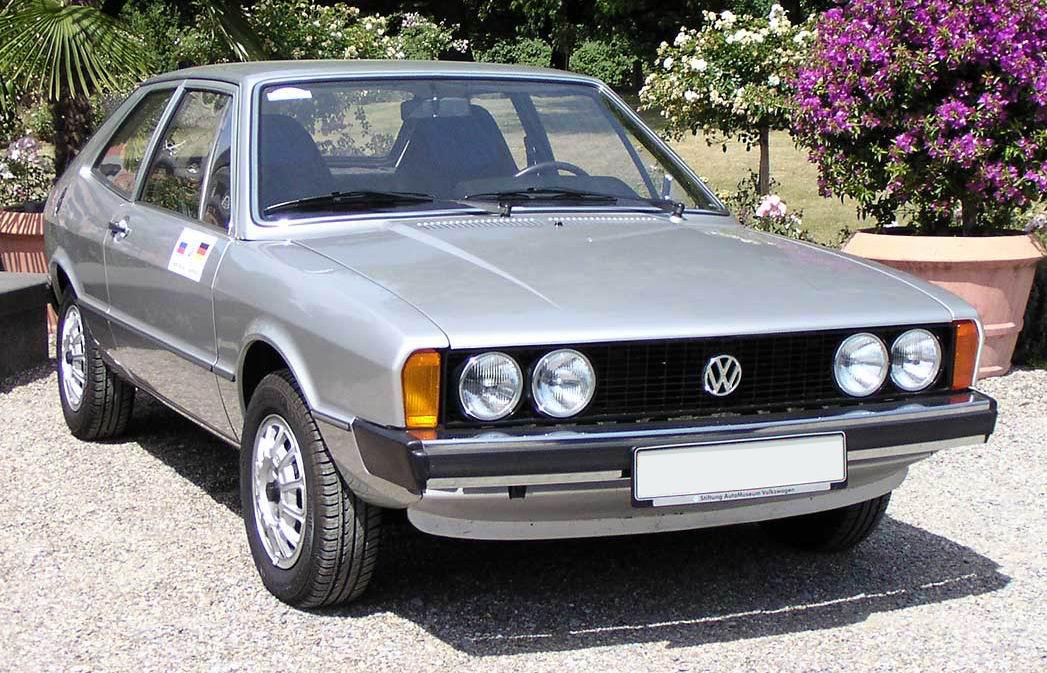
One of the most successful representatives of this class was the Volkswagen Scirocco, which appeared more than half a century ago.
Volkswagen was looking for a new strategy
By the end of the 1960s, Volkswagen's model range was rapidly becoming obsolete.
The company continued to produce:
- Volkswagen Käfer;
- Volkswagen 1500;
- Volkswagen Karmann-Ghia.
All these cars were already struggling to compete with modern models from other manufacturers.
In the early 1970s, Volkswagen began a large-scale update of its lineup.
The first step was the Passat, but a more emotional model was needed to form a new image.
New platform and Giugiaro design
The company had little money to develop a completely original car.
Therefore, engineers used the promising front-wheel-drive A1 platform, which later formed the basis of the first Golf, Audi 50, and a number of other models of the concern.
A compact three-door body, created by the famous Italian designer Giorgetto Giugiaro, was installed on it.
The car received:
- low silhouette;
- clear geometric lines;
- large glazing area;
- minimal decorative elements.
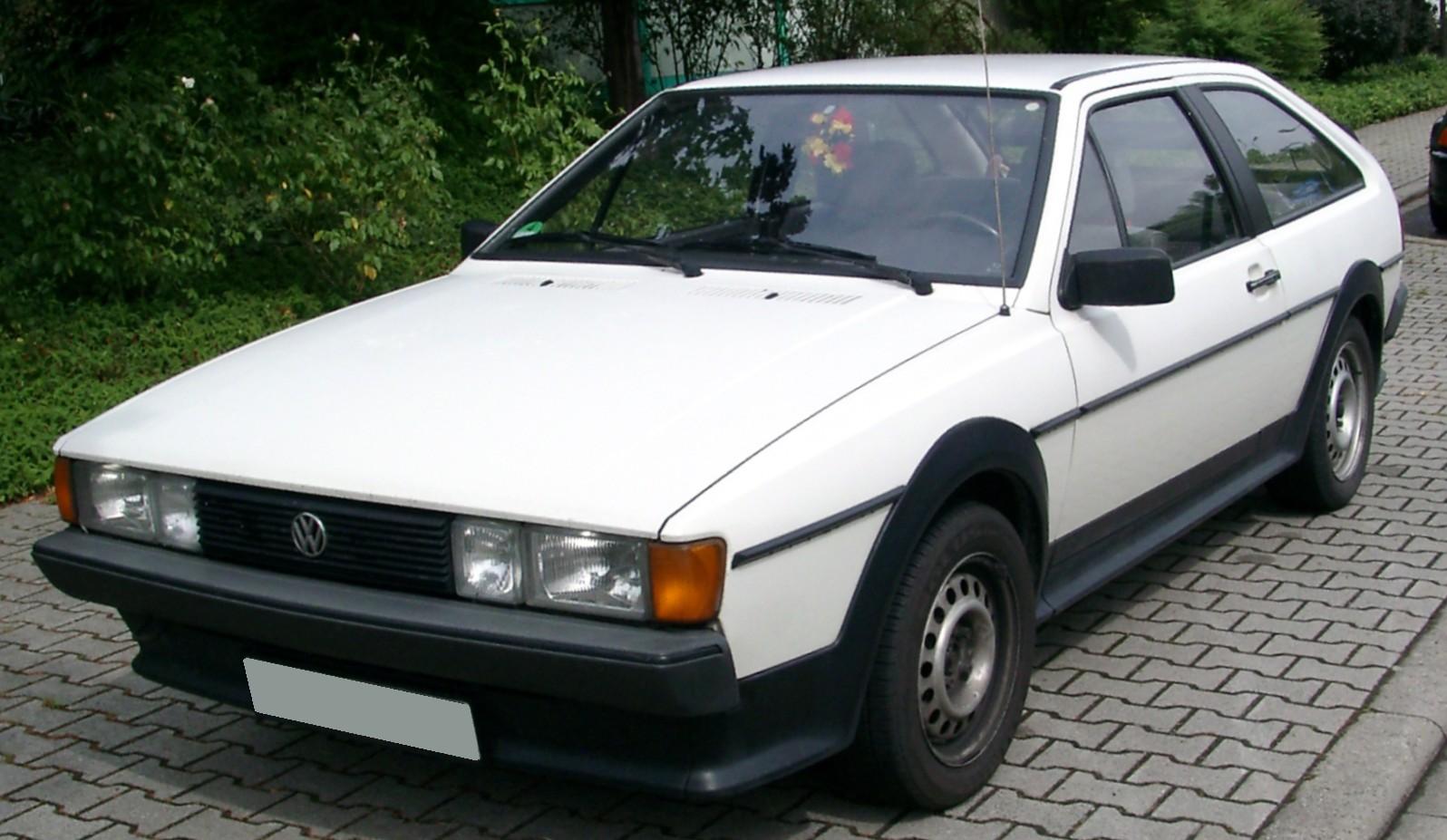
Unlike the Passat, which was produced in several body variants, the Scirocco was initially designed exclusively as a three-door coupe-hatchback.
Why Scirocco appeared before Golf
The car's premiere took place in February 1974, about six months before the release of the first Golf.
According to one popular version, Volkswagen deliberately launched the Scirocco earlier.
It was assumed that possible shortcomings of the new platform would be easier to identify on a relatively niche model than on the future mass-produced hatchback.
As time has shown, no serious problems arose.
The car received positive reviews from the specialized press.
Car and Driver magazine especially noted:
- handling;
- fuel efficiency;
- dynamics;
- modern design.
Engines for every taste
The lineup of power units gradually expanded.
The basic version was equipped with a 1.1-liter gasoline engine with 50 hp.
Such a car accelerated to 100 km/h in more than 16 seconds.
For buyers who needed a more dynamic version, a 1.5-liter engine was offered.
Depending on the version, its power reached 85 hp, and acceleration to the first hundred was reduced to about 12 seconds.
The Scirocco GTI, introduced in the summer of 1976, became a true sports variant.
The car received:
- 1.6-liter engine;
- mechanical fuel injection system;
- 110 hp power;
- four-speed manual transmission.
Thanks to a curb weight of about 800 kg, acceleration to 100 km/h took only 8.8 seconds, which was considered an excellent result by mid-1970s standards.
Simple engineering – exciting character
The car's design was characterized by rationality.
The front used an independent McPherson suspension, and the rear used a semi-independent beam with trailing arms.
This combination provided:
- low weight;
- predictable behavior;
- good handling;
- efficient use of interior space.
It was the combination of a lightweight body and a modern front-wheel-drive layout for its time that became one of the reasons for the model's popularity.
From simple to almost luxurious
Equipment depended on the chosen trim level.
The basic N version was as simple as possible.
The buyer received:
- fabric or vinyl trim;
- minimal set of instruments;
- simple heating system.
More expensive S and TS versions offered significantly more comfort.
The equipment list included:
- velour seat upholstery;
- carpeted floor;
- instrument lighting dimmer;
- cigarette lighter.
For an additional fee, one could order:
- air conditioning;
- mechanical sunroof;
- Blaupunkt audio system;
- cassette player.
Automatic was also available
Engineers developed a three-speed automatic transmission for the A1 platform.
It was installed on versions with engines:
- 1.5 liters;
- later — 1.6 liters.
At the same time, the flagship Scirocco GTI was equipped exclusively with a manual transmission.
How successful was the model
Production of the first generation ended in 1981.
During this time, just over 500 thousand cars were produced.
For a relatively niche sports coupe, this was a very decent result.
Of course, the figures were significantly more modest than those of the first Volkswagen Golf, whose circulation exceeded six million copies.
However, comparing these models directly is difficult.
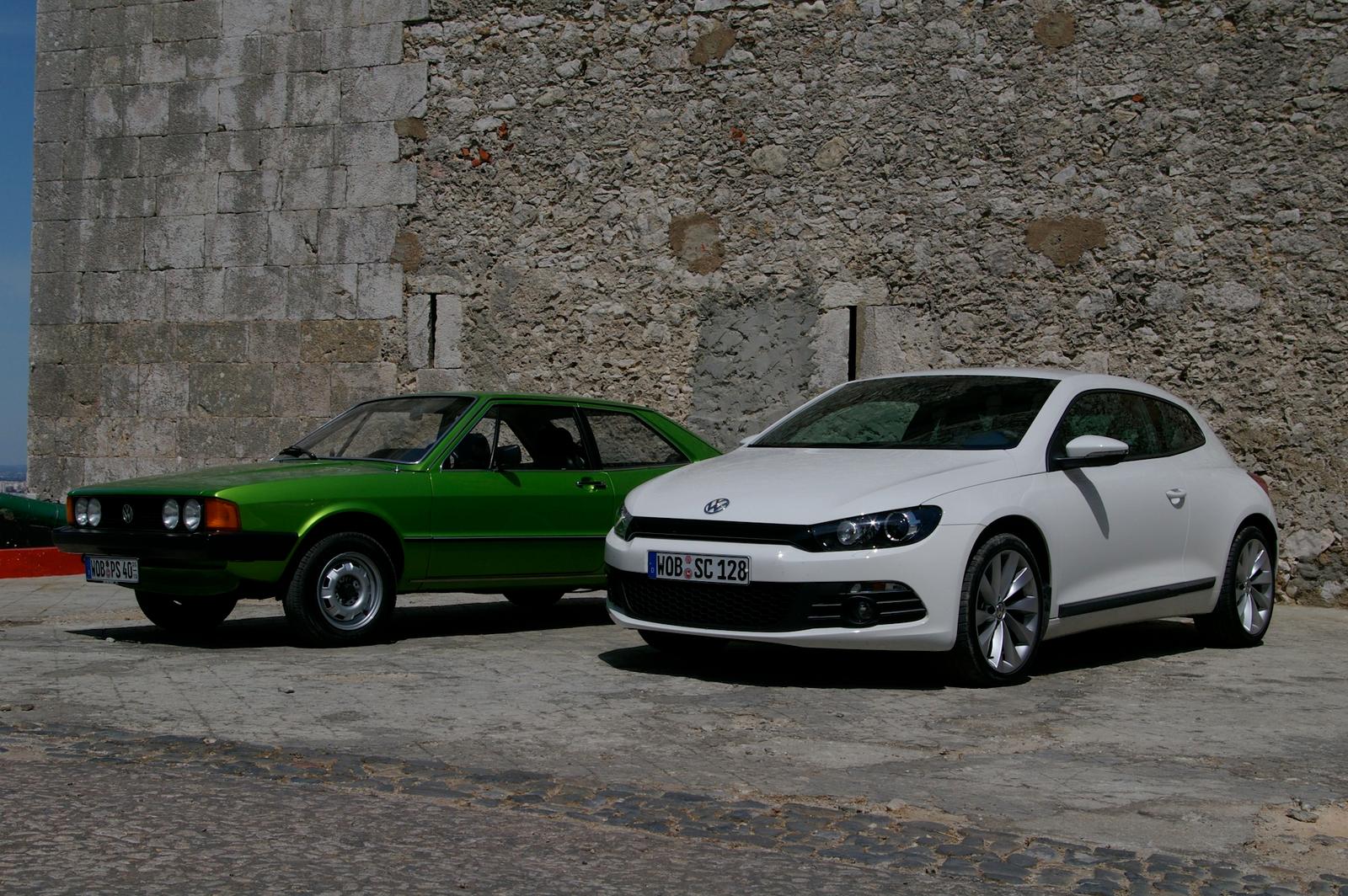
The Golf was created as a mass-market car for the widest possible audience, while the Scirocco always remained an emotional image model.
Continuation of the story
The second generation Scirocco retained the A1 platform but received a completely new design developed by Herbert Schäfer.
This version was produced until 1992.
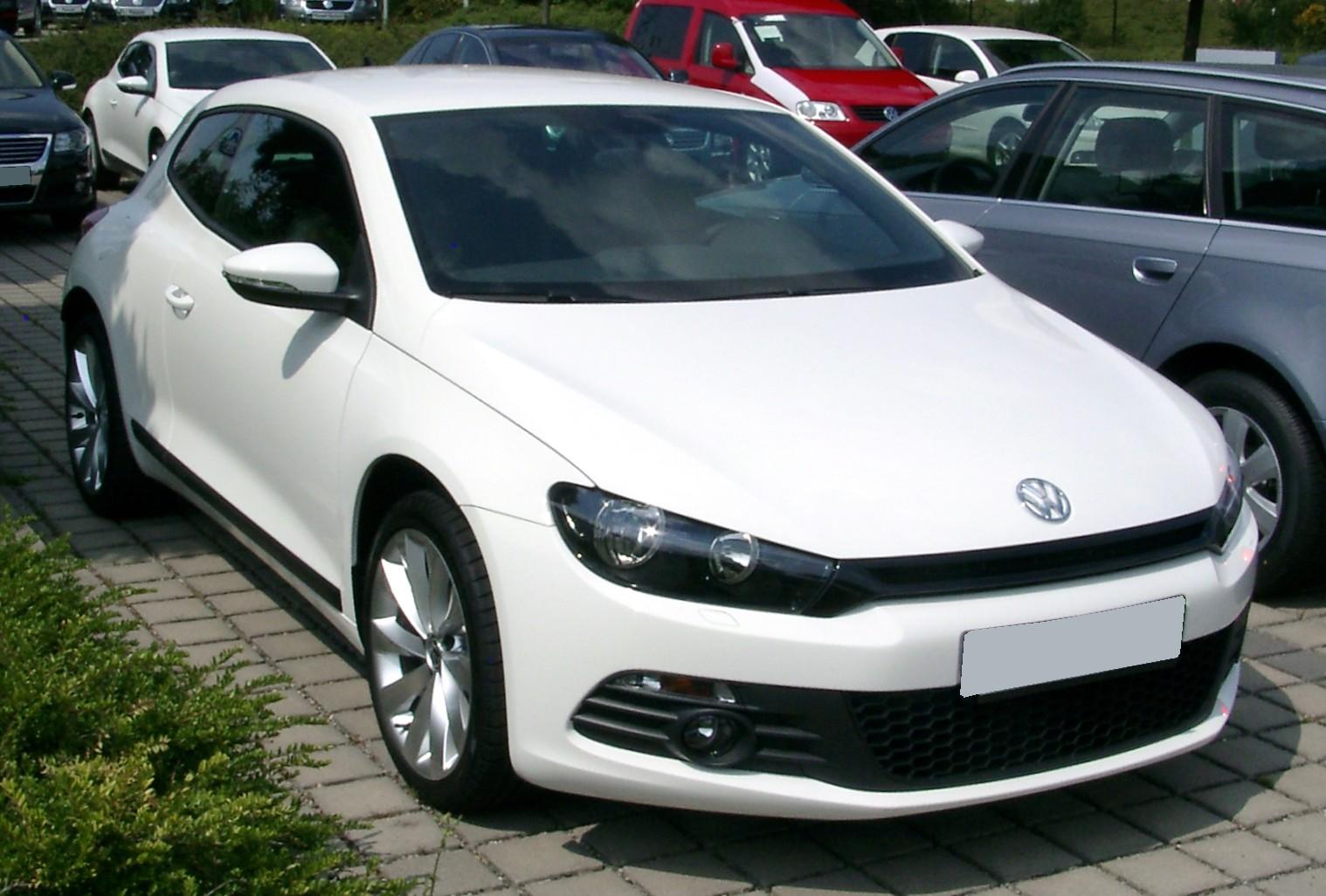
Later, Volkswagen's sports lineup was supplemented by the Corrado coupe, built on the A2 platform.
Nevertheless, it was the first Scirocco that laid the foundation for all subsequent sports models of the brand, proving that even a “people's car” can give bright emotions and driving pleasure.
Read more articles:
- Spoiler on the trunk: real benefit or design element
- German car market in 2025: who is leading and why cars have become gray
- Disc-less wheels: why they were invented and why they were forgotten
Комментарии