The new generation BMW X5 (index G65) will bring not only an updated design and modern technologies, but also one of the most significant changes in the model's history. For the first time since its debut, the crossover will lose its two-piece tailgate, which has been the X5's calling card for over two decades.
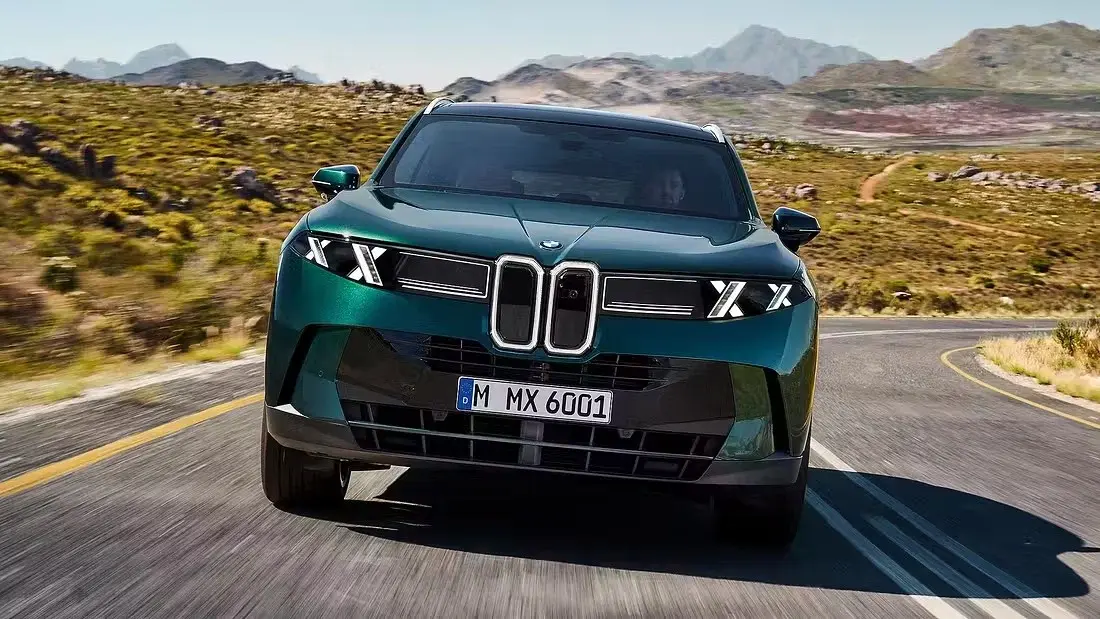
Instead of the traditional design with a separately opening lower flap, the new X5 will receive a conventional single-piece tailgate, like most modern crossovers.
Representatives of BMW explained the reasons for this decision with several factors. X5 project manager Michael Ahlers said that a more dynamic roofline helped to abandon the previous design. In addition, engineers sought to eliminate the horizontal joint that divided the tailgate into two parts.
BMW Vice President for Luxury Cars Philip Koehn added that the new design allowed for a wider trunk opening. At the same time, the reduction in door height is precisely related to the changed body proportions.
Another argument of the company concerns ease of use. According to Koehn, the lower flap complicated access to distant areas of the luggage compartment for people of average height, as they had to reach over the open lower part of the door. The X5 project manager shares a similar opinion.
Nevertheless, among brand fans, this explanation caused a mixed reaction. Many believe that the two-piece door was not only a practical solution, but also one of the distinctive features of the model, along with the rear engine placement in the Porsche 911 or the split tailgate in the Range Rover.
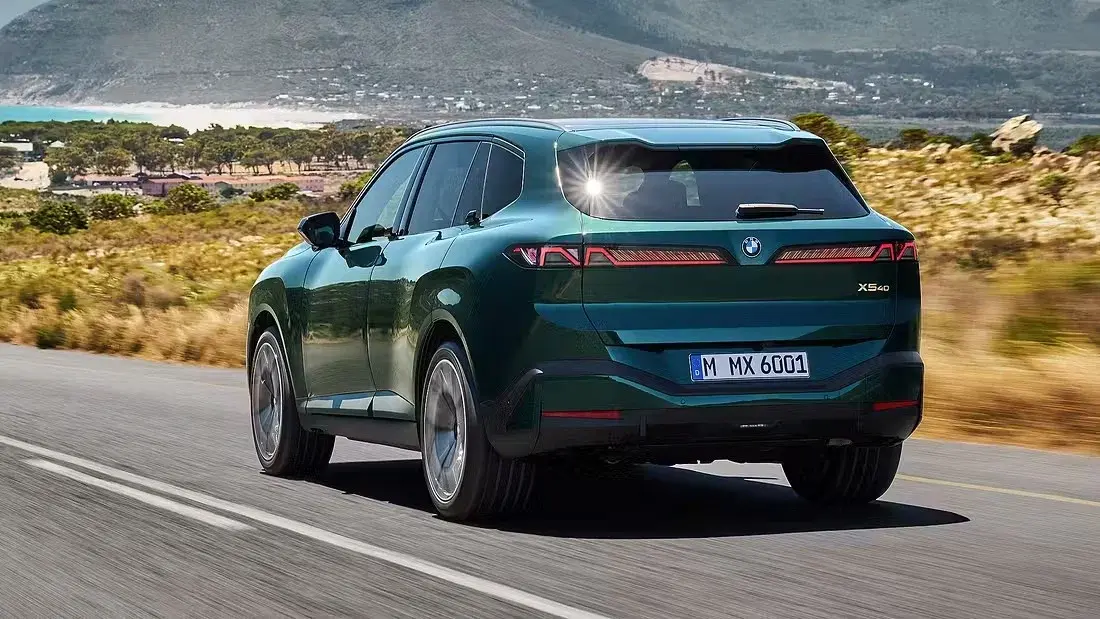
Experts also suggest that the abandonment of the complex design may also be related to cost optimization. A two-piece door requires additional hinges, reinforcements, electric drives, and a more complex control system, which makes it more expensive to manufacture.
This is not the first time BMW has abandoned recognizable design elements. Previously, the 5 Series Touring wagon lost its separately opening rear window, which had been a signature feature of the model for over 30 years.
It is possible that similar changes will affect other BMW wagons and crossovers in the future, including the next generation X7.
Read more materials:
- Malaysia Restricted Import of Inexpensive Electric Vehicles: BYD and Other Chinese Brands Hit
- Buyers Made Their Choice: Gasoline Dodge Charger Sales Grew by 404%, While Electric Version Lost 88%
- Sedan Against the Trend: Cadillac CT5 Unexpectedly Outperformed Most of the Brand's Crossovers