The Meeting Place Cannot Be Changed remains one of the most recognizable Soviet detective stories, and although the film is not about cars, the car lineup in it has become the subject of long and persistent disputes. The history of the creation of the series, its script transformations and features of filming equipment turned transport from a simple prop into an important element of the screen world. The cult duo Sharapov and Zheglov, investigating the cases of the Black Cat gang in post-war Moscow, led the audience into the atmosphere of 1945, but the cars themselves on the set had a very conditional relationship to the real time of action.
The film is based on the novel "The Era of Mercy" by the Vainer brothers, inspired by real events: in the capital destroyed by the war in the 40s, a cruel group of robbers operated, shooting and maiming people for the sake of cash registers and commodity stocks. Many details in the film adaptation were rewritten - from episodes to the ending. The Vainer brothers were not satisfied with the edits of Gosteleradio, and they even asked to remove their names from the credits. Later, the conflict was resolved, recognizing that Govorukhin had made an outstanding detective story.
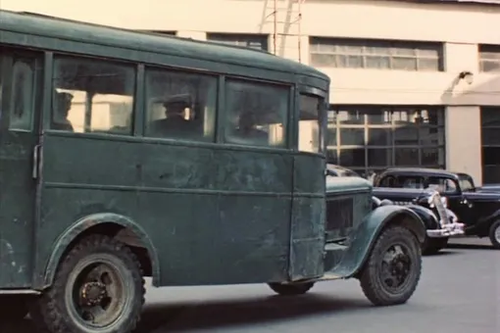
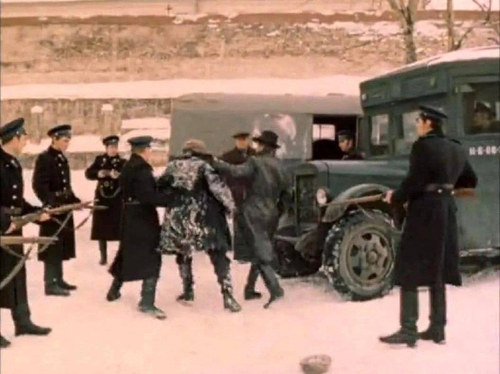
One of the most discussed elements of the picture was the "Ferdinand" - the MUR service car. In the book, it was conceived as a trophy Opel Blitz in police colors, but the film studio did not have a suitable copy, and there was not enough budget to build a new one. Therefore, the role was played by a bus based on ZIS-5, created in the 60s at the Arekuz plant. It looked impressive, but it was only related to the Blitz by the similarity of the silhouette. The real "Blitzbus" had an in-line 3.6-liter engine with 68 hp and a consumption of almost 30 liters, and such cars were built by bodywork companies throughout Germany, most actively - Ludewig from Essen, which produced about three thousand copies for the Wehrmacht.
The Studebakers, which the bandits ride in the film, were also not perfect. American trucks had a powerful six-cylinder 5.24-liter engine with 86 horsepower, but due to the mass and three-axle design, they accelerated only to 69 km/h. The filming used a car that was not running at all - only the brakes and headlights worked. It moved on a cable, and when filming the scene of the fall into the river, the tug stalled at the very moment, and only luck allowed the car to be rolled to the Yauza before sunset.
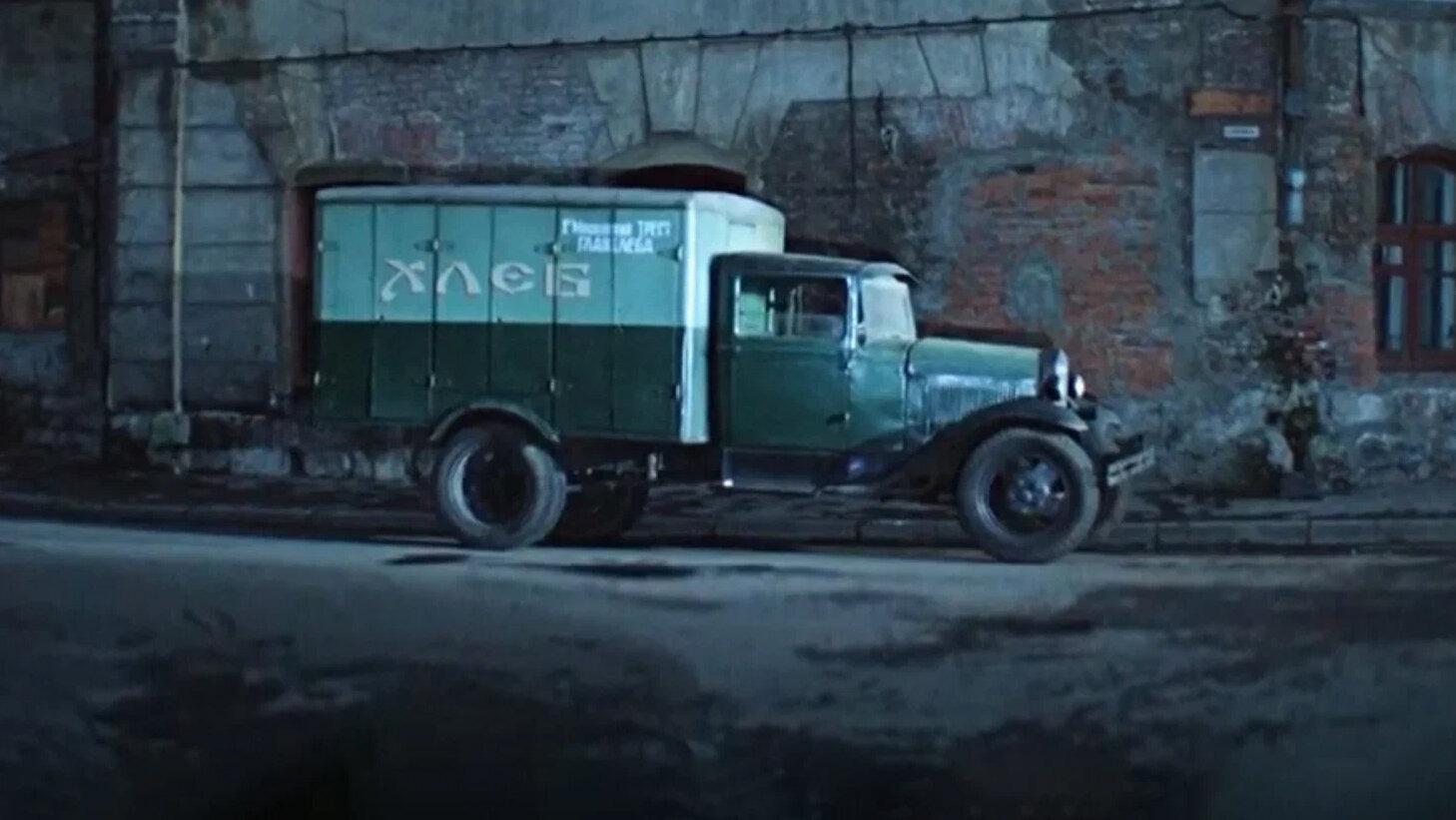
Many legends are also associated with the bread truck on which the criminals moved. It was a real GAZ-AA of 1938, found on the pedestal of the 23rd motor depot of Moskhlebtrans. During the war, this "one-and-a-half" really delivered bread around Moscow, and after decommissioning it was made a monument to the labor front. The filmmakers convinced the management of the base to remove the car from the pedestal, but the doors were welded shut, there were no brakes, and the shots were taken with great care. The absence of front brakes and comfort elements corresponded to history: during the war, GAZ-AA often did not have a muffler, a second headlight, full doors, or bumpers. The engine of such trucks was 3.3-liter, with 40-50 horsepower, depending on the modification. Exactly the same engine was used on the GAZ-M1 passenger car, which appears in the series when the operatives are watching the bandits.
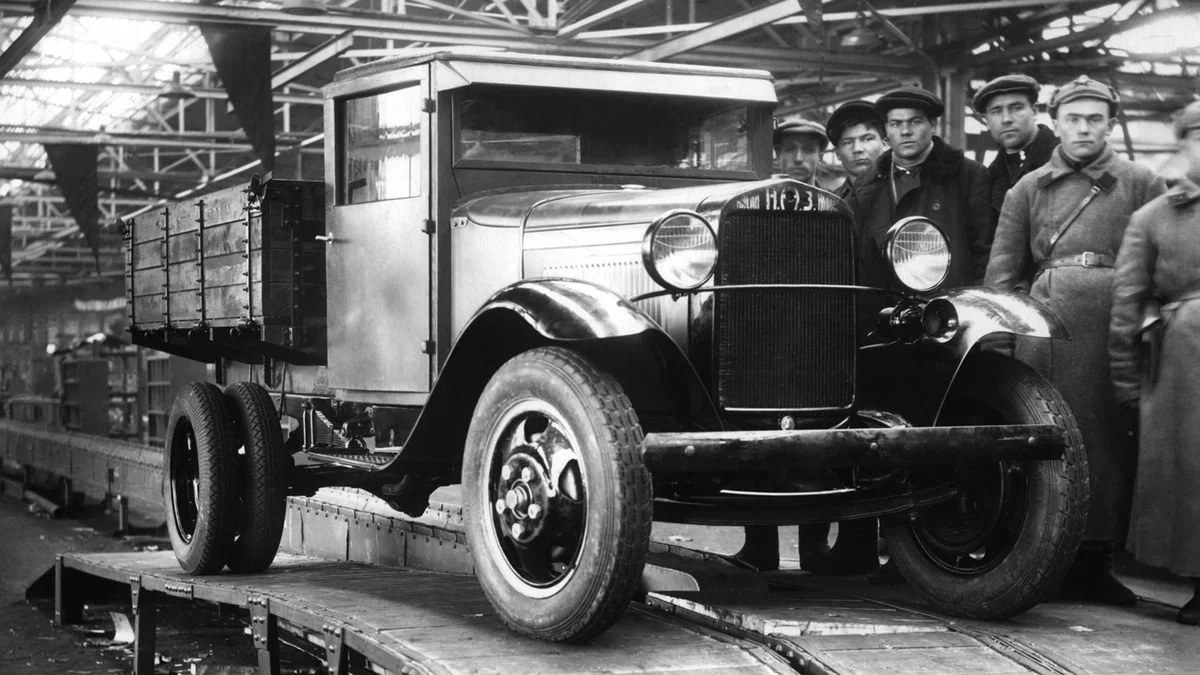
The film constantly compares the power of the service "Ferdinand" and "Studer". In one of the scenes, the driver states that "Studer's engine is three times as powerful", but this is a artistic exaggeration. Both the ZIS-5 and American trucks were equipped with Hercules units, just of different volumes and degrees of boost. In practice, the Soviet car could well compete with the American one, especially considering the difference in mass and traction.
The story with transport on the set clearly shows how limited the resources of the Soviet film industry were in the late 70s. Much was done literally on the knee: they restored old equipment, removed cars from pedestals, combined working units and brought them to the state of "at least it will go somehow". At the same time, the final result turned out to be so convincing that viewers are still arguing about which real models were used and how much they corresponded to the era.
The film became the last screen work of Vladimir Vysotsky - the actor passed away six months after the premiere. "The Meeting Place Cannot Be Changed" practically did not receive awards, but acquired a truly national status. Viewers still return to this story, and the cars that participated in the filming received their own share of fame, becoming not just props, but part of a large cultural phenomenon.
Read more materials:
- AvtoVAZ officially explained which gasoline should be poured into Lada
- Moskvich announced prices for the Moskvich 6 sedan of the 2026 model year
- Tank raised prices for the entire model range in Russia: Tank 500, 700 and 400 have become more expensive