The automotive dictionary has enough terms that sound alarming: "blind spot", "braking distance"... But nothing evokes such a chilling feeling as the expression Suicide Doors.
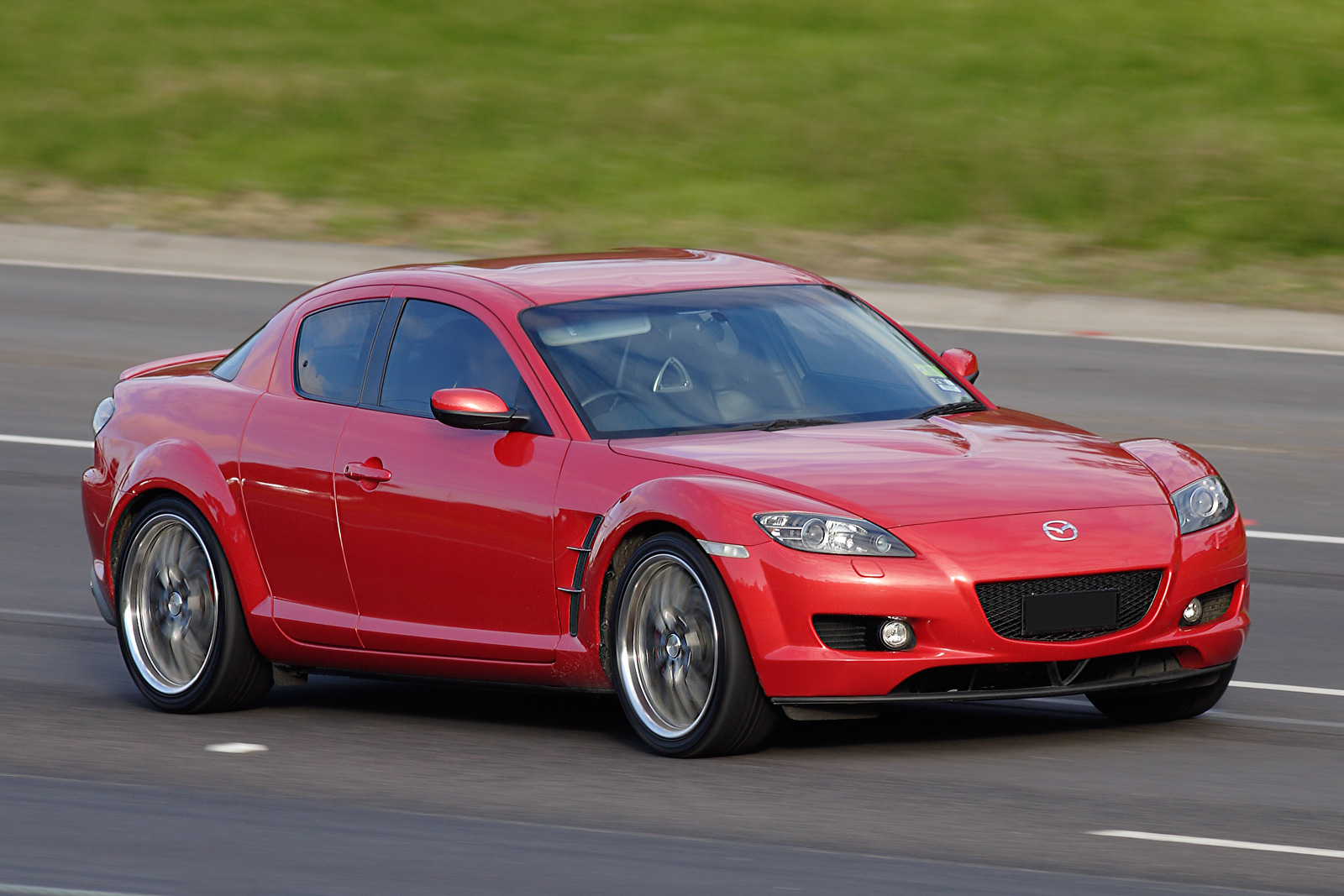
You've probably seen them: rear doors with hinges at the back and a lock at the front. Today, it's a signature feature of Rolls-Royce or exotics like the Mazda RX-8. But why such a grim name? Is it true that people fell out of cars on the move?
You might think: who would even try to open a door at speed? But if you dig into history and a little bit of physics, it becomes clear: the name didn't arise for the sake of a beautiful sound. It's a direct reminder of an era when seat belts didn't exist, and roads were like a washboard.
Chapter 1. Carriage Heritage: When it was the Norm
At first, rear-hinged doors didn't surprise anyone - they were standard. Just look at old horse-drawn carriages: almost all of them had doors that opened backwards.
Why is that?
- Maximum ease of boarding. It's easier for a lady with a multi-layered dress to enter the cabin when the door goes forward, rather than making her circle around it.
- Comfort for the footman. It was easier for servants to open such a door and offer a hand to the passenger.
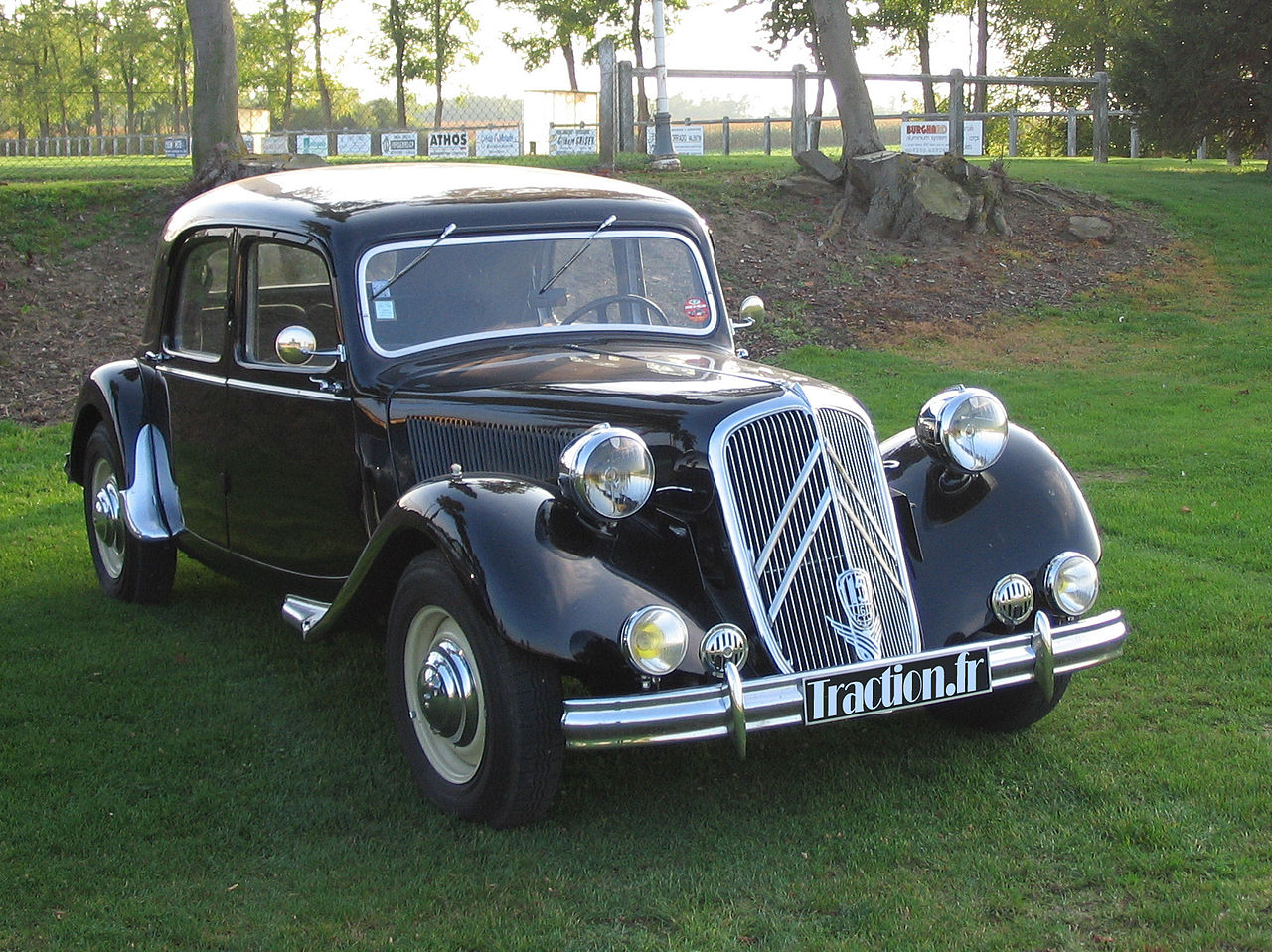
It's not surprising that in the 20s-30s, this design was found everywhere - from mass-produced Citroën Traction Avant to luxurious Bugatti. Back then, they were called much more romantically - coach doors.
The real problems appeared later - when cars learned to drive faster than horses.
Chapter 2. Aerodynamics of Death: Why They Became Considered Dangerous
Here, physics enters the stage - and does so harshly.
Imagine a regular door (hinges at the front). You open it a little bit at speed - and the airflow itself will slam it shut again. Aerodynamics saves you from your own mistake.
Now imagine a "suicide" door:
- You accidentally touched the handle or the lock gave way (in the 30s-40s this was normal - the locks were almost decorative).
- The door opened just a millimeter.
- The airflow immediately rips it outwards, swinging it open with all the force that the headwind is capable of.
And what happens at this moment?
- The passenger, who was holding onto the handle, flew out of the cabin because the door literally pulled him outwards.
- If he didn't manage to hold on, a turn could do it for him - centrifugal force threw the person straight into the opening.
Try to mentally put yourself inside a 1930s car. No seat belts. The roads are constantly bumpy. The hinges are weak. Click - and the passenger is no longer in the car. Scary? That's exactly why people gave these doors such a gruesome nickname.
Chapter 3. Lincoln Continental: Style, Stronger Than Fear
Despite the risk, designers loved these doors - there was a special theatricality to them. The Lincoln Continental model of 1961 became a true symbol, the same epochal car in which Kennedy rode.
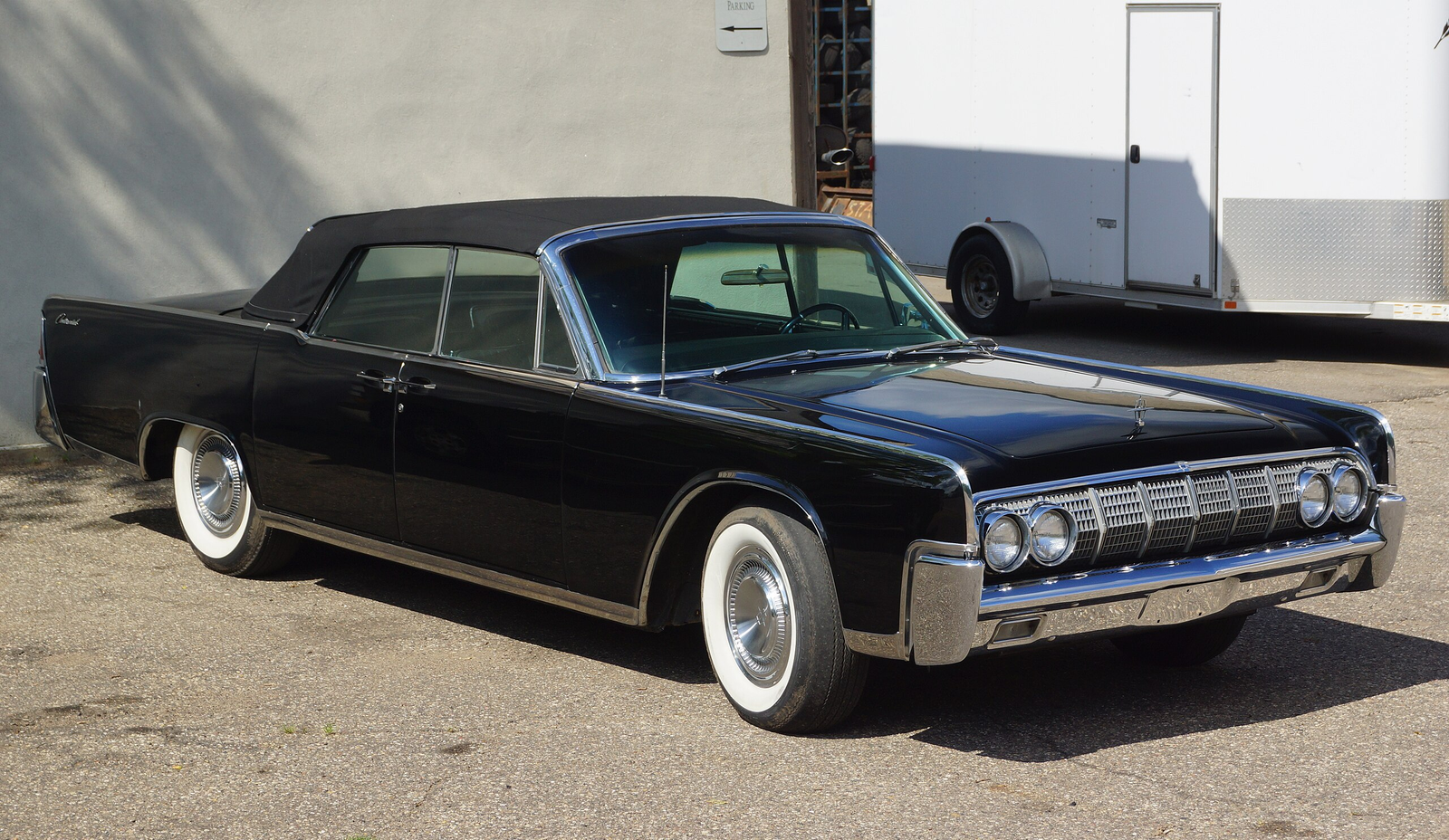
Ford engineers chose this scheme not for beauty, but out of necessity: they were making a rare 4-door convertible. To ensure convenient boarding in the back without turning the doors into aircraft hatches, they had to move the hinges back. In the end, it turned out so impressive that it became the signature style of the Continental for many years.
And it was Lincoln that showed that danger can be tamed. They introduced a vacuum locking system that securely locked the doors when starting to move. In those days, it was almost magic.
Chapter 4. Sunset and Second Coming: Engineering Tricks
By the 70s, the era of safety had arrived in earnest. Ralph Nader appeared, requirements became stricter, and rear-hinged doors died out almost completely. But not forever.
Today, such doors are encountered again - but in a completely different form.
Rolls-Royce
No "suicide" - only coach doors. There is complex electronics that will not allow the door to open even if you try. The system itself will close the door if you don't push it all the way. Everything is safe to the point of paranoia - premium is premium.
Mazda RX-8 / BMW i3
Here, the Clamshell scheme operates. The rear door will never open first: it is locked to the front door. While the front door is closed, the rear is locked. Risks - zero, convenience - maximum.
Toyota FJ Cruiser
The same concept: the doors are created for ease of boarding and visual effect, and not for the sake of risk.

The history of "suicide" doors is an amazing evolution from a banal norm to a deadly dangerous solution, and then to a symbol of luxury and engineering victory over aerodynamics.
Such doors are one of the most aesthetic elements of automotive design. They have a gesture, a ceremony, almost theatricality. And it's wonderful that modern technologies have made it possible to preserve this effect, while removing all that gloomy context that once gave them their gruesome name.
Read more related materials:
- Genius oddities of the past: 6 cars that knew how to surprise
- Automatic Transmission Adaptation: How the gearbox learns and why it "kicks"
- The most dangerous muscle cars ever produced
Комментарии