Hongqi's positioning in the Russian market remains confusing: the brand seems to be hanging between the premium and mass segments. While some buyers are focusing on parallel imports and taking proven Audi or BMW models, others have already moved to a more affordable class and are not ready to pay for a Chinese premium almost the same money as for a three-year-old German crossover. Nevertheless, Hongqi continues to work hard on its image, and the HS5 restyling is another attempt to get closer to European ideas about status and quality.
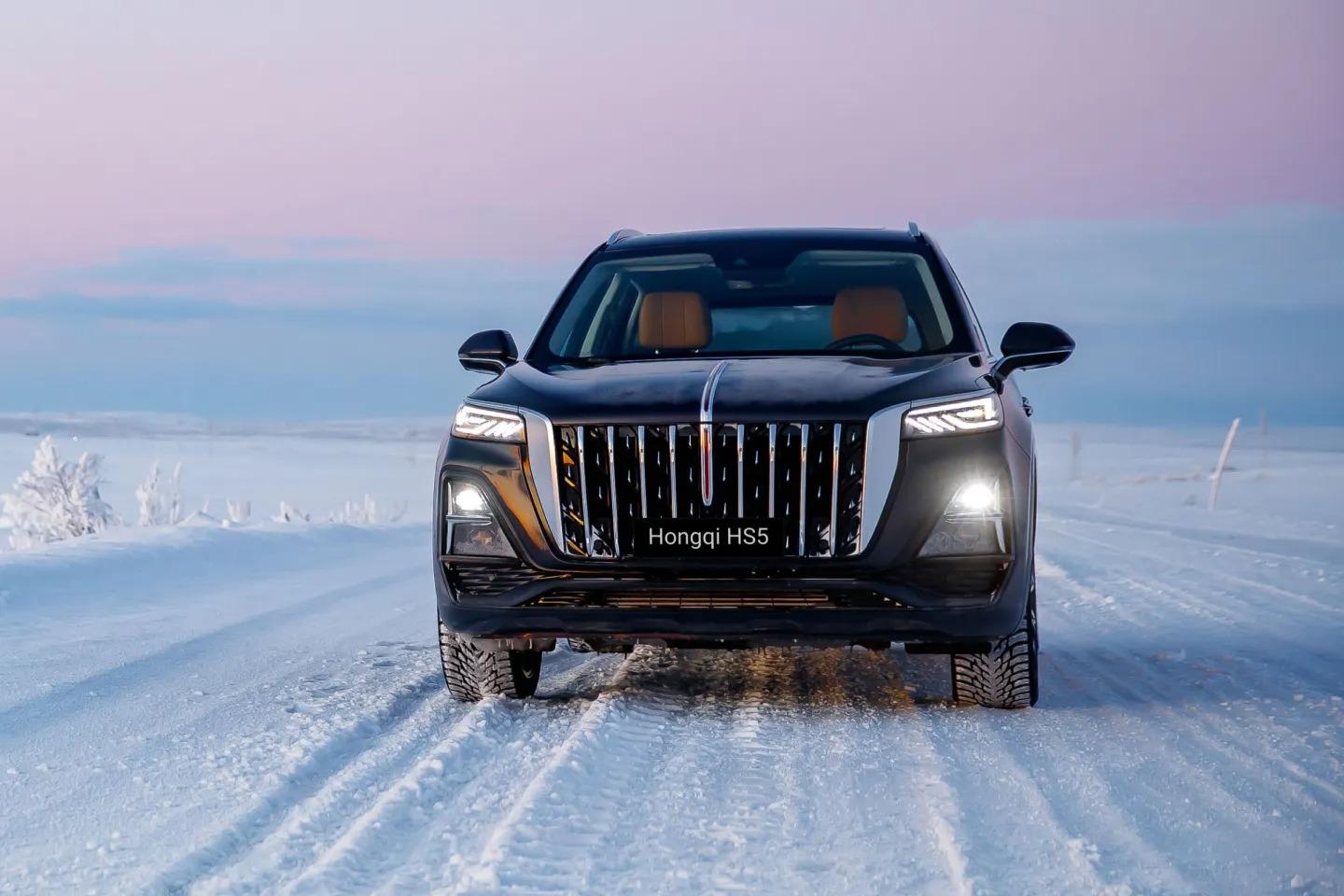
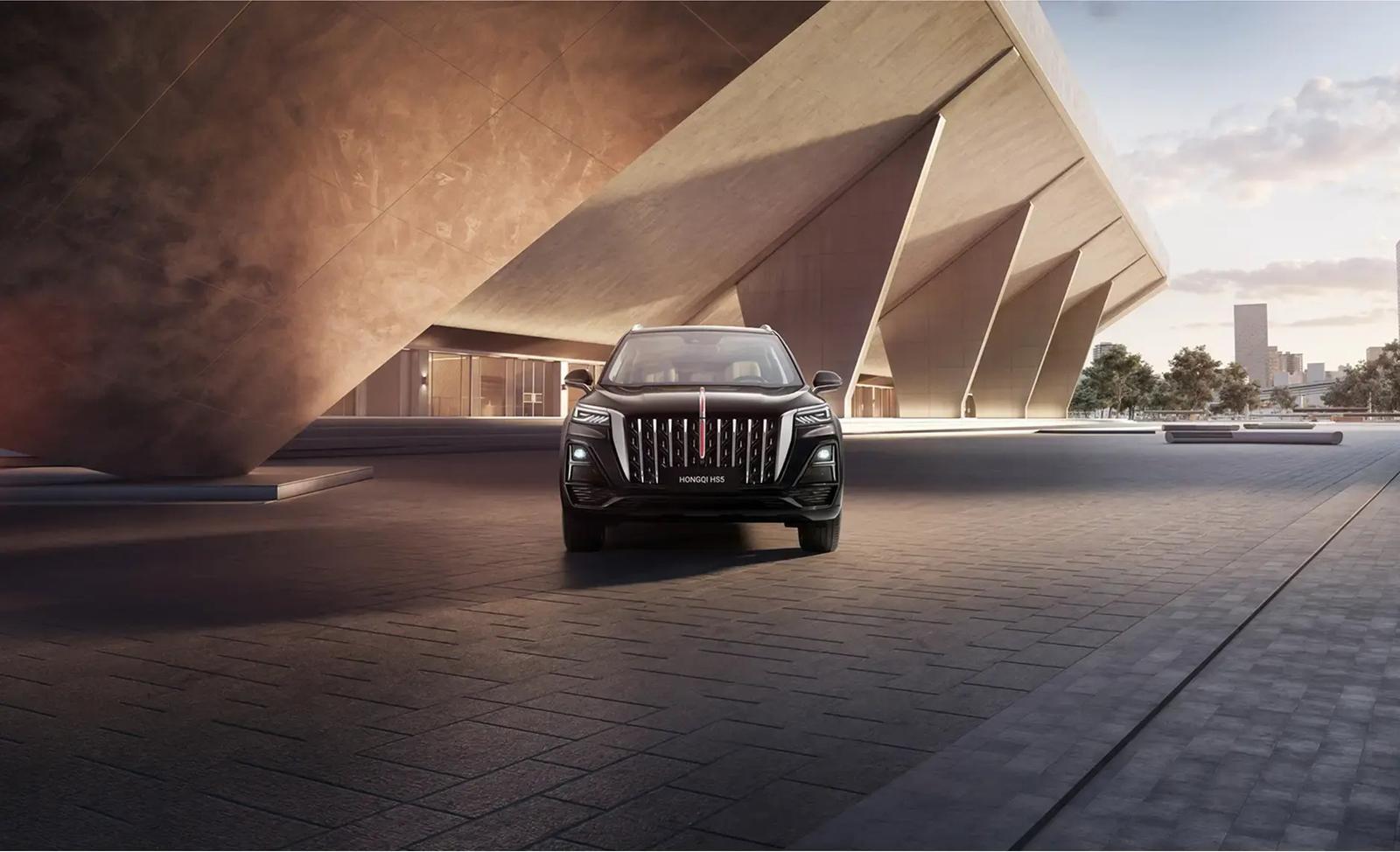
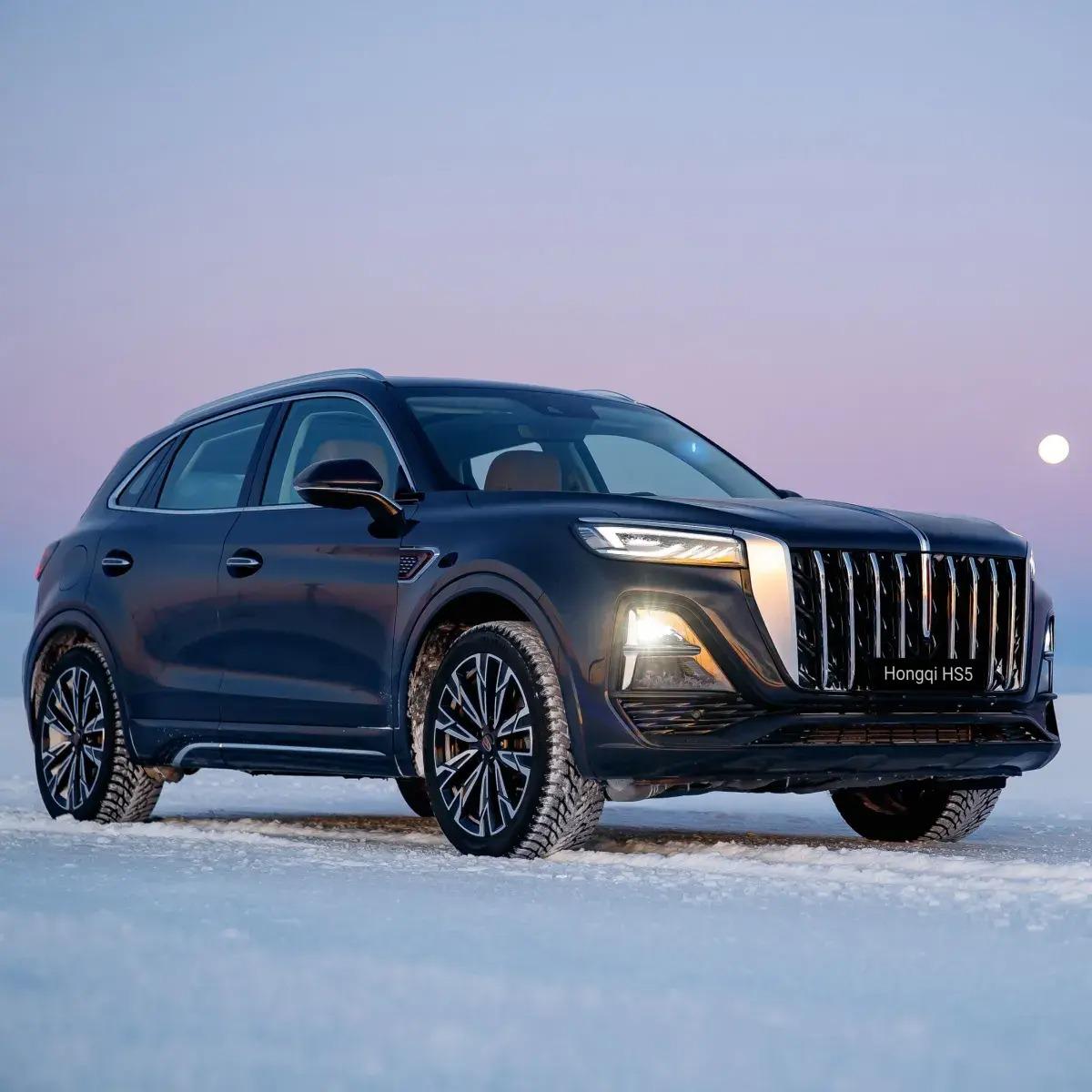
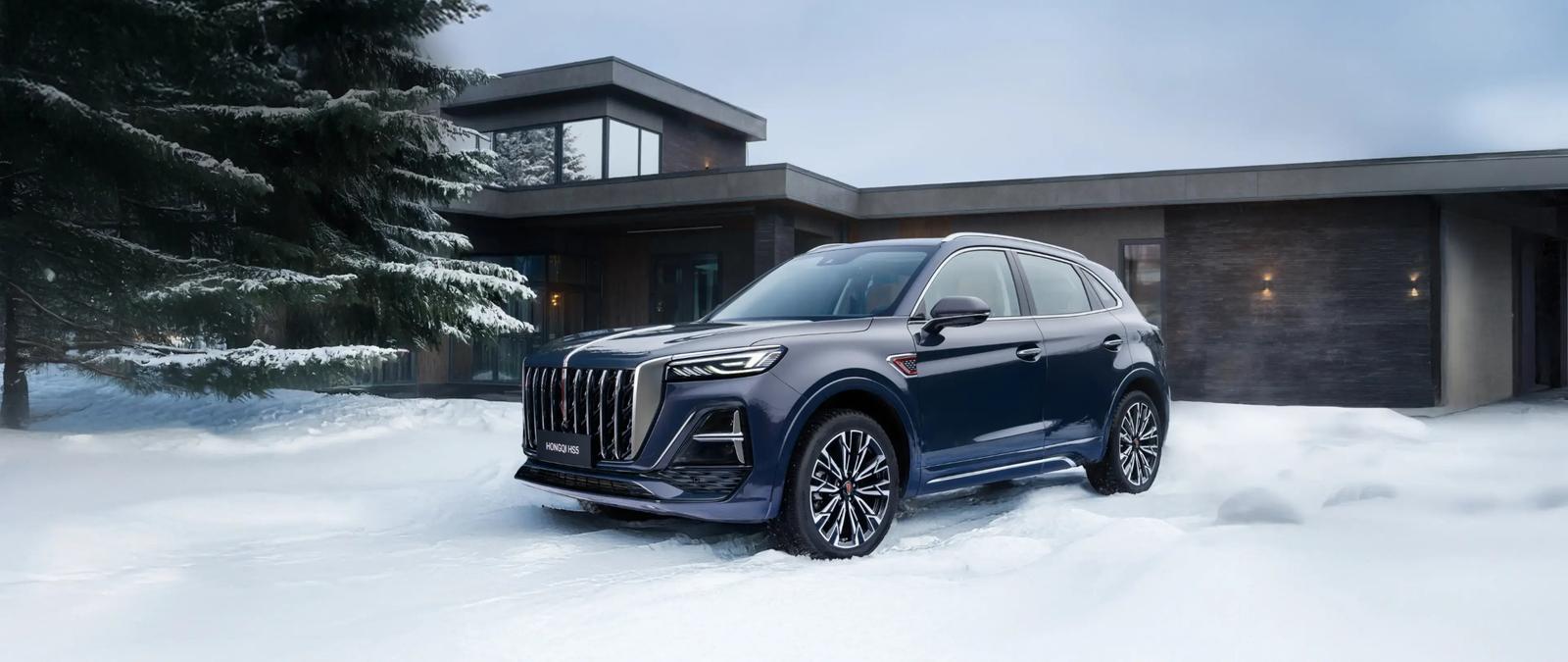
In the appearance of the SUV, there is a clear attempt to move in the "German" direction. The front part has changed dramatically: the signature massive grille has become more austere and monumental, leaving behind old-fashioned roundness. The red vertical stripe has been preserved, but now its illumination appears only when the car is locked and unlocked. The optics have been completely redesigned: the two-tier scheme with DRLs in the upper block and the main headlights in the lower one adds visual width and makes the car look more solid. The rear part received new lights, a red edging of the jumper and a more expressive bumper.
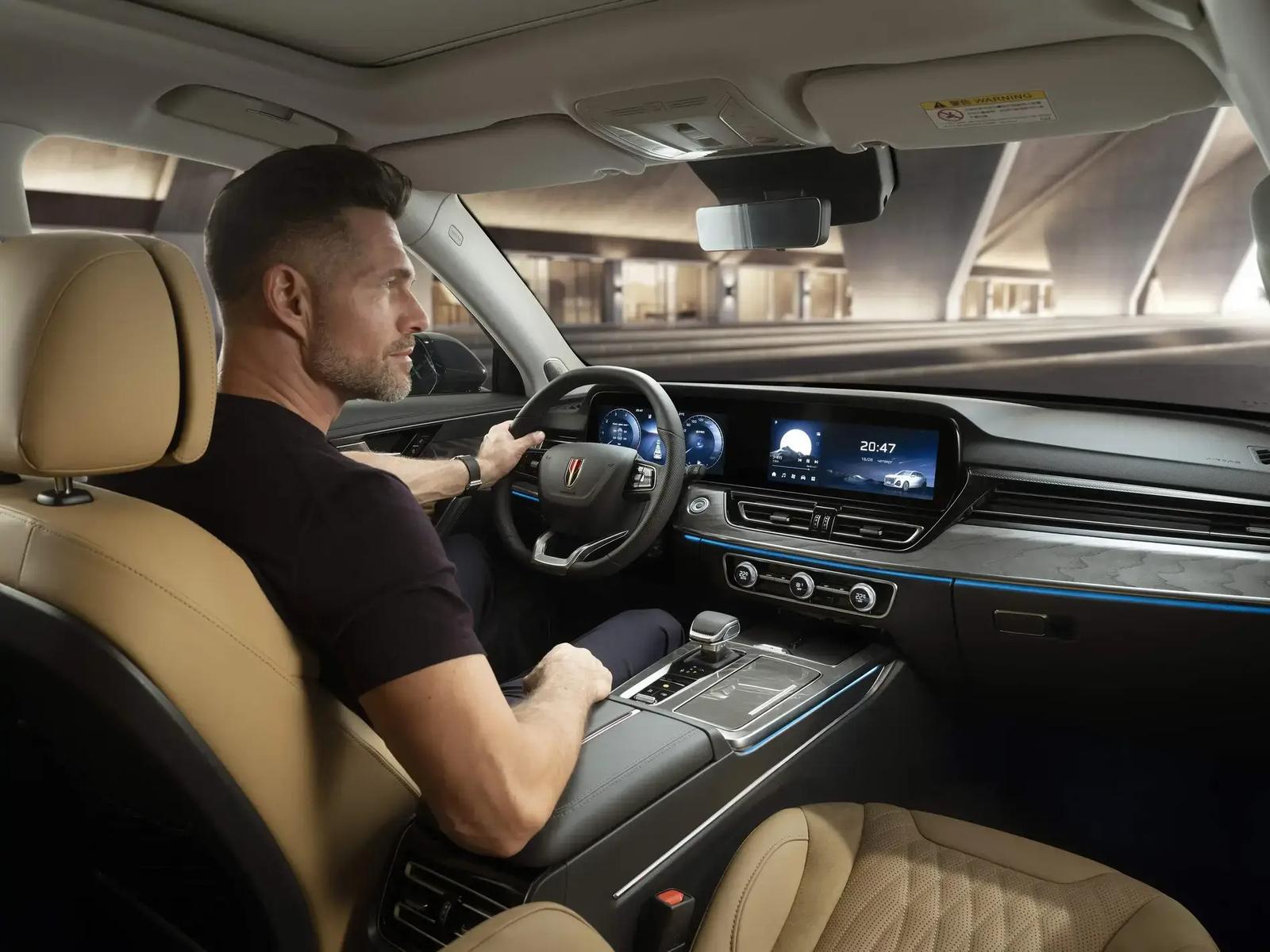
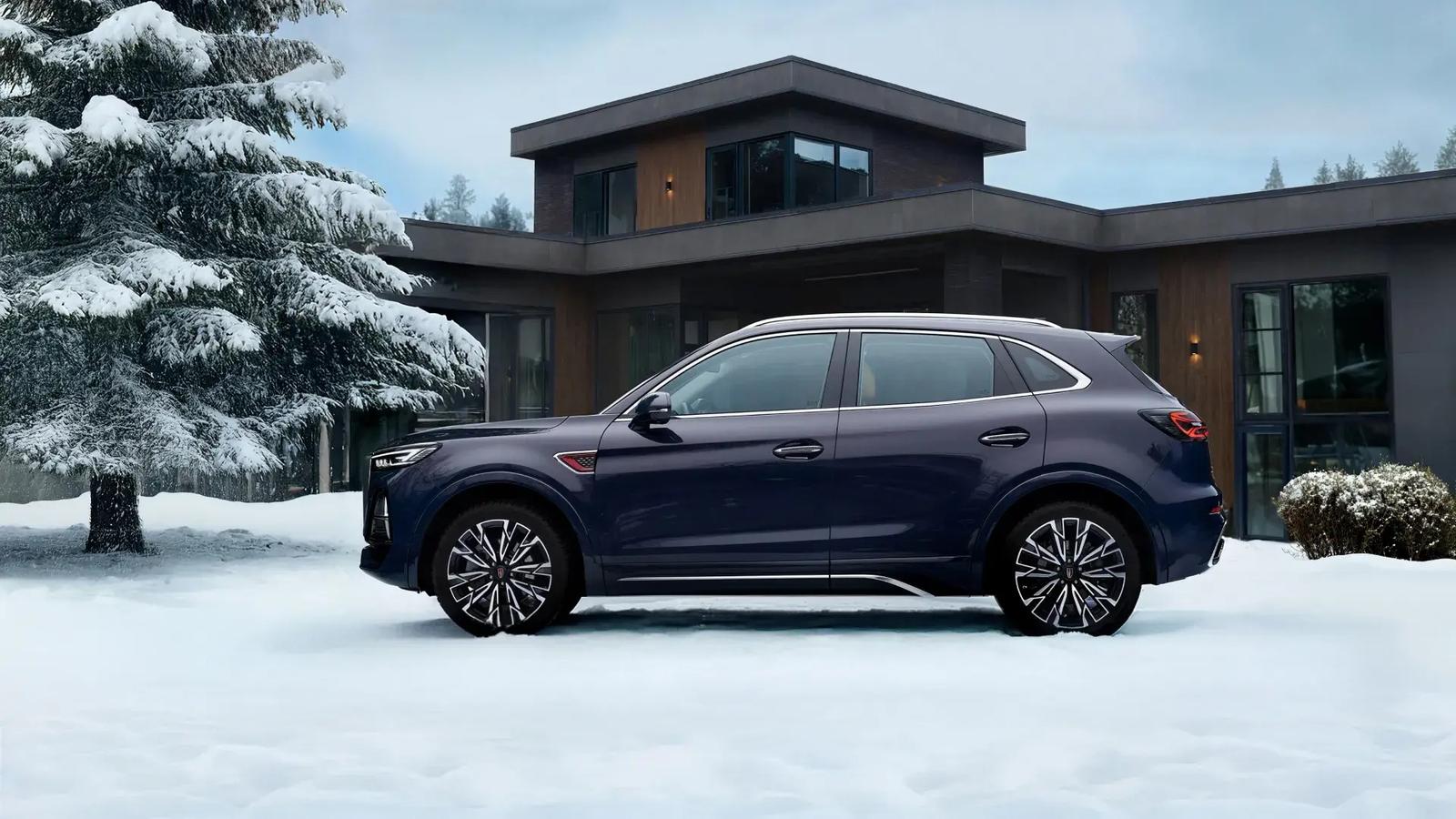
In profile, the restyling has practically not changed the model - and yet the car has begun to be perceived differently. Small touches in the design of the sidewalls made the silhouette neater, and the proportions more harmonious. The interior has also undergone adjustments. They removed unnecessary decorativeness, softened the stitching pattern, updated the materials and interface. The main thing is that the multimedia system has finally received Russification, albeit not ideal. The home screen has been reconfigured, the logic has become clearer, and the two 12.3-inch panels are still combined into a single cluster.
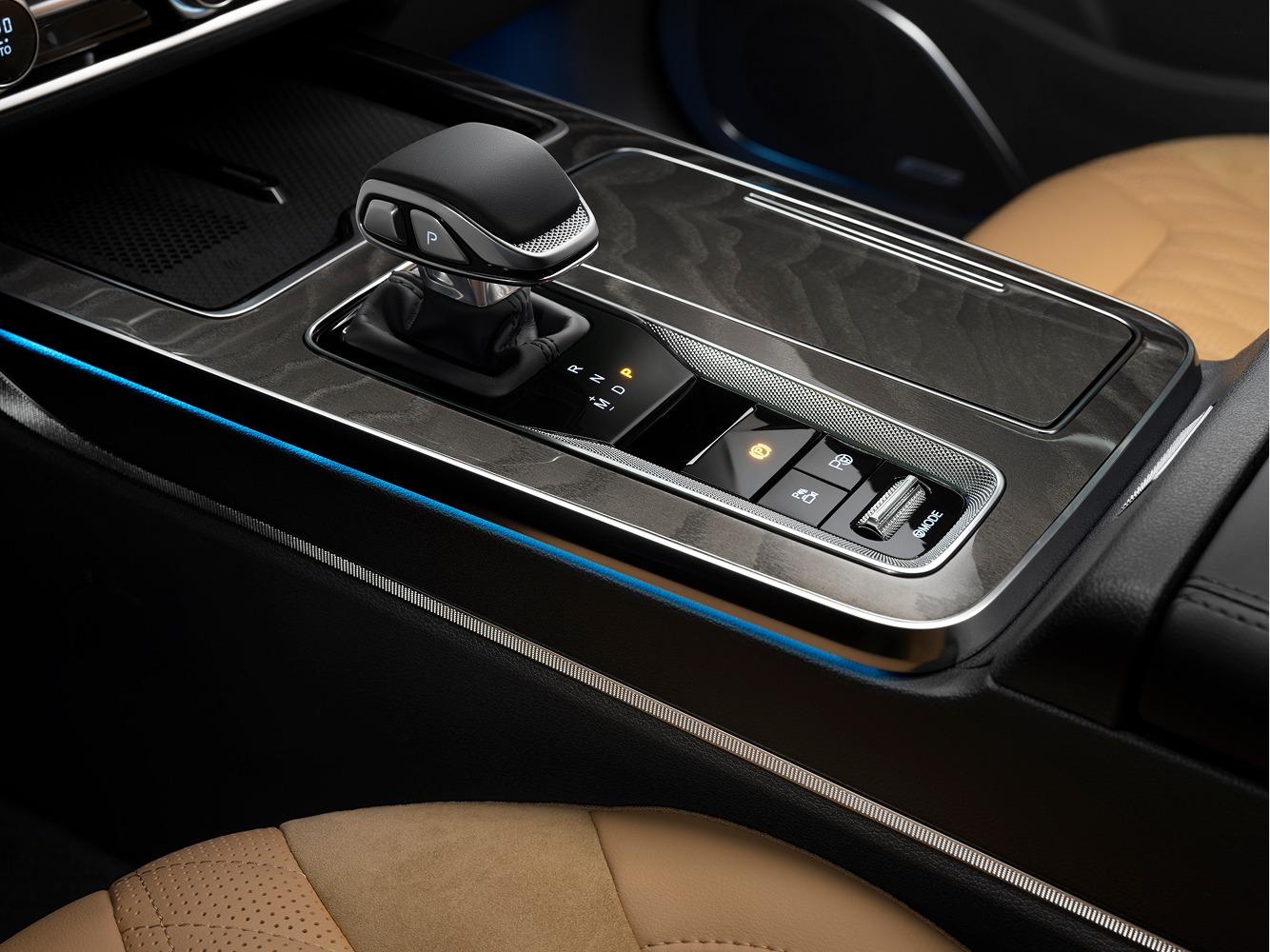
Despite the updates, the media system remains controversial. It still does not have Apple CarPlay and Android Auto, and part of the menu looks anachronistic. The screen responds slower than I would like, and some icons are small and strangely located. The most unusual moment is calling up the quick access panel: it does not open with a swipe, but with a pinpoint press on the small Hongqi logo in the upper right corner. However, the new climate control unit partially compensates for the shortcomings of the media system: instead of touch zones, physical buttons appeared, but the icons on them are not always clearly readable.
There are more changes in technology than it seems. A two-liter turbo engine remained under the hood, but it was so significantly redesigned that the output increased from 218 to 245 horsepower. A twin-scroll turbine was used, the cooling system was improved, and a new eight-speed Aisin automatic replaced the old six-speed gearbox. The result is noticeable immediately: the turbo lag disappeared, the engine became more responsive, and the acceleration became more confident. On the highway, the HS5 now willingly accelerates even after 100 km/h, which used to be a weak point of the model.
However, the new gearbox requires getting used to. At the start, it reacts slower than expected, as if checking the driver's intentions and "protecting" the mechanism. The delay persists in sports mode. But in motion, the automatic transmission works smoothly and imperceptibly, clearly shifting gears without jerks. The suspension is also configured differently: adaptive shock absorbers really increase comfort on small bumps, tram tracks and small potholes are easily passed, but the HS5 works out large potholes harder than I would like in the "closer to premium" segment.
Sound insulation has become another point that requires attention. At city speeds, everything is quite comfortable, but on the highway there is extra noise from the wheels and air flows. This is especially noticeable in sports settings, when the suspension becomes denser, and the body becomes more responsive to road trifles. The image of a premium crossover is somewhat blurred precisely at high speed, where more silence and smoothness are expected.
But the configurations of the HS5 still look convincing. For 3,780,000 rubles, the buyer receives a panoramic roof, Nappa leather, all-round visibility, a full set of heating, ventilation of the front seats, Bose with 12 speakers, matrix optics, parking sensors, assistants and a projection display. The top version for 4,210,000 rubles offers adaptive shock absorbers, acoustic windows, memory of all parameters, automatic parking and advanced electronic functions. Against the background of BMW X3 for 6 million and Audi Q5 for 9 million, the HS5 looks like an extremely profitable offer. In terms of price, it is closer to compare it with Geely Atlas, which determines the real niche of the model: Hongqi strives for the premium zone, but works in the mass segment.
And this may be the right strategy. Russians willingly take well-equipped models with a clear price tag, which do not require overpayment for the brand. If Hongqi manages to prove reliability and hone ergonomics, the updated HS5 may well become that turning point for the brand. In the meantime, this is a crossover that honestly tries to match the status, but has not yet reached the premium level everywhere - however, in terms of equipment and dynamics, it is already able to surprise.
Read also materials:
- AvtoVAZ officially explained which gasoline should be poured into Lada
- "Moskvich" announced prices for the Moskvich 6 sedan of the 2026 model year
- Tank raised prices for the entire model range in Russia: Tank 500, 700 and 400 have risen in price