Checking the oil level is a simple but critical procedure for maintaining engine life. It's a topic that's generating more and more questions today: amid widespread underfilling in cars of Chinese brands, many owners are wondering how safe this is.
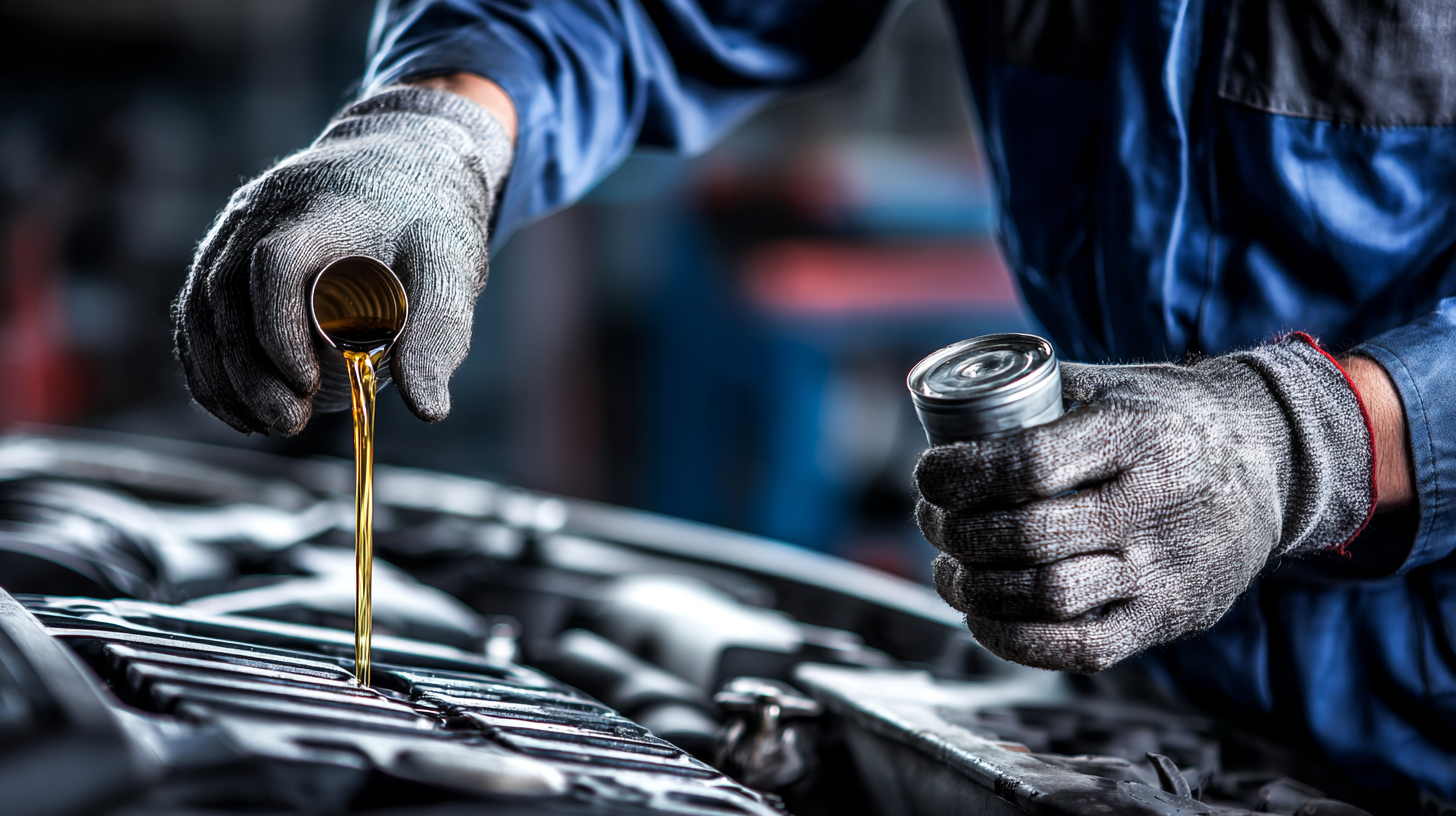
The trend towards larger oil filling volumes is logical in itself - modern 1.4-2.0-liter engines can hold from four to six liters of lubricant, which slows down its aging and is better suited to extended service intervals. However, the paradox is that such engines often come off the assembly line with the level only "in the middle" or closer to the minimum value, and sometimes even at the very "min".
Experts note that the working minimum is not a direct threat if the car is operated in the city and the engine is working properly. The oil intake still captures the lubricant, the pressure in the system is maintained, and the emergency pressure lamp does not deceive. However, a lack of volume accelerates oil aging and increases the risk of oil starvation on a long trip, at high revs, or when the engine is worn.
Oil burns over time, and if the starting level is low, the owner can quickly move into a dangerous zone. Engines with chain-driven timing, phase shifters, and thin oil channels are particularly vulnerable: theoretically, pressure may be maintained in the lower part of the block, but be insufficient in the upper part.
The opposite situation - overfilling - is no less dangerous. For it to become critical, the excess must be significant: we are talking not about a few millimeters above the maximum, but about liters. If the crankshaft starts to pick up oil, a dense oil mist forms inside the crankcase, the volume of crankcase gases increases, the engine loses traction, blue smoke appears, and the catalytic converter is at risk of failure. In severe cases, valve burnout and connecting rod failure are possible. However, a moderate overfill of 5-10 mm usually does not cause fatal consequences - as long as the rotating parts do not come into contact with the oil.
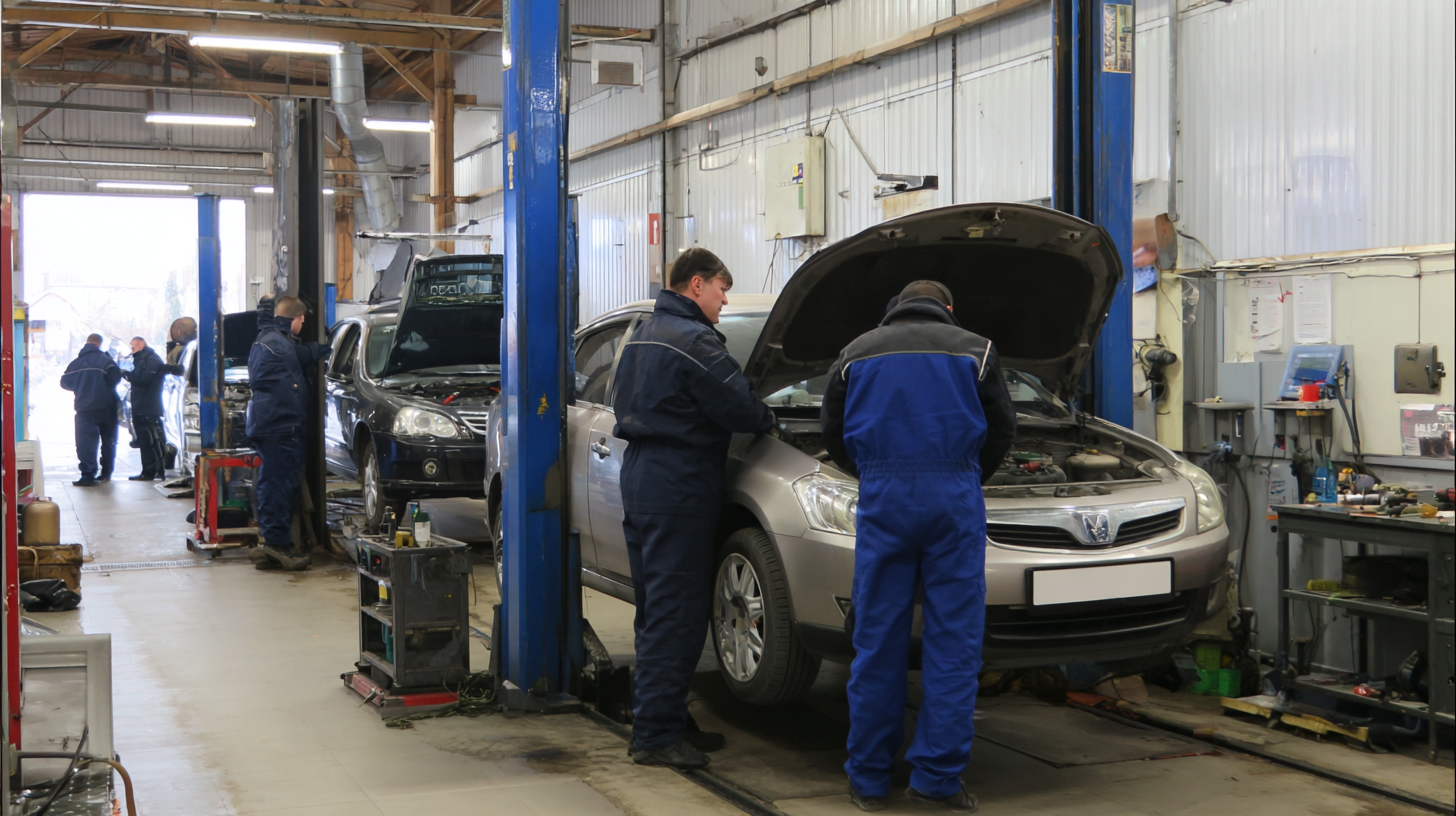
Experts emphasize that the level must be checked correctly - on a level surface, with the dipstick wiped, a few minutes after the engine has stopped. A uniform methodology is important: having chosen to check "hot" or "cold", it is better to stick to it constantly in order to see real changes in consumption. At the same time, an increase in level after short winter trips is not normal - this is a sign of fuel or coolant entering the sump, which requires immediate diagnosis.
The general conclusion is simple: the minimum level is acceptable, but unsafe in the long term; the optimum is the middle or upper mark. Overfilling is critical only if significantly exceeded. And to avoid problems, it is worth periodically checking the oil, monitoring its degradation, and when servicing, demanding filling to the upper mark - this is practiced by experienced services, reducing the risk of wear and oil starvation.
Read also:
- AvtoVAZ Officially Explains Which Gasoline Should Be Used in Lada
- Moskvich Announces Prices for the Moskvich 6 Sedan of the 2026 Model Year
- Tank Raises Prices for the Entire Model Range in Russia: Tank 500, 700, and 400 Become More Expensive