Utilitarian compact vans have long occupied a niche as practical "everyday" vehicles. Only memories remain of the eternally popular domestic "heel," while specialized Japanese models like the Nissan NV200 Vanette are now confidently taking center stage.
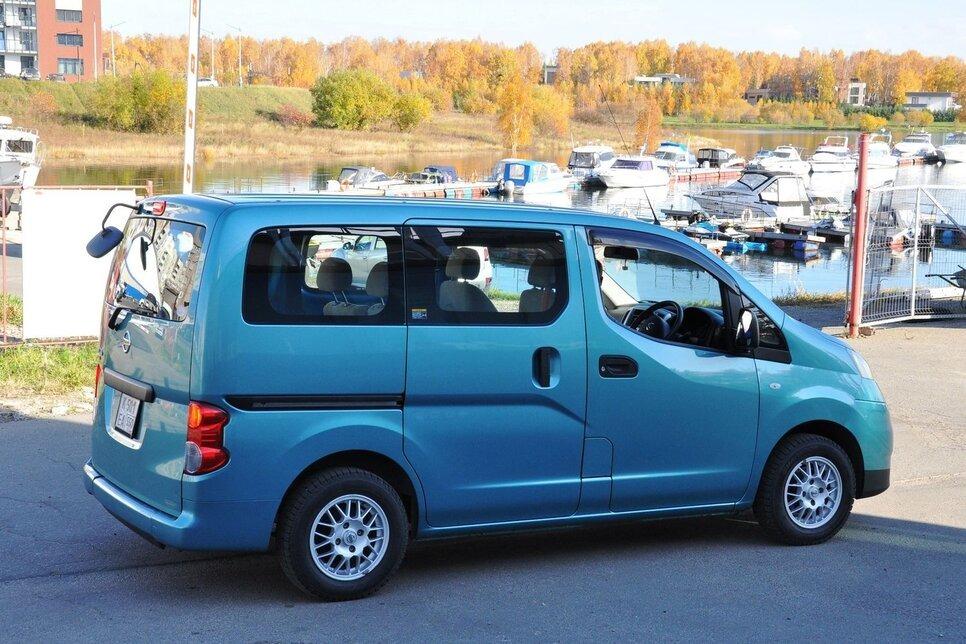
The car was originally designed for everyday work, transporting goods and people, while offering maximum simplicity and functionality. It is thanks to this that the NV200 has confidently established itself in the Russian market in the segment of used cars.
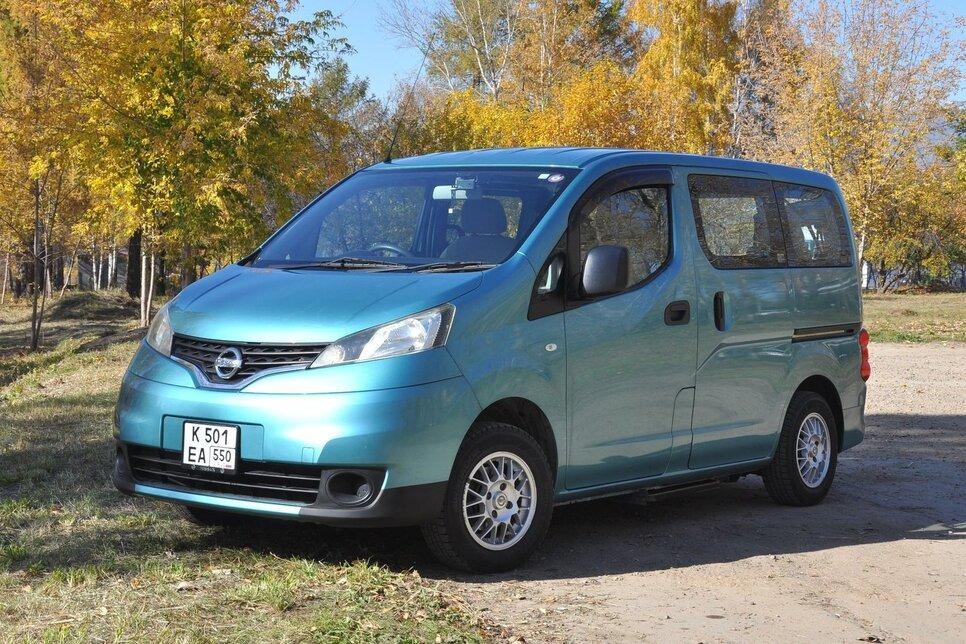
The model was released in 2009 and received the semi-bonnet layout classic for Japanese minivans: a short nose, a smooth transition to the windshield, flat side panels, and a characteristic "cubic" silhouette. The dimensions are compact - slightly shorter and narrower than the Lada Largus, but the body height allows us to talk about a full-fledged multi-purpose space. Depending on the version, the NV200 can be a cargo, cargo-passenger, or seven-seater passenger vehicle - the level of comfort is basic everywhere, but extremely rational. Today's review features a combined 2011 configuration with the ability to transport people with limited mobility.
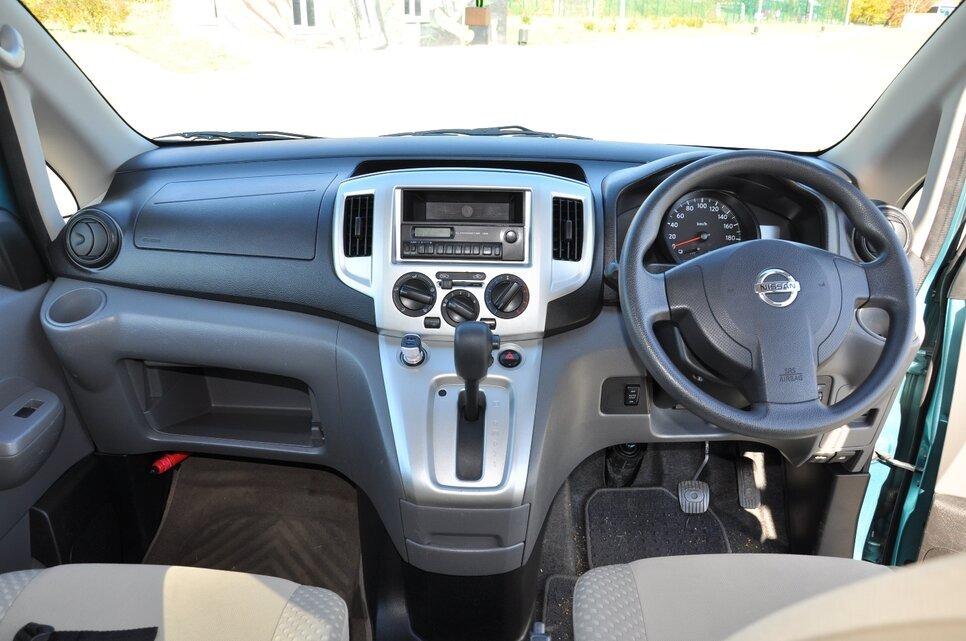
The interior welcomes you with harsh minimalism: a simple front panel, hard plastic, basic safety systems, an unpretentious FM/AM radio, and a concise instrument panel with a single analog speedometer. The driver and front passenger seats are designed strictly functionally, and the ergonomics sometimes raise questions - the steering wheel adjustments are minimal, the seating position is high, and it is more difficult to get a comfortable position than it seems. But the visibility is excellent: large mirrors, additional side windows at the front pillars, a panoramic mirror on the rear door - all this helps to control the dimensions without cameras and sensors.
The rear of the cabin is of particular interest. The Welcab version features a retractable footrest, handrails, and a system for securing a wheelchair. The floor is sloped, a ramp and an electric winch are provided, and there is an attendant's seat in place of the third row. The side sliding doors are mechanical, the windows in the rear parts of the body are blind, the ceiling is laconic, and the lighting is single-point. At the same time, the fabric upholstery brings a little comfort, despite the overall asceticism of the interior.
From a technical point of view, the NV200 is a model of simplicity. There is a MacPherson strut at the front and leaf springs at the rear. This design is reliable, inexpensive to maintain, and frees up useful volume, but makes the suspension stiff and noisy. On bad roads, the rear sometimes literally "kicks up." However, owners are actively modifying the car: they reinforce the springs, install air struts, or even adapt an independent suspension from all-wheel drive versions.
Under the hood is a well-known 1.6-liter HR16DE naturally aspirated gasoline engine with 109 hp, paired with a four-speed Jatco "automatic". This engine is mass-produced, proven, and relatively durable, although among the typical features are moderate oil consumption, difficult valve adjustment, and difficult access to the spark plugs. In urban conditions, the NV200 drives briskly and responsively, the gearbox works smoothly, the car is maneuverable and easy to drive. But on the highway, the power reserve is no longer enough, especially when fully loaded: overtaking is difficult, and the gearbox willingly holds low gears.
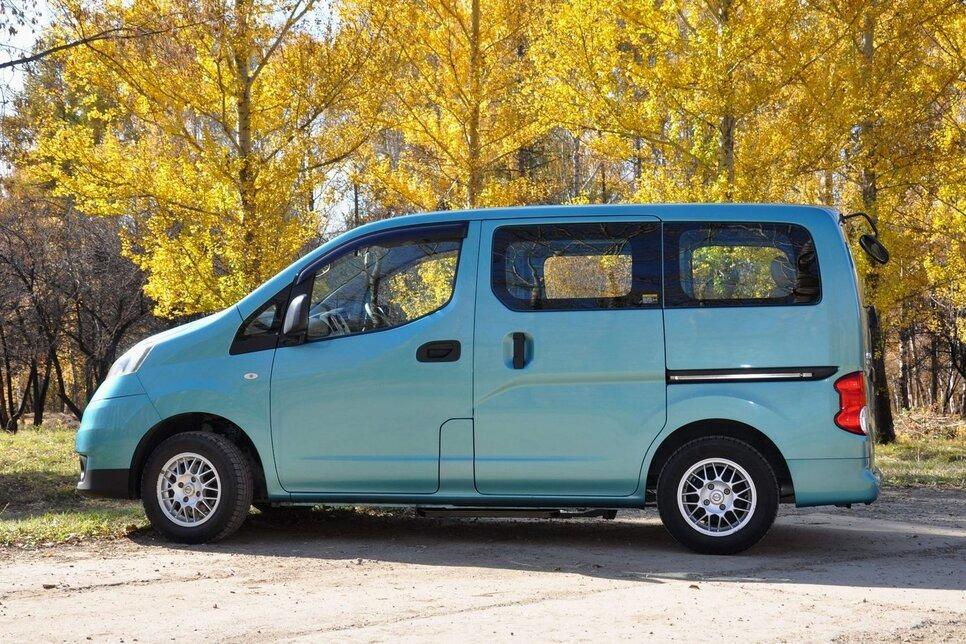
Due to its lightweight design, the NV200 weighs only about 1250 kg - comparable to the Largus, and noticeably lighter than many European competitors such as the Citroen Berlingo. This helps in the city: the minivan accelerates quickly, stops easily, and consumes fuel economically. But with active driving or when driving on bad roads, structural compromises become noticeable.
Prices for the NV200 in the Russian market vary greatly: cars from 2013-2019 are offered for approximately 1.35 million to 2.1 million rubles, and early models, like the hero of our review, cost just over a million. The car is in demand due to a combination of spaciousness, low costs, reliable units, and a simple design, which makes it attractive for small businesses, family trips, and specific tasks.
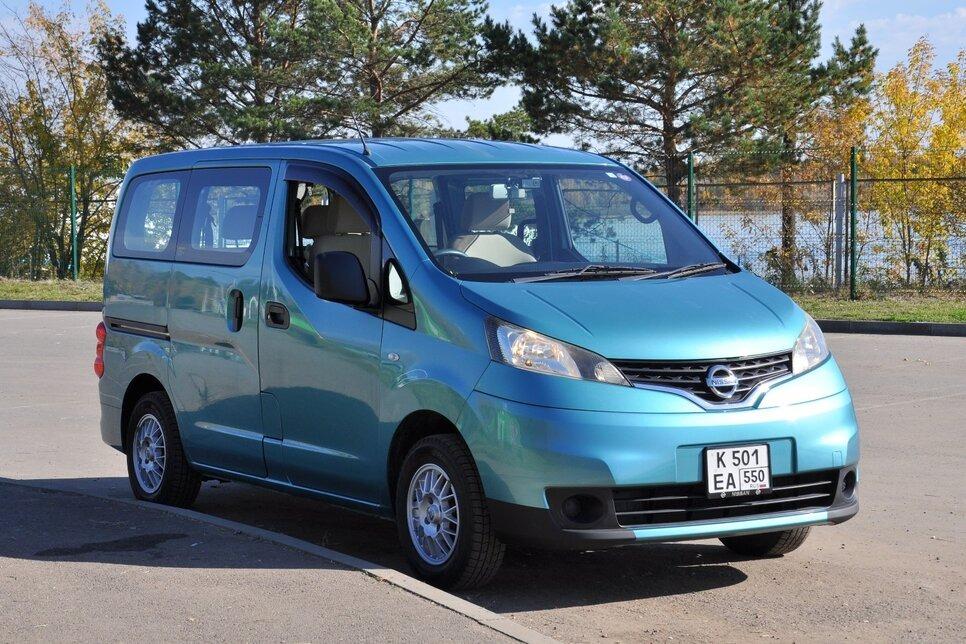
The Nissan NV200 Vanette is not about comfort and status. It is a workhorse designed to be useful every day. It requires attention, tolerance for suspension stiffness, and some engineering imagination, but in return it offers versatility, unpretentiousness, and the character of a real Japanese "heel."
Read more materials:
- AvtoVAZ Officially Explains Which Gasoline to Use in Lada
- Moskvich Announces Prices for the Moskvich 6 Sedan, 2026 Model Year
- Tank Raises Prices for the Entire Model Range in Russia: Tank 500, 700, and 400 Prices Increase