Translated with AI from the Russian original.
South Korean President Lee Jae-myung stated that China has caught up with or even surpassed South Korea in technology and capital in a number of industries. These words were spoken in an interview with the China Media Group on the eve of his official visit to China, where he leads a delegation of about 200 South Korean companies. Lee emphasized that China's rapid development is changing the traditional vertical model of cooperation, where Korea provided technology and capital, and China provided labor, and requires a transition to a more equitable, horizontal cooperation.
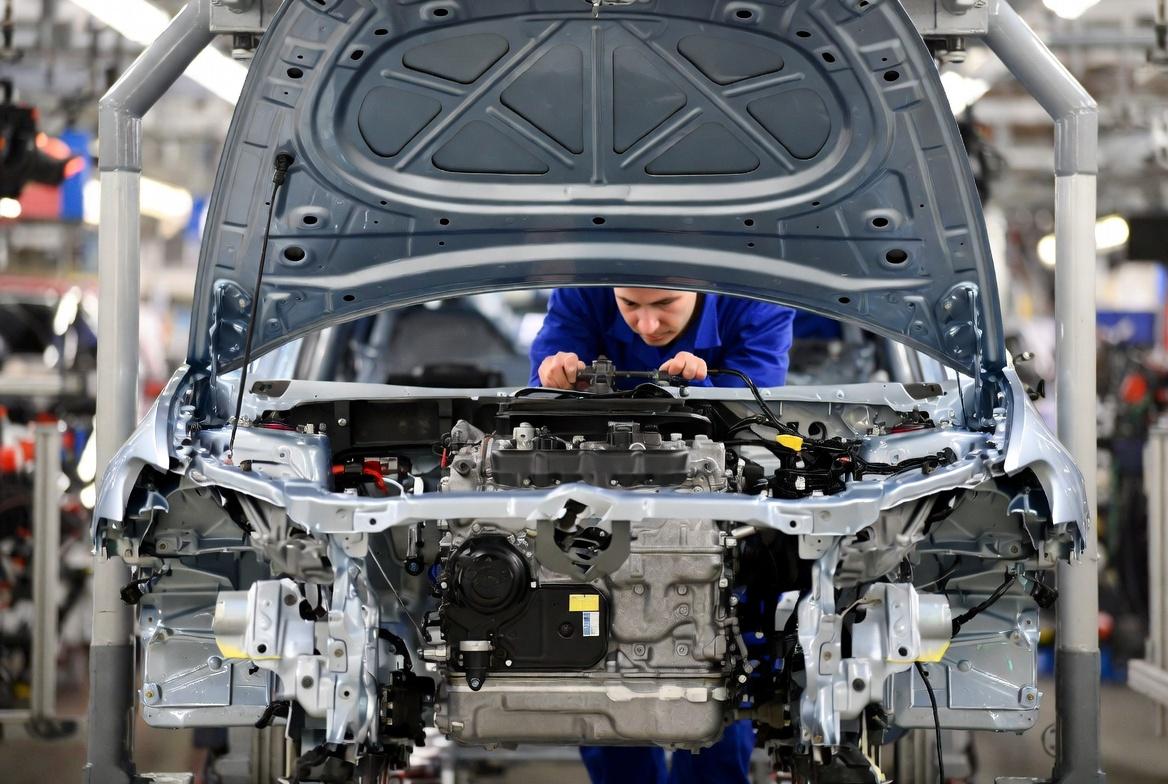
The President paid special attention to advanced technologies, including artificial intelligence and high-tech industries closely related to automotive engineering and vehicle software. According to him, future cooperation should be built on these areas, where competition and joint opportunities are growing.
The automotive sector clearly demonstrates these changes. China has become the world's largest producer and exporter of electric vehicles, while South Korea retains a key role in global supply chains for automobiles, power electronics, and batteries. Chinese automakers are actively expanding exports and entering foreign markets, while South Korean companies continue to rely on China as a production base and sales market.
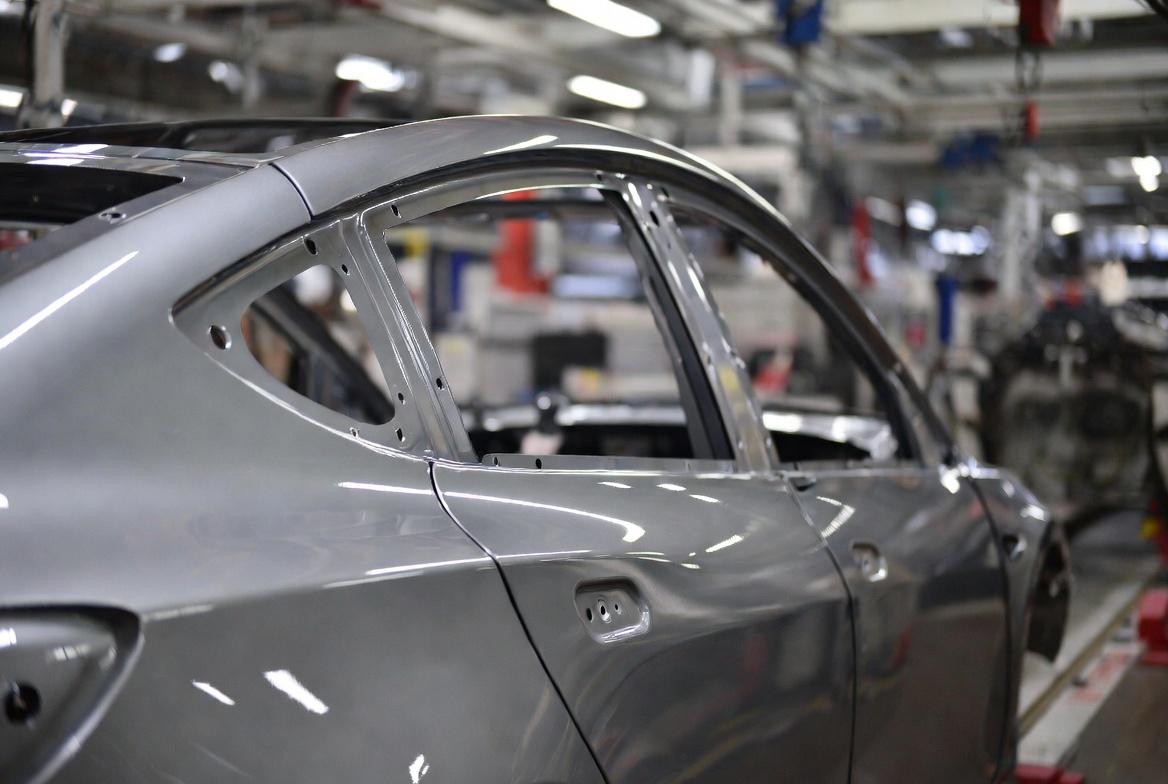
Battery supply chains remain a critical area of competition and interdependence. Chinese firms dominate the production of lithium iron phosphate batteries and control the processing of lithium, cobalt, and graphite. South Korean manufacturers remain the main suppliers of ternary lithium batteries but face increasing competition from Chinese counterparts, which are actively used in mass-market electric vehicles.
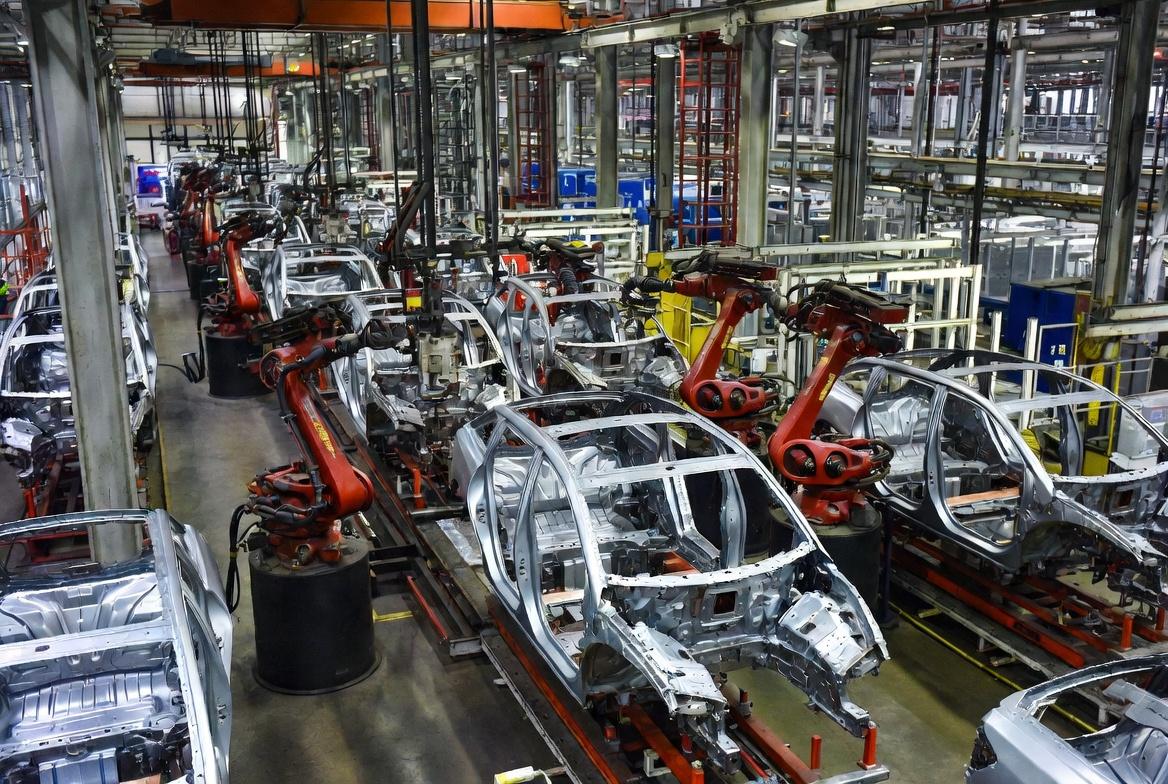
Software and intelligent driving systems are another area of intense competition. Chinese automakers are rapidly introducing advanced driver assistance systems, onboard operating systems, and AI-based functions, while Korean companies are increasing investment in autonomous driving and AI to maintain their position in global markets.
Industry reports show an increase in exports of Chinese cars to South Korea and pressure on Korean component suppliers in the segments of electric motors, power electronics, and battery materials. South Korean automakers, in turn, are increasing R&D spending in the field of electrification and intelligent vehicles, seeking to increase the added value of products.
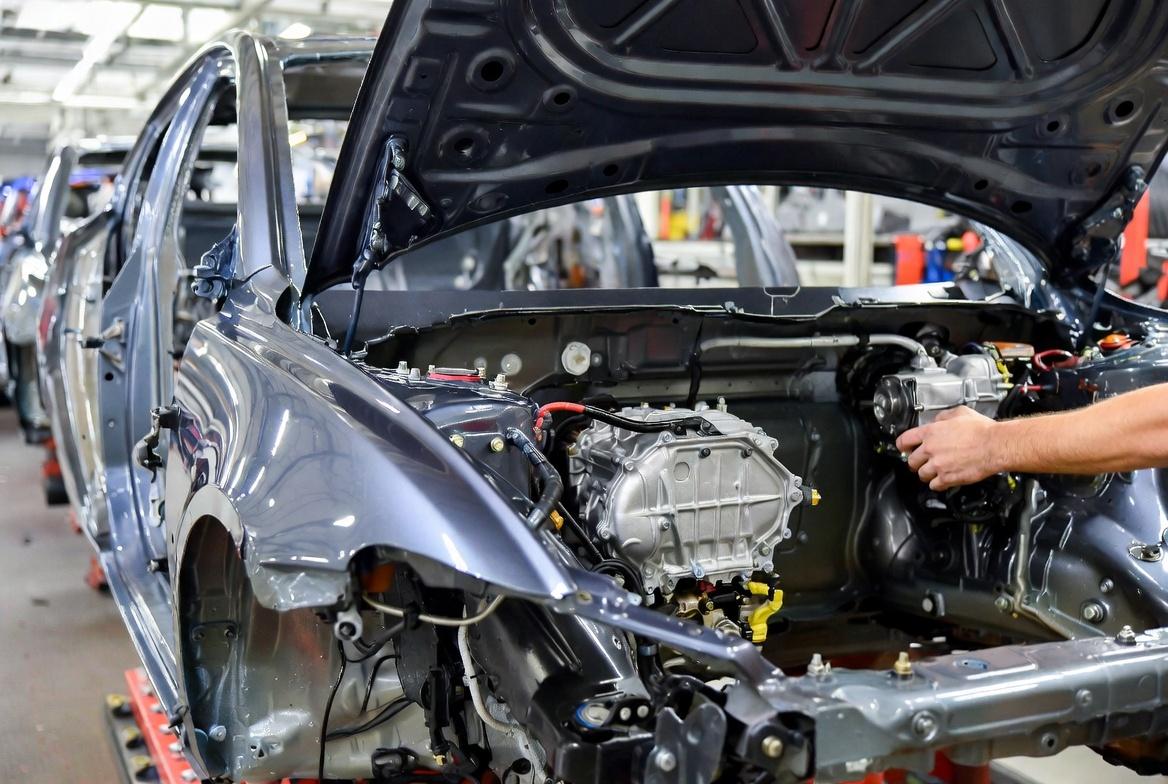
Lee noted that both countries have deeply integrated supply chains and stressed the need to avoid confrontation in economic relations. The visit includes meetings with Chinese leaders and business representatives to discuss frameworks for cooperation in advanced manufacturing sectors, including automotive engineering and new energy industries.
Read also:
- AvtoVAZ Officially Explains Which Gasoline to Use in Lada
- Moskvich Announces Prices for the Moskvich 6 Sedan of the 2026 Model Year
- Tank Raises Prices for the Entire Model Range in Russia: Tank 500, 700, and 400 Become More Expensive