The 1963 Chrysler Turbine Car is rightfully considered one of the most radical and daring production experiments in Detroit's history. It was a period when the public imagination was captured by space, rockets, and supersonic aircraft, and faith in technological progress seemed limitless. Against this backdrop, Chrysler engineers asked themselves an almost naive question for the time: if turbojet engines work great in aviation, why not install something similar in a regular family car?
The Essence of the Experiment
Unlike show cars and concepts designed exclusively for exhibition podiums, Chrysler went much further. The company built 55 fully functional, drivable cars ready for real-world use. Moreover, an unprecedented beta-testing program was launched for its time.
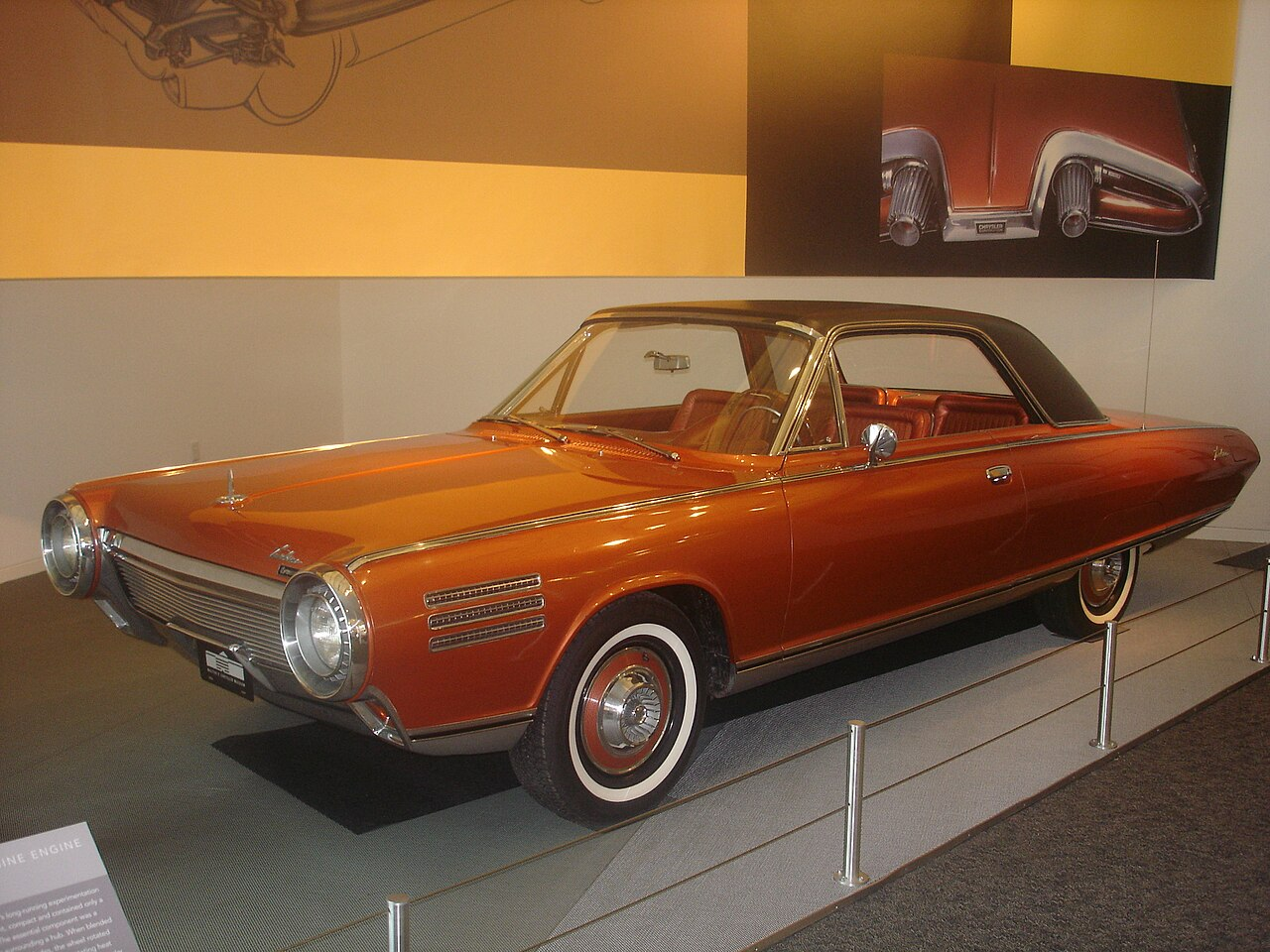
Fifty cars were given to ordinary American families for free. 203 drivers participated in the tests, using the Chrysler Turbine Car as everyday transportation for three months: driving to work, shopping, and even going on vacation. The goal was extremely practical - to understand whether a gas turbine engine could take root in ordinary life, and not just in a laboratory or on a test site.
What Was Under the Hood
The car was based on the Chrysler A-831 gas turbine engine.
Its operating principle resembled a jet aircraft: a compressed and ignited gas stream rotated a turbine. However, instead of creating jet thrust, the energy was transferred to a shaft, and then to the wheels.
The nominal power was 130 horsepower - a figure that looked modest on paper. But the key parameter was torque: an impressive 576 N·m was available almost immediately after starting.
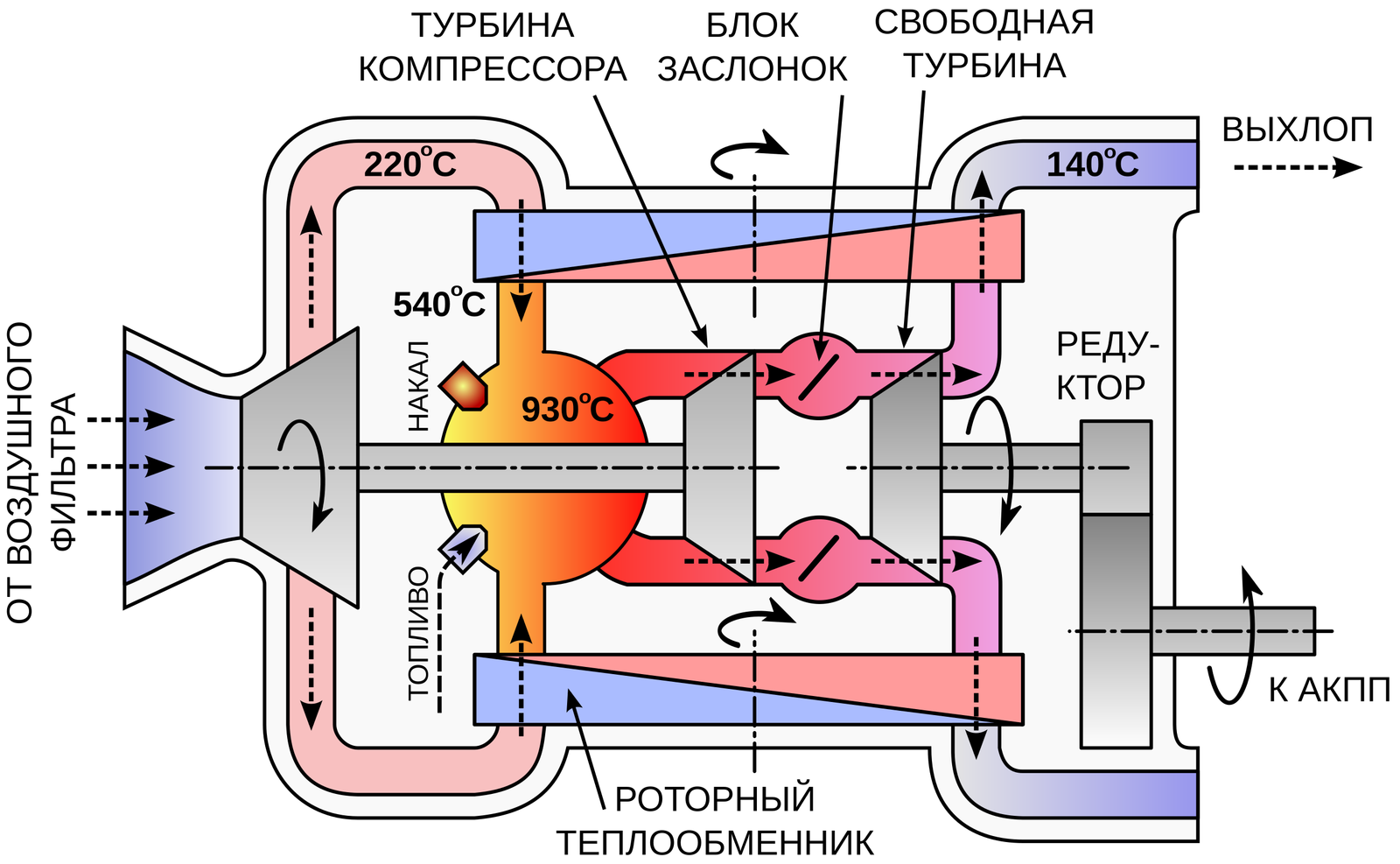
The engine's operating modes were also astonishing. At idle, the turbine rotated at a speed of about 22,000 rpm, and in the operating range, the speed reached 44,500 rpm. Instead of the usual bass rumble of a V8, the car emitted a high, even whistle, which many compared to a vacuum cleaner or a taking-off airliner.
Unique Features
Omnivorousness
The main feature of the Chrysler Turbine Car was its fuel versatility. The engine could run on almost any combustible substance that could be sprayed and ignited.
It calmly digested regular gasoline (although lead additives harmed the engine), diesel, kerosene, JP-4 aviation fuel, and even fuel oil. During experiments, the engine was started on Chanel No. 5 perfume - and it continued to work.
The most famous episode occurred in Mexico, when the country's president, Adolfo López Mateos, not having suitable fuel at hand, ordered tequila to be poured into the tank. The car drove without problems, and the exhaust, according to eyewitnesses, resembled the aroma of a heated bar.
Simplicity of Design
The gas turbine engine was distinguished by its amazing mechanical simplicity. It had approximately 80% fewer parts than a classic piston engine.
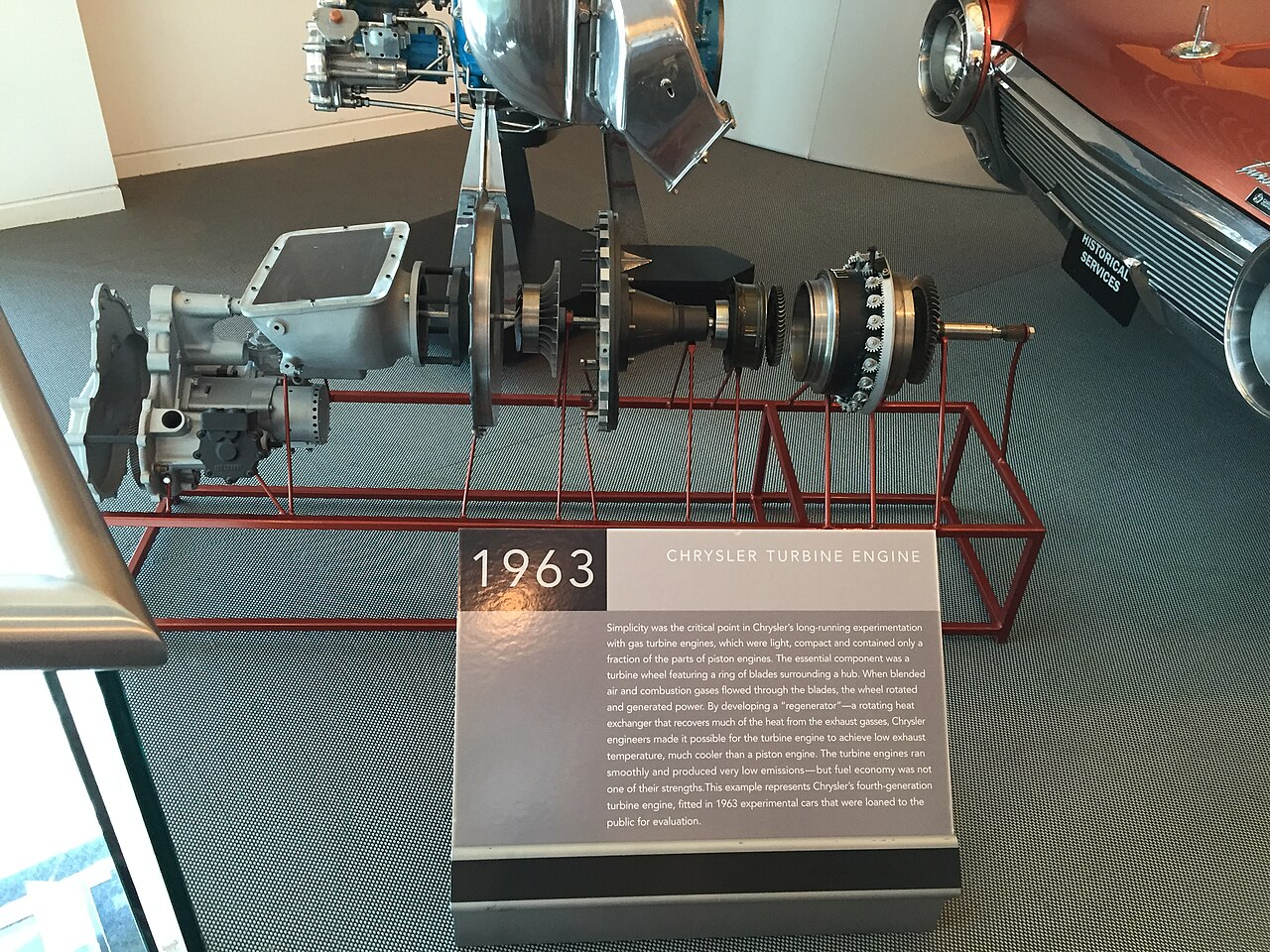
There was no liquid cooling system - no radiator or antifreeze. There were no pistons, valves, or camshafts. The oil did not require regular changes, as it was not contaminated with combustion products. In addition, the engine started instantly even in severe frost, as the turbine did not need to warm up.
Design by Ghia
Although the body was developed in the USA, assembly was carried out manually in Italy, in the famous Ghia studio. This gave the car a pronounced futuristic look.
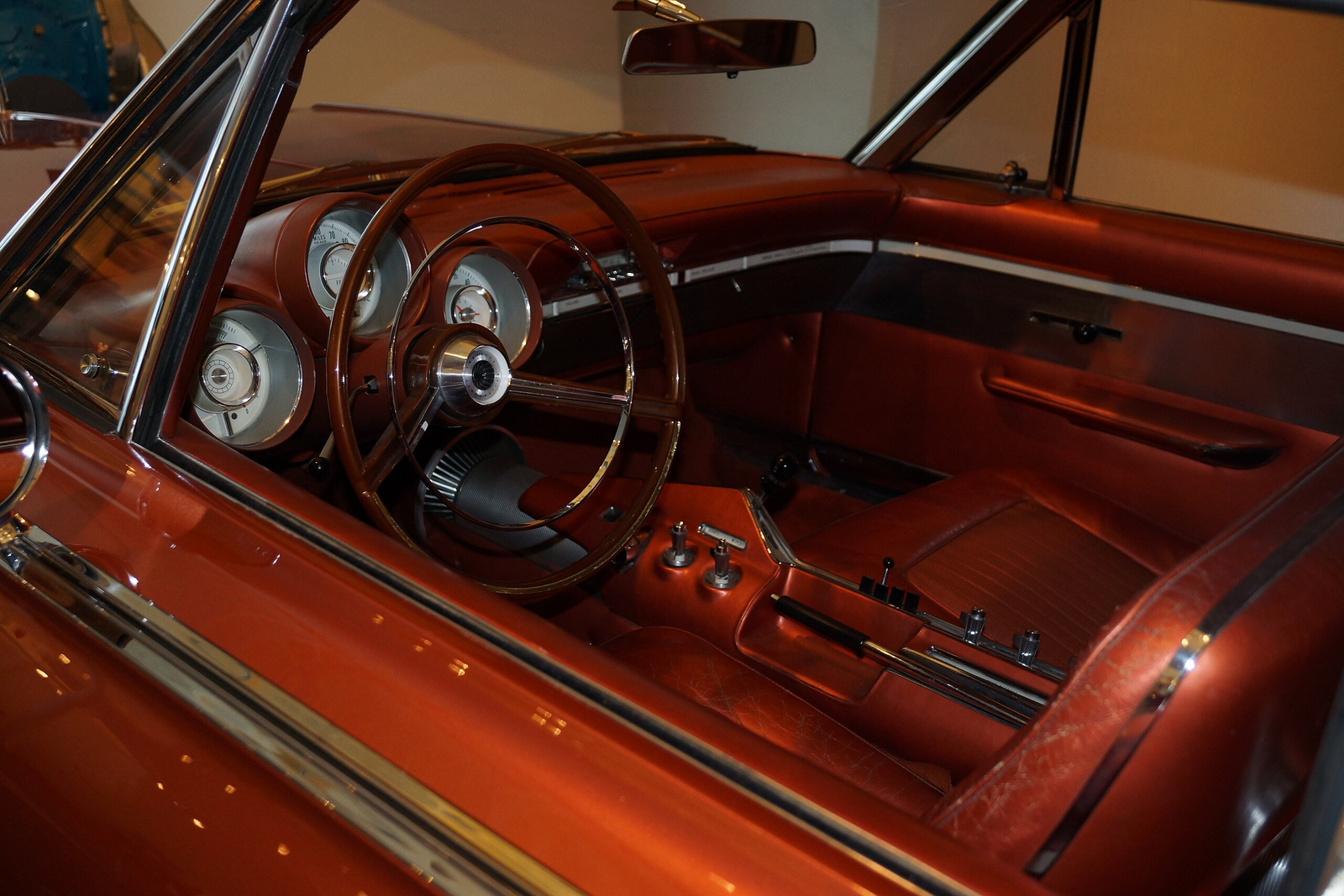
The signature copper shade of Turbine Bronze, the vinyl roof, and the rear of the body, stylized as the nozzles of a jet fighter, emphasized the aviation origin of the idea and made the car easily recognizable.
Why Turbines Didn't Become Mass-Produced
Despite the generally enthusiastic feedback from the test participants - the car was distinguished by its smooth ride and quietness at high speed - the project was closed. The reasons were purely practical.
In urban mode, the turbine was extremely gluttonous: at idle, the engine consumed almost as much fuel as when driving at a speed of 60 km/h.
In addition, there was a pronounced response delay. After pressing the accelerator pedal, it took about 1.5-2 seconds for the turbine to reach operating power. In heavy city traffic, this was not only inconvenient, but also potentially dangerous.
A serious problem remained the exhaust temperature. Engineers had to develop a complex recuperation system so that hot gases would not melt the asphalt and damage cars standing behind.
Finally, the engine was characterized by a high level of nitrogen oxide (NOx) emissions, which became critical against the background of tightening environmental standards in the United States.
Tragic Finale of the Program
The bodies of the Chrysler Turbine Car were manufactured in Italy, and the company imported them into the United States as a "temporary import" to avoid large customs duties. When the testing program was completed, customs authorities demanded either to pay taxes or destroy the cars.
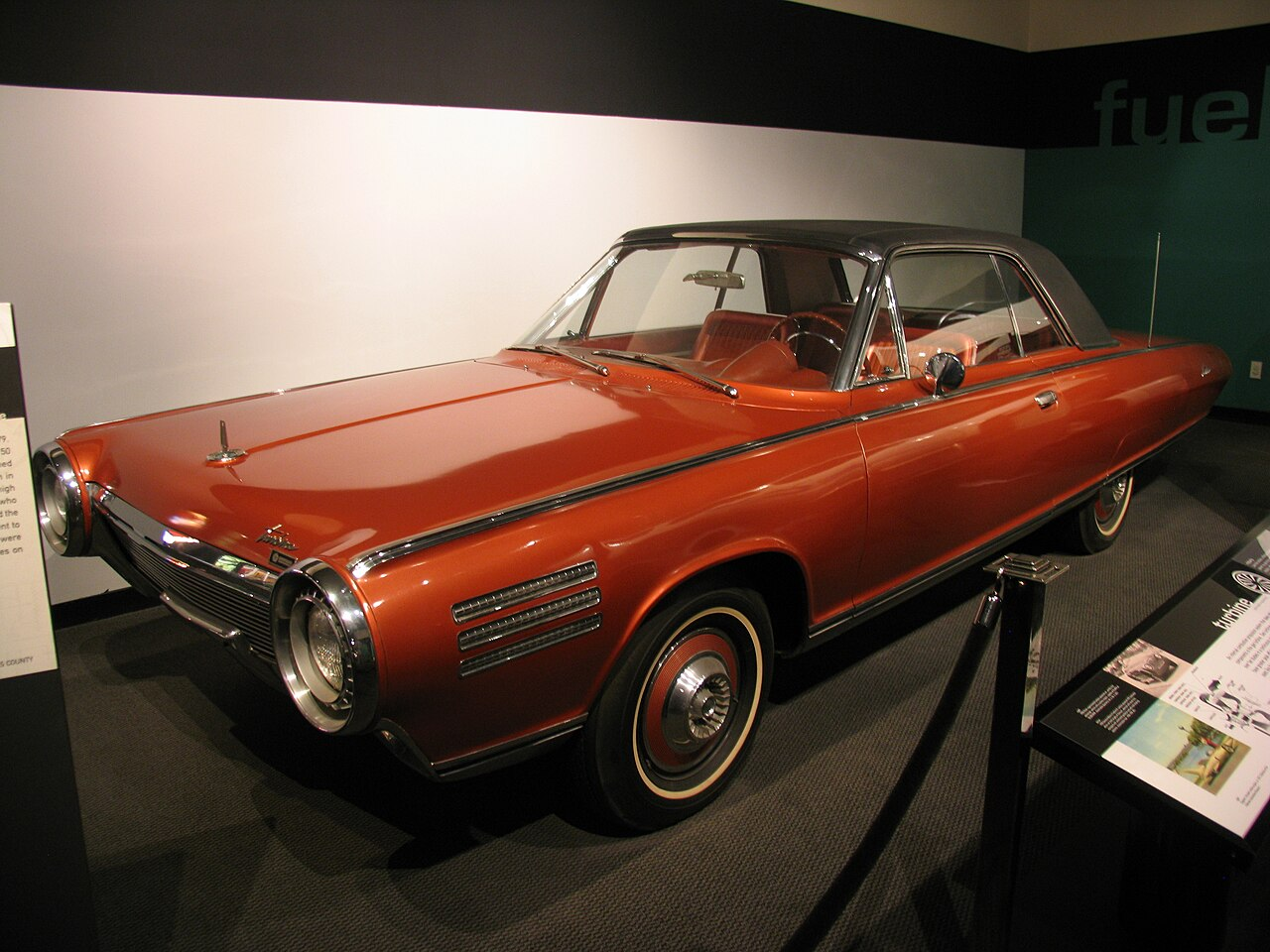
Chrysler chose the second option. Forty-six of the fifty-five cars were crushed by a press and burned. The destruction took place in front of journalists and company engineers, many of whom did not hide their tears as they watched the death of a unique project.
Legacy
Only nine copies of the Chrysler Turbine Car have survived to this day. Most of them are in museums and are exhibited without engines. Only a few cars have retained their running condition.
One of these cars belongs to the famous TV presenter and collector Jay Leno, who regularly drives it, proving that a turbine sedan can be not only a museum exhibit.
The Chrysler Turbine Car remained a monument to an era when it seemed that atomic trains, personal planes, and technologies from science fiction were about to become part of everyday life.
Read more related materials:
- Toyota GT86 Through the Eyes of the Owner: Breakdowns, Modifications, and 660 Thousand Rubles in Costs
- Five Cylinders Against the Era of Electric Motors
- Why the Passat B3 Didn't Have a Radiator Grille