Do you consider a car with a three-liter engine to be truly large? If so, then your acquaintance with the history of the automotive industry was probably quite fleeting. There were periods when an engine compartment filled with a 10-15 liter engine did not cause surprise or smirks. Moreover, such an indicator was perceived as a natural standard for a solid car. Even consumption of 50, and sometimes 100 liters of fuel per 100 kilometers was not considered excessive. We have collected five cars, the ownership of which would logically be complemented by a personal gas station: with such an appetite for gasoline, there were simply no alternatives.
Bugatti Royale
12.7 liters for those who are above compromises. The Bugatti Royale, also known as the Type 41, was originally conceived as a car for kings. It was a project for the elite of the 1930s - people for whom any concessions in terms of size, comfort or status were considered unacceptable. That is why the length of the car exceeded 6.4 meters, and the interior felt more like a spacious living room than a car interior. Expensive wood and natural leather were used in the decoration, and the layout was selected individually for each specific owner - not as an additional option, but as a mandatory norm.
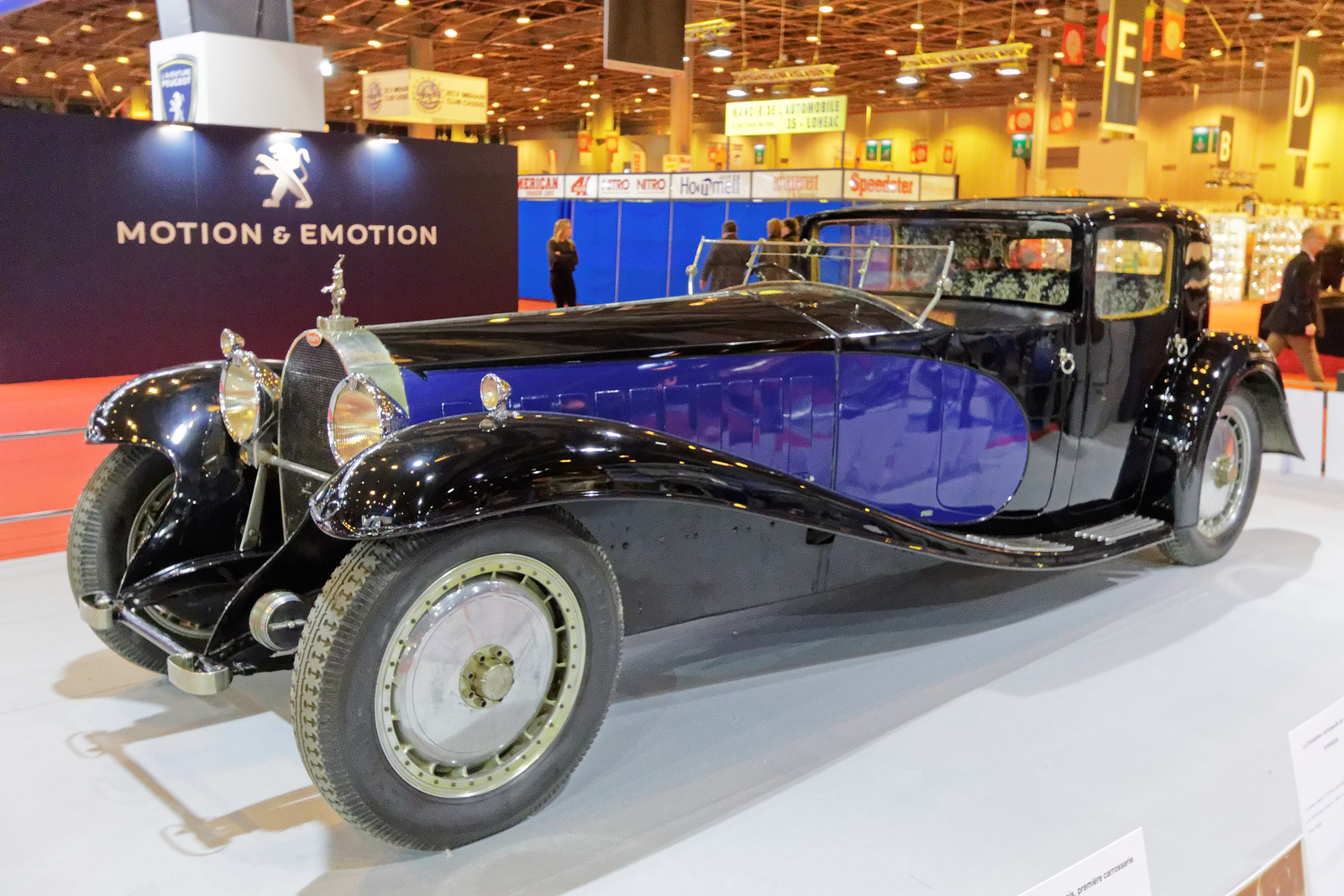
No less luxury was hidden under the hood. There was a straight eight-cylinder engine with a volume of 12.7 liters, developing about 300 horsepower. However, the fate of the Royale was determined not by engineering capabilities, but by economic realities: the Great Depression left Bugatti without customers, and instead of the planned dozens of copies, only six cars saw the light of day. Nevertheless, the Bugatti Royale still holds the status of the largest-volume production passenger car in history - a record that no one has even tried to approach since. In modern urban operation, its consumption, according to various estimates, would easily exceed 40-50 liters per 100 kilometers. The picture of refueling such a car today would look almost comical - except that for the owner of a car worth several million dollars, these figures would be a mere trifle.
Pierce-Arrow Model 66 and Cadillac Sixteen Concept
More than 13 liters of luxury. The Pierce-Arrow Model 66 and Cadillac Sixteen Concept are logically considered in pairs. The difference in their working volume is minimal - 13.5 and 13.6 liters, respectively - and the philosophy is largely the same. The Pierce-Arrow Model 66 was produced in the early XX century and was addressed to a wealthy audience, for whom the key values were solidity, reliability and exceptional smoothness.
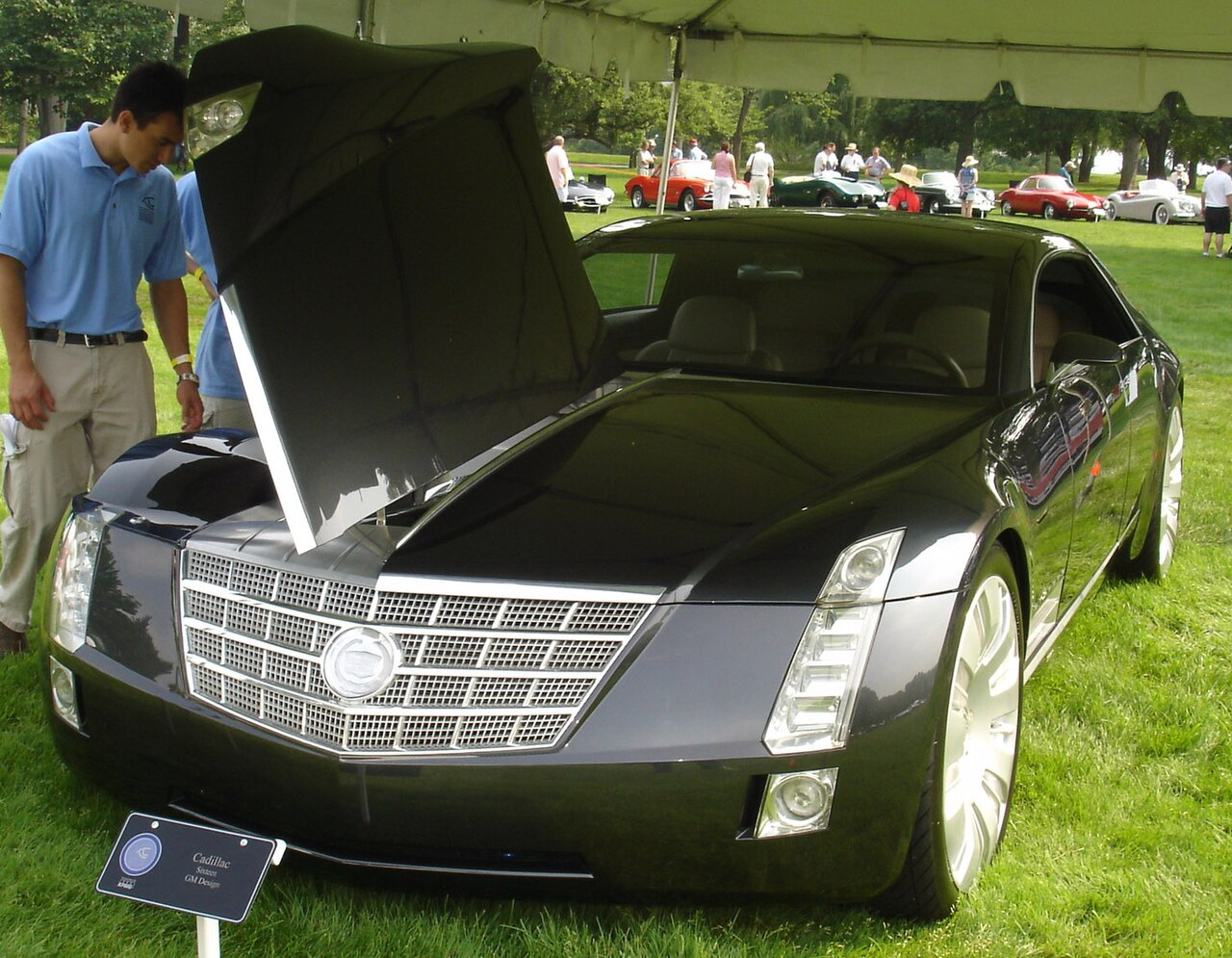
The Cadillac Sixteen Concept, on the contrary, already belongs to the XXI century. Presented in 2003, the concept with a V16 engine with a volume of 13.6 liters became an attempt by the brand to recall its own greatness and indicate its claims to the ultra-luxury segment. The project never reached mass production, but it clearly demonstrated that from an engineering point of view, such engines are still possible. The question is only in expediency, and today the answer to it is obvious. Even the hypothetical maintenance of any of these cars in modern conditions would cost an amount comparable to buying a used car.
Napier-Railton
Record-breaking racing car with an aviation heart. The Napier-Railton is difficult to put on a par with luxury limousines or production passenger cars. This is a thoroughbred record-breaking racing car, created in 1933 specifically for races at the Brooklands circuit. There was not a single detail in its design designed for comfort or versatility. The low-slung elongated body, single-seat layout and minimal weight emphasized the main thing: the car existed for the sake of speed and stability on the track.
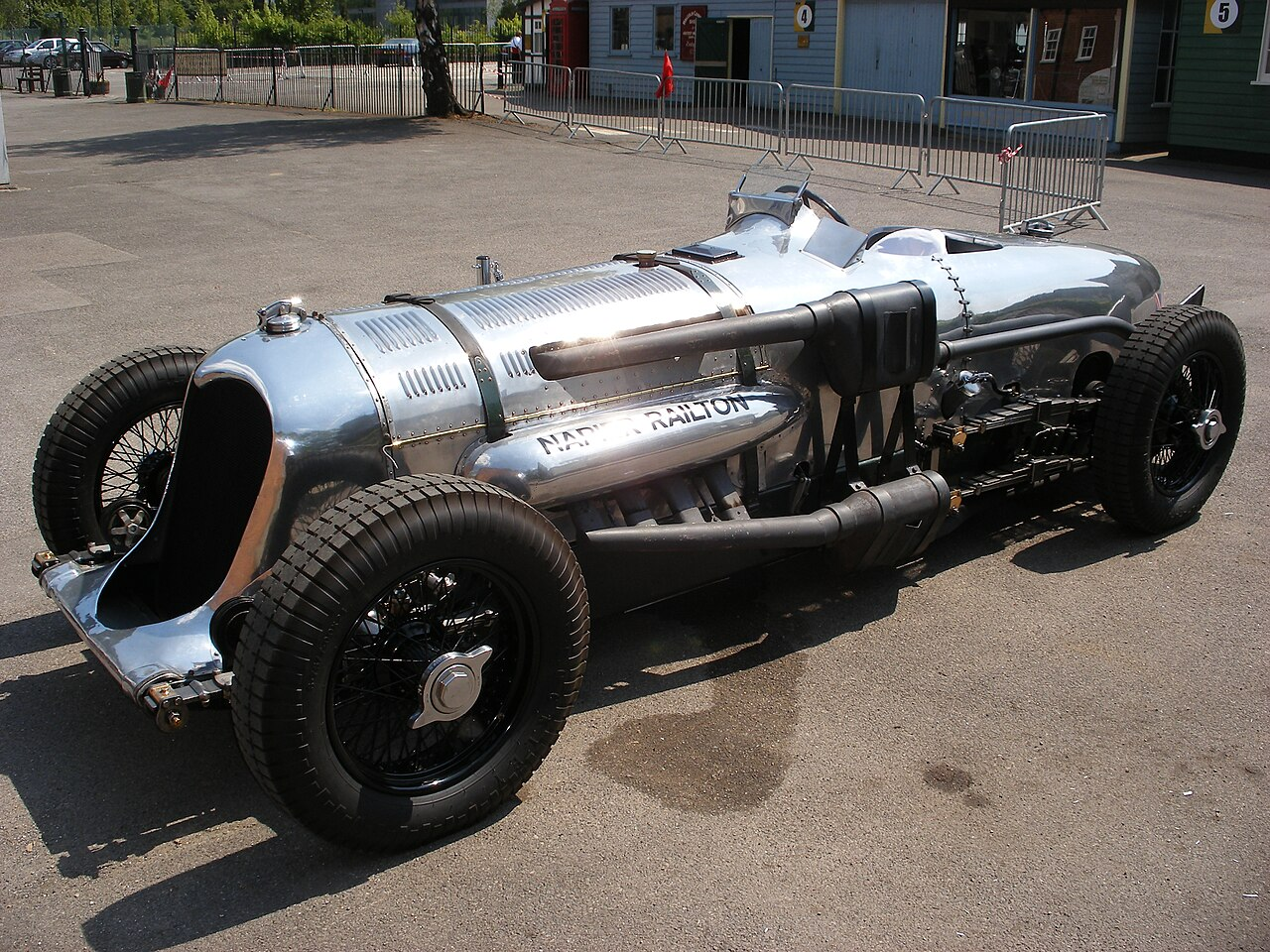
Under the hood was a W12 Napier Lion engine with a volume of 23.9 liters and a power of 580 horsepower, originally developed for aviation. It was this engine that allowed the racing car to set a whole series of records and turned the Napier-Railton into a symbol of the era when aviation technologies directly penetrated into motorsport. If you try to imagine the operation of such an engine today - even not in the city, but in conditional "civilian" conditions - it becomes obvious that its maintenance would resemble the maintenance of a small air fleet. Oil changes would be measured in buckets, and the question of the cost of service would quickly be replaced by a clarification about the availability of its own hangar and a mechanic with aviation approval.
The Beast
Engineering audacity with a volume of 27 liters. The Beast occupies a special position in this list. This is not a production model and not a factory experiment, but pure engineering provocation. The car was built in Great Britain in the 1970s and equipped with a Rolls-Royce Merlin aircraft engine, well known from World War II fighters. In fact, The Beast became a clear answer to the question of what would happen if you install an aircraft engine in a passenger car, completely ignoring common sense, economics and practicality.
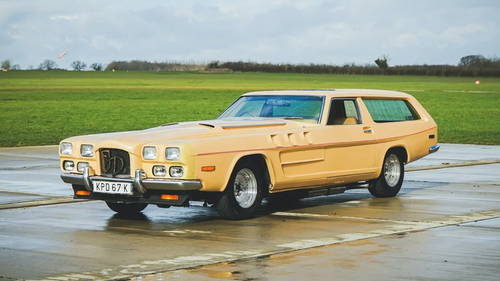
Under its long hood hides a V12 with a volume of 27.0 liters, developing about 700 horsepower. Formally, the car is allowed on public roads, but its operation is more of a demonstration of engineering courage than transport in the usual sense. Driving such a unit means being somewhere on the border between an airplane, a boat and a classic car. In modern realities, the owner would inevitably ask himself a simple question: do you really need a car that is serviced according to aviation regulations?
Fiat S76 Record
28.4 liters for the sake of the record. The most unexpected participant in this list is Fiat. The S76 model, also known as Fiat Record, appeared in 1910 - in an era when the automotive industry was just groping for the limits of the possible, and working volume was considered the most direct path to high results. From the point of view of the driver and passenger, the car was extremely utilitarian: a minimum of body elements, a complete lack of comfort, a single-seat layout and an emphasized roughness of the design. Everything was subordinated to one goal - to surpass competitors in speed, using the maximum available engineering capabilities.
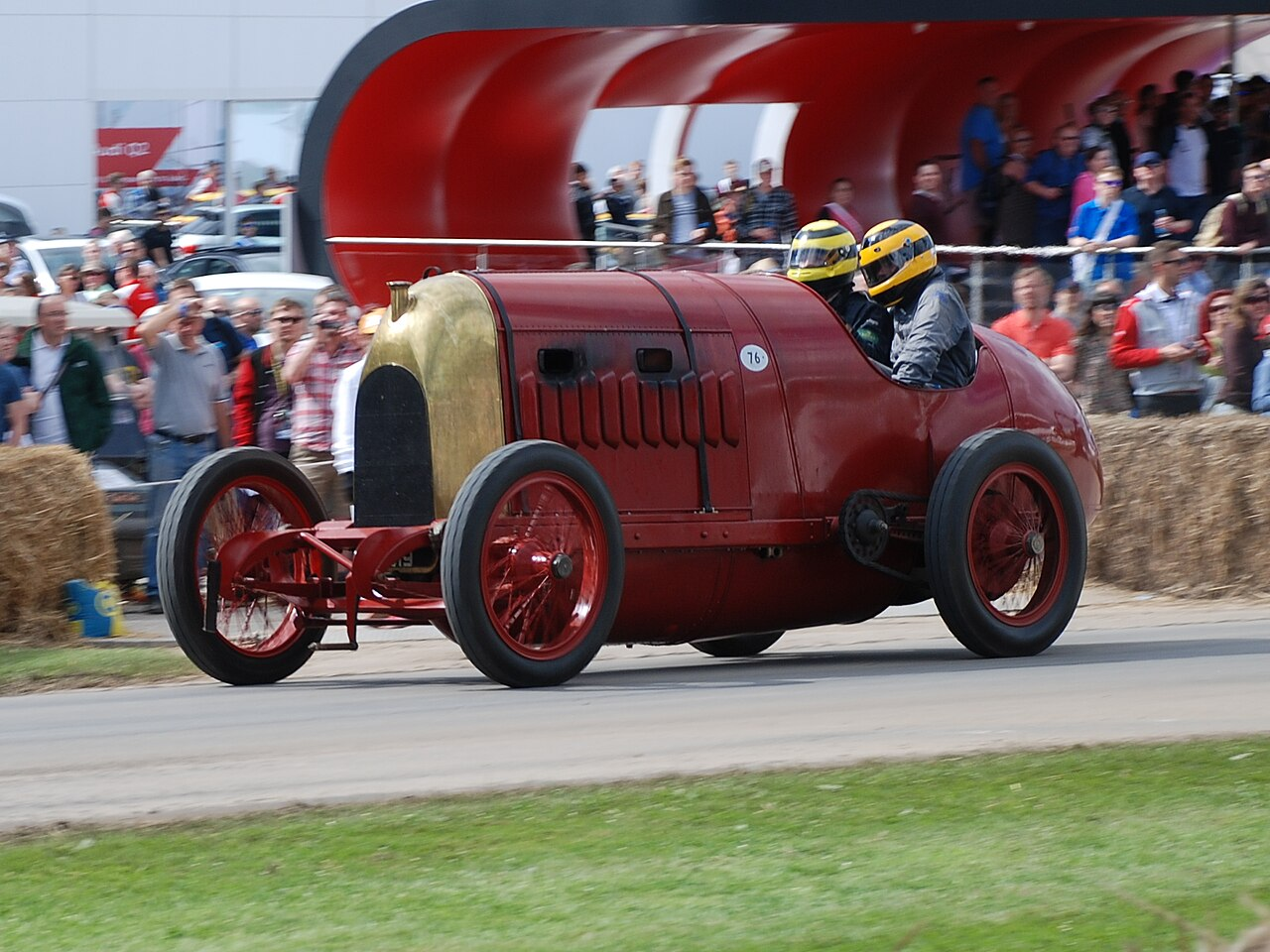
The key element of the S76 was a four-cylinder engine with a volume of 28.4 liters and a power of about 300 horsepower - indicators that even today sound almost absurd. In modern operating conditions, its fuel consumption would easily exceed 100-150 liters per 100 kilometers. In such a situation, its own network of gas stations ceases to look like an excess, and for complete peace of mind, a small oil refinery would not hurt - just in case.
Today, such cars seem almost fantastic. In the era of universal and economical crossovers, there is no place for them either in environmental standards or within the bounds of common sense. And yet it's hard not to smile, imagining how these fuel giants slowly move around the city, plotting a route not from home to office, but from one gas station to another - with full confidence that this is exactly how it should be.
Read more materials on the topic:
- Toyota GT86 through the eyes of the owner: breakdowns, modifications and 660 thousand rubles of expenses
- Five cylinders against the era of electric motors
- How to extend the life of a car