A modern car has long ceased to be just a means of transportation. Heated seats, adaptive cruise control, complex safety systems — all of this is perceived as a natural component of comfort and protection. Meanwhile, just a few decades ago, such solutions were considered expensive technical experiments, available only in certain models.
Pneumatic Suspension: Cadillac Eldorado Brougham (1957)
These days, air suspension remains an attribute mainly of expensive and status models. However, its history in production cars began back in 1957, when Cadillac, part of General Motors, installed such a system on the flagship Eldorado Brougham.
The pneumatic system provided exceptional ride smoothness — the model quickly became famous for its "magical" smoothness of movement. In addition, it contributed to better control of body position and had a positive effect on handling.
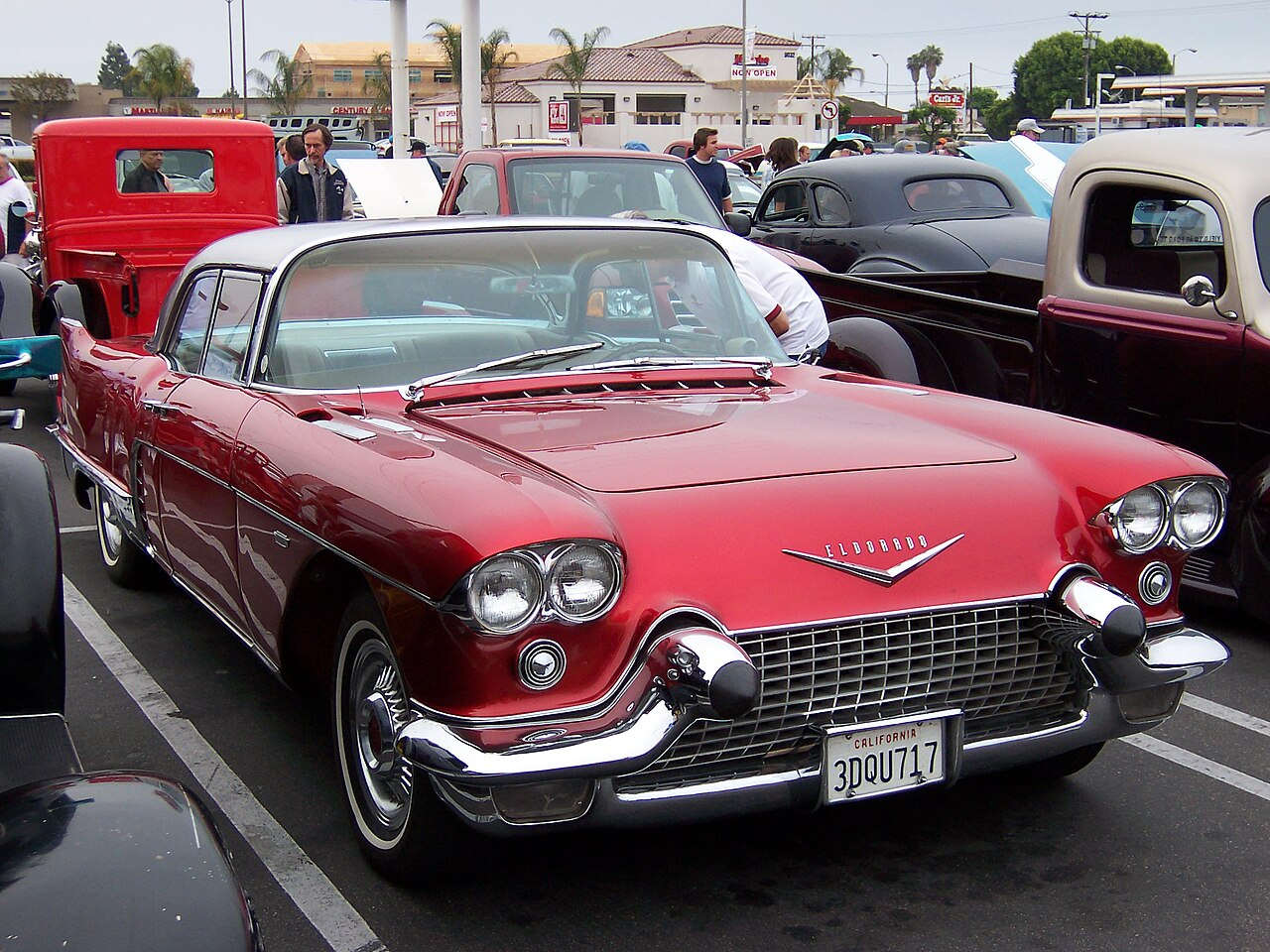
Nevertheless, as is often the case with innovative developments, early versions turned out to be far from perfect. The reliability of the air suspension was criticized and eventually became one of the main complaints about the car.
General Motors spared no resources for the Eldorado Brougham. In addition to the innovative suspension, the car received electric seat drives and other advanced solutions for those times. The cost matched the ambitions: $13,074 — twice as expensive as the standard Eldorado. Converted to modern money, this is approximately $121,000, or about 9.3 million rubles as of February 9, 2026. Despite the technological breakthrough, the novelty did not become widespread: only 704 copies were produced in 1957–1958.
Three-Point Seat Belt: Volvo Amazon (1959)
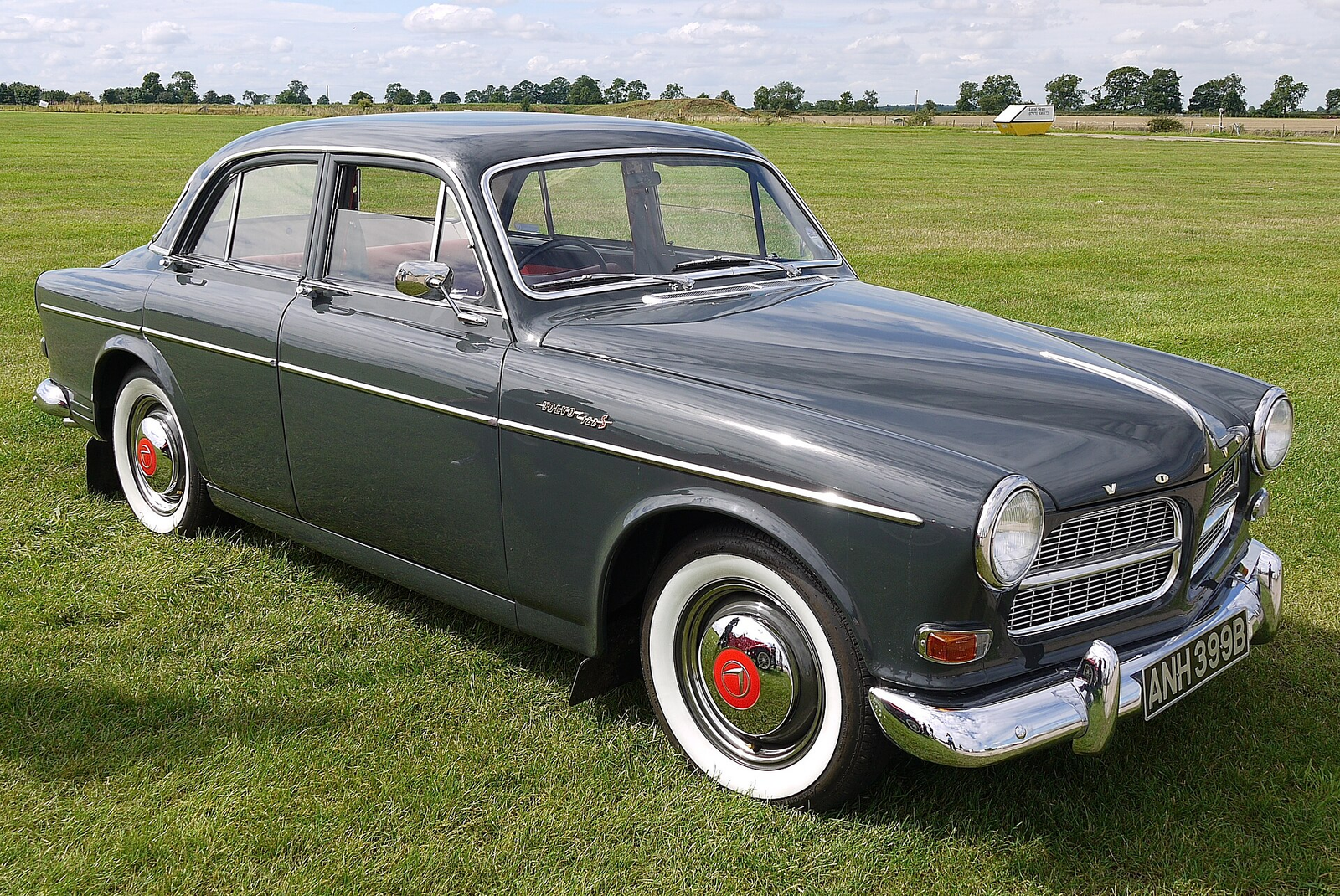
In the late 1950s, Volvo consistently built a strategy focused on improving safety. One of the key steps was the introduction of the three-point seat belt in 1959. It first appeared on the Scandinavian market on the Volvo Amazon and Volvo PV544 models.
The company made a fundamental decision to allow other manufacturers to use the design without patent royalties, putting safety above commercial gain.
There is a common misconception that seat belts are primarily needed to prevent passengers from flying through the windshield during sudden braking or a collision. However, their function is much broader: they hold a person in a strictly defined position inside the cabin — within the so-called protective capsule of the car. It is thanks to this that the body structure is able to effectively reduce the consequences of impact even at high speeds.
Turbocharging: Chevrolet Corvair Monza Spyder (1962)
In the early 1960s, General Motors was the first to decide to introduce turbocharging into mass production. In 1962, the concern simultaneously introduced two production models with turbocharged engines — the Chevrolet Corvair Monza Spyder and the Oldsmobile F-85 Jetfire. These were the first passenger cars in the world to receive a turbocharger at the factory.
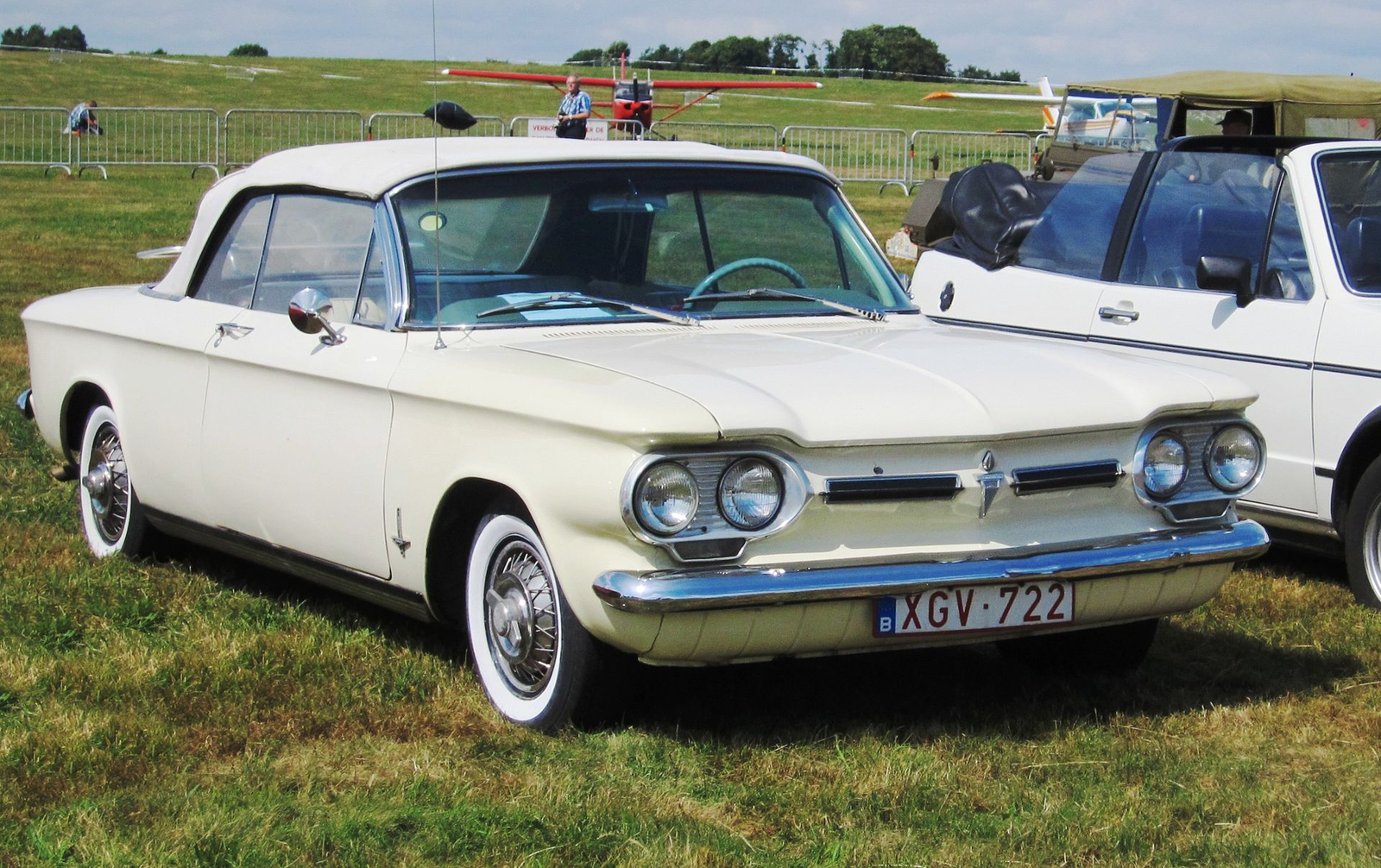
In the specialized press, you can often find the statement that the championship belongs to the Oldsmobile F-85 Jetfire. However, the facts say otherwise. The Jetfire was shown in April 1962 at the New York Auto Show, while the Corvair Monza Spyder debuted a month earlier — in March, at the Chicago Auto Show. Moreover, it was the Corvair that first went on sale.
Heated Seats: Cadillac Fleetwood (1965)
The idea of heated seats appeared long before its serial implementation. General Motors engineer Robert Ballard patented this development back in 1951. However, it only reached the assembly line 15 years later.
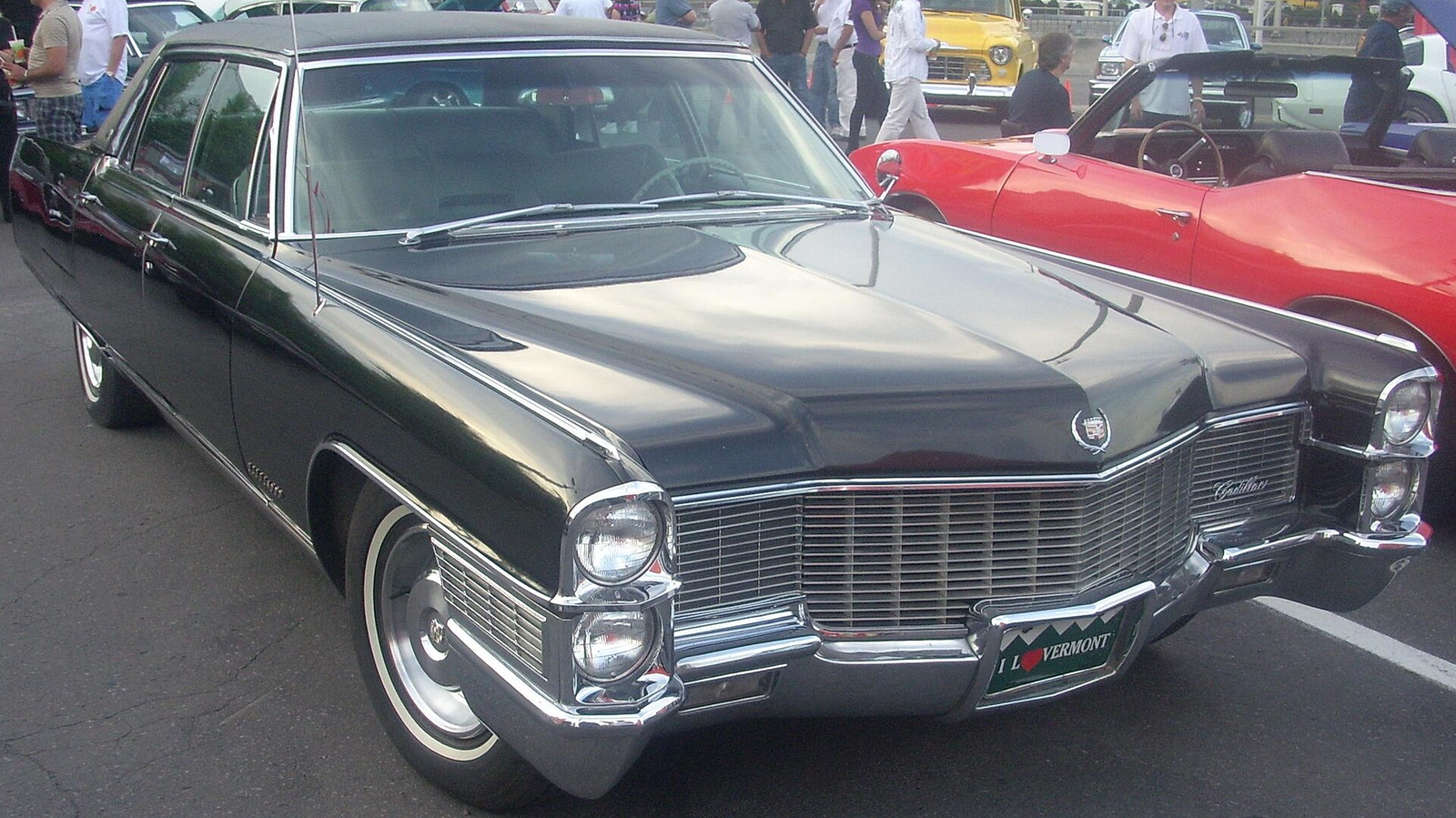
For the first time, the option became available in 1965 — on the Cadillac Fleetwood 1966 model year. By modern standards, its cost was about $500, which is equivalent to about 38 thousand rubles.
Airbags: General Motors Model Range (1974)
The airbag was invented by engineer John Hetrick in 1952. Despite this, the system, officially called the "additional passive safety system," only became widespread in the 1970s.
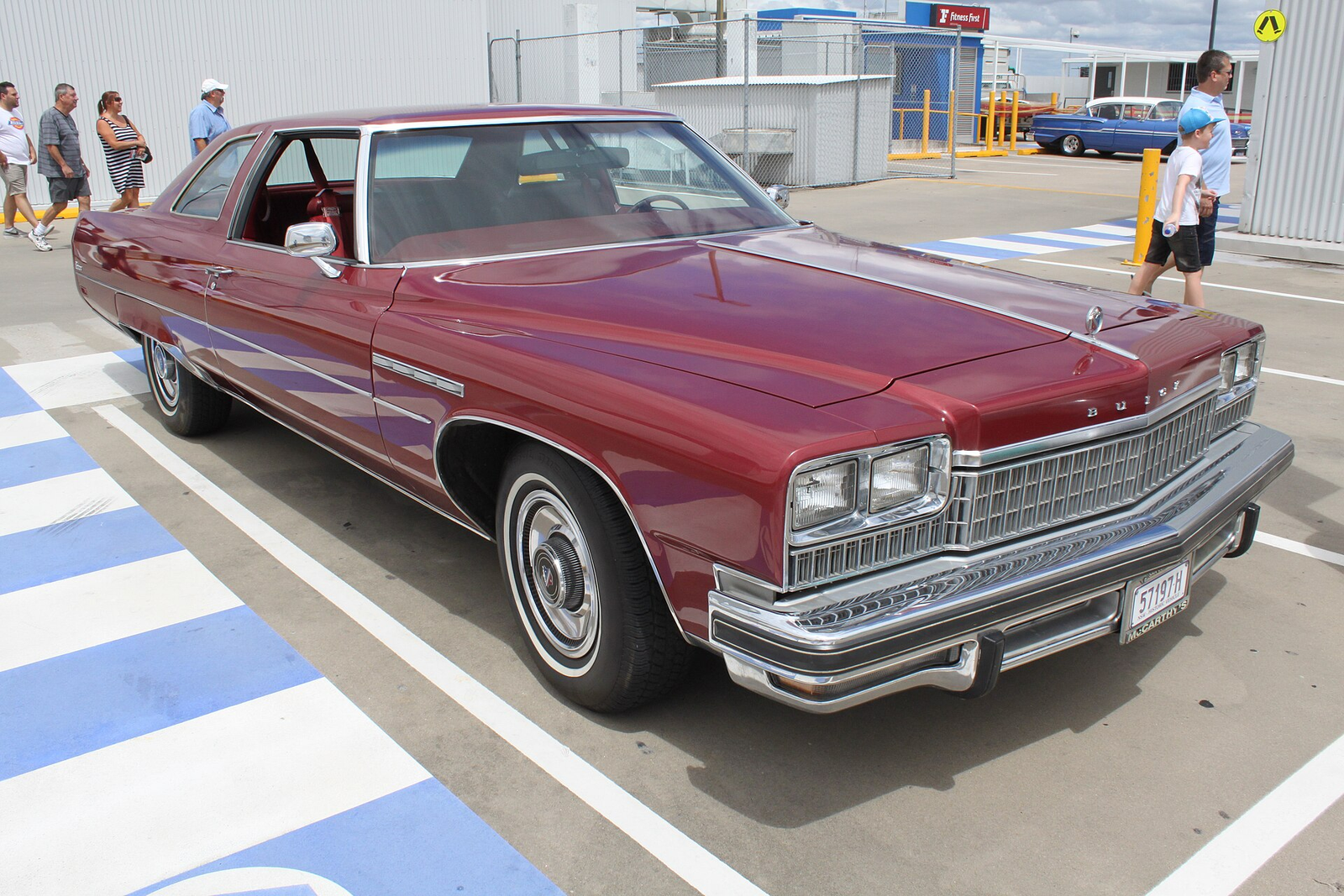
The first automaker to offer airbags on production cars was General Motors. In 1974, the system appeared on full-size Buick, Cadillac, and Oldsmobile models. It was promoted under the name Air Cushion Restraint System.
Digital Dashboard: Aston Martin Lagonda (1976)
The first production car with a fully digital dashboard was the 1976 Aston Martin Lagonda. LED technology was used in the design. However, the electronics turned out to be unreliable, and due to constant failures, the actual start of production was delayed by almost three years.
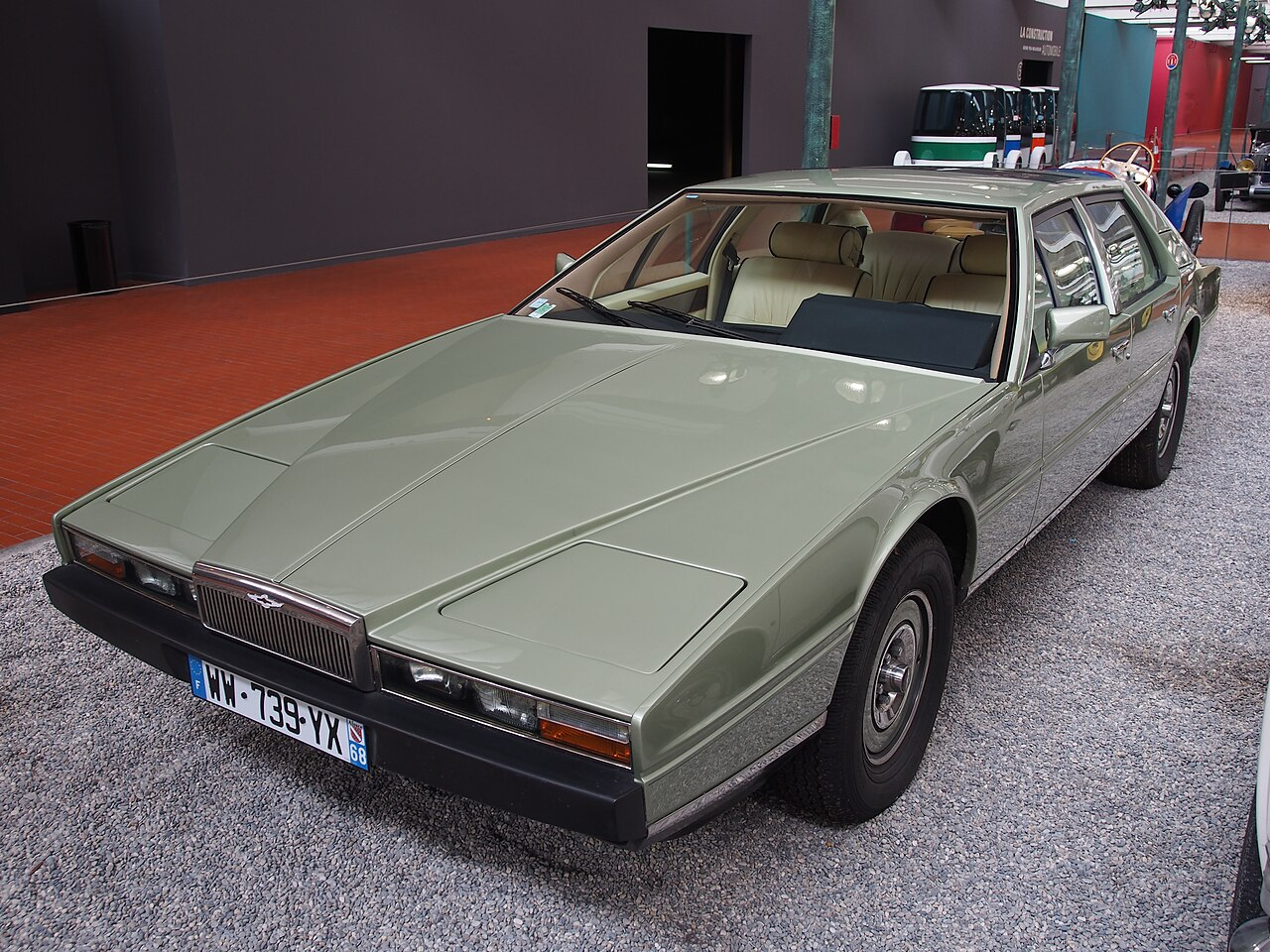
In 1986, the company abandoned LEDs in favor of cathode ray tube screens, but this solution was also not reliable.
Adaptive Cruise Control: Mercedes-Benz S-Class (1998)
By the end of the XX century, traditional cruise control was already widely used, but in heavy traffic it practically lost its meaning. The solution was an adaptive system that could automatically adjust the speed of the car and maintain a set distance to the car in front. At first, radar was used for this, later — in combination with a camera.
The first steps in the development of the technology were made by the 1995 Mitsubishi Diamante: its system could change speed, but did not use brakes.
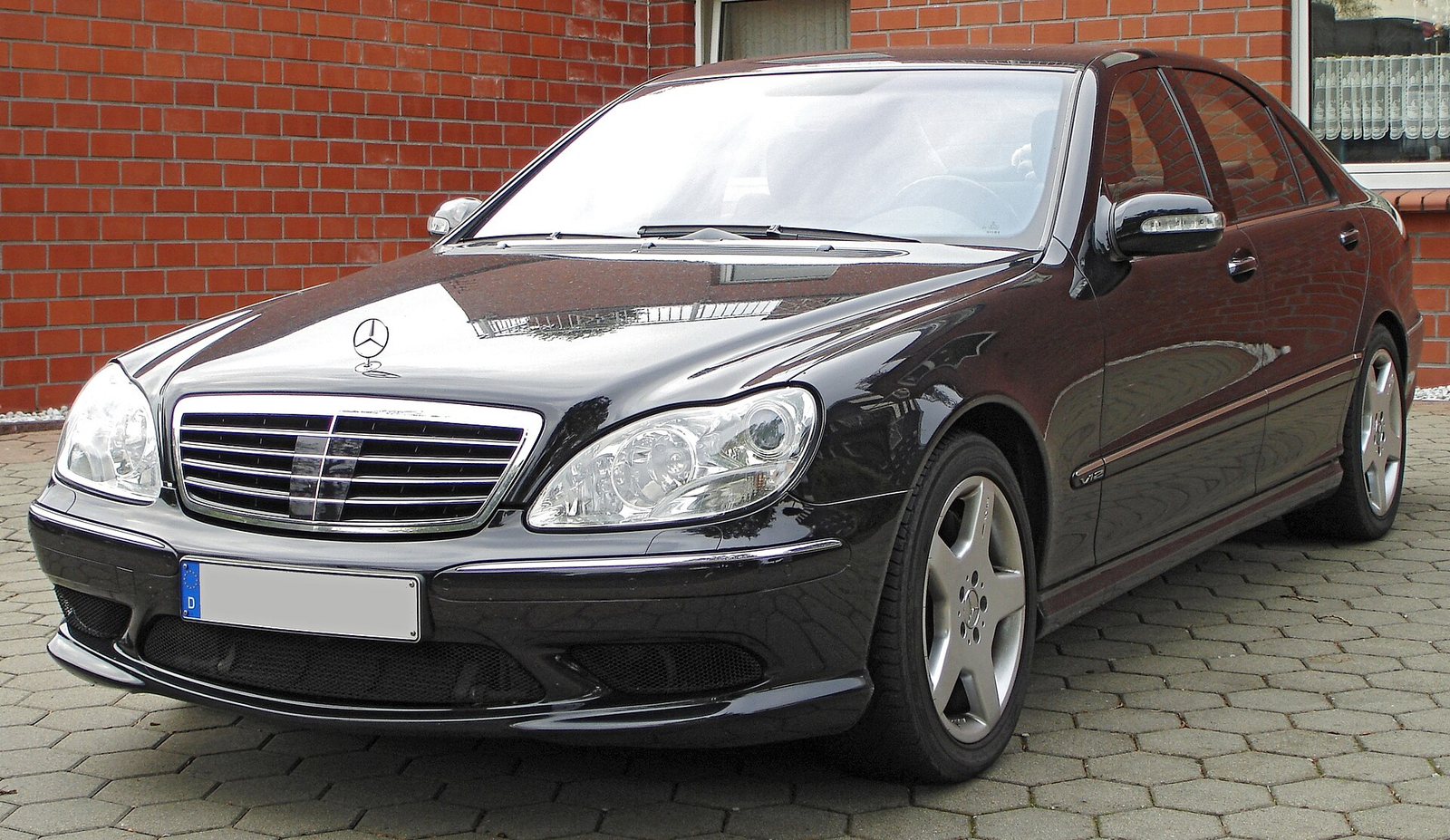
A full-fledged adaptive cruise control in the modern sense debuted in 1998 on the Mercedes-Benz S-Class of the W220 generation. It was this car that marked the beginning of the mass introduction of ACC, first in the premium segment, and then in more affordable classes.
Read also:
- Higher or lower: what are the dangers of suspension experiments
- Which automakers have completely lost factories in Russia
- Who and when has the right to open someone else's car by law
Comments