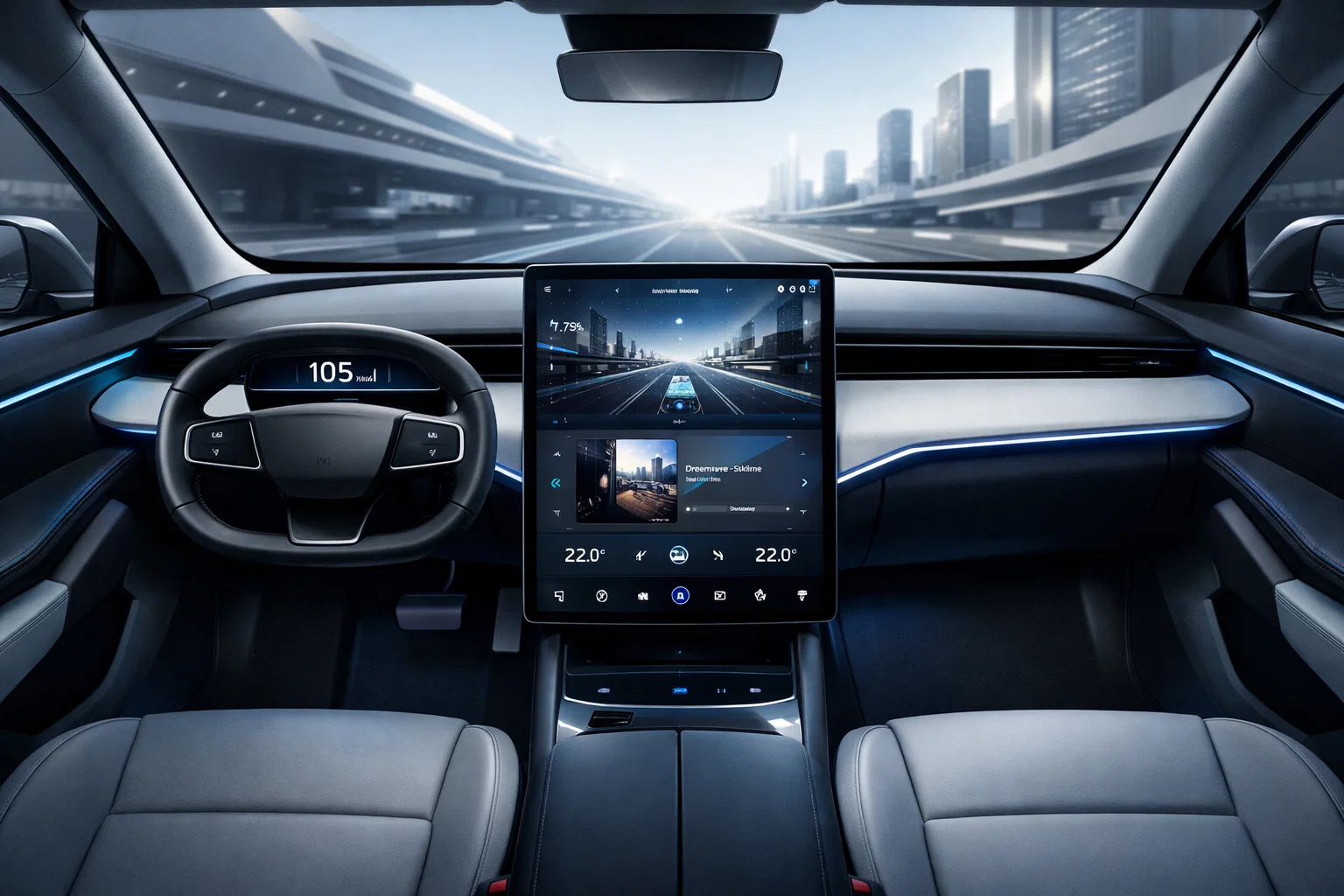
Electrification and digital technologies are becoming key areas of development for the modern automotive industry. Physical buttons in the cabin are gradually giving way to touch-sensitive displays, and internal combustion engines are decreasing in size or disappearing altogether from model lines. Against this background, another solution that could become widespread is being actively discussed: abandoning the traditional steering shaft. The technology is already being used on certain models, and its implementation may accelerate significantly in the coming years.
From Aviation to Automobiles
The aviation industry is traditionally considered one of the most conservative in terms of safety: any innovation undergoes a multi-stage check for reliability, resource, and economic feasibility. Nevertheless, it is there that the Fly-by-Wire system has long been used.
The essence of the technology is that the aircraft controls do not have a direct mechanical connection with the control surfaces. Signals are received from the control column, and the deflection of the mechanization is carried out using electric drives. It is assumed that this approach facilitates control and reduces production costs.
At the same time, even in aviation, Fly-by-Wire is not universally implemented. For example, modern Boeing 737 family aircraft retain the classic scheme, in which the control column is mechanically connected to the control elements - with the exception of interceptors (spoilers).
The automotive industry is gradually adapting a similar principle. The first production cars without a traditional steering shaft appeared in the early 2010s. Then interest in the technology weakened for a while, but now manufacturers are returning to its development.
Infiniti Q50 Experience and DAS System
One of the first mass experiments was the Infiniti Q50 model, introduced in 2013. The company introduced the Direct Adaptive Steering (DAS) system, which largely repeated aviation solutions.
Powerful electric motors were installed on the steering rack, transmitting commands from the steering wheel. Three control units were responsible for the operation, which made it possible to maintain control even if one of them failed. Additionally, mechanical insurance was provided: the classic steering shaft was connected in emergency mode if the electronics failed.
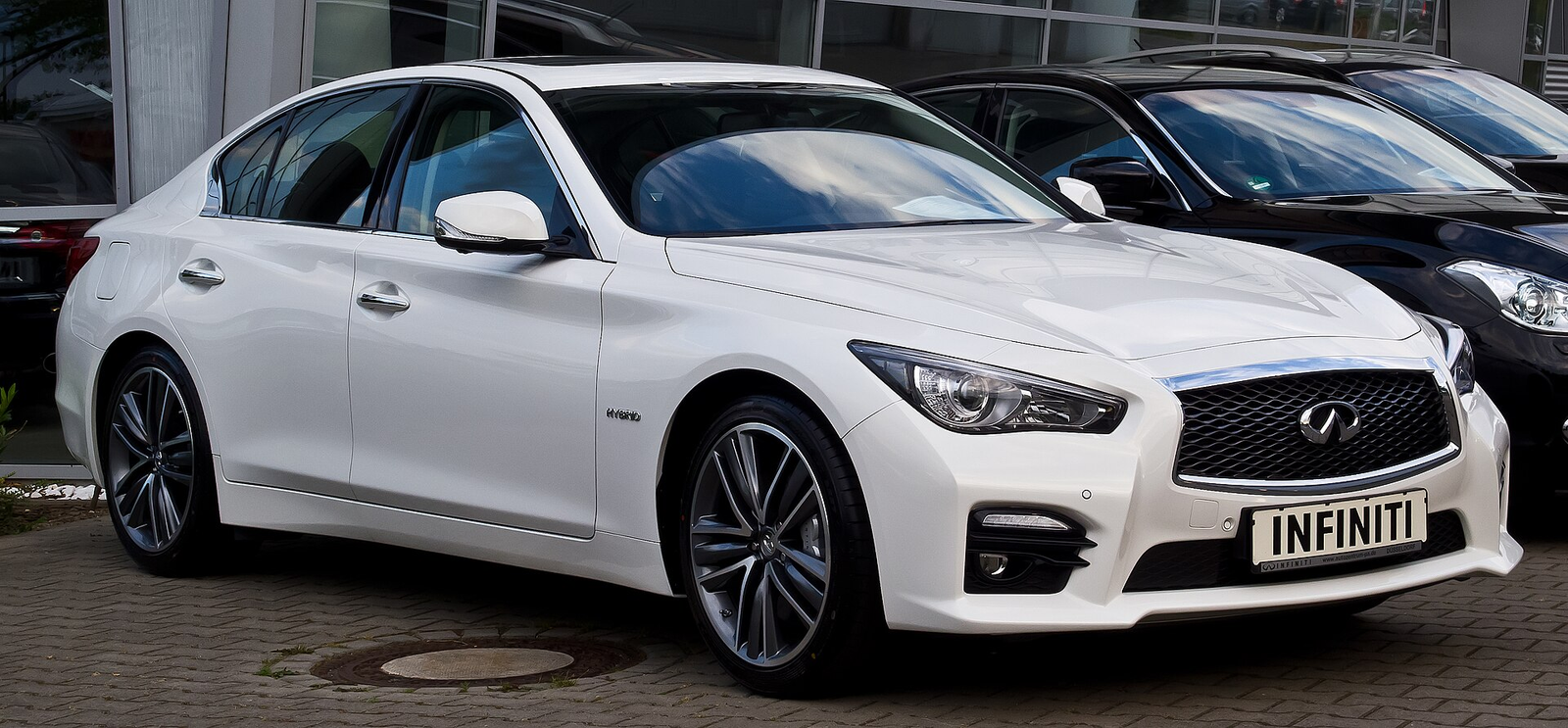
The main advantage of DAS was considered to be the minimum response time. The absence of backlash and friction losses ensured a quick reaction of the wheels to the driver's actions. However, along with this, shortcomings also appeared. Many noted the "empty" steering wheel - a lack of feedback and a sense of contact with the road. The control resembled a computer simulator.
In addition, the system turned out to be expensive and not very reliable. Despite the presence of a mechanical shaft in reserve, DAS often recorded errors, especially at low temperatures. As a result, the manufacturer had to conduct several recall campaigns.
Why the Technology is Returning
Ten years after the debut of the Infiniti Q50, interest in the "digital steering wheel" has increased again. One of the reasons was the spread of autopilot systems. It is easier for electronic assistants to control electric motors directly than to act on a mechanical shaft.
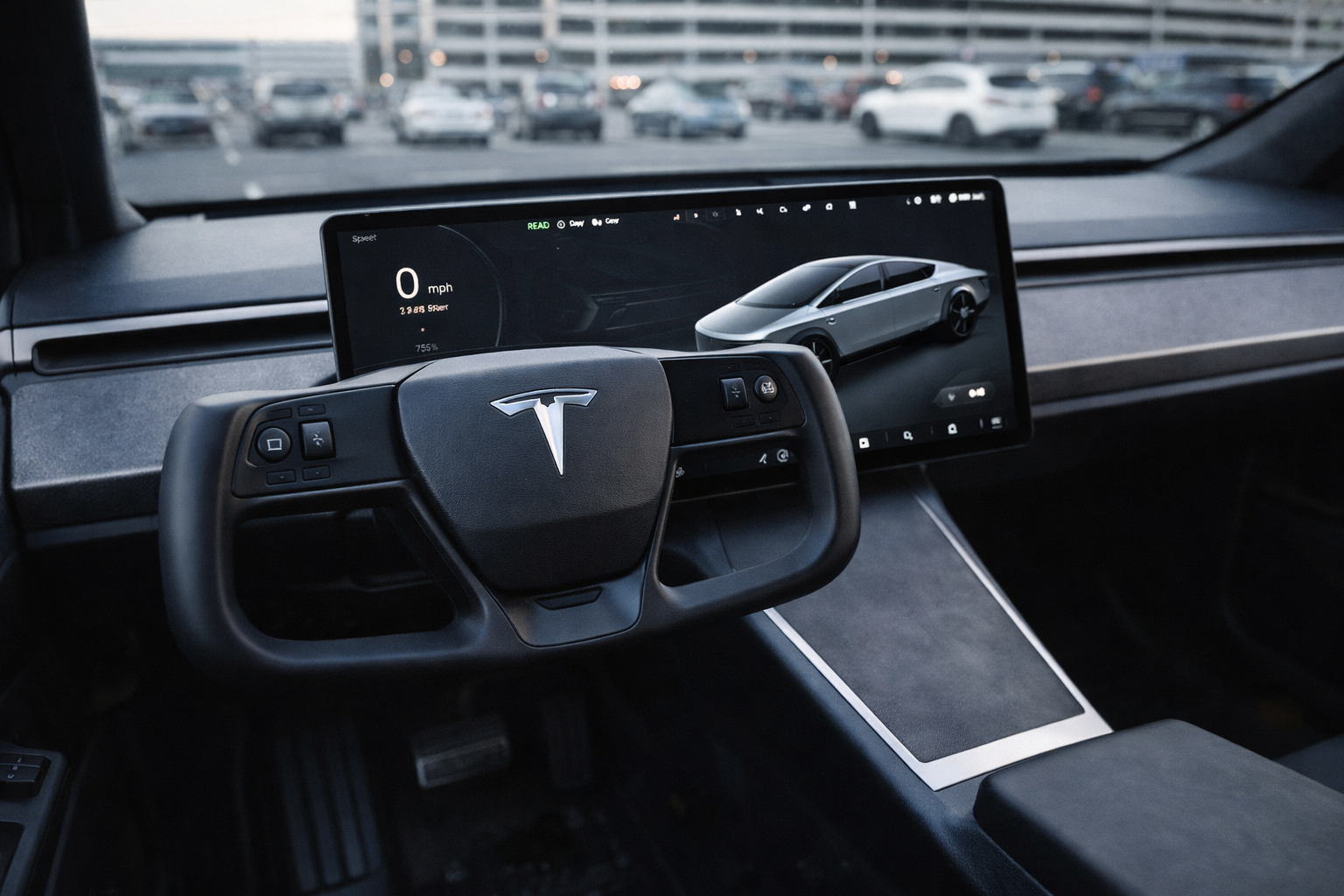
Modern control units open up additional possibilities. The processor analyzes many parameters and changes the sensitivity of the steering depending on the conditions. For example, at low speed, only 180° of steering wheel rotation may be required for a full turn of the wheels, which facilitates maneuvering in tight spaces.
A similar scheme has already been implemented on the Tesla Cybertruck, where they abandoned the traditional steering shaft in favor of a digital system with many redundant sensors and control modules - similar to aviation standards. A similar solution is used on the Lexus RZ.
Chinese manufacturers have also joined the development of the technology. So far, we are mainly talking about the premium segment, but in the future, "drive-by-wire" may appear on more affordable models.
Read more materials:
- Legends of Soviet roads: the main cars of the USSR
- Hungry games of cars: what is the reason for increased fuel consumption?
- UralZIS-355M: the ideal worker of the era