On the streets and in parking lots, there are noticeably more cars of Chinese brands, and this is no longer just an isolated episode but a steady trend. Buyers are voting with their rubles away from the domestic auto industry, and on a mass scale at that. The reasons for this process are quite specific, if one sets aside the rhetoric of advertising.
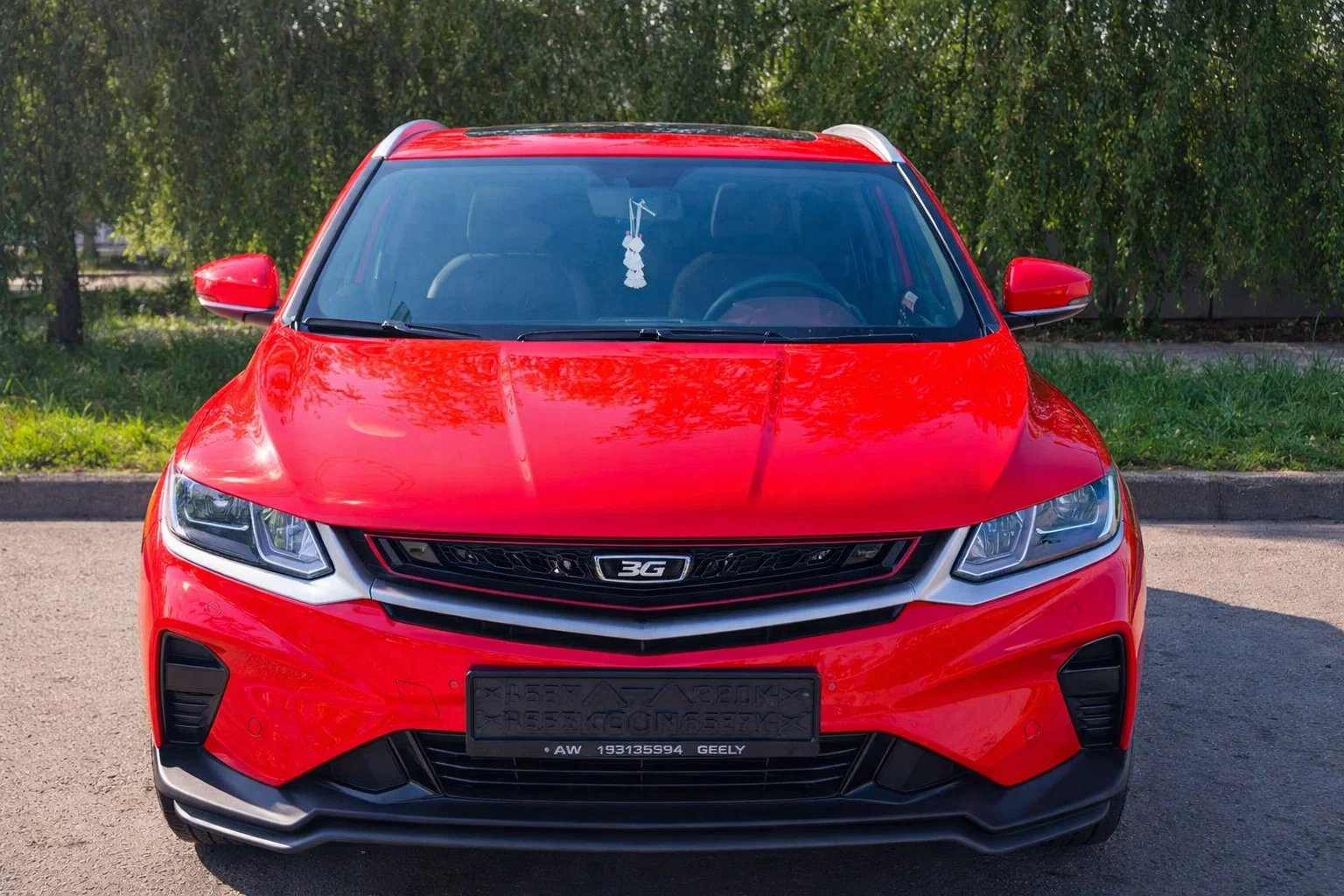
First of all, there is the price. It is enough to open any listings aggregator to see that the price of a new crossover from a Chinese brand on average starts at 2 million rubles. For this amount, buyers are offered an all-wheel-drive vehicle with a turbocharged engine, leather interior trim, a panoramic roof, and an impressive set of electronic assistants.
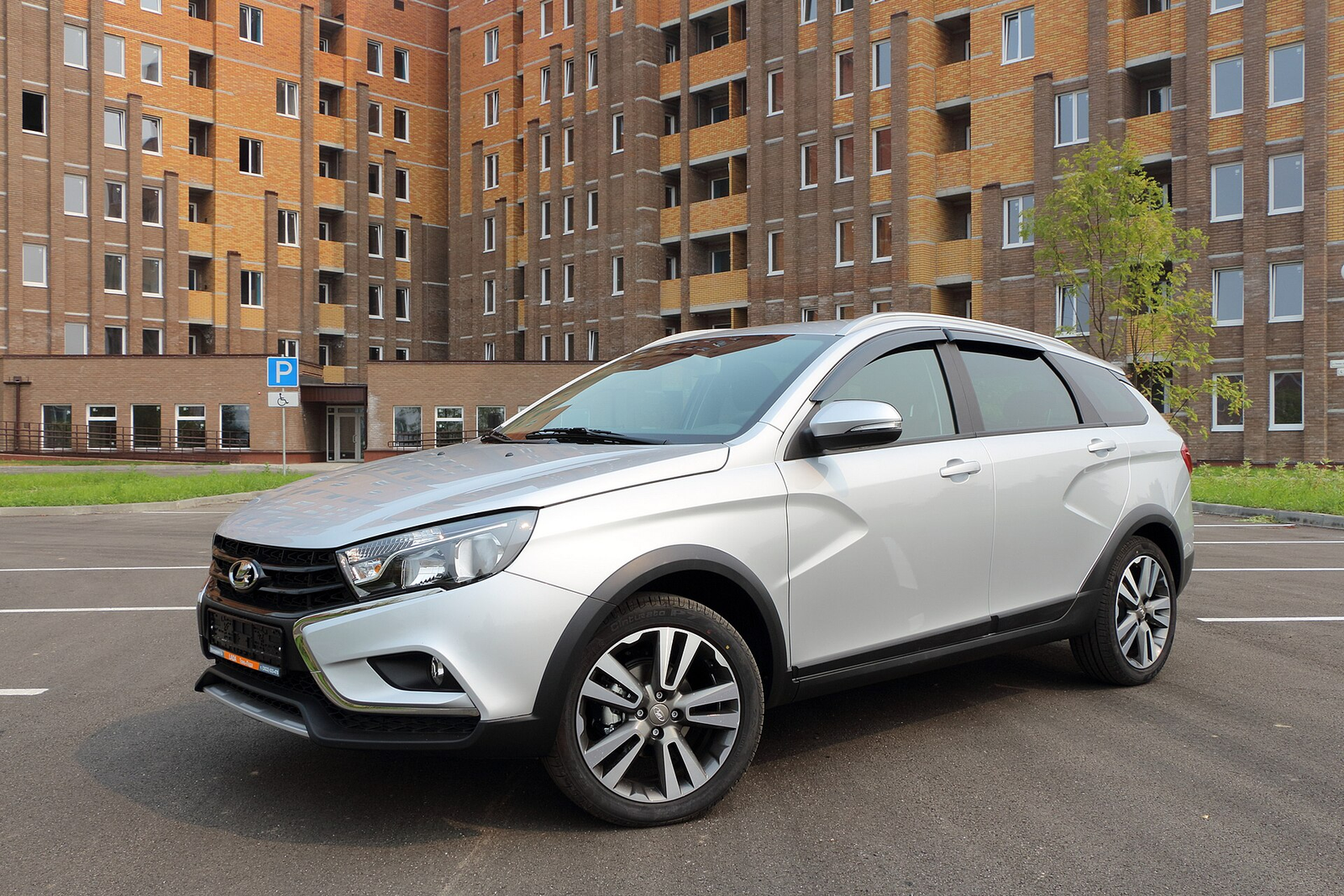
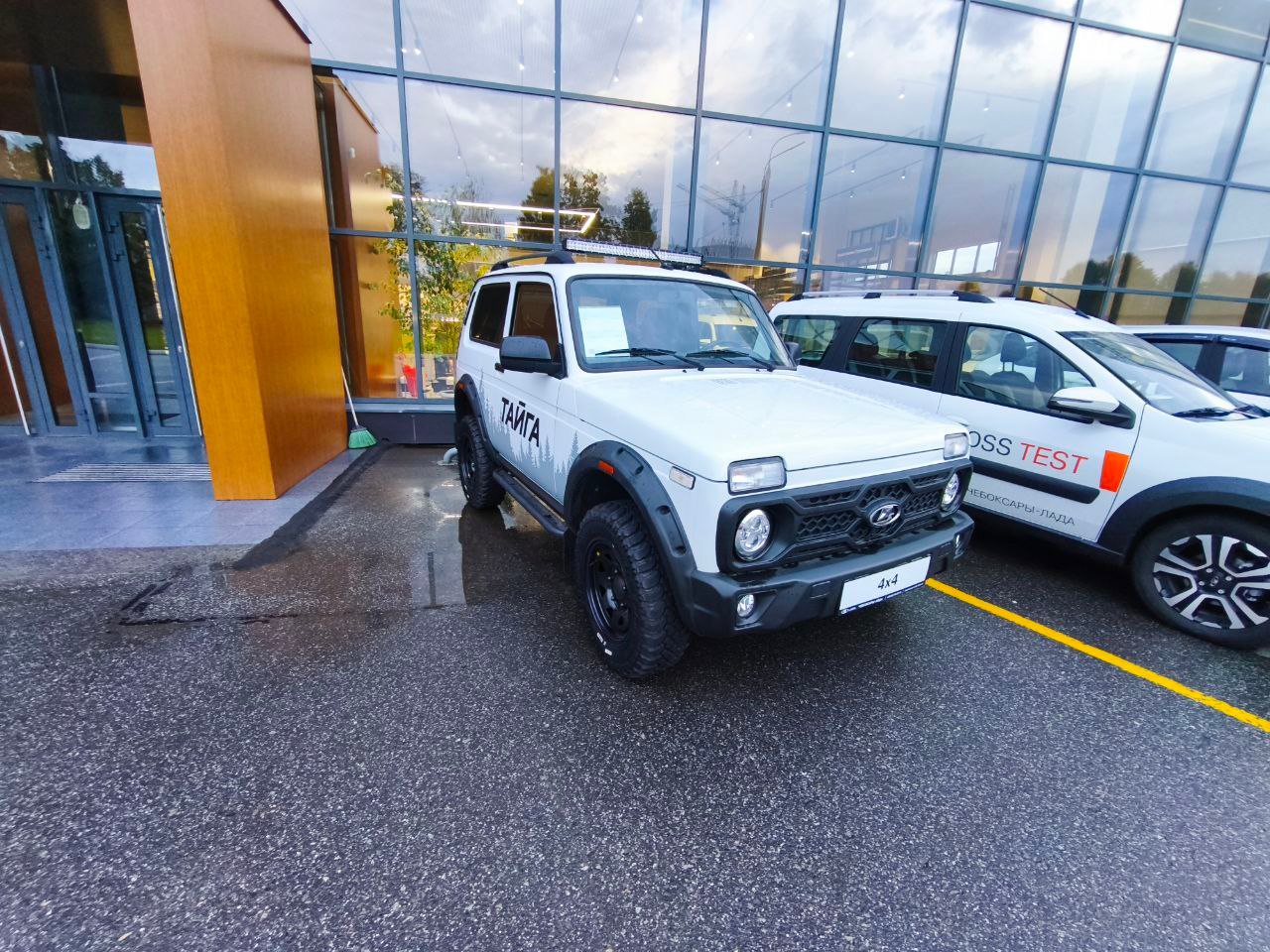
For comparison, the price of a new Lada Vesta starts at about 1.7 million rubles, while there is no all-wheel drive and the equipment remains fairly modest. A UAZ Patriot will cost about 2 million, but in terms of equipment this is a solution from the past decade. If one looks at the remaining warehouse stock of European models, the minimum budget will already be 3.5-4 million rubles.
As a result, for the price of a conventional "budget car," Chinese manufacturers are effectively offering a mid-size vehicle with a rich set of options. From the buyer's point of view, this looks like a substantial gain. In practical work with families with a budget of around 2.5 million rubles, a recurring scenario can be observed: domestic models provoke a restrained reaction, while Chinese options are perceived as more attractive thanks to the ratio of price to equipment.
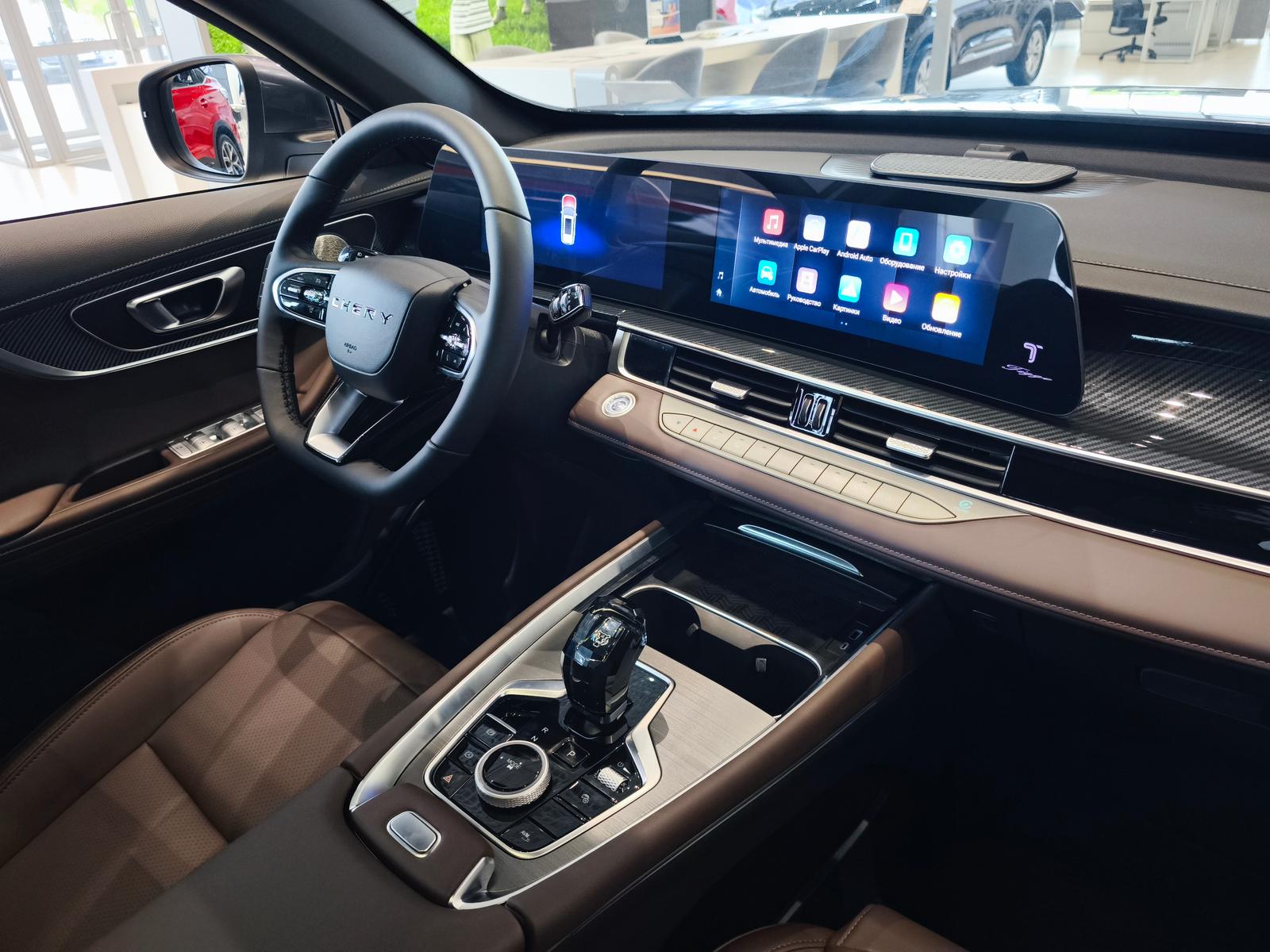
The second component is technological content. The interior of a modern Chinese crossover differs fundamentally from the familiar solutions of the early 2010s. A large touchscreen display occupying the center console, voice control in Russian, a surround-view system, adaptive cruise control, a power tailgate door - all of this has become part of the standard set for many models.
The contrast is especially noticeable against the background of base versions of the Lada Granta or UAZ vehicles: hard plastic, a minimally sized multimedia screen, and sometimes even manual window regulators. The difference is felt immediately. Chinese brands have managed to create a product that looks and feels modern. This is not the level of premium brands such as Mercedes-Benz or BMW; however, within their price category, the equipment is perceived as highly competitive - especially for those who previously used cars of earlier generations.
Changes in reliability are also worth noting separately. If earlier Chinese cars were indeed perceived as a risk, now many manufacturers offer a warranty of 5 years or 150,000 kilometers of mileage, and some offer even longer terms. Such a policy demonstrates confidence in their own product. According to service request statistics, that confidence does not look unfounded.
The third and perhaps key reason is the structure of the market itself. After the departure of European brands, a substantial niche emerged. Volkswagen, Skoda, Renault, and Ford ceased their presence, while among the remaining players are AvtoVAZ, GAZ, UAZ, and some Korean brands, which are also gradually reducing production.
At that moment, Chinese companies occupied the freed-up space. Today, Haval, Chery, and Geely dealership centers are represented in practically every major city. A full-fledged network is taking shape: sales, credit programs, trade-in, and service maintenance. The expansion is happening actively and systematically.
At the same time, domestic manufacturers do not always manage to meet demand. AvtoVAZ shifting delivery dates months ahead creates a shortage that leads to queues and dealer markups. In such a situation, buyers prefer options available without long waiting times and additional overpayments.
Most indicative is the speed of change. In three years, Chinese brands have gone from outsiders to sales leaders. This reflects not only their active strategy but also the accumulated systemic problems of the Russian auto industry. For many years, the focus was on cooperation with foreign partners and localization of assembly, while in-house development advanced only to a limited extent. At the same time, Chinese manufacturers were actively adopting technologies, improving designs, and expanding model ranges.
Today they offer the mass buyer a combination of parameters that covers the main needs: an acceptable price, modern equipment, sufficient quality, and wide availability. Of course, questions remain about how these vehicles will perform on the secondary market after several years of use. However, at the current moment, they solve the practical task of purchasing a new car within a limited budget.
Given investments in logistics, the development of dealer networks, and localization of production, including the construction of factories and the creation of jobs, there are currently no visible prerequisites for a rapid reversal of the trend. Potential competition can be provided only by domestic manufacturers, provided there are significant investments, the implementation of modern technologies, and the launch of new models. For now, updates are often limited to modernization of existing platforms.
The growing presence of Chinese cars on the roads is not a spontaneous process but the result of a combination of economic and market factors. And in the foreseeable future, their number will likely continue to increase.
Read more materials:
- Generation Z in the United States has shown interest in Chinese cars
- UMO 5 has entered service in Moscow's "Yandeks Go"
- How prices changed on the Russian car market in February
Комментарии