The history of the automobile consists not only of famous names and iconic models. Every detail, even the most familiar, has its own path of development, and turn signals are a prime example. Today, they are taken for granted, but a hundred years ago, drivers managed without them. Meanwhile, turn signals have become one of the key elements of safety, without which modern traffic is simply impossible.
These days, the principle of turn signals is the same all over the world: lever down — maneuver to the left, up — to the right. The movement is brought to automatism, although the discipline of drivers leaves much to be desired. In the US, where fines for ignoring signals can exceed $100, the problem is particularly acute: according to transport authorities, one in four drivers forgets to turn on the turn signal when turning, and almost one in two when changing lanes. The punishment is milder in Russia, but the consequences of such "trifles" are often much more serious.
Before the advent of light signals, drivers used gestures. The hand was stuck out of the window and indicated the direction of the maneuver — a simple and logical solution for the beginning of the automotive era. However, it only worked during the day and in good weather. With the growth of speed and traffic density, it became clear that gestures were not enough, which means that a more universal and noticeable way of communication between traffic participants was needed.
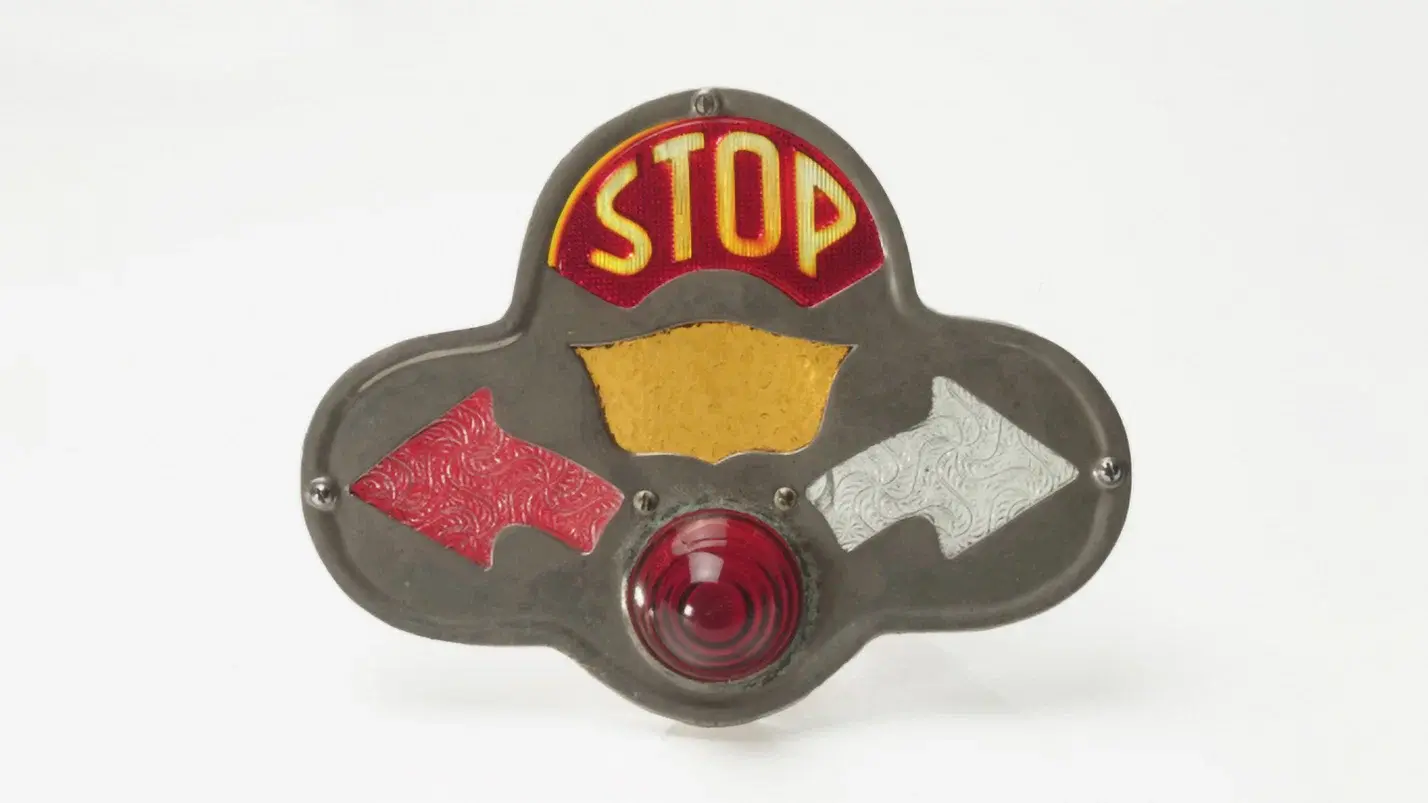
One of the first technical prototypes of turn signals is considered to be the invention of Percy Douglas-Hamilton, patented in 1909: illuminated images of palms were placed on the rear of the car. But a special place in this story is occupied by actress Florence Lawrence. In 1914, she invented an electric lever that rose and fell on the rear fenders of the car, signaling a turn. Moreover, Lawrence also proposed the idea of an automatic brake light that would be triggered when the brake pedal was pressed. Unfortunately, she never patented any of these solutions.
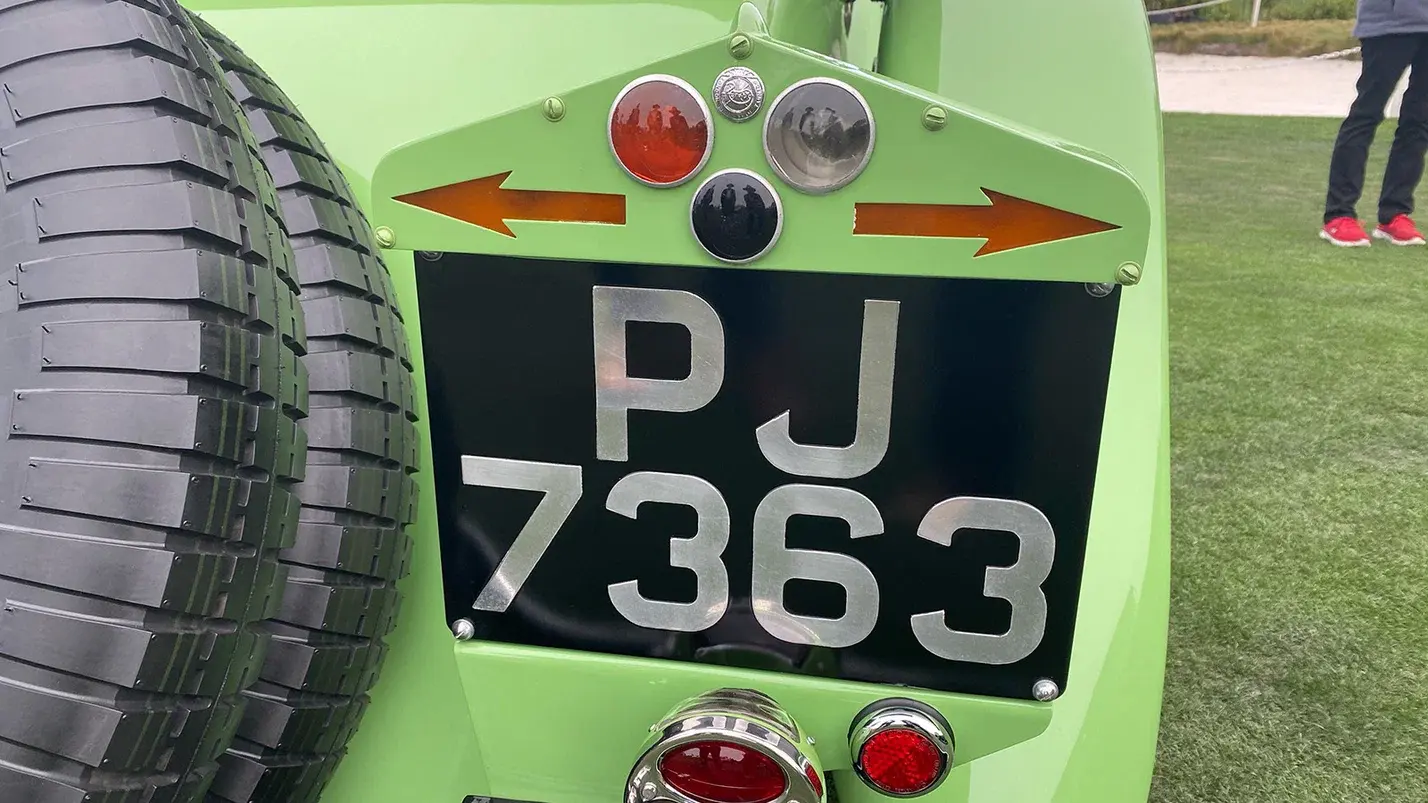
At the same time, similar ideas were developed by other engineers. In the early 1920s, arrow mechanical indicators appeared, then lights with several sections, combined with brake lights. By the end of the decade, the first electrical systems began to appear, and in the 1930s, a flashing light signal was introduced, as close as possible to the format we are used to. Its authors directly indicated that the main goal was to make the maneuver as clear and noticeable as possible to others.
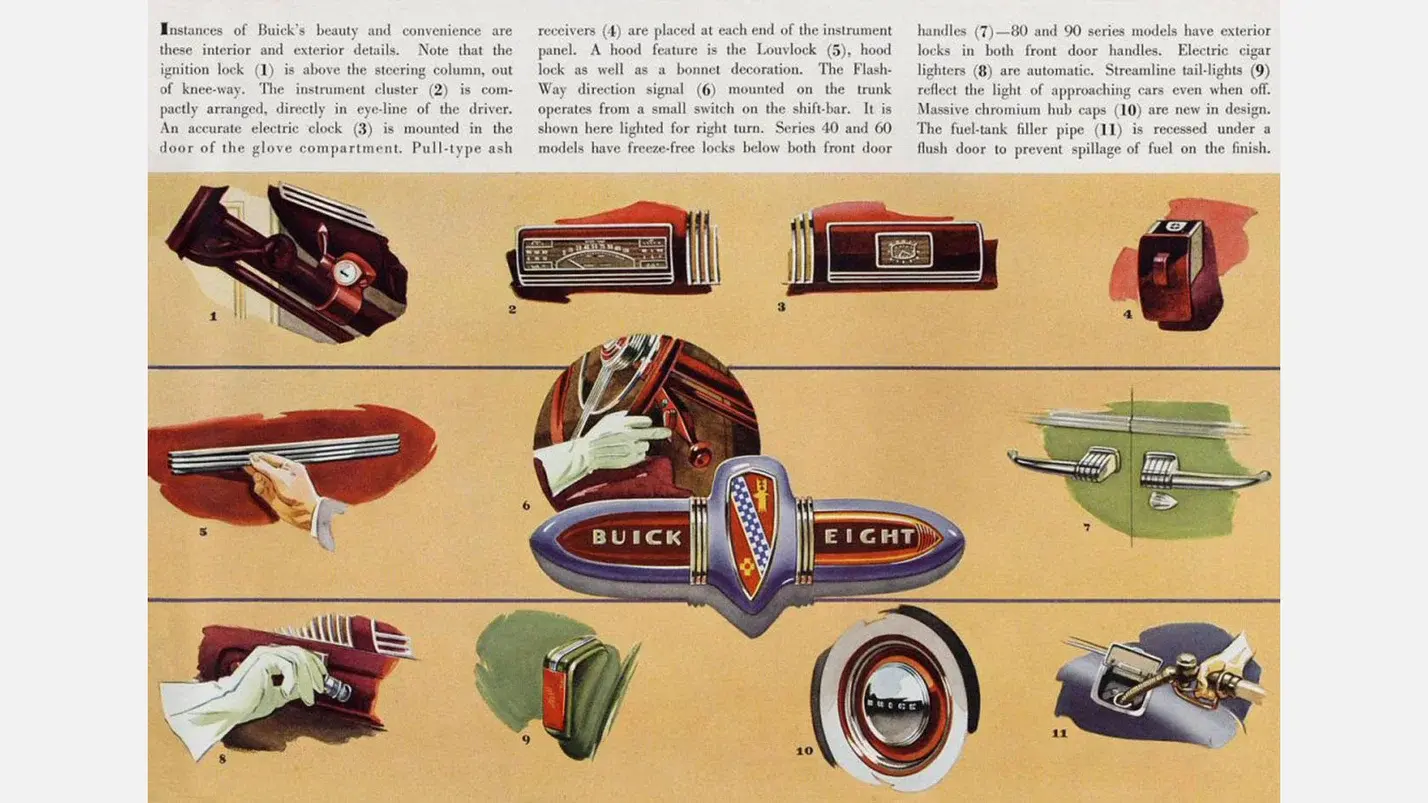
The first mass solutions took the form of so-called trafficators — retractable illuminated semaphores that rose from the body when a button was pressed. They were installed on many European and American cars, but were capricious and unreliable. The real step towards modern turn signals was light indicators built into the rear optics. One of the pioneers is considered to be the Talbot sports car of the early 1930s, and in 1939, Buick offered a serial Flash-Way flashing system, already controlled from the lever and visually integrated into the design of the car.
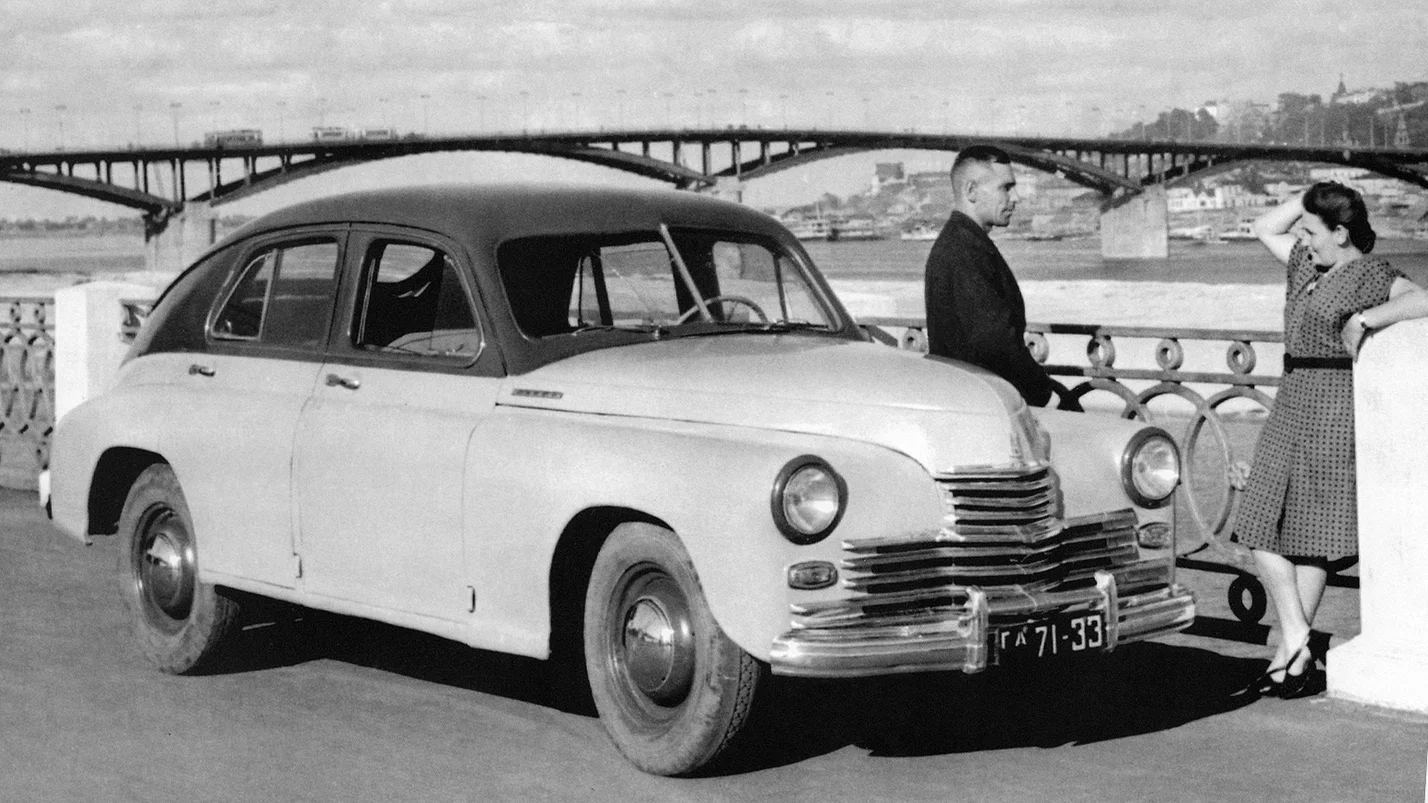
In the USSR, the technology appeared on post-war models such as the ZIS-110 and GAZ-M-20 "Pobeda", where the rear lights combined the functions of brake lights and turn signals, and control lamps appeared on the dashboard. But dynamic turn signals, which today look ultra-modern, were invented in the mid-1960s. The first production car with "running" lights was the Ford Thunderbird, followed by the Mercury Cougar and Shelby GT350. Modern LEDs have only expanded the capabilities of designers, but the idea itself has turned out to be surprisingly tenacious.
Read more materials:
- AvtoVAZ officially explained which gasoline should be poured into Lada
- "Moskvich" announced prices for the Moskvich 6 sedan of the 2026 model year
- Tank raised prices for the entire model range in Russia: Tank 500, 700 and 400 have risen in price
Комментарии