The history of the automotive industry knows many technical solutions that still cause bewilderment. And what is especially telling is that such experiments often appeared not in the premium segment at all. A prime example is the Volkswagen Passat B3 generation, which stood out sharply against competitors due to the absence of a familiar radiator grille. Let's try to figure out why the engineers took such a step and how the engine of this, in fact, a "people's" German car was cooled.
Rejection of the Usual Element
The radiator grille is a structurally simple and well-known part that has both obvious advantages and equally noticeable disadvantages. Its main purpose is to allow airflow into the engine compartment, providing natural engine cooling. In many driving modes, this airflow is sufficient to prevent the engine from overheating even without turning on the fan.
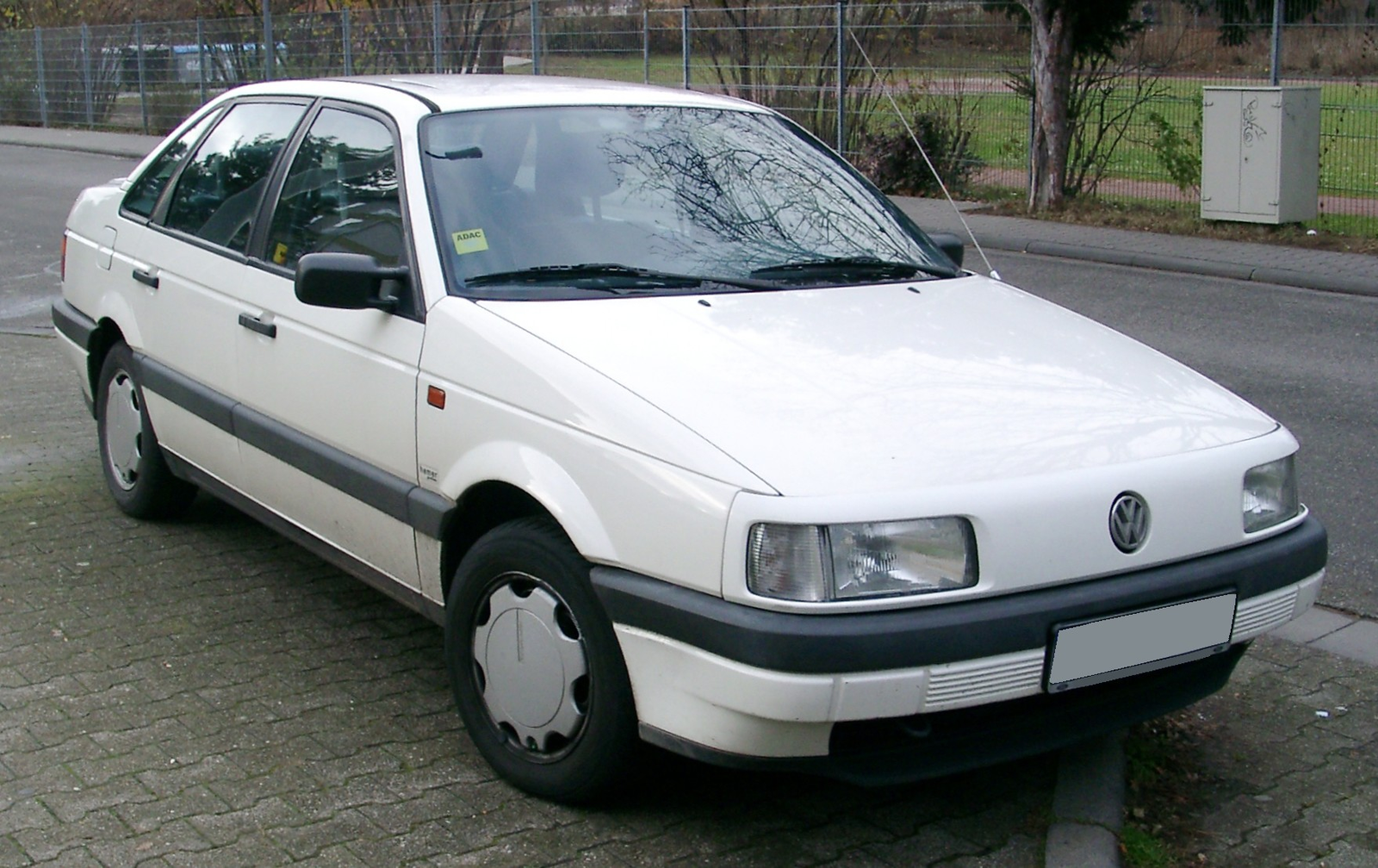
However, the grille also has a downside. It worsens the aerodynamics of the body, creating turbulence in the airflows, especially noticeable at high speed. In addition, stones, road dirt, and insects fly inside through the front openings. Over time, the radiator becomes clogged, heat transfer efficiency decreases, and in extreme cases, mechanical damage is possible, up to coolant leaks.
It was with these factors in mind that Volkswagen engineers decided to take a radical step and completely abandon the radiator grille in the Passat B3. The car's appearance turned out to be atypical and immediately attracted attention, and the closed front part made it possible to achieve a drag coefficient of 0.28 - a very decent indicator for its time.
How the Engine Managed Without Overheating
Even today, most cars retain the classic radiator grille. The exceptions are mainly electric vehicles, which have a cooling system built on different principles. The question is all the more interesting: how was it possible to implement such a scheme back in the late last century, when technologies were noticeably more modest than modern ones?
The answer was a hidden air supply system called Bottom breather. Air intake was carried out through a special element in the lower part of the front bumper - under the license plate. There was a kind of "lip" that directed the flow inside the structure. Next, the air through the plastic casing went directly to the radiator, providing its cooling.
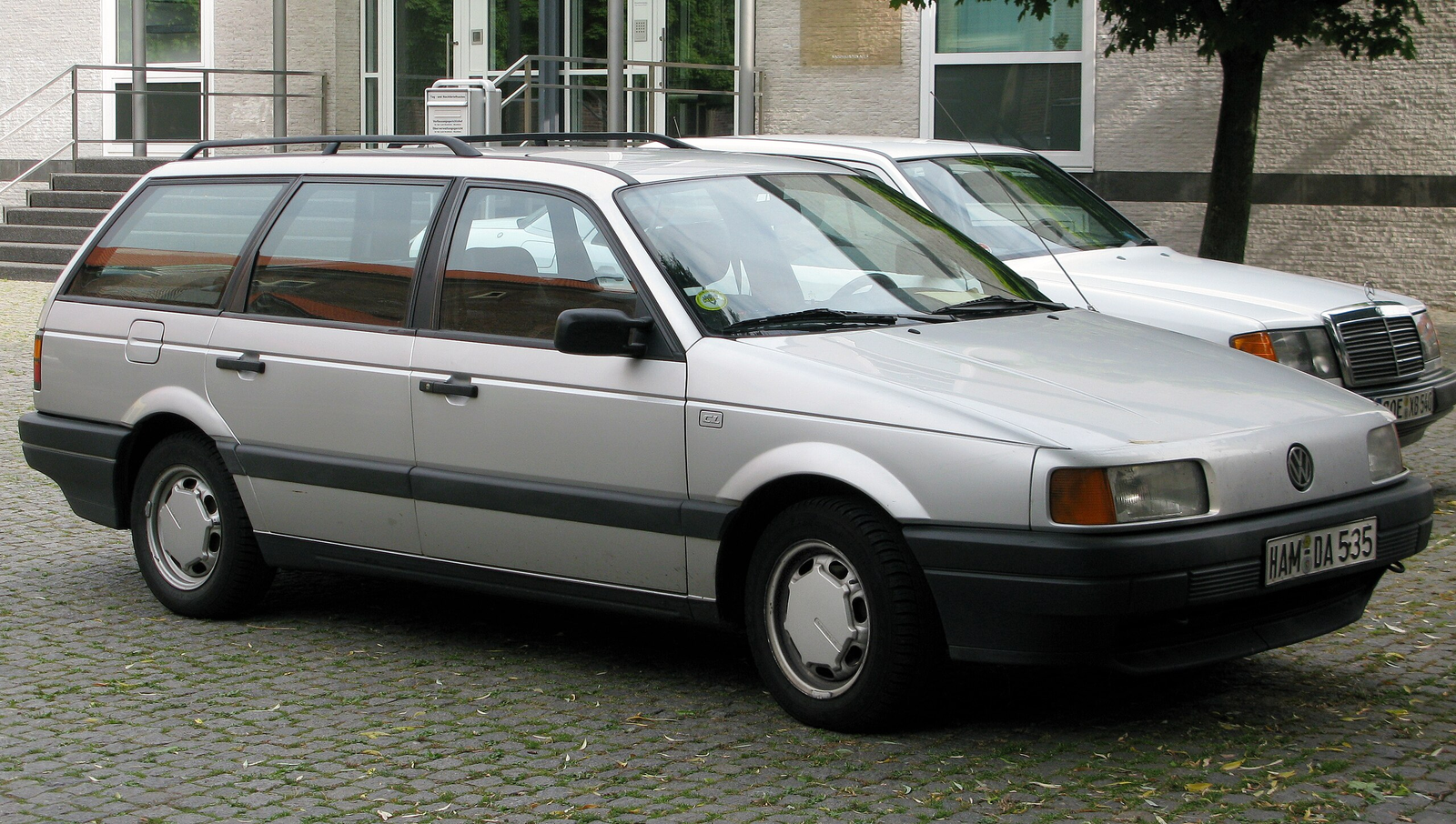
As a result, the system turned out to be relatively sealed. This had a positive effect not only on aerodynamics, but also on acoustic comfort: at high speed, the noise level decreased. In the cold season, another effect manifested itself - the closed engine compartment helped the engine to maintain its operating temperature longer and not to overcool when driving on the highway.
Special attention should be paid to the organization of air intake into the engine. The pipe was placed directly behind the Volkswagen emblem, and the logo itself was equipped with slots through which air entered. Nevertheless, some owners preferred to install non-standard panels with traditional holes, returning the car to a more familiar look.
Why the Idea Was Abandoned
Despite the obvious advantages, operation revealed serious shortcomings of this scheme. Air intake from below practically did not protect the radiator from debris. On the contrary, foliage and dirt actively got inside, which meant that the structure had to be cleaned much more often than in cars with a classic grille. In winter, the situation worsened: snow penetrated into the air ducts, turned into ice and reduced cooling efficiency.
Another problem was the complication of the design. Damage to plastic pipes or casing immediately worsened heat dissipation from the radiator. It was not always possible to eliminate such a malfunction on the road, which could turn into serious trouble for the driver.
From an aesthetic point of view, the absence of a radiator grille also turned out to be a controversial decision. For some brands, this element has become an important part of the corporate style - such as the "nostrils" of BMW. The Passat B3 without a grille looked futuristic and stood out from the competition, but after a few years the novelty effect disappeared, and the unusual design ceased to be perceived as an advantage.
Read more materials on the topic:
- Suzuki X-90: Small Format for Great Pleasure
- Engine Made of Plastic: Madness That Became History
- "Moskvich" Must Be Expensive to Survive