A Finnish buyer gets into a new Elite de Luxe — with four headlights, a radio receiver, and readiness to drive straight onto the road. At the same time, a Soviet engineer receives a postcard with a brief notice: his turn for a "Moskvich" will come in three to four years. Formally, the cars are the same, but one is already in use while the other remains on a waiting list. In 1969, 64% of all AZLK production was shipped abroad, and it was economically more profitable for the plant to work for the hard-currency market than for the domestic buyer.
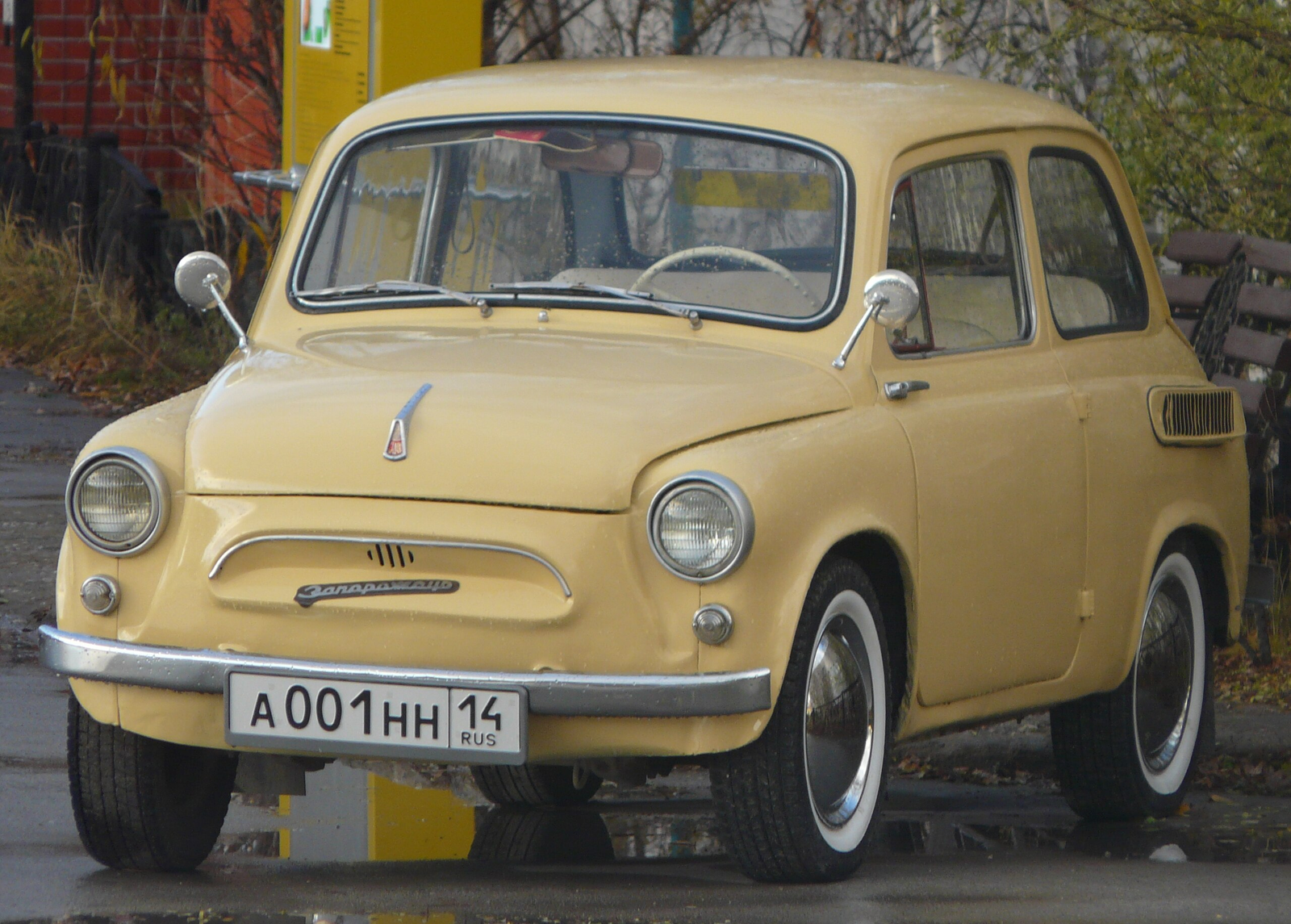
One of the first difficulties was the issue of names. The word "Zaporozhets" turned out to be practically unpronounceable for Europeans. Therefore, the ZAZ-965 for the Finnish market received the name Jalta, and for the Belgian market — Yalta. The association with the Crimean resort seemed successful: warmth, leisure, and ease of pronunciation in any language. At the same time, the Belgian company Scaldia-Volga additionally equipped export cars with a mirror on the left fender, an ashtray, and a radio receiver — details that a Soviet owner of the basic version could only guess about.
The "Moskvich-408" became a real hit in Finland. In 1965, 1966, and 1968, it took first place in sales. The local name Elite de Luxe fully matched the equipment level: chrome moldings and four-headlight optics were included as standard. For the United Kingdom, right-hand-drive versions with the index 408P were produced, and annual sales there amounted to about 3,000 cars. Some of the vehicles supplied through Belgium were fitted with 1.5-liter British Perkins diesel engines — a variant that was not envisaged for the Soviet market in principle.
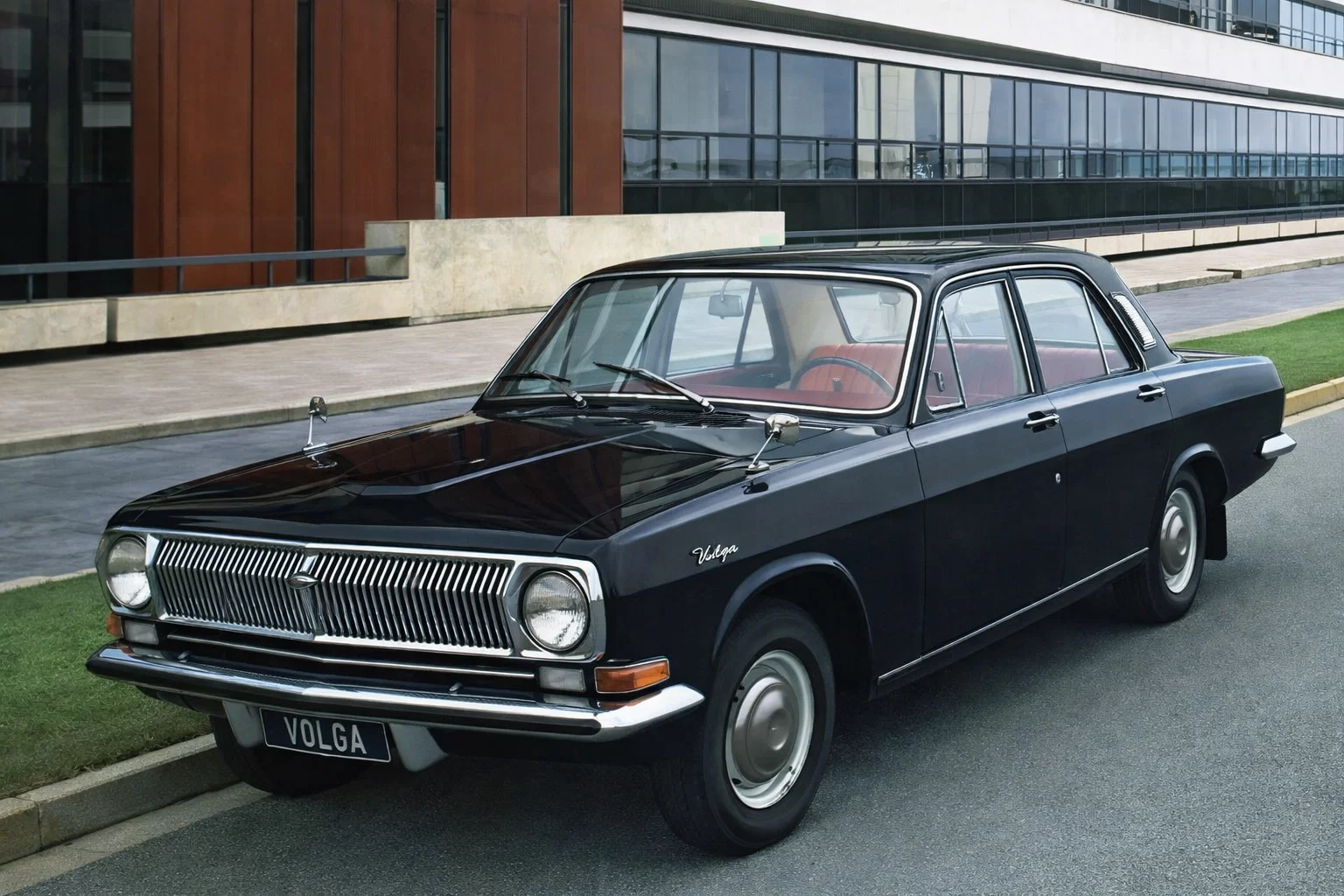
The differences were even more pronounced in the case of the export version of the Volga GAZ-24. Knock-down kits without engines were shipped to Belgium, where French Peugeot Indenor XD2P diesel engines with an output of 62 hp were then installed. The sedan received the index GAZ-24-76 Scaldia, the station wagon — GAZ-24-77. In total, about 8,000 such cars were assembled. When some of these vehicles later returned to the USSR, their owners faced the problem of a complete lack of spare parts for the French power unit.
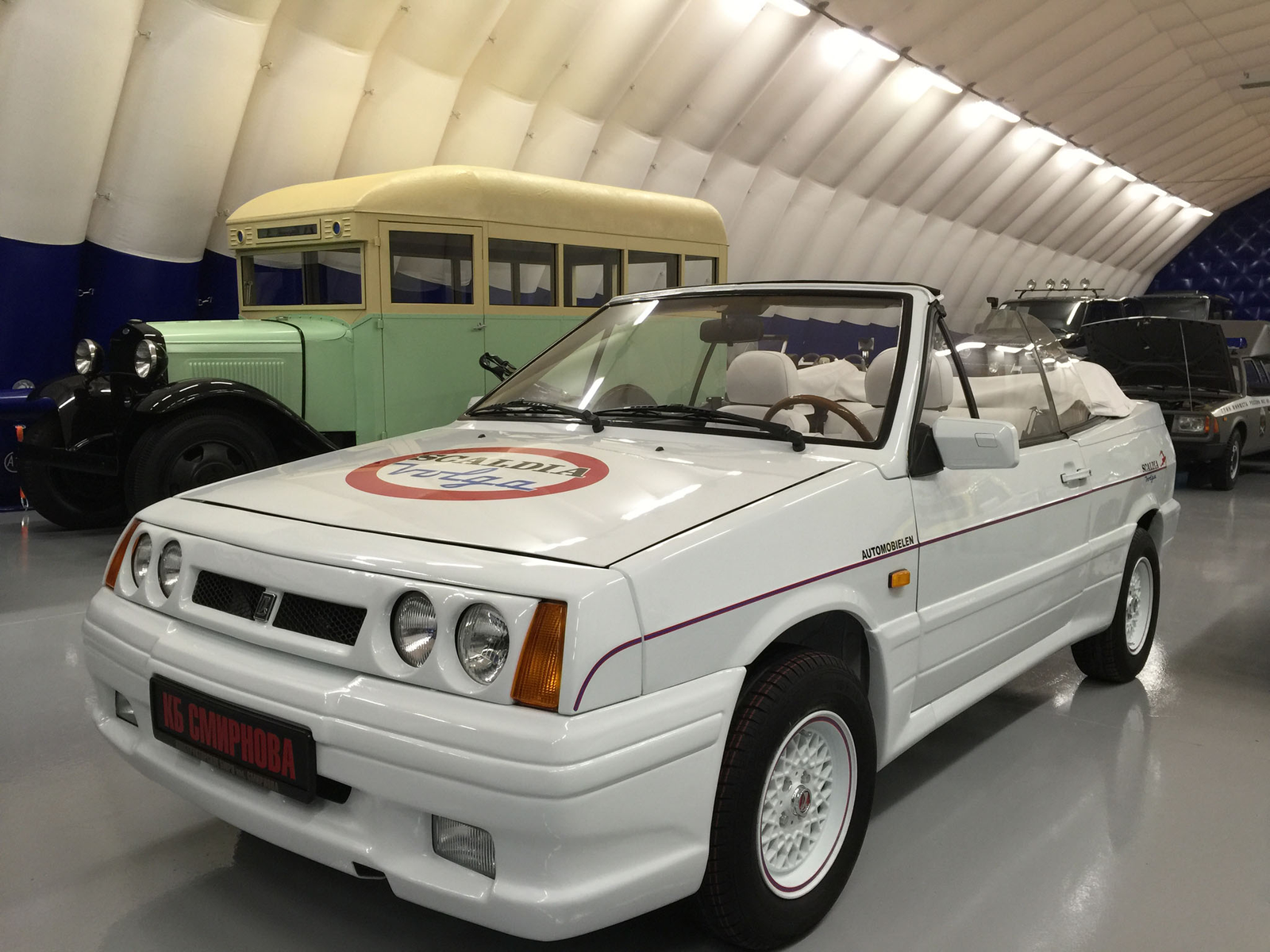
The Lada Natasha convertible was the result of cooperation between Scaldia-Volga and Tolyatti designer Vladimir Yartsev in 1990. The open-top "eight" was assembled in small batches in Belgium and Germany. The body was reinforced with an additional frame, ensuring rigidity even higher than the factory standard. The name was chosen with European perception in mind: short, soft, and understandable without translation. Over five years, 456 examples were produced. In France, such a convertible cost 79,900 francs, while an ordinary "Samara" was priced at 53,700.
From 1996 to 1998, the Finnish company Valmet Automotive produced the Lada Samara Baltic at the same plant where the Porsche Boxster was assembled. The "nine" underwent improved welding and high-quality painting, while the steering wheel with an airbag was supplied by Volkswagen. Before that, no production Lada had ever received an air bag. Weld seams were concealed with moldings, the seats were upholstered in velour, and the sound insulation was done in three layers. Instead of the planned 20,000 cars per year, only 14,000 examples were assembled over the entire period, but the German ADAC recognized the Baltic as the most economical model to maintain in its class.
In Canada, the VAZ-2105 was sold under the name Lada Signet. Dealers offered versions with a three-speed automatic transmission from the Chevrolet Chevette — a configuration the Soviet buyer did not even suspect existed. The VAZ-2104 station wagon entered the market as the Signet Wagon with a warranty of three years or 80,000 km of mileage. In France, in 1993, a limited series called the Lada Kalinka Olympe appeared, equipped with a catalytic converter and four engine options.
The differences between domestic and export versions were not limited to the list of options. For the British market, the cars were made from thicker metal, the transmission was reinforced, a different starter was installed, and the body was carefully treated with anti-corrosion compounds. The VAZ-21041 modification with a 1.2-liter engine was intended for countries where taxes depended on engine displacement. In essence, each market received its own version of the same model — taking local requirements and expectations into account.
Read more materials on the topic:
- Suzuki X-90: small format for great pleasure
- Plastic engine: madness that became history
- A "Moskvich" must be expensive to survive
Комментарии