Open the hood of a diesel car, and your eyes immediately catch familiar elements: wires leading to the cylinders, connected to the glow plugs. Intuition suggests that a spark should appear somewhere, like in a gasoline engine. But there is no spark there, nor can there be. A logical question arises: why does a diesel engine need glow plugs at all? The answer lies in the fundamentally different way such an engine works.
The Key Difference — Ignition Method
In a gasoline engine, everything is very straightforward. Fuel is mixed with air in advance, the resulting mixture is compressed by a piston, and at a precisely defined moment, the spark plug delivers a spark. This spark serves as the "trigger" without which the process will not begin.
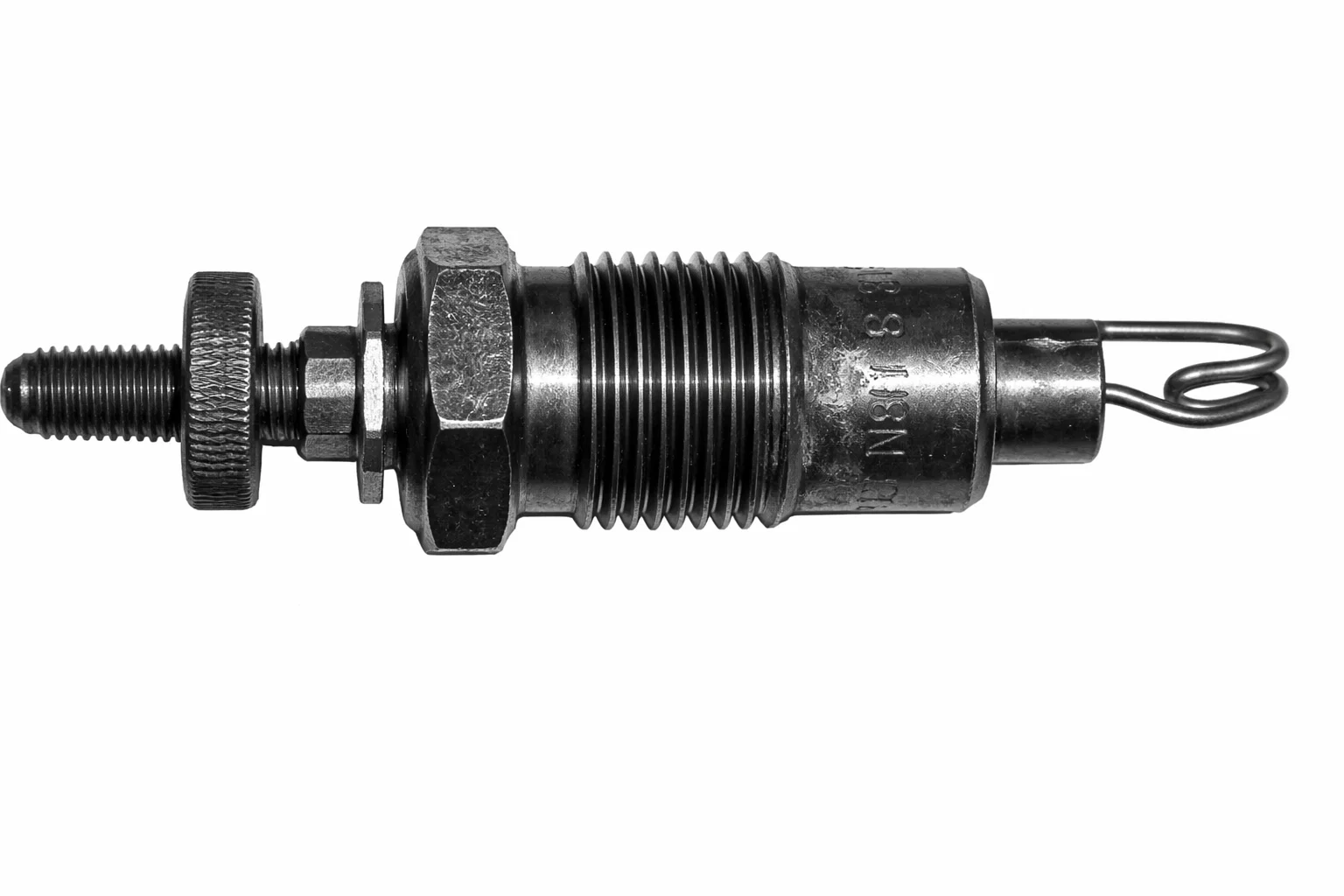
In a diesel engine, no external ignition is required. Here, the fuel ignites on its own. The mechanism is simple: only air enters the cylinder first, which the piston compresses to an extremely high pressure. As a result, the temperature inside the combustion chamber jumps to 700–900 °C. It is at this moment, near the top dead center, that the injector sprays diesel fuel. It instantly atomizes, evaporates, mixes with the hot air, and self-ignites. A spark is simply not needed here — there is nothing and no one to ignite.
Then Why Does a Diesel Engine Need Glow Plugs?
The answer is one: for confident cold starting. A winter morning: the engine metal is frozen, the cylinders are cold, and the air no longer has time to heat up to the self-ignition temperature during compression. Fuel is injected, but it does not ignite. At best, the engine will catch with interruptions; at worst, it will not start at all.
It is in such conditions that glow plugs come into play. In essence, they are compact electric heaters. When the ignition key is turned to the first position, voltage is applied to them. The tip of the glow plug quickly heats up to red-hot — to 1000 °C and higher. This local heat source heats the air in the combustion chamber at the most critical moment of starting, creating conditions for normal fuel self-ignition.
On modern diesel engines, the operation of the glow plugs does not always end immediately after starting. Often, they continue to function for some time, helping to reduce noise, vibration, and the amount of harmful emissions on an unheated engine.
Design and Development: Far From Just a Wire
Early glow plugs were rod-shaped and heated up rather slowly — up to 20–30 seconds. Such a "thoughtful" start was the norm for old diesel engines. Today, the situation is different. Modern glow plugs are most often ceramic. Their core is made of a special heat-resistant material that reaches operating temperature in just 2–5 seconds.
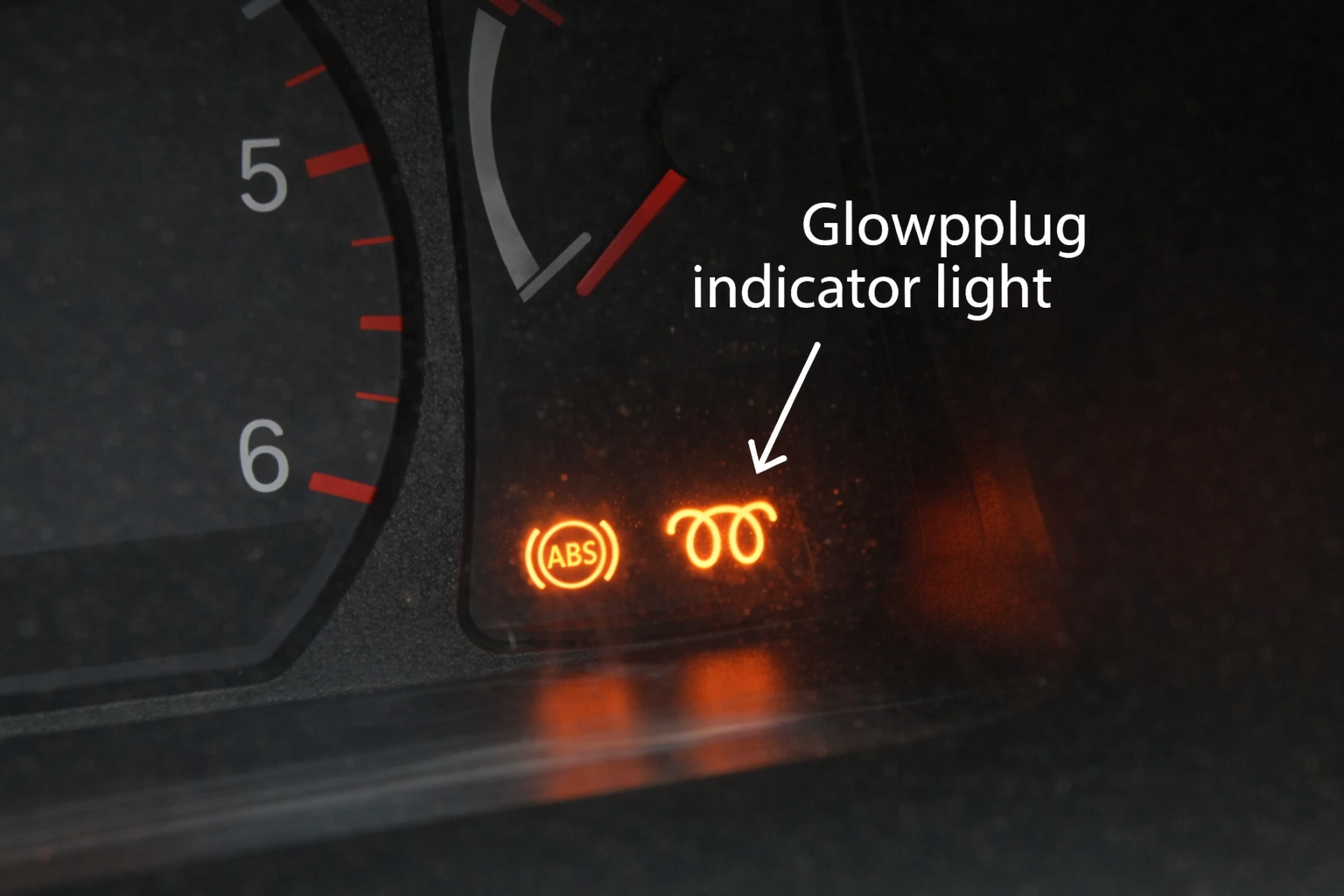
This acceleration is not just convenience for the driver. A quick start has become a mandatory requirement of environmental standards and modern engine management systems. As for the lifespan, ceramic glow plugs are capable of lasting 150–200 thousand kilometers, but in practice, it is recommended to change them earlier, without waiting for failure, to avoid problems with starting and uneven cylinder operation.
Important to Remember: They Don't Replace the Spark
There is, however, one fundamental point: glow plugs do not participate in igniting the fuel during normal engine operation. They do not perform the role of a gasoline spark and do not control the combustion process. Their task is only to create the starting conditions for self-ignition of the mixture.
When the engine has warmed up and the temperature in the cylinders has become sufficient, the glow plugs are turned off. On some engines, they may be briefly turned on in post-glow mode, helping to reduce exhaust toxicity, but this is a secondary function, not the main reason for their existence.
Why Glow Plug Health Is Critical
A faulty glow plug is much more than a "won't start in winter" problem. If one or more glow plugs fail, the uniformity of processes in the cylinders is disrupted. On a cold engine, misfiring appears, mechanical wear increases, and white smoke may come out of the exhaust pipe — a sign of unburned fuel.
In addition, the load on the battery and starter increases: they have to crank the engine longer and more intensively until it starts to run stably. That is why glow plug testing is strictly regulated. According to GOST, not only their resistance is evaluated, but also the current consumption, as well as the speed of reaching operating glow.
Read more related articles:
- Throttle Valve: Dirt, Mileage, and Stable Idling
- When Blue Exhaust Is Dangerous for the Engine
- KHow to Choose Windshield Washer Fluid for Your Car