The Russian new car market in 2025 showed a complex picture: AvtoVAZ lost buyers in the mass segment, while Chinese brands began to show significant internal competition. At the end of the second and the beginning of the third quarter, it became clear that against a backdrop of equal prices, Vesta was losing to competitors from China both in quality and in support programs.
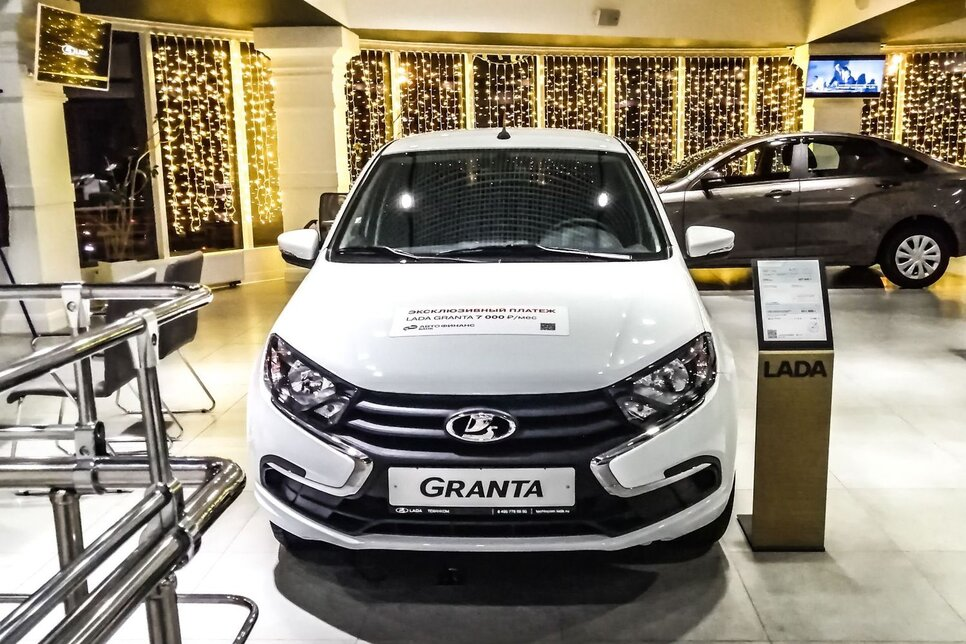
By the end of the year, AvtoVAZ had lost a quarter of its audience — 25% of buyers — while the overall market contracted by 15%. The brand's share amounted to 24% versus 28% in 2024. Special attention should be paid to the fourth quarter: October showed a record 165 thousand sales, but Lada held only 20% of the volume. In November and December, the brand's share rose to 21.5% and 23% respectively, which is linked to the launch of the Iskra model and pre-New Year demand.
The appearance of Iskra raised the issue of internal competition: the new cars partially "ate away" buyers from Vesta. In November, 1,380 Iskra cars were registered; in December, 3,203 units. In the same months, Vesta with 1.6-liter engines sold 2,967 and 3,126 units. The share of Vesta with 1.6-liter engines was falling: from January to September it was almost 15%, in November — 10.8%, in December — less than 10%.
The launch of Iskra on a platform that does not overlap with Vesta limits the possibilities for unification. The issue of expanding the Iskra lineup with a 1.8-liter engine producing 122 horsepower may increase pressure on Vesta, while abandoning the model is impossible — it shares a platform with Azimut and helps the plant's financial stability. Additional strain on managers also comes from underutilized sites in St. Petersburg and Izhevsk.
The market for Chinese brands also turned out to be uneven. Leaders Haval, Chery, and Geely lost 10–15% of buyers, while Changan fell by 38%. Omoda and Exeed faced delays in Russian assembly: the C5 and C7 found a limited number of buyers, and Exeed assembly in the Moscow Region in 2025 was completed with difficulty, which led to low RX sales at the end of the year.
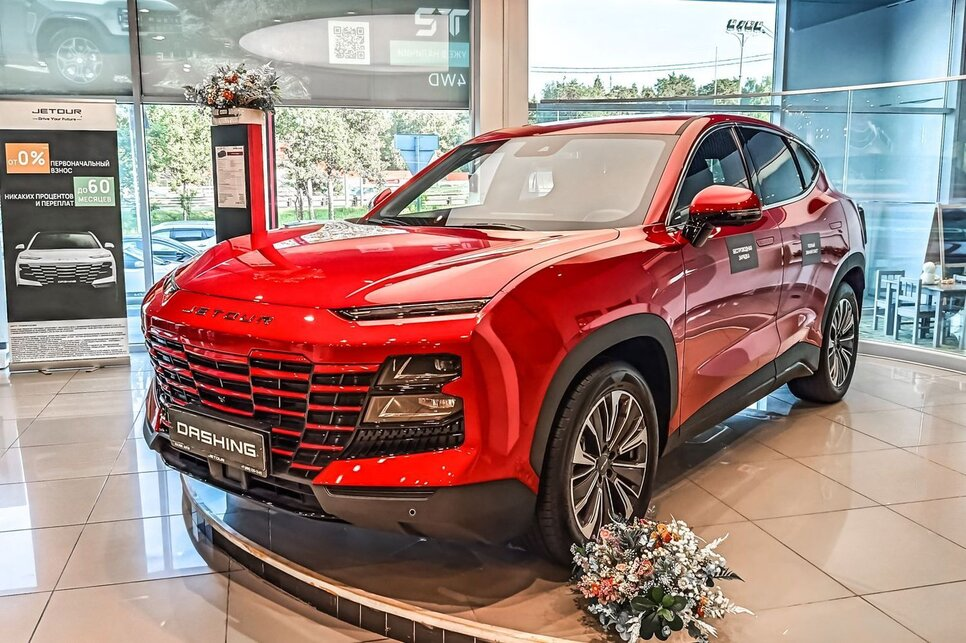
Jetour showed a positive result: the brand's sales in 2025 grew, although the fourth quarter was weaker than the previous one. Small Chinese brands such as JAC and Great Wall lost more than 30–50% of buyers, while Kaiyi and Baic showed modest results from local assembly. SWM increased sales almost threefold, but only due to the sell-off of old inventory. Livan effectively did not supply new cars, and Soueast, after dynamic growth in the first three quarters, finished the fourth quarter with a decline.
Imported brands showed mixed dynamics. Hongqi increased sales by 40% after price cuts, while Kia, BMW, and Mercedes-Benz showed declines or moderate growth. KGM (SsangYong) and other market players faced high prices and the need for discounts to revive demand.
Completing the picture is Moskvich, which after business restructuring lost a third of its buyers and finished the year in 17th place in sales. The new M70 and M90 models are promoted through a separate website, and sales of the Moskvich 8 were minimal. Former market leaders — Toyota, BMW, and Mercedes-Benz — lived through the last year with high demand, but the prospects for 2026 are vague because of changes in the recycling fee and import restrictions.
Overall, the market showed sharp changes in the structure of demand: the domestic auto industry contracted, Chinese brands intensified internal competition and began to develop Russian assembly more actively, while importers limited themselves to selling off warehouse stocks and local discounts. Against the backdrop of these processes, 2026 promises to become even more difficult for all market participants.
Read more articles:
- AvtoVAZ officially explained which gasoline should be used in Lada
- Moskvich announced prices for the 2026 model year Moskvich 6 sedan
- Tank raised prices across the entire model lineup in Russia: Tank 500, 700, and 400 became more expensive
Комментарии