Nostalgia for the countries of the socialist bloc is a contradictory and in many ways paradoxical feeling. One only has to try to mentally return to the Soviet past, and the imagination immediately conjures up a familiar set of images: "Volgas," "Moskviches," "Zaporozhetses," heavy ZIL and GAZ trucks. However, one layer of the USSR's automotive history remained on the periphery of attention for a long time — Polish minibuses. The very same "Nysas" and "Rafiks" that were no less recognizable, but much less often became the heroes of recollections.
Why it was impossible to make a simple choice between the "Nysa" and the "Rafik"
These vehicles could be found literally everywhere, although the reasons for their ubiquity rarely became a subject of reflection. For drivers, they were at once reliable helpers and a source of irritation — inspiring attachment and fatigue in equal measure.
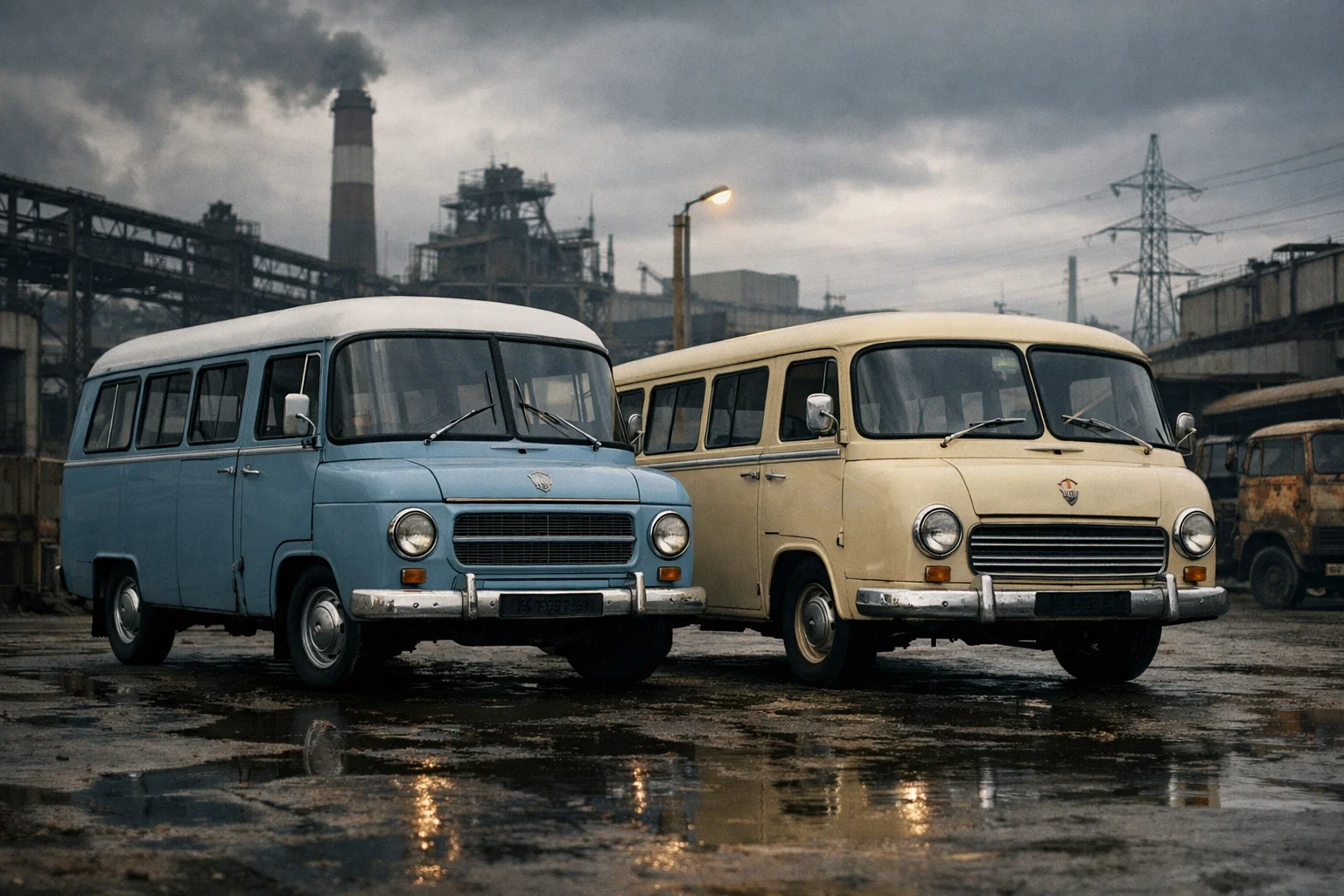
That is precisely why debates around them still do not die down. What explains the enduring place of these minibuses in collective memory, and why does the comparison of the "Nysa" and the "Rafik" still evoke emotions?
"Nysa" and "Rafik": a brief historical context
To understand the phenomenon, it is necessary to turn to the circumstances of the era. Despite the scale and ambitions of the Soviet automotive industry, the country chronically lacked light trucks and minibuses. ErAZ and RAF, operating within the USSR, were physically unable to cope with growing demand. As a result, the state was forced to purchase vehicles abroad on a massive scale — primarily in Poland.
This is how vehicles from the Fabryka Samochodow Dostawczych (FSD) plant, located in the city of Nysa, appeared on Soviet roads. It was there that the Nysa 521 minibus was produced. Its main domestic "opponent" became the RAF-977 — a development of the Riga Bus Factory, better known by the popular nickname "Rafik."
Visually and conceptually, these vehicles looked almost like relatives: minibuses of a similar class, not distinguished by technical innovations even by the standards of the 1970s, but extremely in demand in everyday operation.
Nysa 521 — the Polish benchmark of unpretentiousness
Serial production of the Nysa 521 began in Poland in 1969, and quite quickly the vehicle earned a reputation as convenient and practical transport in the eyes of Soviet drivers. There were several reasons for this.
The design was thought out with operation in mind: two ventilation hatches were provided in the roof, a sliding door was installed on the side, and the cabin heater was considered genuinely effective. Access to the engine was organized from both sides, which simplified maintenance. The body was painted in four layers of enamel, increasing resistance to corrosion. The picture was completed by an abundance of modifications — from insulated vans to mobile laboratories. The build quality was noticeably higher than the level customary in the USSR at the time.
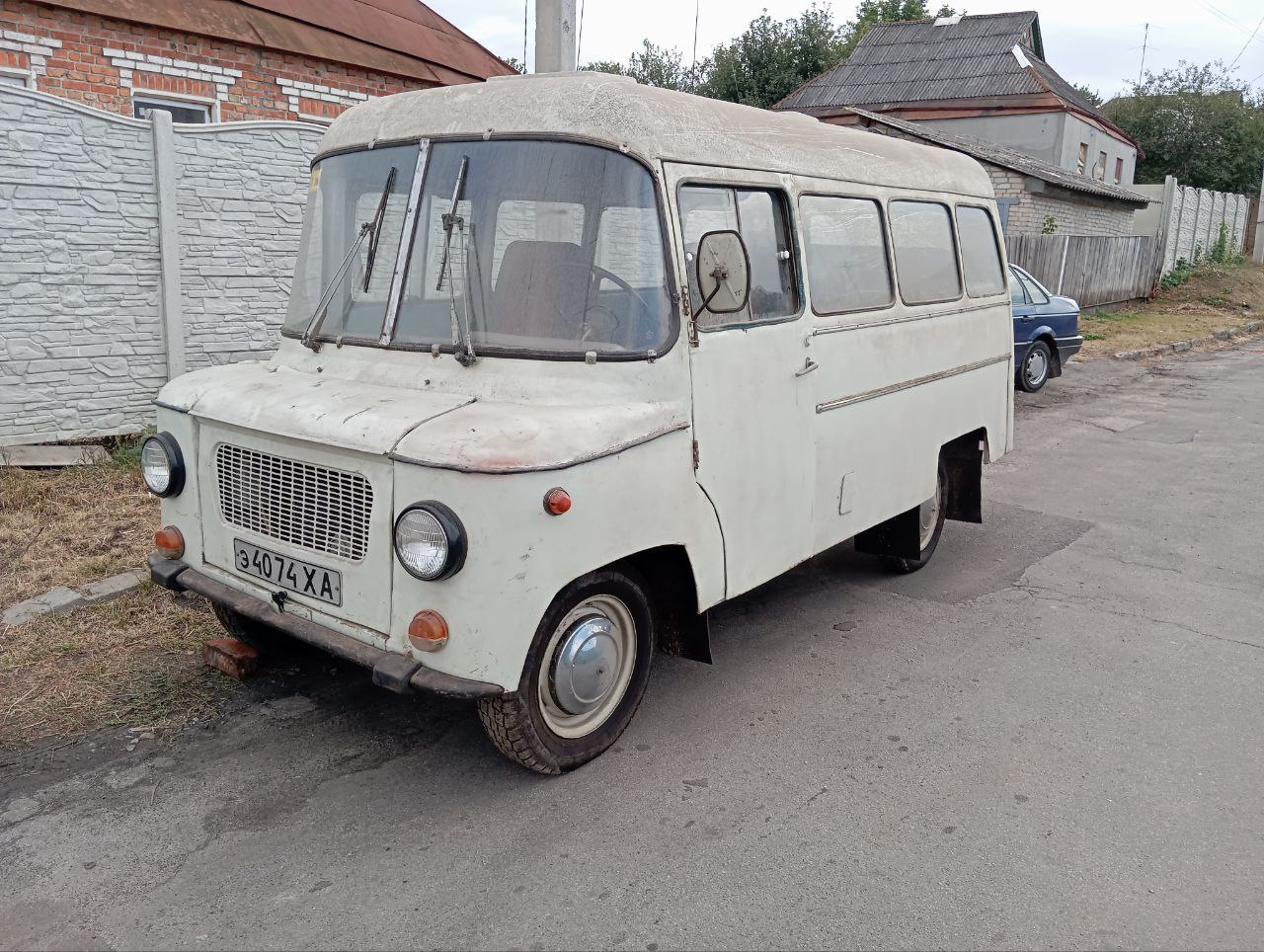
The technical underpinnings, however, had their limitations. The engine and chassis were inherited by the "Nysa" from the outdated Warszawa passenger car — the Polish version of the Soviet GAZ-M20 Pobeda. This affected acceleration dynamics and fuel consumption, while the high center of gravity made the minibus unsafe on sharp turns.
Despite these shortcomings, the Nysa 521 remained easy to repair and extremely versatile. It is also important that production was aimed not only at socialist countries but also at European export markets, which was reflected in the overall level of execution.
The "Rafik": pride of the automotive industry or a symbol of its problems
The RAF-977, almost the same age as its Polish competitor, occupied a special place in the Soviet perception. It was considered a compact but spacious vehicle, suitable both for passenger transportation and for the needs of various agencies.
Its strengths included the familiarity of its design for domestic drivers and the relative adaptation of spare parts to Soviet realities. The body was distinguished by simplicity and functionality, although the variety of versions was inferior to the "Nysa." The "Rafik" was widely used in medicine, the police, and tourist transportation as well.
However, the list of problems was no less impressive. The engine often failed, the suspension was considered weak, and the steering was noisy and not always reliable. Build quality often prompted complaints, and repairs were complicated by shortages of tools and components.
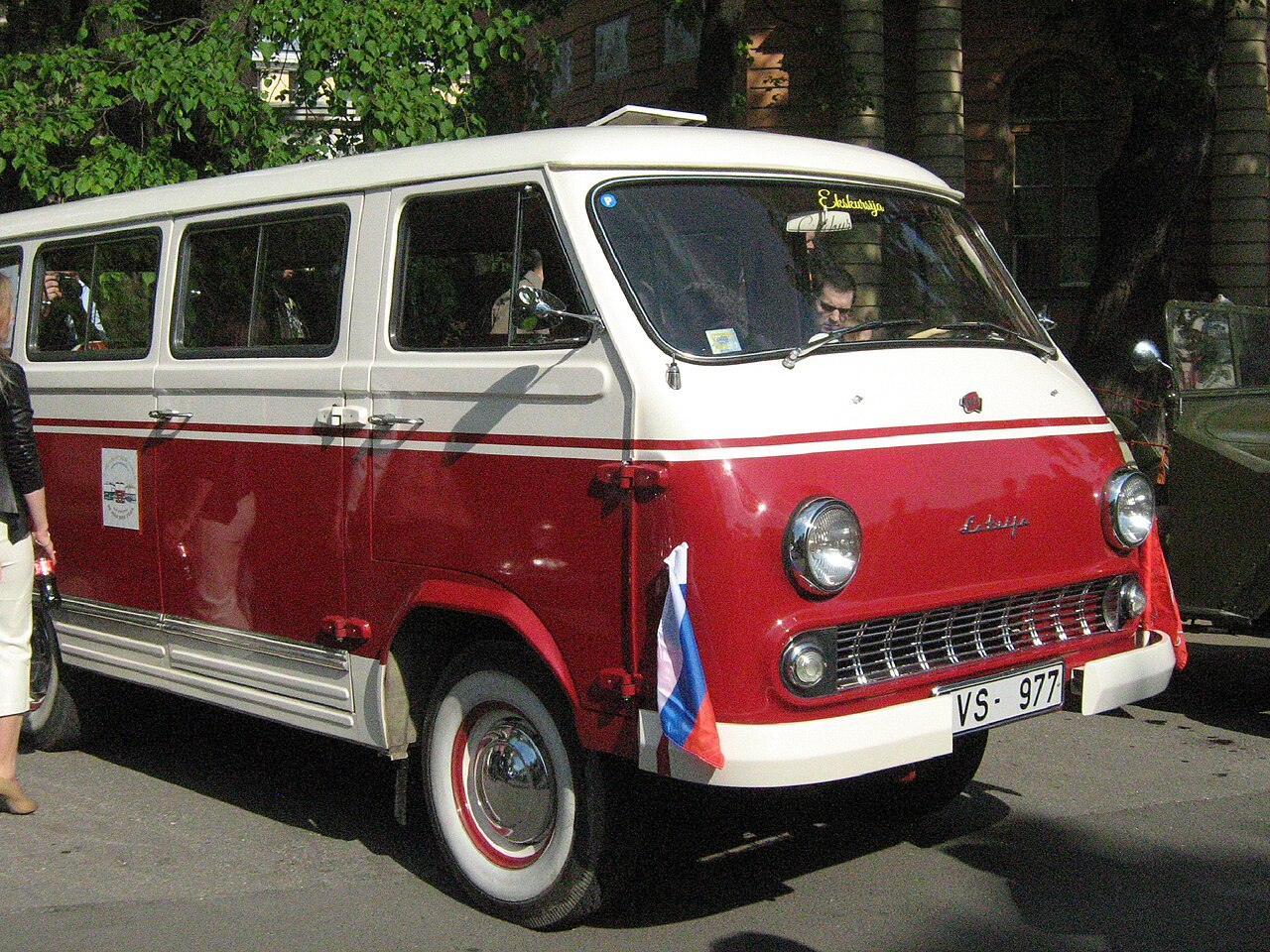
And yet it was precisely the "Rafik" that for many became an emotional symbol of the era — a vehicle associated with the everyday life of Soviet cities and highways.
Why preference was often given to Polish vehicles
In the 1970s and 1980s, Soviet industry was operating at the limit of its capabilities. ErAZ and RAF could not fully meet domestic needs, and Polish minibuses became a logical solution to the problem.
The comparison looked like this: ErAZ-762 — powerful, but heavy and not very maneuverable; RAF-977 — familiar, but not especially dynamic; Nysa 521 — light, versatile, and convenient, albeit with an outdated power unit. In addition, the "Nysa" stood out for its affordable price and ease of operation, which was of decisive importance under the conditions of the Soviet economy.
It was actively used in ambulance services, communications, fire protection, trade, and even as school buses. This versatility made the Polish minibus especially valuable for a huge country with differing climatic and road conditions.
The sunset of an era and preserved memory
By the early 1990s, everything had changed. The Soviet system had ceased to support the mass production of such vehicles, and in Poland the economic crisis led to a curtailment of production. The last "Nysa" rolled off the assembly line in 1993.
The market was quickly filled with more modern European and Japanese minibuses. Nevertheless, the "Nysa" and the "Rafik" have not disappeared from collective memory. In 2025, very few preserved vehicles remain, but car clubs and internet forums continue to publish photographs, share instructions and memories, preserving the legacy of these symbols of a bygone era.
Read more materials on the topic:
- How snow was conquered in the USSR
- Belarusian cars ahead of their time
- "Ural-4320": the legendary all-terrain vehicle that conquers any road
Комментарии